What Is an NN Conveyor Belt
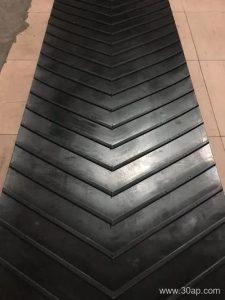
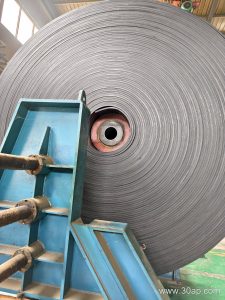
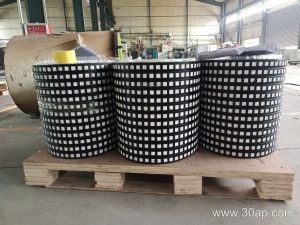
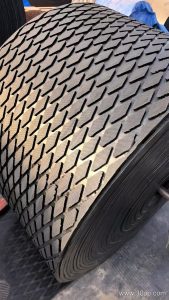
An NN conveyor belt is a type of fabric-reinforced rubber belt that uses nylon (NN) canvas as its carcass. The “NN” designation indicates that both the warp and weft threads of the fabric are made of nylon, which gives the belt high tensile strength, excellent flexibility, and good resistance to fatigue. This construction makes it a popular choice for bulk material handling in industries such as mining, coal preparation, cement plants, power stations, and sand and gravel yards. Unlike steel cord belts, which rely on steel wires for strength, NN belts use multiple plies of nylon fabric embedded in rubber, offering a good balance between strength and elasticity.
Construction and Key Components
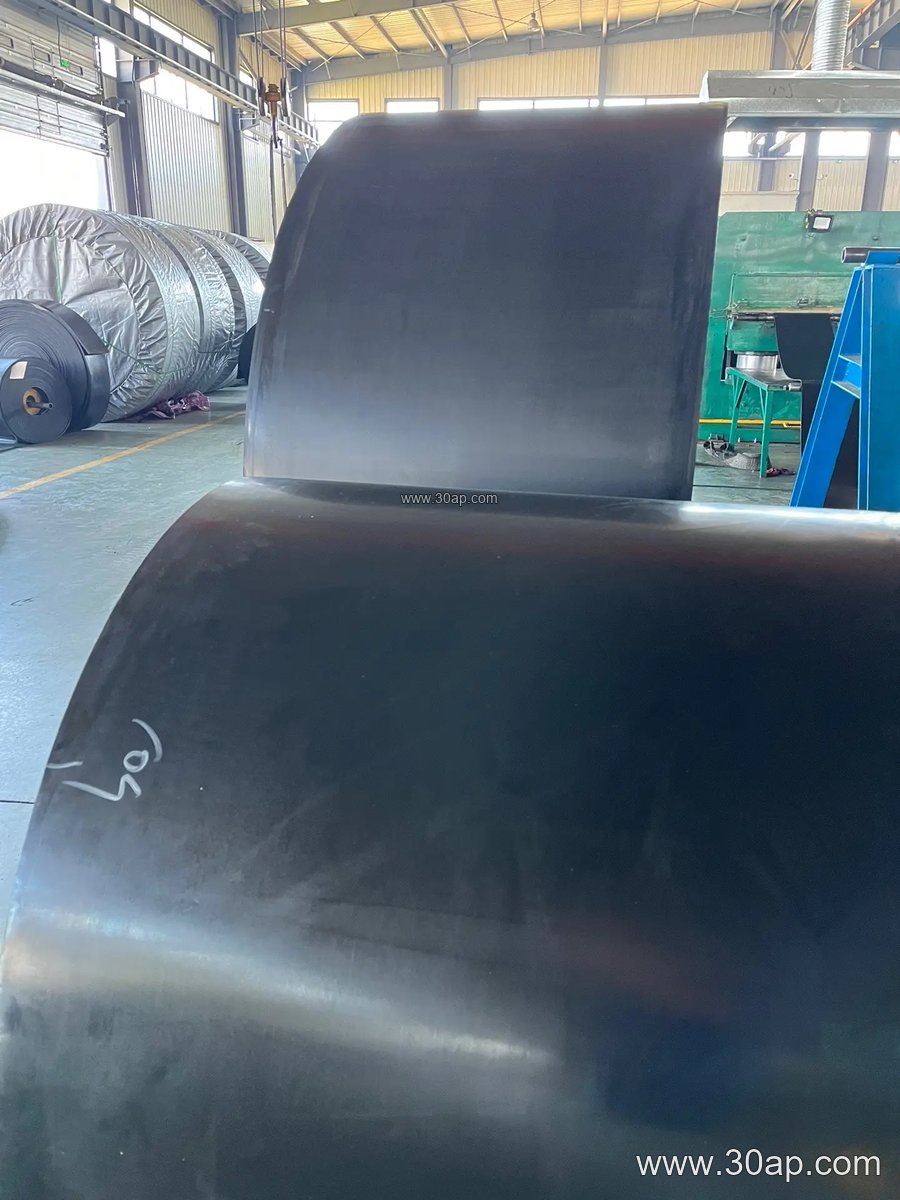
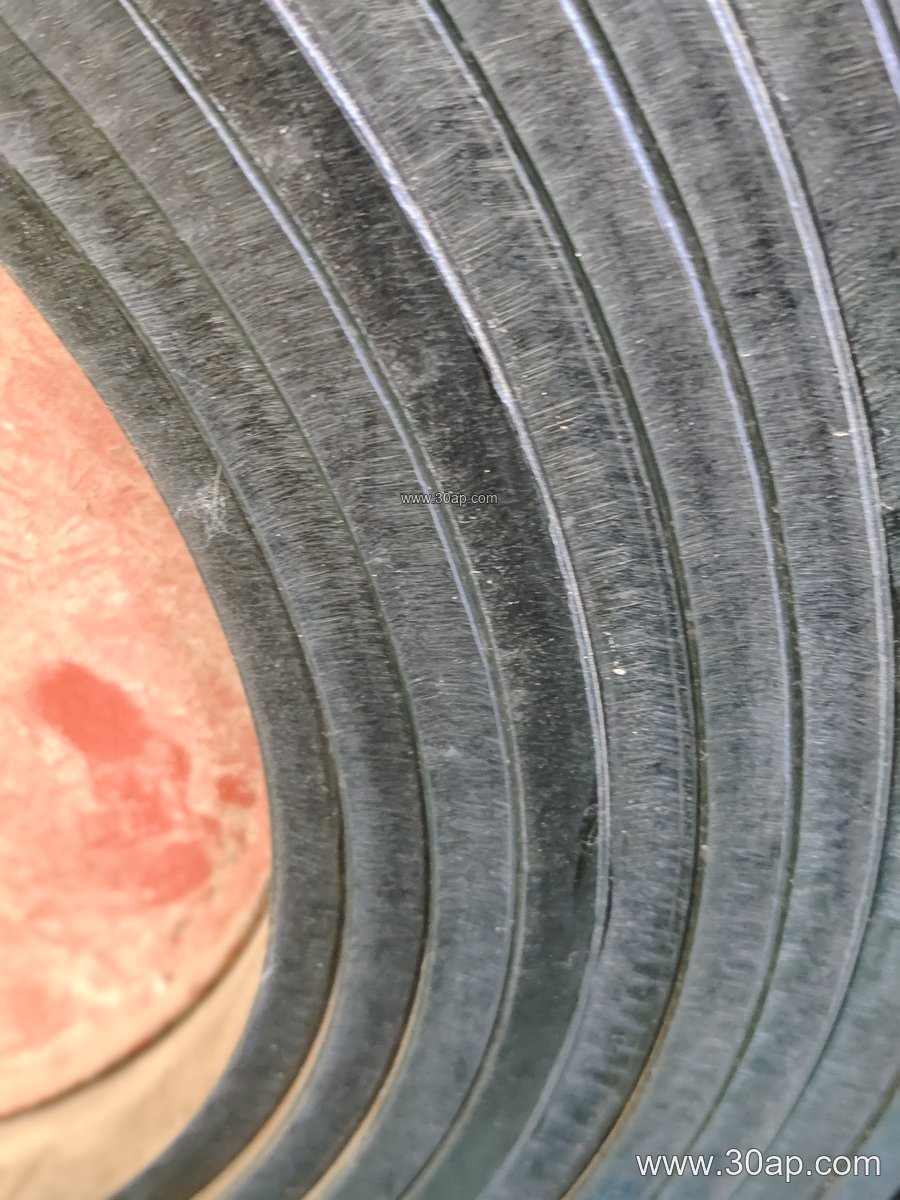
A typical NN conveyor belt consists of three main parts: the cover rubber, the fabric carcass, and the skim coat between plies. The carcass is made of 2 to 6 layers of nylon fabric, depending on the required strength. The cover rubber protects the carcass from abrasion, impact, and environmental factors. Common cover thickness combinations include 3+1.5 mm, 4+2 mm, 5+2 mm, 6+2 mm, and 8+3 mm, where the first number refers to the top cover and the second to the bottom cover. The rubber compound can be formulated for special properties such as wear resistance, heat resistance, oil resistance, flame retardancy, anti-static, cold resistance, and resistance to acids and alkalis.
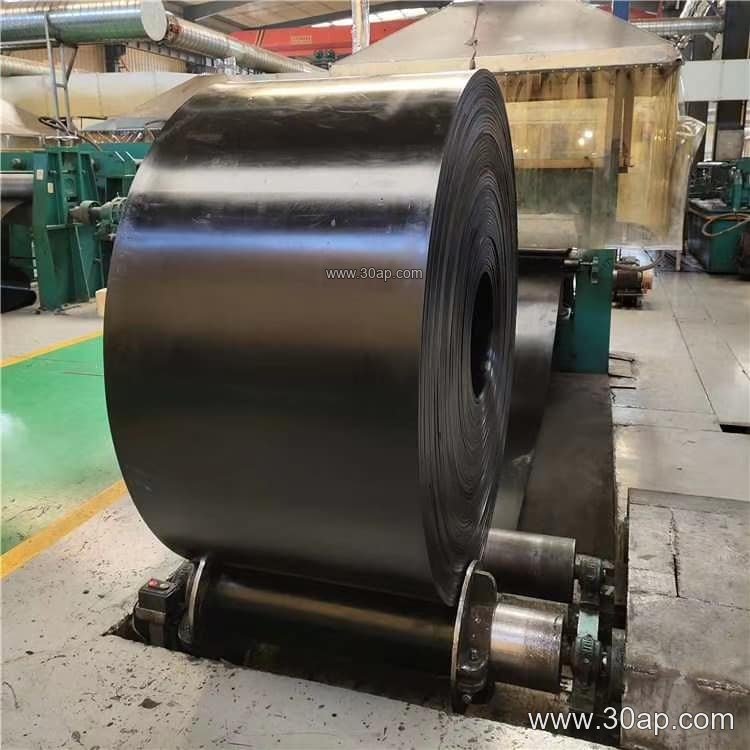
The nylon fabric itself is characterized by high strength and low elongation, which helps maintain belt tension and reduces the need for frequent take-up adjustments. The bond between the fabric and rubber is critical for preventing delamination, especially under heavy loads and repeated flexing.
Common Specifications
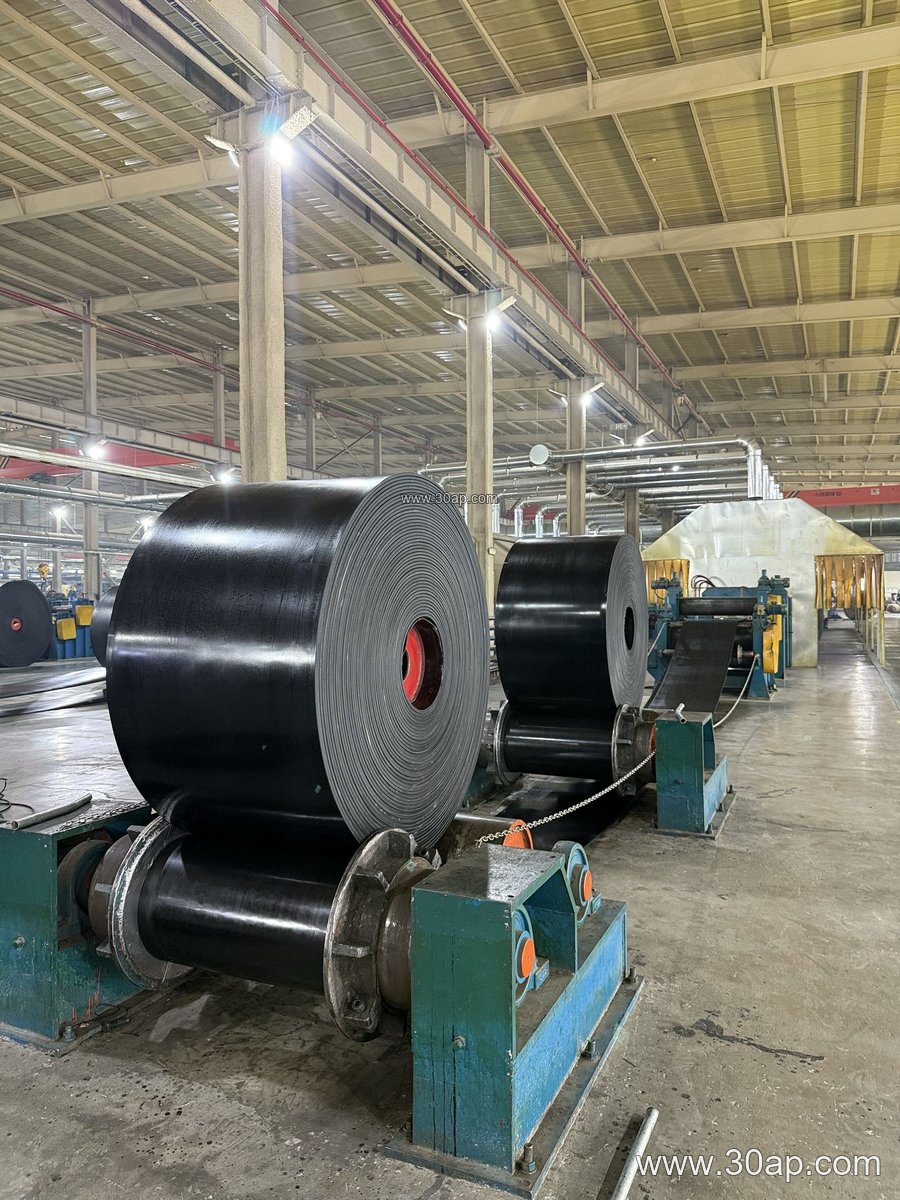
NN conveyor belts are available in a range of strength grades and widths to suit different conveyor designs. The table below lists typical reference values; actual specifications should be confirmed with the manufacturer based on the application.
| Parameter | Common Range |
|---|---|
| Strength grade | NN100, NN125, NN150, NN200, NN250, NN300, NN400, NN500 (N/mm) |
| Belt width | B500, B650, B800, B1000, B1200, B1400, B1600, B1800, B2000 |
| Number of plies | 2 to 6 |
| Cover thickness (top+bottom) | 3+1.5, 4+2, 5+2, 6+2, 8+3 mm |
These values are indicative and may vary between suppliers. The belt width should be selected based on the lump size, capacity, and conveyor pulley dimensions, not as a fixed match to any single pulley diameter.
Where NN Conveyor Belts Are Used
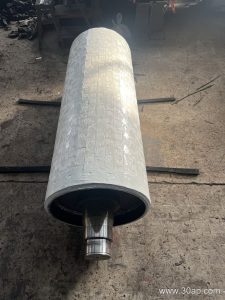
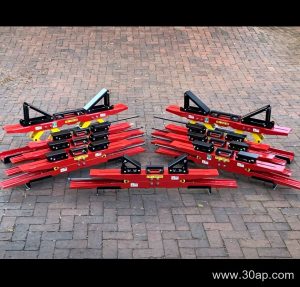
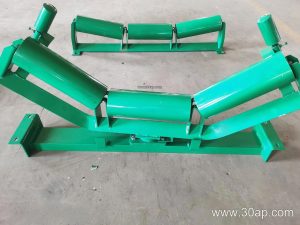
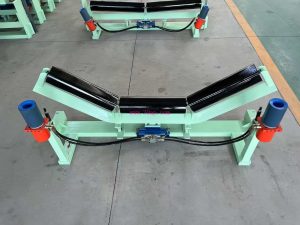
The flexibility and strength of NN belts make them suitable for a wide range of bulk handling applications. In mining and coal preparation, they transport ore and coal over long distances and through inclined sections. Cement plants use them for clinker, limestone, and additives. Power stations rely on them for coal and ash handling. Sand and gravel operations use NN belts for aggregate transport. The belt runs over idler rollers, around drive and tail pulleys, and is supported by conveyor brackets and frames. In these systems, the belt’s ability to resist impact and flexing is important for reliable operation.
Selection and Usage Notes
When choosing an NN conveyor belt, consider the material being conveyed, the required tensile strength, the environmental conditions, and the conveyor geometry. For abrasive materials, a thicker top cover or a wear-resistant compound is advisable. For hot materials, heat-resistant rubber should be specified. In cold climates, cold-resistant grades help prevent cracking. Flame-retardant and anti-static belts are often required in underground coal mines or explosive atmospheres.
Installation and maintenance also affect belt life. Proper alignment of idler rollers and pulleys reduces edge wear. Adequate tension prevents slippage and excessive sag. Regular inspection for cover damage, ply separation, and edge tears allows timely repairs. The belt should be stored in a dry, shaded area and handled without sharp bends to avoid carcass damage.
NN conveyor belts are not interchangeable with steel cord belts or solid woven PVC belts; each type has its own place. For very long, high-tension conveyors, steel cord belts may be more suitable, while PVC belts are often used in lighter-duty or food-grade applications. Understanding these differences helps in selecting the right belt for the job.