What a 500mm Conveyor Belt Is
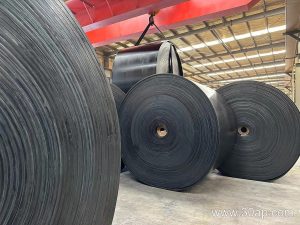
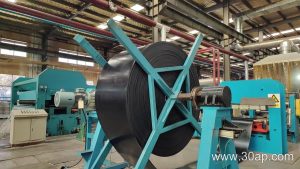
A 500mm conveyor belt is a belt with a nominal width of 500 millimeters, often written as B500 in technical documents and order specifications. This width sits at the narrower end of the standard range used in bulk material handling, so it is frequently chosen for compact conveyor lines, mobile crushing plants, and auxiliary transfer points rather than for high-capacity main haulage. The belt itself is the load-carrying surface of a belt conveyor, working together with idler rollers, conveyor pulleys, and a supporting frame to move ore, coal, clinker, sand, gravel, or packaged goods from one point to another.
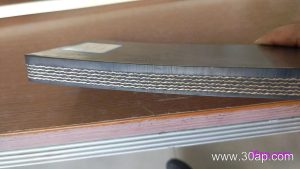
When engineers speak about a 500mm wide conveyor belt, they usually mean a complete belt construction rather than just a strip of rubber. The product includes the carcass, the covers, and the edge structure, and each of these parts can be adjusted to suit the working environment.
How the Belt Is Built
The carcass provides tensile strength and resistance to repeated flexing. Common options include EP fabric, NN nylon fabric, and steel cord construction. For a 500mm conveyor belt, fabric carcasses with two to four plies are common, while steel cord designs are more typical on longer or heavier-duty installations. Cover rubber protects the carcass from abrasion, impact, heat, oil, and moisture, and cover thickness is usually described as a top and bottom combination such as 3+1.5 mm, 4+2 mm, 5+2 mm, 6+2 mm, or 8+3 mm.
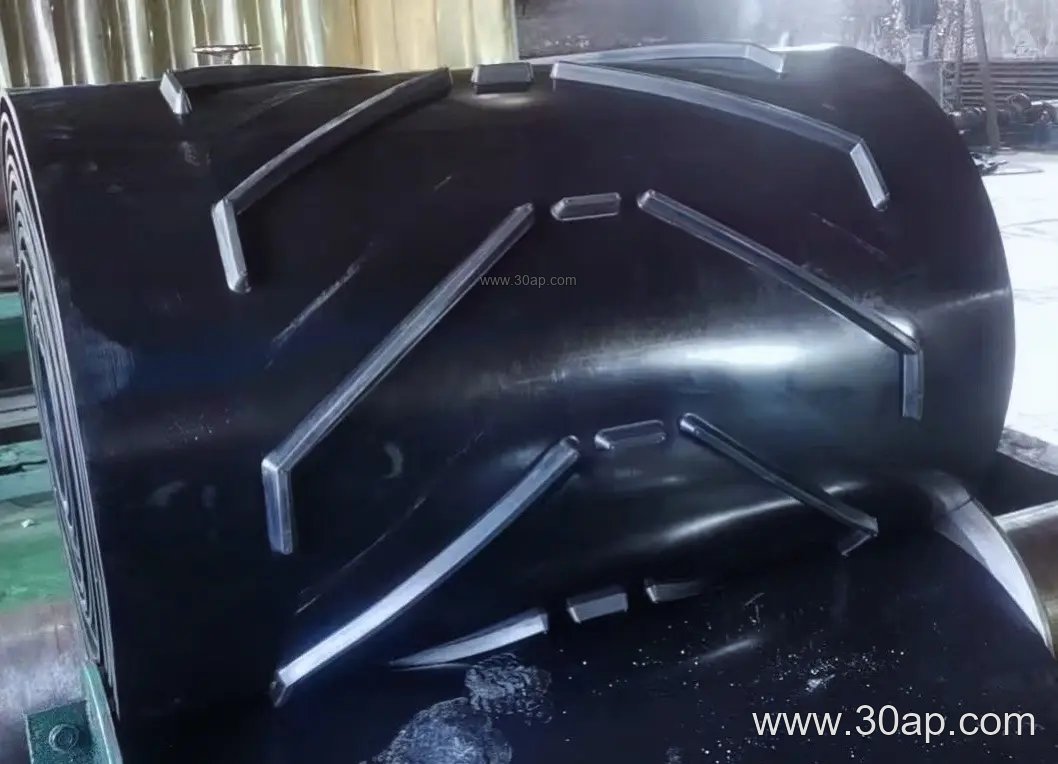
Surface form is another design choice. A smooth cover suits general transport, while patterned surfaces such as herringbone or chevron profiles help on inclines where material might otherwise slide back. Sidewall and cleated belts are separate subtypes used when steep angles or enclosed material paths are required; they are not interchangeable with a plain 500mm belt, though they may be compared when selecting a conveyor for a specific slope.
Typical Construction Reference
The table below lists common reference values. Actual supply depends on the manufacturer and the design requirements of the conveyor.
- Belt width: B500, also expressed as 500 mm
- Fabric types: EP, NN nylon
- Carcass strength grades: EP200, EP315, EP400, EP500, EP630, EP800
- Number of plies: usually 2 to 6, with 2 to 4 common at this width
- Cover grades: abrasion resistant, heat resistant, oil resistant, flame retardant, antistatic, cold resistant, acid and alkali resistant
- Cover thickness: 3+1.5, 4+2, 5+2, 6+2, 8+3 mm
- Edge construction: cut edge or moulded edge
Where It Fits in a Conveyor System
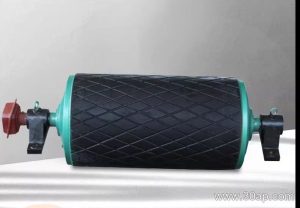
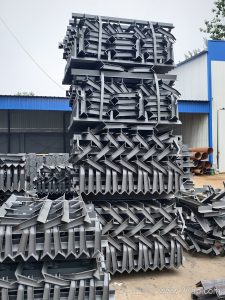
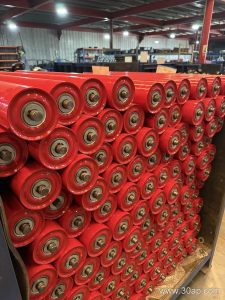
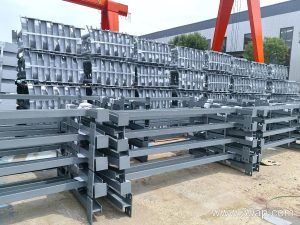
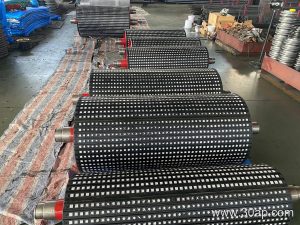
A 500mm belt is normally supported by a troughing set of idler rollers on the carrying side and return rollers underneath. At the ends of the conveyor, the belt passes over a drive pulley and a tail pulley, with bend pulleys used where the belt path changes direction. These pulleys are not interchangeable: the drive pulley transmits torque, the tail pulley helps maintain tracking and tension, and bend pulleys redirect the belt without driving it. A conveyor bracket or frame holds the rollers and pulleys in alignment, and correct alignment is important because a narrow belt can drift if the structure is twisted.
Because of its compact width, this belt size is often found in mines, coal preparation plants, cement lines, power stations, sand and gravel yards, and small aggregate operations. It can also appear in recycling facilities and light manufacturing where space is limited. In these settings, the belt may carry crushed stone, coal, clinker, sand, fertilizer, or similar bulk materials at moderate capacity.
Selection and Maintenance Notes
Choosing a 500mm conveyor belt is not only a matter of width. The buyer should confirm the material being carried, the lump size and temperature, the incline angle, the loading method, and the expected daily running hours. These factors influence the carcass grade, cover compound, and cover thickness. For example, sharp lump ore may call for a thicker abrasion-resistant cover, while a coal application in a closed area may require flame retardant and antistatic properties.
The pulley diameter should be selected from the belt construction and the conveyor design, not from belt width alone. A 500mm belt can run on different pulley diameters depending on the carcass flexibility, the number of plies, and the required tension. Likewise, shaft diameter is a function of the pulley, bearing, and load calculation, so it should never be estimated from the belt width by itself.
During operation, check belt tracking, roller rotation, pulley lagging condition, and splice integrity. Misaligned idler rollers or a worn conveyor pulley can damage the belt edges quickly, especially on a narrow belt. Keeping the conveyor bracket and frame square helps the belt run centered and extends service life.
Buyer Checklist
- Confirm the required belt width and whether B500 is the correct nominal size for the conveyor.
- State the material type, lump size, temperature, and moisture conditions.
- Specify carcass type and strength grade, such as EP or NN with a suitable grade.
- Choose cover compound and cover thickness based on abrasion, heat, oil, or fire risk.
- Decide between smooth, patterned, or special edge constructions only when the application calls for them.
- Verify pulley and roller compatibility through the conveyor design, not by a fixed rule.
A well-matched 500mm conveyor belt, combined with properly selected idler rollers, pulleys, and brackets, gives a reliable solution for medium and small material handling duties across mining, cement, power, and aggregate industries.