What Does the ISO 340 Designation Actually Tell You?
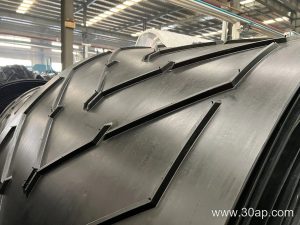
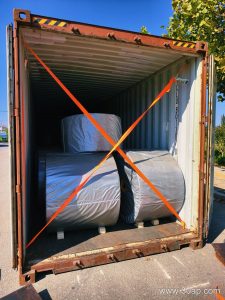
Many engineers read “fire resistant” on a conveyor belt datasheet and assume the belt will not burn. ISO 340 does not promise that. It is a small-scale laboratory test that measures whether a conveyor belt sample, after a defined ignition, stops flaming and does not propagate it along the sample.
Why This Changes the Specification
In a cement plant, a fire resistant conveyor belt may run near a coal mill or a hot clinker area where a spark could reach the belt. Because ISO 340 is a laboratory scale test, it does not prove performance on a full installation.
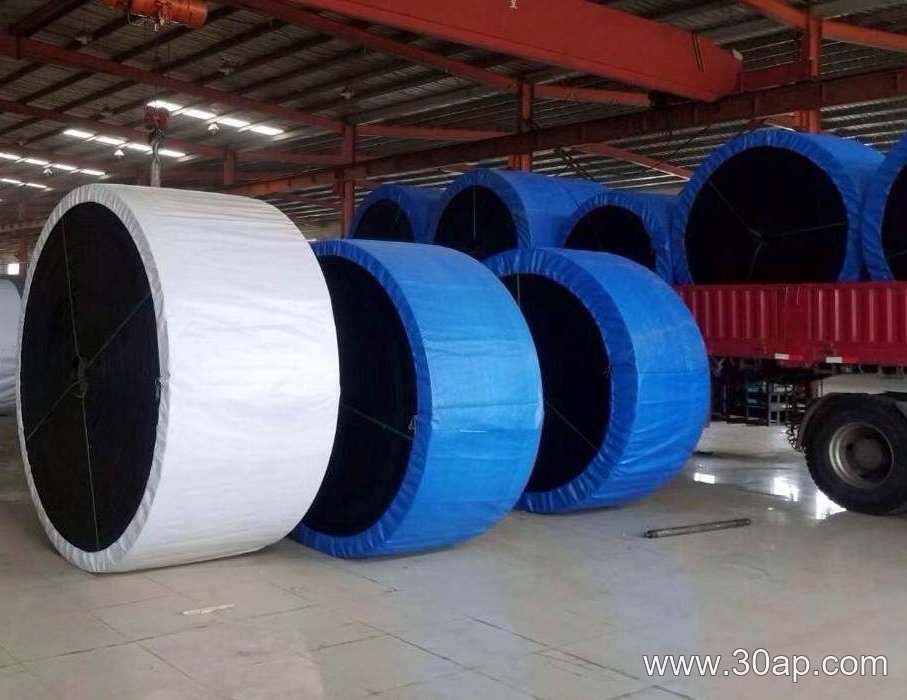
- Ask for the test report, not just the word “fire resistant”.
- Confirm the belt also meets the cover abrasion and tensile grade needed for the duty.
- Check whether the plant’s insurer or local code requires a specific belt standard, since ISO 340 alone may not satisfy the authority.
The engineering decision is therefore not whether the belt is fire resistant, but whether the test method behind that claim matches the ignition risk and the approval the plant must meet.
Sizing an Idler Roller for Clinker Duty
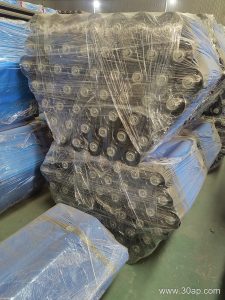
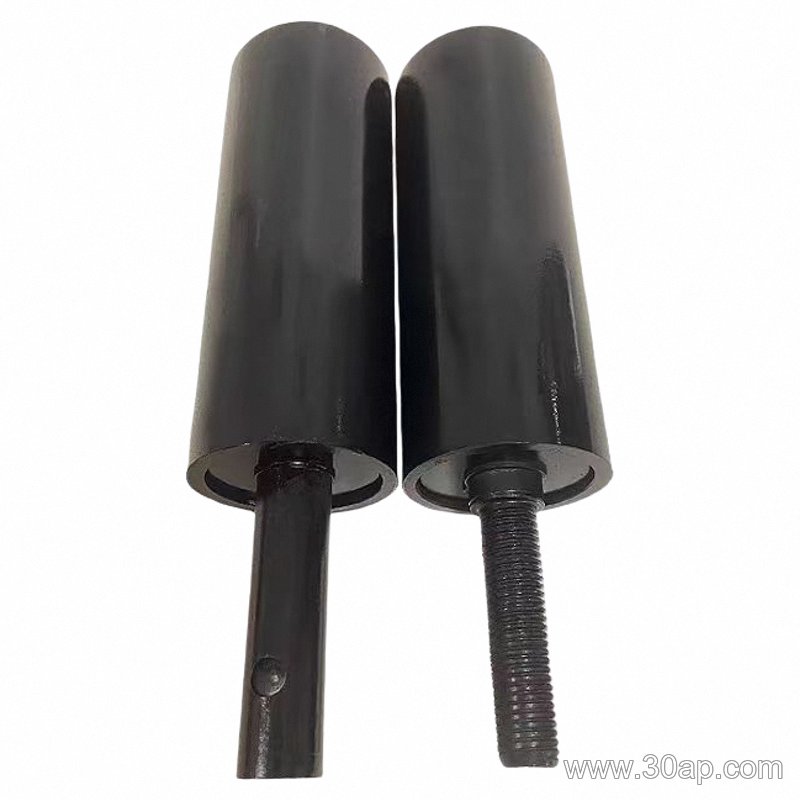
In a hypothetical cement plant project, clinker at 120°C and 2.5 t/m³ moves on a 1200 mm frame. The idler roller must handle heat and impact without premature bearing failure.
Assumptions and Decisions
- Belt width 1000 mm, trough angle 35°, speed 2 m/s.
- Load per idler roller estimated from belt and material weight.
- Choose a 152 mm diameter roller with heat-resistant grease and labyrinth seals.
Check that the roller face length fits the frame and that the shaft deflection under load stays within acceptable limits. Verify bearing life using the calculated load and speed. This example is illustrative, not a specification.
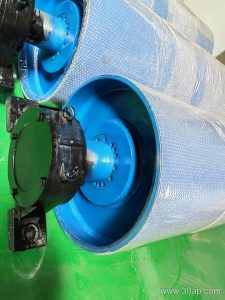
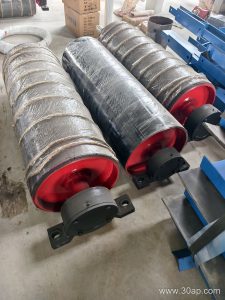
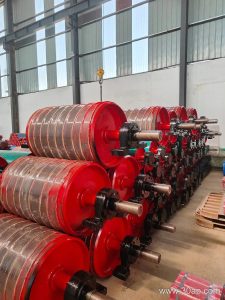
Should a wet outdoor conveyor pulley use grooved lagging or plain rubber?
Both can work; the choice depends on how much water reaches the belt and whether slip or belt wear is the bigger risk.
What changes in wet weather?
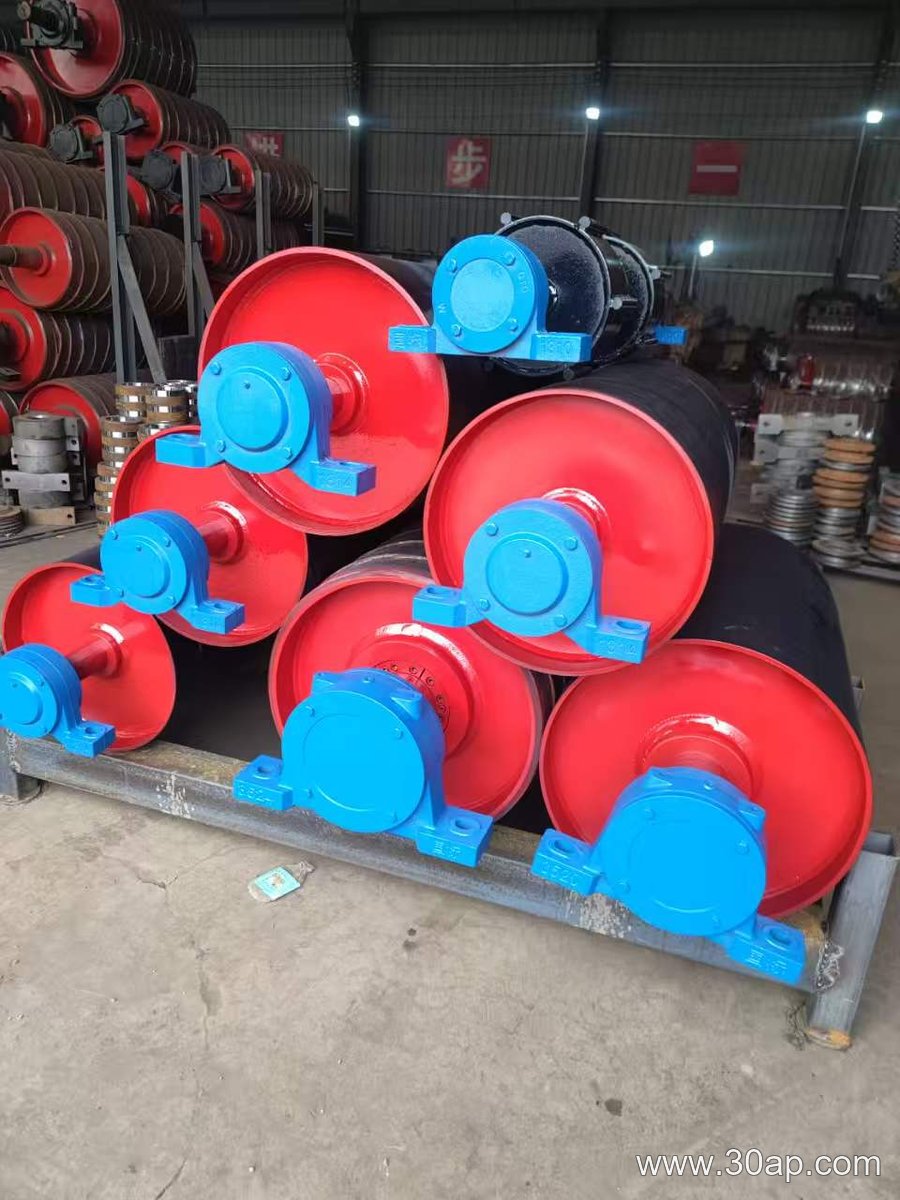
Water between the belt and a conveyor pulley reduces friction. Grooved lagging channels water away; plain lagging offers more contact area.
Which checks decide it?
- Inspect drainage and belt speed.
- Check whether the drive pulley slips under load.
- Confirm lagging hardness and groove pattern suit the duty.
In a hypothetical outdoor installation, a grooved lagging conveyor pulley often aids water shedding, while a plain lagged pulley may suit drier sections.
Why a conveyor bracket is more than a mounting plate
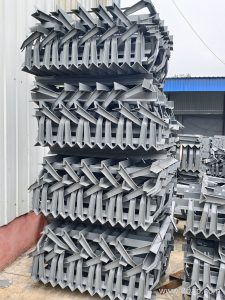
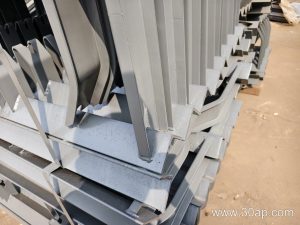
In a cement plant’s clinker gallery, a conveyor bracket must hold the idler roll at the correct height and angle while abrasive dust settles on every surface. The bracket’s job is not simply to support weight; it preserves the belt line so the belt does not wander or spill material.
What the bracket controls under load
A typical conveyor bracket ties the idler frame to the stringer. When dust builds up unevenly, a slotted bracket allows maintenance crews to nudge the idler axis back into line without cutting the frame. A fixed bracket relies on accurate initial installation.
Practical checks for cement plant service
- Confirm the bracket’s mounting holes match the stringer spacing before welding.
- Allow enough slot length for lateral adjustment as the structure settles.
- Choose a bracket profile that sheds dust rather than trapping it.
- Inspect for cracks near welds after the first weeks of operation.
These steps help a conveyor bracket keep the belt centered despite heat, vibration and fine clinker dust.