What a Large Pulley Is
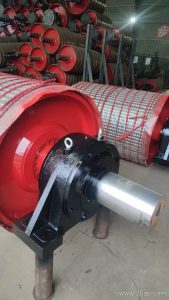
A large pulley is a heavy-duty drum that turns a conveyor belt and carries the main load at a transfer or drive point. In conveyor engineering, the accurate equivalent name is a large conveyor pulley. The word “large” refers to the drum diameter and shaft size relative to the belt width and the duty, not to a decorative part. A pulley with a bigger face and heavier shaft absorbs higher tension, resists bending, and keeps the belt tracking steadily under load.
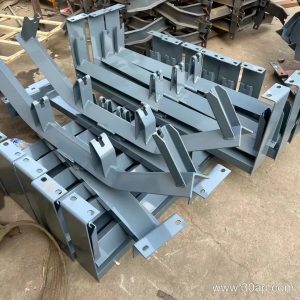
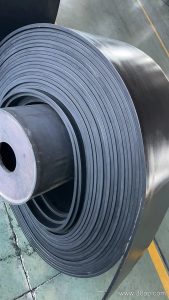
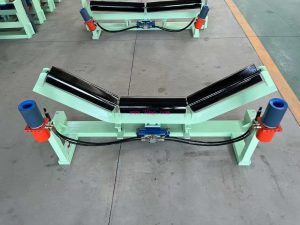
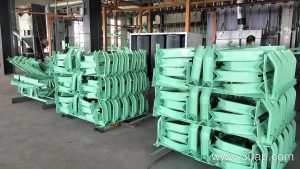
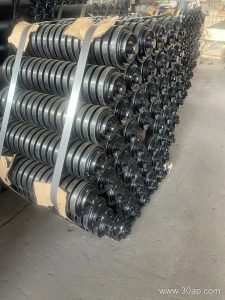
The pulley does not work alone. It forms a set with the conveyor belt, conveyor idler rollers along the carrying side, and the conveyor bracket that fixes the bearing housings to the frame. When these parts match, the belt runs straight and the drive transmits torque without slip.
How a Large Pulley Is Built
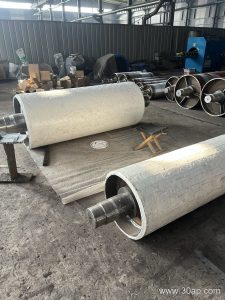
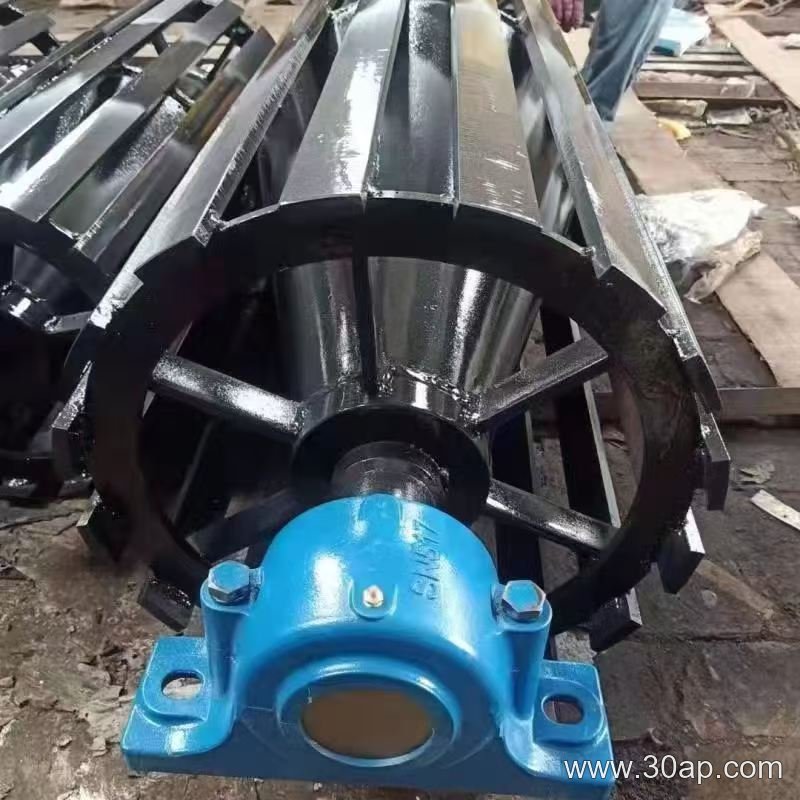
A typical large pulley consists of a cylindrical shell, two end discs or a welded hub, a shaft, and bearing housings. The shell may be machined from seamless pipe or rolled and welded, then finished to a true round. The shaft is sized by torque and radial load, not by belt width alone, so a B1200 pulley can appear with different shaft diameters depending on the drive layout.
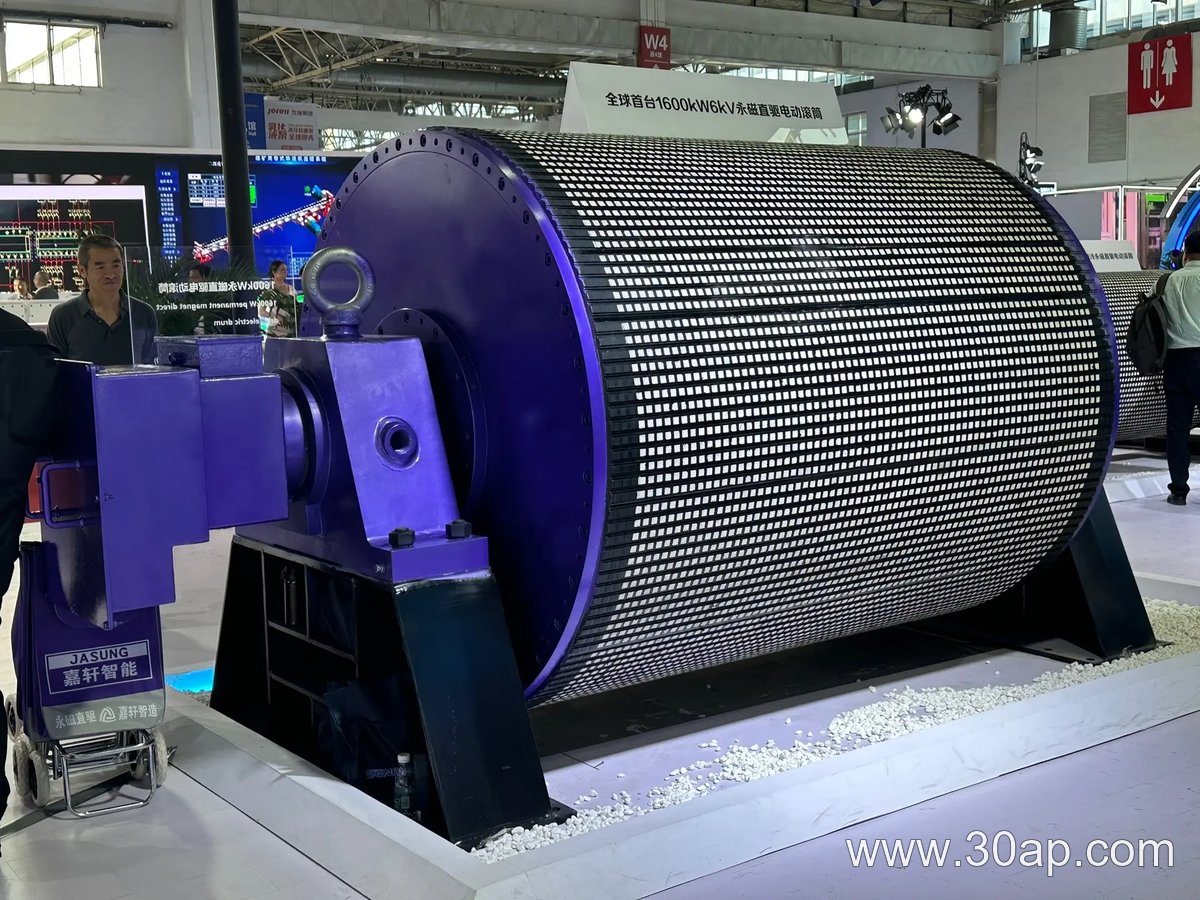
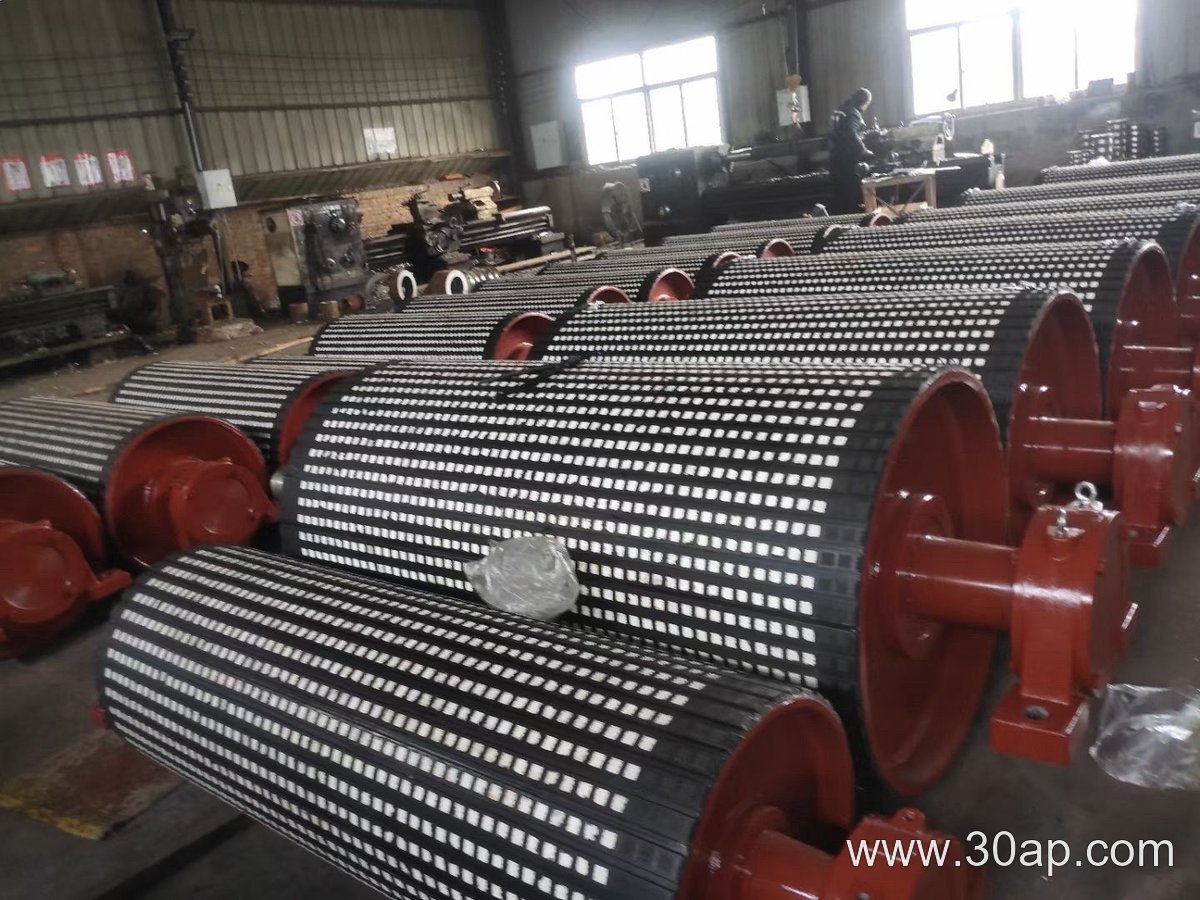
Surface treatment is chosen for grip and wear. Common options include plain finish, cast rubber, cold-bonded rubber, hot-vulcanized rubber, diamond grooving, herringbone grooving, ceramic lagging, and flat rubber sheet. Lagging thickness is often 8, 10, 12, 15, or 20 mm. Diamond and herringbone patterns help shed water and fines, while ceramic tiles suit abrasive minerals.
Reference Dimensions
The table below shows representative combinations. These are reference values, not fixed pairings, and the final choice comes from the design calculation.
- B400 face about 500 mm, diameter range from Ø200 upward
- B500 face about 600 mm, diameter range from Ø250 upward
- B650 face about 750 mm, diameter range from Ø315 upward
- B800 face about 950 mm, diameter range from Ø400 upward
- B1000 face about 1150 mm, diameter range from Ø500 upward
- B1200 face about 1400 mm, diameter range from Ø630 upward
- B1400 face about 1600 mm, diameter range from Ø800 upward
- B1600 face about 1800 mm, diameter range from Ø1000 upward
- B1800 face about 2000 mm, diameter range from Ø1250 upward
Shaft diameters commonly run Ø50, Ø60, Ø70, Ø80, Ø90, Ø100, Ø120, Ø140, Ø160, Ø180, and Ø200, selected by the torque and load case.
Where Large Pulleys Are Used
One common setting is a quarry or limestone mine, where primary crushed rock moves on a heavy belt. Here a large pulley at the head end drives the belt and discharges stone onto the next stage. Another setting is a coal preparation plant, where a large pulley handles wet, sticky feed and benefits from grooved lagging that keeps the belt from slipping.
In these plants, the pulley may sit at the head, tail, tension, or bend position. Drive, tail, and bend pulleys are not interchangeable names. A drive pulley transmits power, a tail pulley returns the belt, and a bend pulley changes direction without driving. A large pulley can serve in any of these roles when the duty and diameter call for it, but the role must be stated clearly in the specification.
What Buyers Should Check
Before ordering, confirm the belt width, the required diameter, the shaft size, the face length, and the lagging type. Ask whether the pulley is for a drive, tail, or bend station, because that changes the load and the surface requirement. Check that the conveyor bracket and bearing housing fit the shaft and the frame. Confirm the balancing grade and the runout tolerance, since a large drum that is out of balance will vibrate and wear the belt edge.
Also review the environment. Dust, water, and temperature affect the bearing seal and the lagging bond. In a tunnel or an outdoor yard, a covered bearing and a vulcanized rubber surface usually last longer than an exposed plain shell.
Maintenance Notes
Inspect lagging for cracks, glazing, and missing tiles. Check that the belt tracks centrally and that the pulley face stays parallel to the belt. Re-tension the belt only to the value given by the conveyor designer. A large pulley that is correctly aligned and properly lagged will give long service and protect the conveyor belt, idler roller, and bracket assembly around it.