What Automatic Conveyor Belt Position Control Does
Automatic conveyor belt position control is a system that detects a drifting belt and corrects it while the conveyor is running, without an operator standing at the tail pulley with a wrench. In bulk handling plants, a belt that creeps toward the frame is an early warning: edges fray, material spills, and the structure begins to rub. A 输送带纠偏器 installed at a strategic point can bring the belt back toward the centerline before that wear becomes expensive.
The name covers several working principles. Some units use a self-aligning idler roller set that pivots when the belt edge touches a guide roller. Others combine sensors, feedback signals and a PLC with electric or hydraulic actuators. Mechanical four-bar linkages and conical roller designs also belong to this family. All of them share one job: sense a deviation and apply a correcting movement. They do not replace good installation, adequate tension or clean running surfaces.
How the Correction Mechanism Is Built
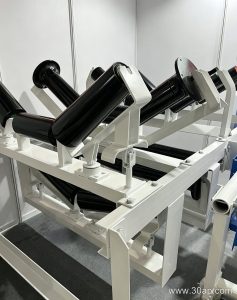
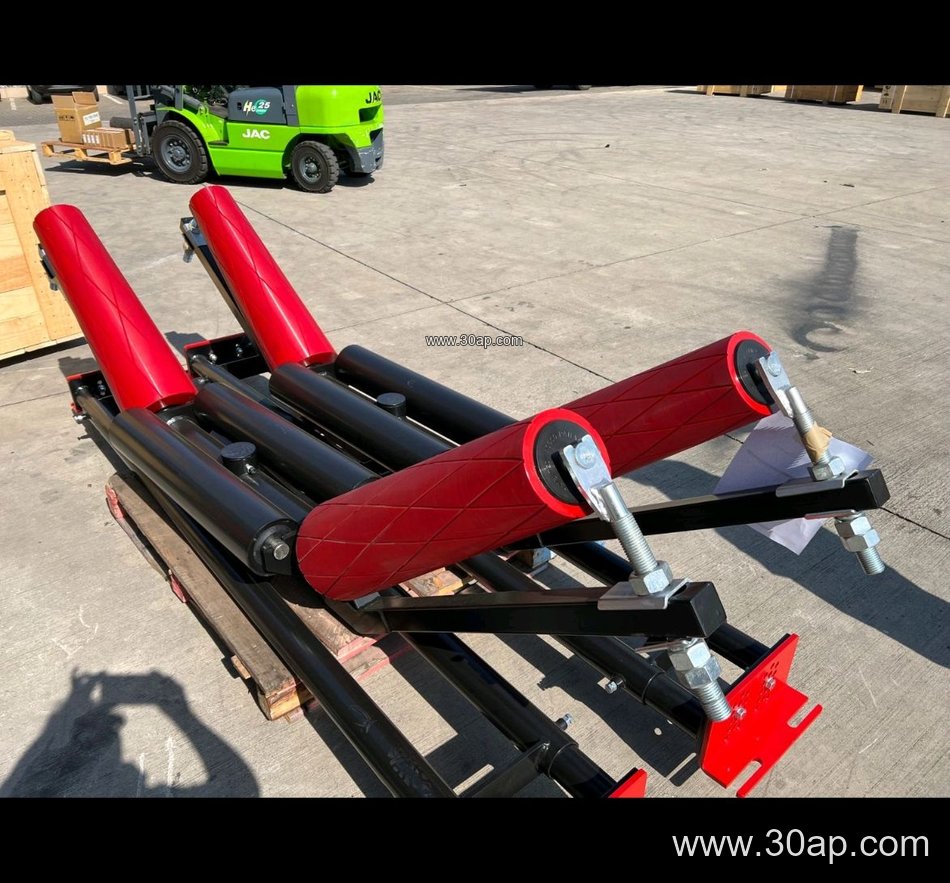
A typical system has three parts. Detection comes from edge-sensing rollers, inductive or optical sensors, or mechanical feelers. The actuator may be an electric linear drive, a hydraulic cylinder or a passive linkage. The correcting element is usually a set of steering rollers mounted on a pivoting frame, called a conveyor bracket in many plant drawings.
Passive designs rely on the belt itself to push the sensing roller and swing the frame. Active designs read the deviation and command a controlled movement, which is useful where the belt is wide, the load is heavy or the conveyor is reversible. The choice depends on belt speed, tonnage and how much space exists around the conveyor pulley and frame. A control system should be distinguished from an alarm-only device that simply warns of misalignment.
Where These Systems Are Installed
Mining plants, coal preparation facilities, cement lines, power station coal yards and quarry aggregate circuits all run long conveyors where a small drift becomes a large problem. The same applies to steel plants, port terminals, crushing and screening plants and tunnel spoil removal.
Installation points matter. The carrying side and the return side behave differently, and a unit near the tail pulley sees different forces from one near the head. On a troughed conveyor, a steering idler roller set must match the trough angle and frame width. On the return strand, a flat roller arrangement is common. Reversible conveyors need units that can correct in both directions.
Matching the Device to the Belt and the Duty
Buyers should collect details before selecting a model. Belt width is only the start. The table below shows the kind of reference data that may appear in product literature; actual supply should always be confirmed against the project drawing.
| Reference item | Example values | Why it matters |
|---|---|---|
| Belt width | 600 mm, 800 mm, 1000 mm, 1200 mm, 1600 mm, 2000 mm | Determines frame span and roller length |
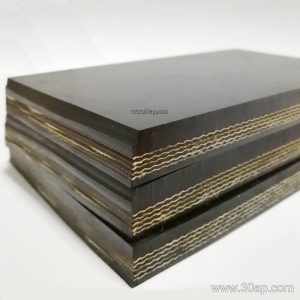
| Belt construction | EP Conveyor Belt, Steel Cord Conveyor Belt, Multi-Ply Fabric Core Conveyor Belt | Affects stiffness and tracking behavior |
| Position | Carrying side or return side | Changes the roller form and mounting |
| Duty | Coal Mining Conveyor Belt, Quarry Conveyor Belt, Cement Conveyor Belt | Influences dust, impact and wear protection |
Note that a 1200mm Wide Conveyor Belt does not automatically dictate one roller diameter or shaft size. Those values come from the conveyor design, load and frame, not from width alone. The same caution applies to a Flame Retardant Conveyor Belt used underground, where local rules may add requirements beyond the tracking device itself.
Commissioning and Daily Checks
After installation, verify that the belt is centered on the head and tail pulleys first. A tracking device cannot compensate for a skewed pulley or an off-center load. Check that the conveyor bracket is square to the frame, that the sensing rollers move freely and that no material has packed around the pivots.
During operation, watch for repeated correction in one direction. That pattern often points to a structural issue, such as a misaligned idler roller, a damaged belt splice or uneven loading at the transfer point. Maintenance should include cleaning, checking roller rotation and confirming actuator response. Always stop and lock out the conveyor before touching moving parts; observation during running should be from a safe distance.
Purchasing Notes
A useful inquiry includes belt width and speed, running direction, carrying or return position, conveyor length, material type, frame drawing and a description of the drift pattern. Buyers comparing suppliers can ask how the unit detects deviation, whether it corrects actively or passively, and how it is adjusted after installation. A well-chosen automatic conveyor belt position control system reduces edge damage and spillage, but it works best as part of a conveyor that is already aligned, tensioned and maintained.