What a Parallel Idler Does on a Belt Conveyor
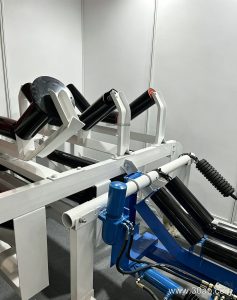
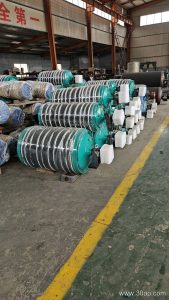
A parallel idler is a carrying roller whose shell runs level with the belt, supporting the loaded strand without forming a trough. It is also called a flat carrying idler or a straight idler, and it usually sits at the head end, at transfer points, or on lines where the belt must stay flat. On a quarry or aggregate conveyor, the same roller may appear as a return roller under the belt, where it is often described as a flat return idler. The distinction matters because a parallel idler and a troughing idler group are not interchangeable: one keeps the belt flat, the other shapes it into a trough.
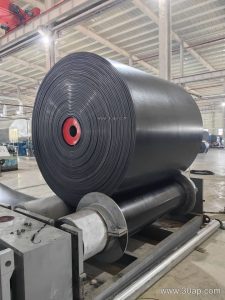
The roller works with the conveyor belt, the conveyor bracket, and the conveyor pulley. A drive pulley or tail pulley pulls the belt, but the idler carries the load. If the idler is undersized or badly aligned, belt tracking suffers even when the pulley is correct.
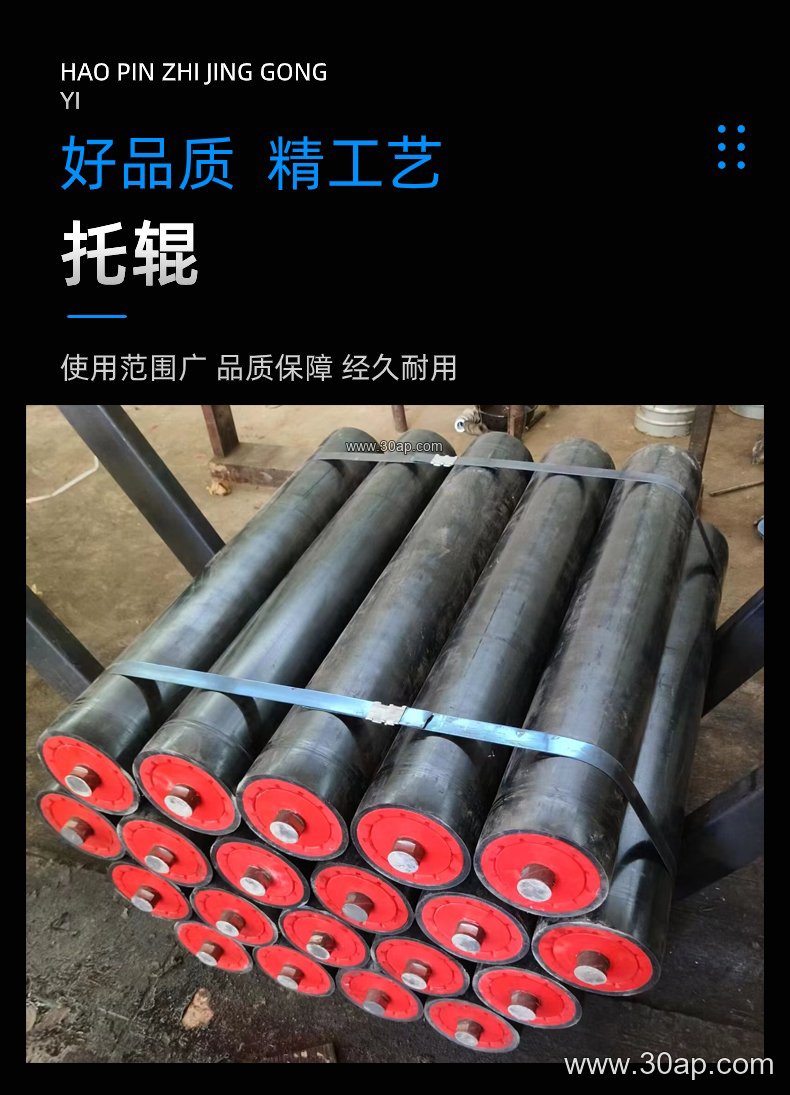
How the Roller Is Built
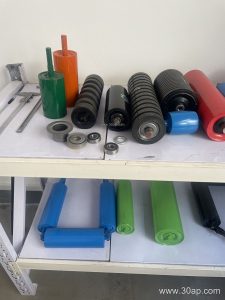
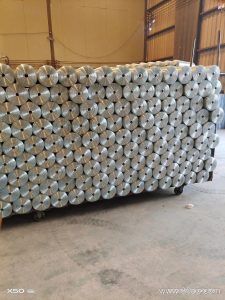
A typical parallel idler is a steel tube shell fitted over a shaft, with bearing housings pressed into each end. Seals keep dust and water away from the bearings, and the end caps protect the bearing cavity. Roller surfaces vary: plain steel for general bulk material, nylon for lighter duty, rubber rings for impact absorption, and ceramic lagging where abrasive fines are a problem.
Common bearing sizes include 6204, 6205, 6305, 6306, 6308, and 6310. A given roller diameter can use more than one bearing size depending on load rating, so buyers should confirm the shaft and bearing arrangement rather than assuming a match.
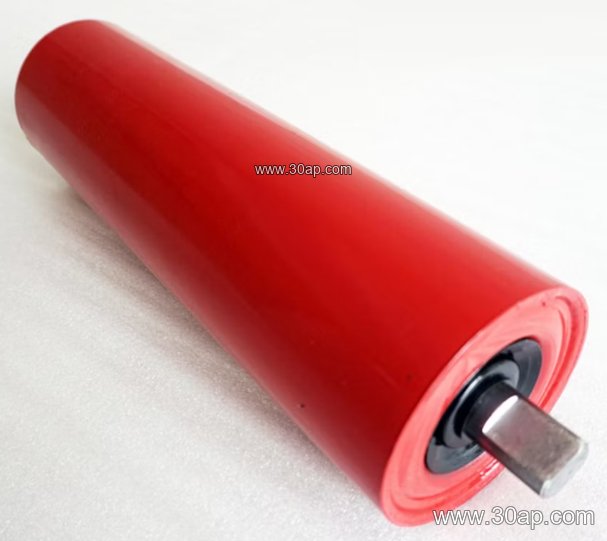
Common Roller Diameter Reference
| Roller Diameter | Typical Use |
|---|---|
| Ø63, Ø76, Ø89 | Light belts, small aggregate lines |
| Ø102, Ø108, Ø127, Ø133 | General bulk handling, medium widths |
| Ø159, Ø178, Ø194, Ø219 | Heavy loads, wide belts, crusher discharge |
These are common references, not fixed rules. The correct diameter depends on belt speed, load, and the belt width it supports.
Matching the Idler to Belt Width and Layout
Belt width drives roller length. On a flat carrying idler, the roller usually spans most of the belt width. Common belt widths run from B400 and B500 up to B2000 and B2400, and a parallel idler for a 1200mm wide conveyor belt will be longer than one for a 650mm belt. Roller length is set by the belt width, trough angle, and idler arrangement, so the same nominal diameter can appear in several lengths.
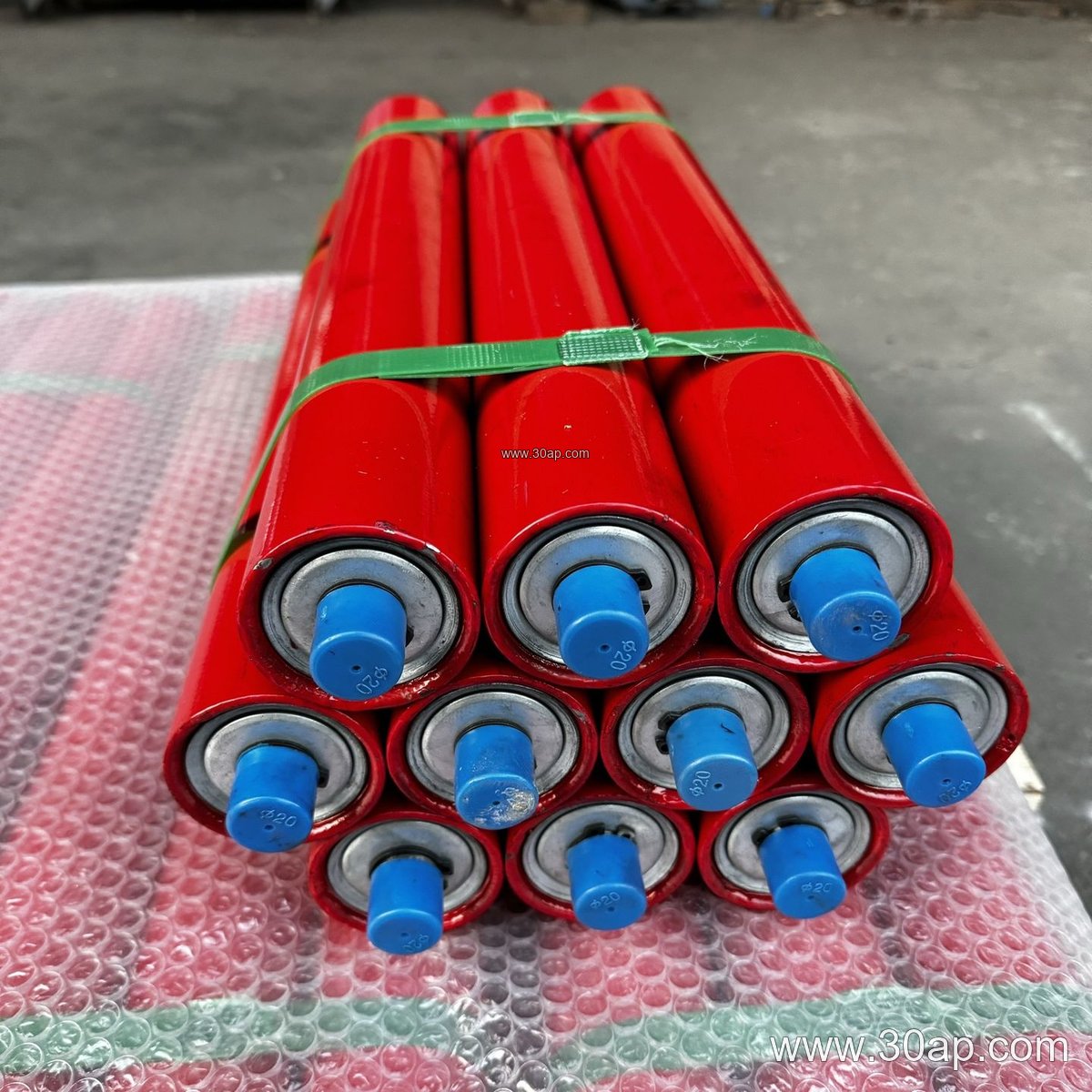
Where the belt transitions from flat to trough, a transition idler may be used instead of a standard parallel roller. This is a different subtype and should not be substituted without checking the belt path.
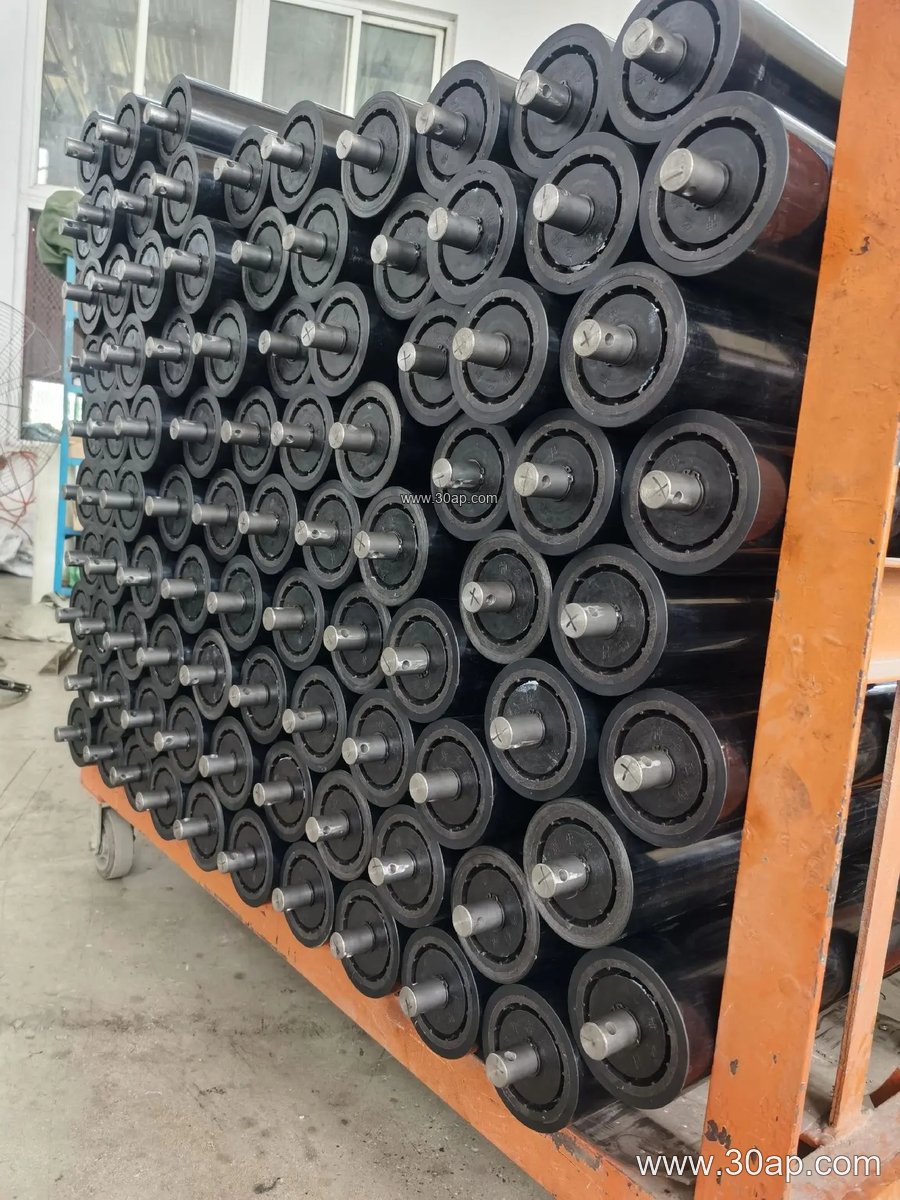
Where Parallel Idlers Fit in Real Plants
In a coal handling plant or power plant coal yard, parallel idlers often support the belt at the loading zone before it enters a troughing section. In a cement plant or limestone quarry, they carry clinker or crushed stone on flat sections and at weigh stations. Port terminals use them on ship loading lines where a stable, flat belt profile helps control material flow.
They also appear in sand and gravel plants, crushing and screening circuits, and tunnel spoil removal. In these settings, an abrasion resistant conveyor belt and a well-sealed idler work together to reduce downtime. A flame retardant conveyor belt may be required underground, and the idler specification should follow the same environment.
What Buyers Should Check Before Ordering
- Belt width and roller length, including any gap at the bracket.
- Roller diameter and shaft size, confirmed against load and speed.
- Bearing type and sealing level for dusty or wet conditions.
- Surface form: steel, nylon, rubber ring, or ceramic.
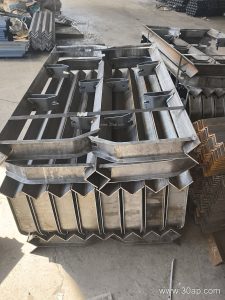
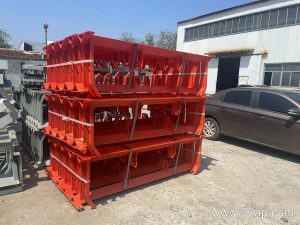
- Mounting details for the conveyor bracket and frame.
- Whether the position needs a flat carrying idler or a flat return idler.
For an existing line, measure the old roller and note the belt width before ordering. A parallel idler that is too short will not support the belt edge; one that is too long may rub the frame. Buyers working with a fabric core conveyor belt or a steel cord conveyor belt should also confirm that the roller spacing suits the belt’s stiffness and load.
Maintenance Notes
Check for seized bearings, worn shells, and material build-up. A roller that stops turning can wear a flat spot into the belt and damage the conveyor pulley lagging. Keep the frame clean, verify alignment with a string line, and replace seals or rollers when grease leakage or noise appears. On abrasive duty, such as iron ore or copper ore handling, inspect roller surfaces more often.