What an EP Rubber Conveyor Belt Is
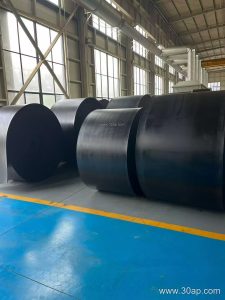
An EP Rubber Conveyor Belt is a fabric-core belt built around polyester-warp and polyamide-weft (EP) fabric plies, encapsulated in rubber covers. The polyester warp keeps longitudinal stretch low, while the polyamide weft adds flexibility and resistance to impact. That balance makes the EP Conveyor Belt a common choice wherever a conveyor must carry bulk material over long distances without excessive take-up travel.
It belongs to the wider family of fabric core conveyor belting. Buyers comparing options will often see NN Conveyor Belt alongside it, and the difference is straightforward: EP fabric generally offers lower elongation and better resistance to moisture-induced shrinkage, while NN belting is known for high impact absorption. Neither replaces the other in every duty; the choice follows the conveyor design and the material being handled.
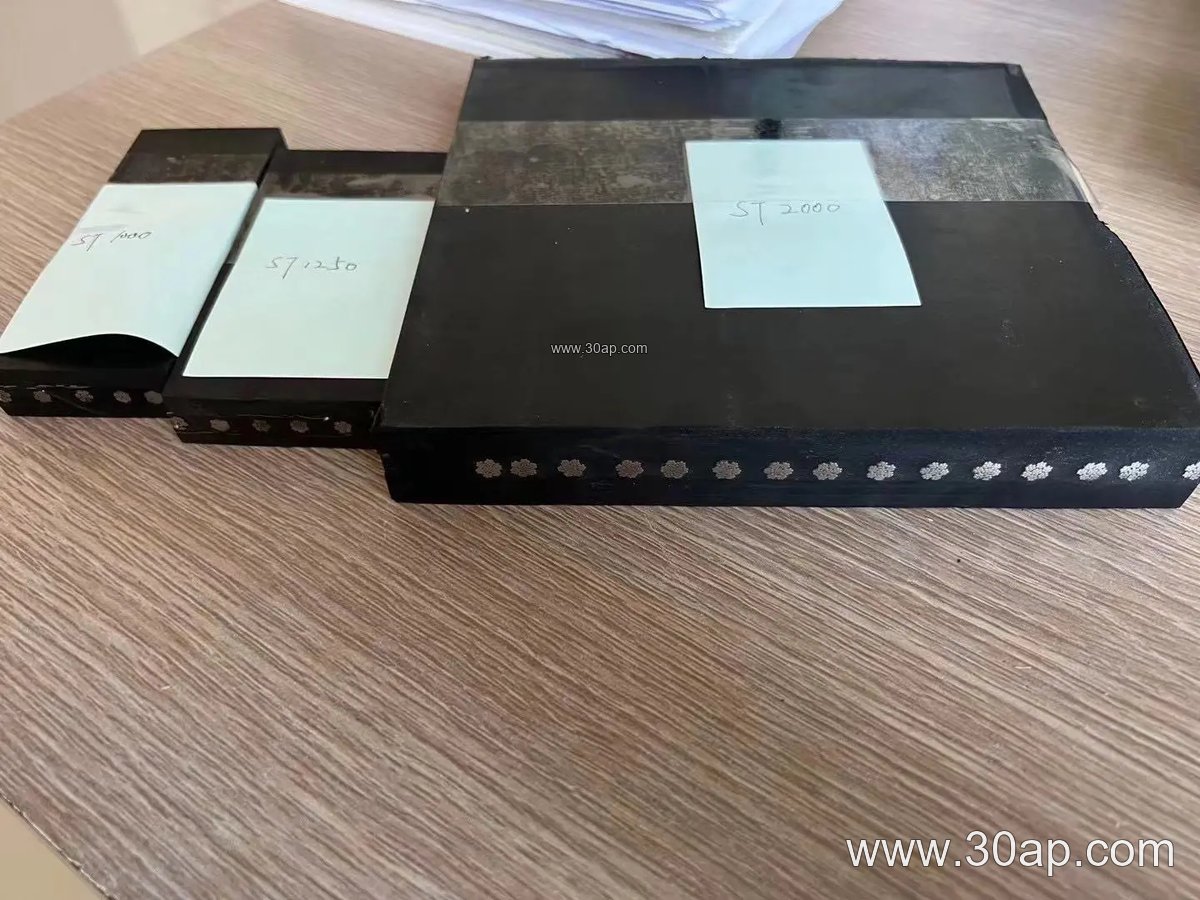
How the Belt Is Built
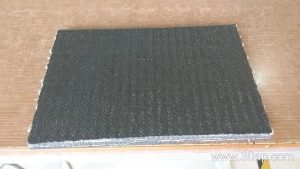
Construction starts with two to six EP fabric plies, bonded with rubber skim compound. Top and bottom covers are then applied and vulcanized. Cover thickness is usually expressed as a pair, for example 4+2 mm or 6+2 mm, where the first figure is the carrying cover and the second is the pulley side. Common cover grades include abrasion resistant, heat resistant, oil resistant, flame retardant and anti-static compounds, depending on the site.
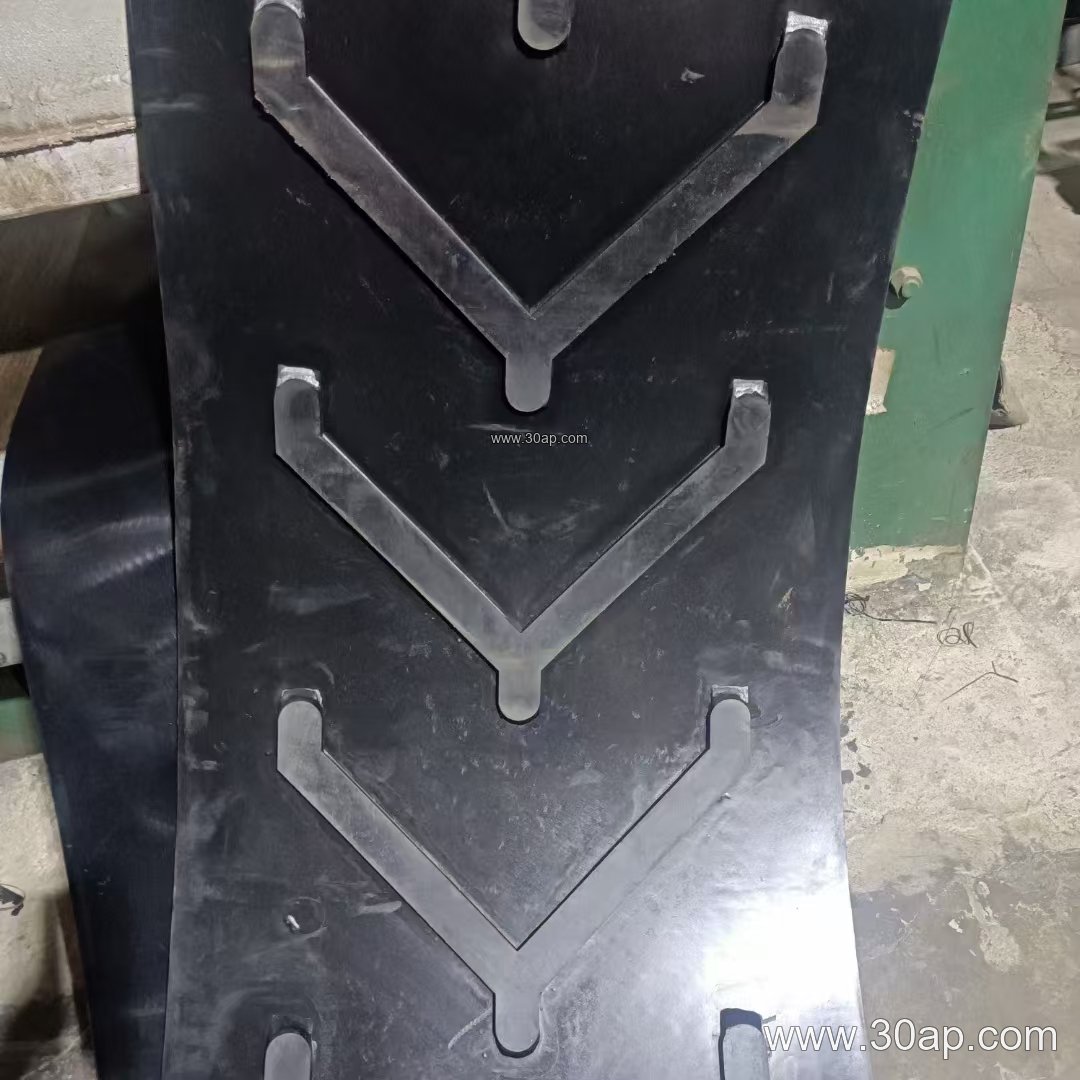
Typical strength designations
EP belting is often specified by tensile strength per millimetre of width. Reference grades range from EP200 through EP315, EP400, EP500, EP630, EP800, EP1000, EP1250, EP1600 and up to EP2000. These are reference values, not a fixed catalogue; the required grade depends on the calculated belt tension, the load, the incline and the drive arrangement. A 1200mm wide belt may be supplied in several strength grades, and belt width alone never fixes the pulley diameter or shaft size.
| Parameter | Common reference range |
|---|---|
| Strength grade | EP200, EP315, EP400, EP500, EP630, EP800, EP1000, EP1250, EP1600, EP2000 |
| Belt width | B500, B650, B800, B1000, B1200, B1400, B1600, B1800, B2000 |
| Cover thickness | 3+1.5, 4+2, 5+2, 6+2, 8+3 mm |
| Fabric plies | Usually 2 to 6 |
Where It Fits on Site
In a quarry, stone crushing line or sand making plant, an EP Rubber Conveyor Belt links the crusher discharge to the screening deck, with an idler roller train supporting the carrying run and a conveyor pulley at the head and tail. In a cement plant it moves clinker, limestone and additives; in a power plant it handles coal; in a port it works on ship loading and bulk material transfer lines. The same belt type appears in iron ore, copper ore and gold mining circuits, where a heavy-duty mining conveyor belt must resist cutting and abrasion.
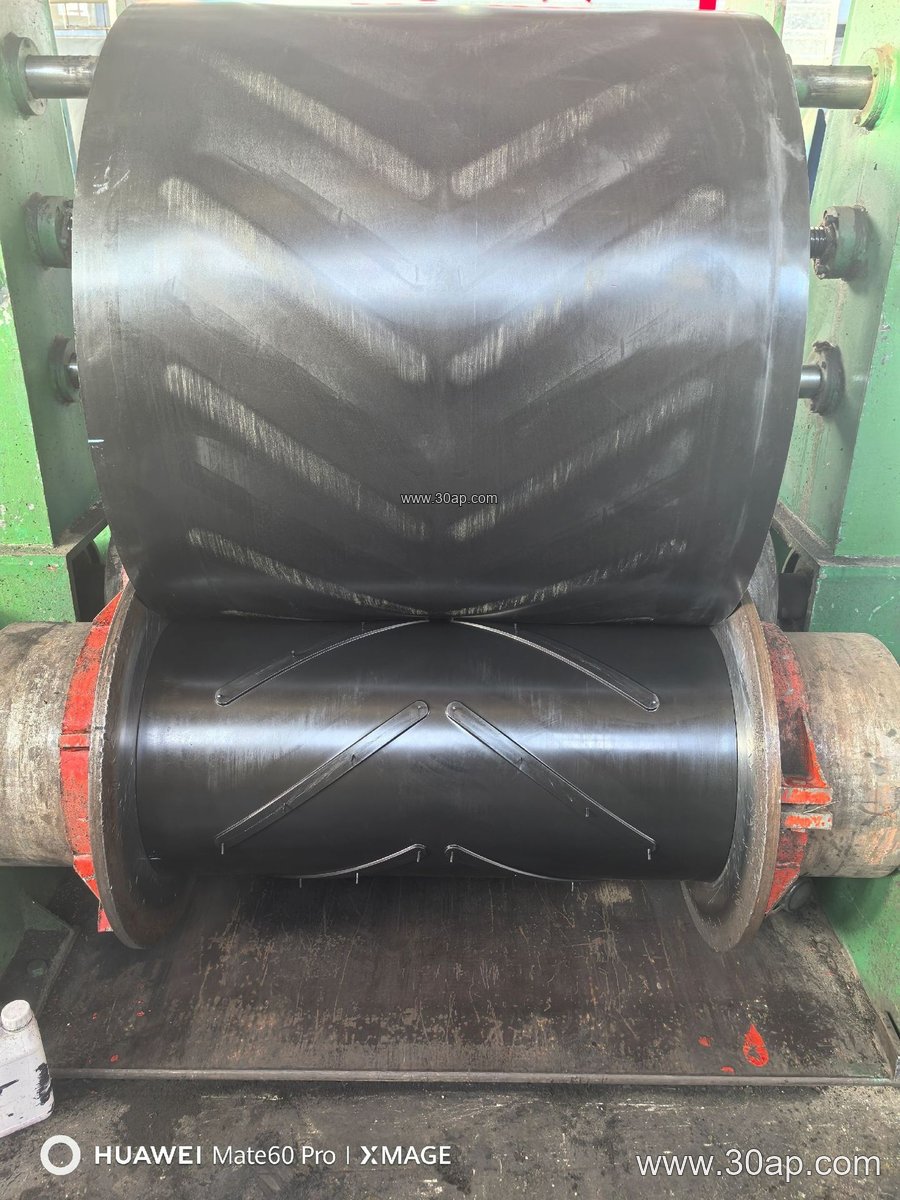
For underground coal mining, flame retardant and anti-static properties are usually required, and PVG or PVC belting may be preferred for certain fire-sensitive duties. Where the route climbs steeply, a Chevron Conveyor Belt or a corrugated sidewall belt may be considered instead, but those are different belt types serving different problems. For very high tension and long single flights, a steel cord conveyor belt is the usual alternative to a multi-ply fabric core belt.
Selection Points for Buyers
- Confirm the calculated maximum belt tension and select the EP grade accordingly, rather than choosing by width alone.
- Match the cover compound to the duty: abrasion resistant for rock and aggregate, heat resistant for clinker, oil resistant for oily scrap, cold resistant for freezing climates.
- Check the pulley diameters with the belt manufacturer, since each construction has a minimum recommended pulley size.
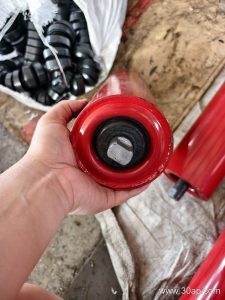
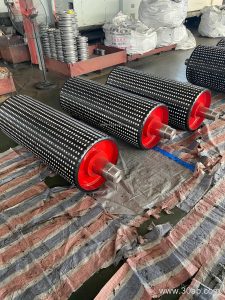
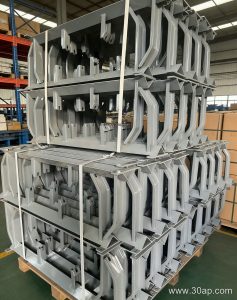
- Review the conveyor pulley, idler roller, conveyor bracket and take-up layout together with the belt, because belt performance depends on the whole conveyor.
- For steep inclines or material spillage, discuss whether a Chevron Conveyor Belt or skirted belt would suit better than a flat EP belt.
Installation and Maintenance Notes
Store belts in a dry, shaded place and avoid sharp folds. During installation, keep the belt square to the conveyor pulley so it trains correctly, and check that all idler rollers turn freely. Track alignment at low speed before loading. In service, watch the belt edges for wear, inspect splices and check cover thickness periodically. A well-matched abrasion resistant conveyor belt on a properly aligned conveyor typically gives longer service than a higher grade belt running on misaligned pulleys.
For general industrial conveying, an EP conveyor belt remains a practical, widely available solution. Buyers who share their duty, tonnage, incline and pulley details with the supplier usually get a more accurate recommendation than those who order by width and strength grade alone.