What the Tail Pulley Does at the Return End
The belt conveyor tail pulley sits at the opposite end of the drive, where the conveyor belt completes its return loop and begins the carrying run again. Unlike the drive pulley that transmits power, this pulley is typically a non-driven roller that guides the belt, maintains alignment, and often works together with a tensioning device to keep proper belt slack. In a quarry conveyor or a coal mining conveyor, the tail pulley is the quiet workhorse that ensures the belt tracks correctly before material is loaded. Its design must handle the constant flexing of the belt and the ingress of dust, fines, and moisture common in aggregate and mining environments.
Construction and Key Components
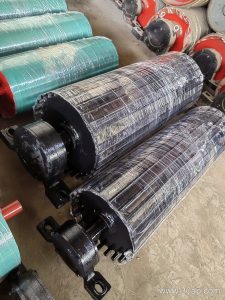
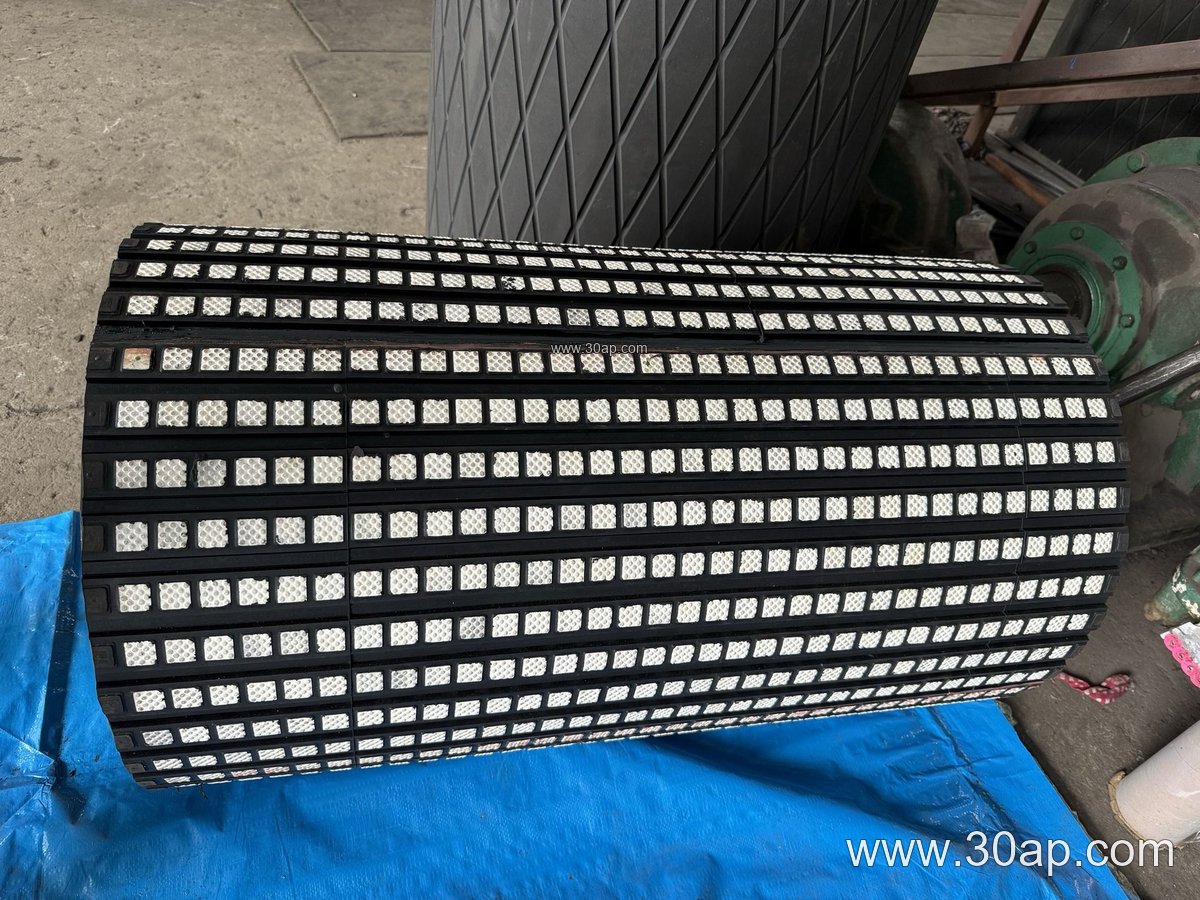
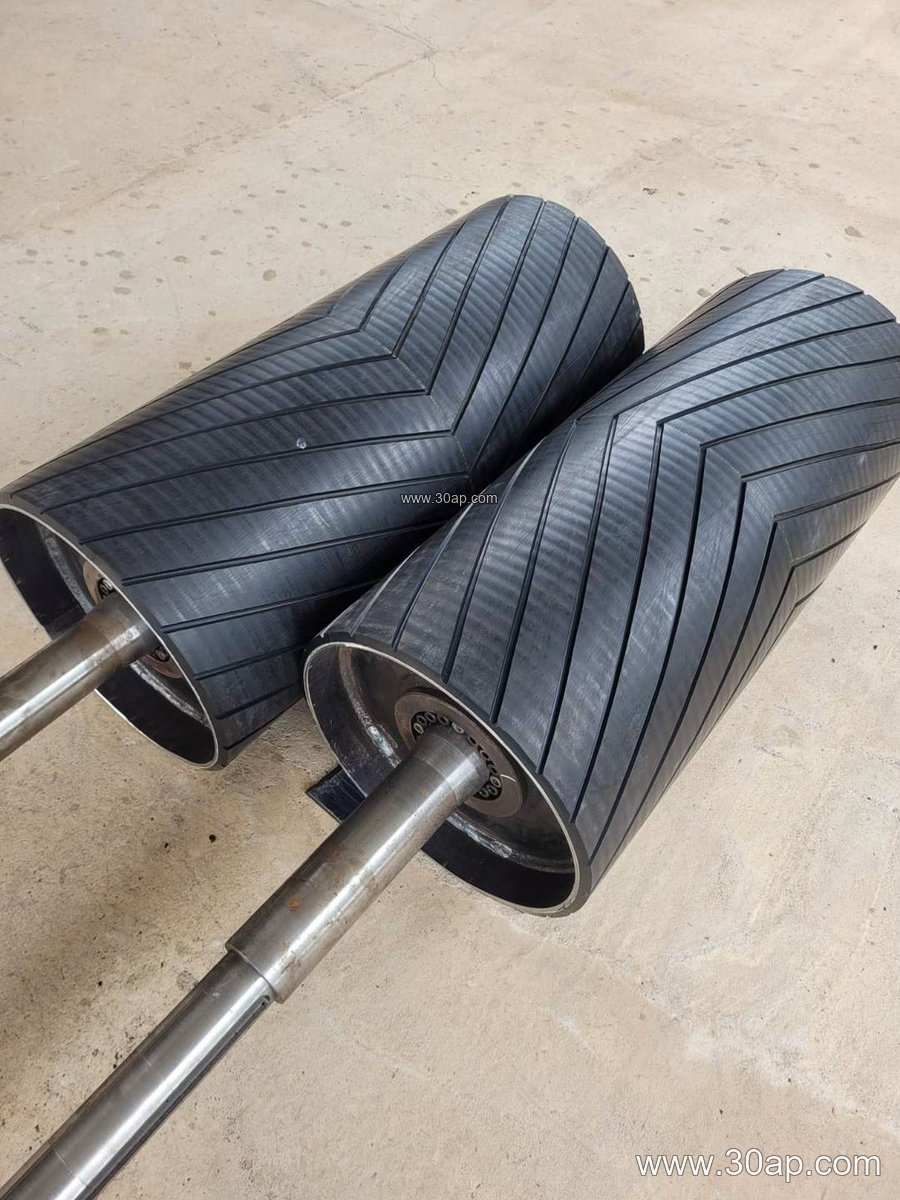
A typical belt conveyor tail pulley is built around a sturdy steel drum with a shaft extending through the bearing housings. The drum shell is usually machined or rolled from steel plate, and the end discs are welded to the shell and hub. The shaft is sized according to the torque and radial loads, not simply by belt width. Common shaft diameters include Ø50, Ø60, Ø70, Ø80, Ø90, Ø100, Ø120, Ø140, Ø160, Ø180, and Ø200 mm, but the final choice depends on the conveyor design and load profile. Bearings are mounted in pillow blocks or flanged housings that bolt to the conveyor bracket or tensioning frame. Surface options for the tail pulley are often plain (smooth) or lagged with rubber or ceramic to improve traction and shed material. Lagging thickness commonly ranges from 8 mm to 20 mm, with 10 mm or 12 mm frequently seen in bulk material handling. The pulley face width is normally wider than the belt to allow for mistracking; for example, a B800 belt might use a pulley face around 950 mm, while a B1200 belt may use about 1400 mm. These are typical references, not fixed rules, and each conveyor project should confirm dimensions against the actual belt and load requirements.
Where It Fits in the Conveyor System
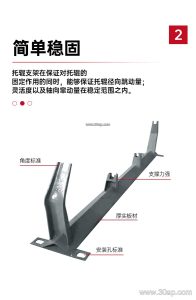
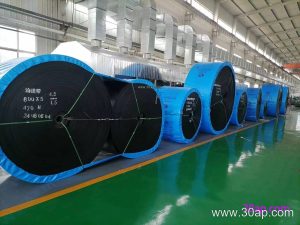
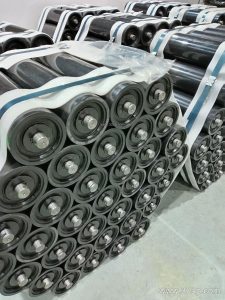
This tail pulley is found in a wide range of industries, from sand and gravel plants to cement works and power stations. In a stone crushing line, it helps keep the belt centered as material drops from the crusher. In a coal handling system, it may be part of a tensioning arrangement that compensates for belt stretch. In a port bulk terminal, a heavy-duty tail pulley with robust lagging can resist the constant impact of loading. The pulley works in concert with the conveyor belt, idler rollers, and conveyor brackets to form a reliable loop. Proper alignment between the tail pulley and the head pulley is critical to prevent belt edge damage and material spillage.
Specification Considerations for Buyers
When selecting a belt conveyor tail pulley, the buyer should match the pulley diameter to the belt thickness and the required wrap angle. Standard diameters include Ø200, Ø250, Ø315, Ø400, Ø500, Ø630, Ø800, Ø1000, and larger sizes up to Ø1800 mm for high-capacity systems. The belt width also influences the pulley face width, as noted earlier. A common combination might be B800 × Ø500 or B1200 × Ø1000, but these are examples only. The surface form is another decision: plain face for general use, rubber lagging for improved grip and wear resistance, or ceramic lagging for high-abrasion applications. The pulley should be balanced for the belt speed, and the bearing type should suit the environment—sealed bearings for dusty conditions, for instance. It is also important to specify the shaft diameter based on the actual torque, not on a rule of thumb tied to belt width. The conveyor bracket or tensioning frame interface must be confirmed to ensure a proper fit.
Maintenance and Long-Term Reliability
Regular inspection of the tail pulley helps avoid unplanned downtime. Check for lagging wear, build-up of material on the drum, and bearing condition. In a cement plant or a power plant, fugitive dust can penetrate bearing seals, so periodic greasing and seal checks are advisable. If the lagging becomes worn or glazed, re-lagging can restore friction. Also verify that the pulley remains square to the conveyor centerline; misalignment can cause the belt to run off and damage the edges. Keeping the tail pulley in good condition supports the performance of the entire conveyor, from the conveyor belt to the idler roller and the supporting structure. For more information on compatible components such as conveyor pulleys, conveyor brackets, and conveyor belts, please visit our site at www.beltconveyorpulley.com. Our range includes rubber conveyor belt, EP conveyor belt, and steel cord conveyor belt options for mining and industrial applications.