What an Impact Idler Bracket Does
An impact idler bracket is the structural component that holds the impact idlers in place at the loading point of a conveyor system. Unlike standard carrying idler brackets, this bracket is engineered to absorb the energy of falling material and protect the belt from damage. In hard-rock mining, quarrying, and aggregate crushing operations, the impact zone is where large lumps of ore or stone first hit the belt. A well-designed impact idler bracket keeps the idler rollers aligned and stable under repeated shock loads, extending the service life of the conveyor belt and reducing downtime.
This bracket is often referred to as a shock-absorbing idler bracket or impact roller support bracket. It is not the same as a troughing idler bracket, which supports regular carrying idlers along the conveyor span. The impact bracket is typically mounted directly under the chute or transfer point, where material free-falls onto the belt.
Construction and Materials
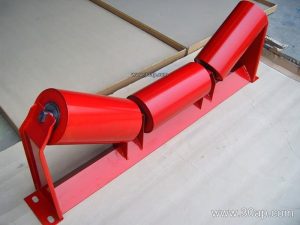
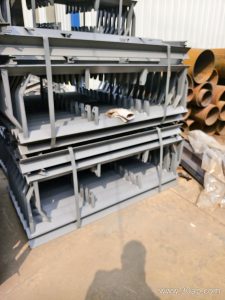
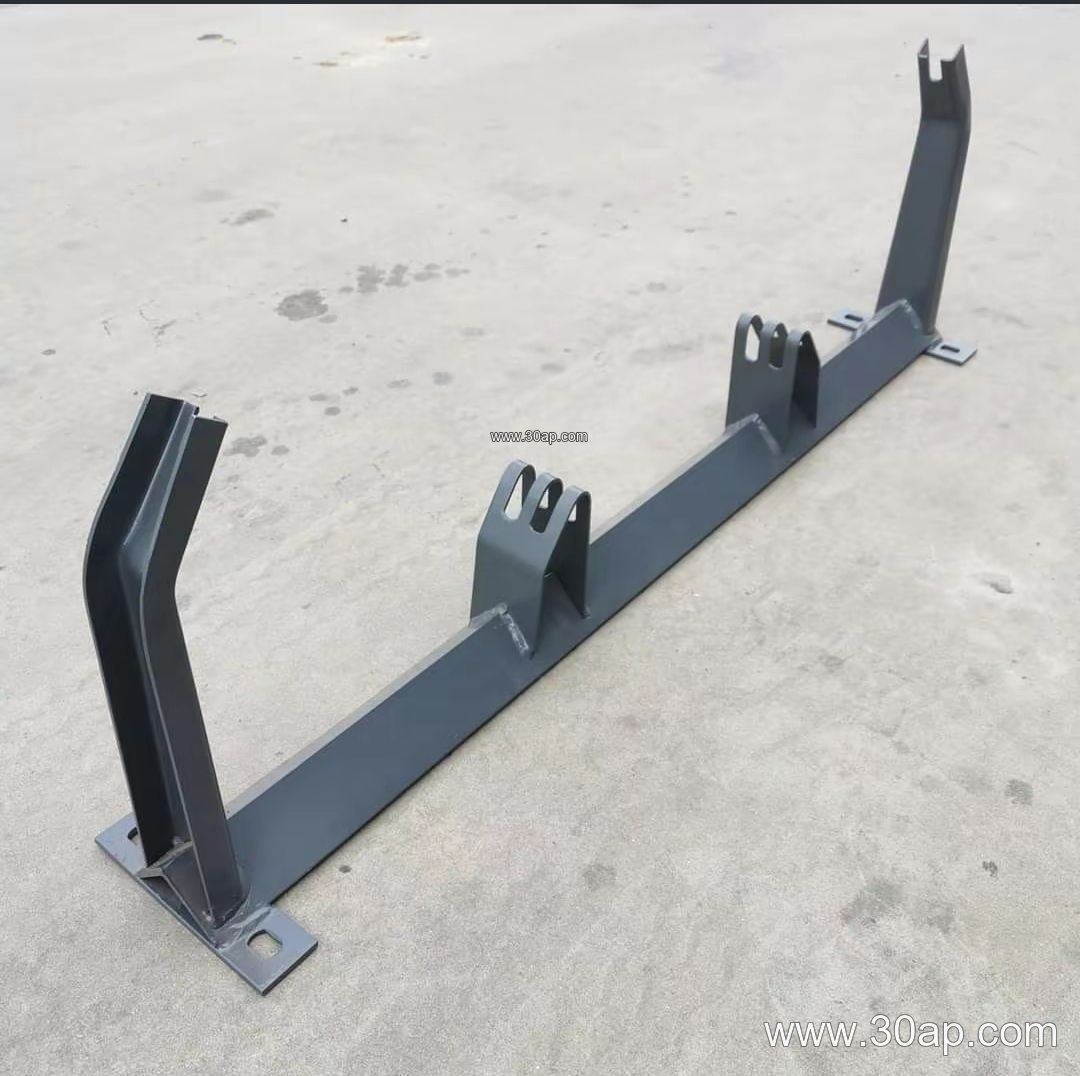
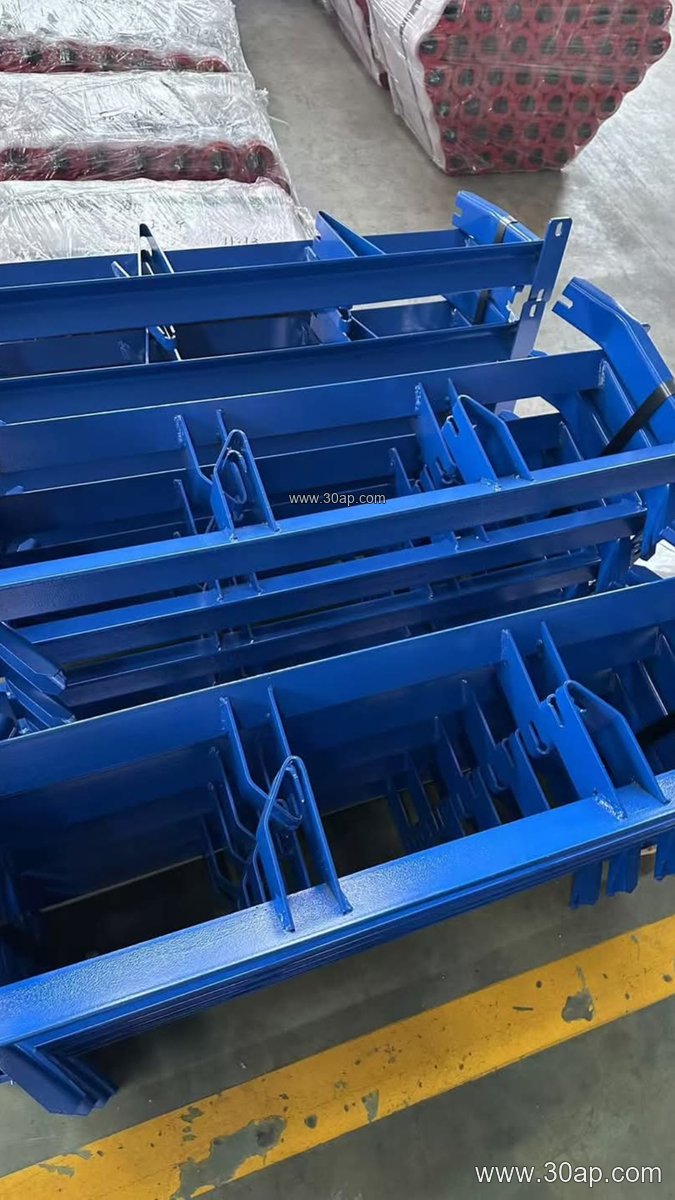
The impact idler bracket is usually fabricated from angle steel, channel steel, or bent steel plate. These materials provide the rigidity needed to resist bending and vibration. Many designs incorporate rubber or spring cushions between the bracket and the idler roller to dampen impact energy. The bracket may be fixed or adjustable, depending on the conveyor design and the need to fine-tune the trough angle.
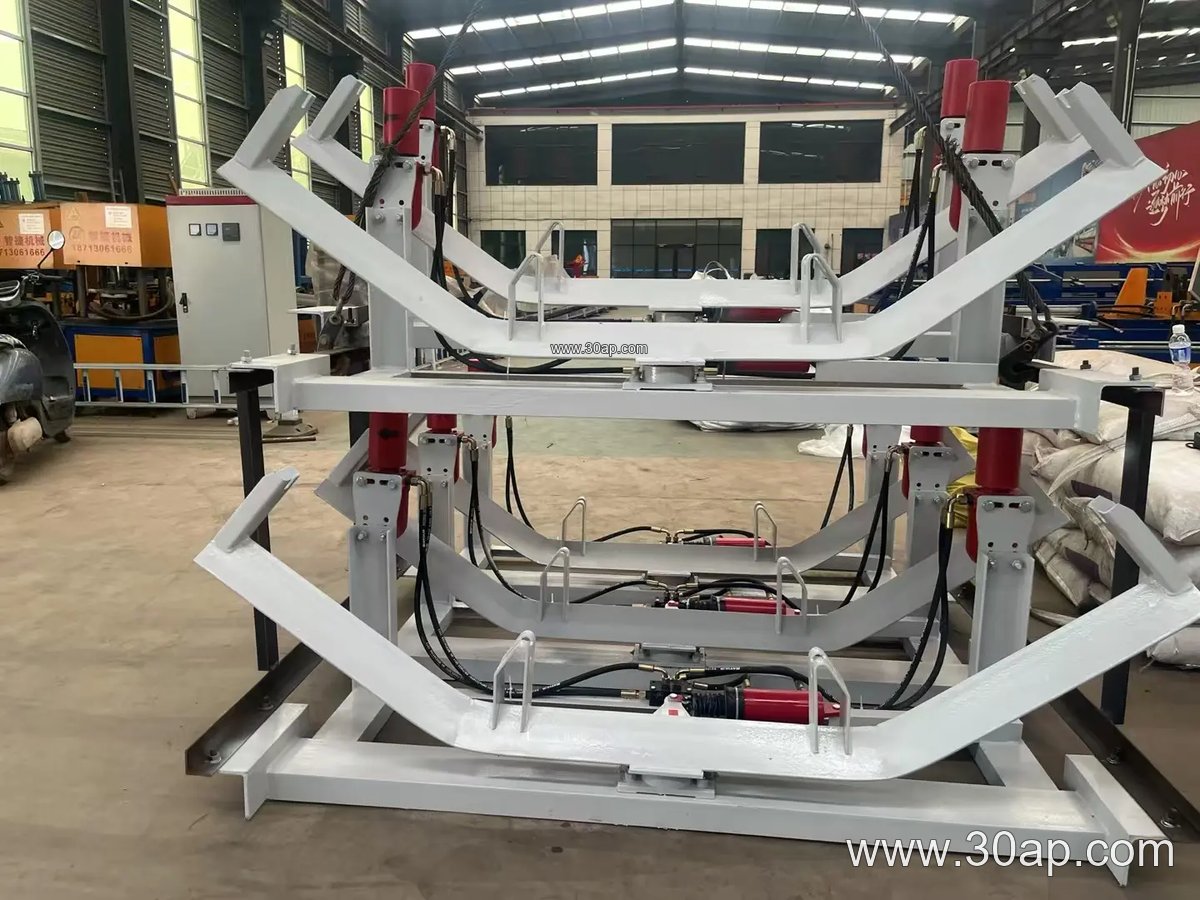
Typical configurations include:
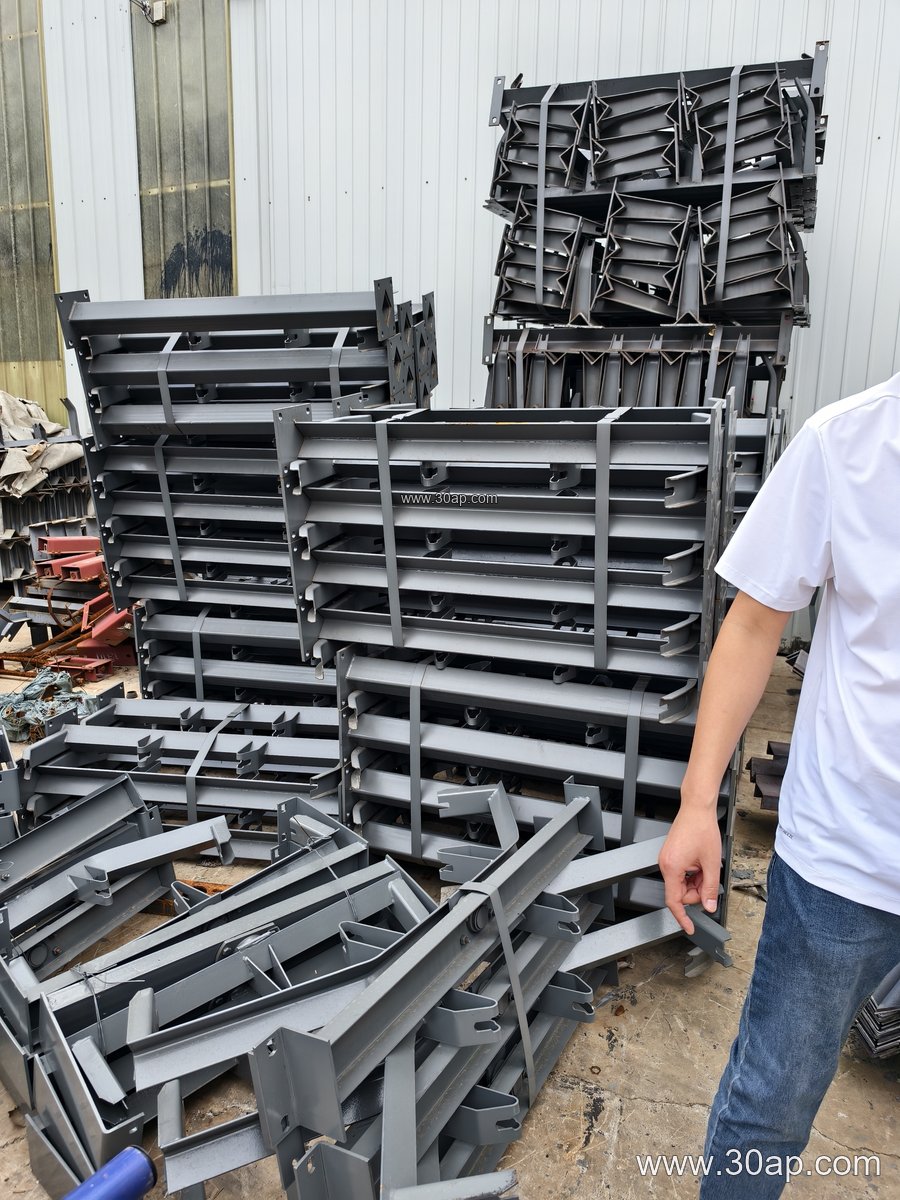
- Fixed impact bracket with welded crossbeam
- Adjustable impact bracket with slotted holes for trough angle adjustment
- Bracket with rubber shock pads for high-impact zones
For high-abrasion environments such as iron ore or copper ore handling, the bracket surface may be treated or coated to resist corrosion and wear. However, the bracket itself is not a wear part like the belt or idler; its main role is structural support and shock absorption.
Where It Is Used
The impact idler bracket is essential in industries where conveyor belts receive heavy, lumpy material. Common applications include:
- Mining and mineral processing plants
- Quarries and stone crushing lines
- Cement plants and clinker handling
- Coal mining and coal preparation plants
- Power plant coal feeding systems
- Port bulk terminals and ship loading
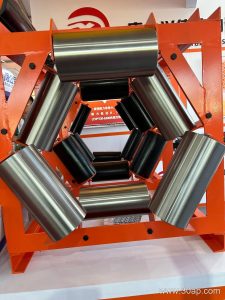
In these settings, the bracket works together with impact idlers and the conveyor belt to create a stable loading zone. It is often used alongside a heavy-duty conveyor belt, such as an abrasion resistant conveyor belt or a flame retardant conveyor belt in underground coal mining. The bracket must match the belt width and idler diameter to ensure proper support.
Key Selection Factors
When choosing an impact idler bracket, buyers should consider the belt width, trough angle, idler diameter, and the material’s lump size and fall height. The bracket must be compatible with the conveyor’s frame and the idler roller’s shaft. Common belt widths range from B500 to B2000, and trough angles of 20, 30, 35, and 45 degrees are typical. Idler diameters such as Ø89, Ø108, Ø133, Ø159, and Ø194 are frequently used. The table below shows some example combinations, but these are not fixed rules; actual selection depends on the conveyor design.
| Belt Width | Common Trough Angle | Typical Idler Diameter |
|---|---|---|
| B650 | 30° | Ø89 |
| B800 | 35° | Ø108 |
| B1000 | 35° | Ø133 |
| B1200 | 45° | Ø133 |
| B1400 | 45° | Ø159 |
Adjustable brackets allow the trough angle to be changed within a range, which is useful when the material characteristics vary. Fixed brackets are simpler and often more economical for stable operating conditions. The bracket’s mounting hole spacing and crossbeam length are determined by the belt width and trough angle, so they should be confirmed with the conveyor frame dimensions.
Installation and Maintenance Tips
Proper installation is critical for the impact idler bracket to perform its function. The bracket should be aligned squarely with the conveyor centerline and securely bolted to the frame. Impact idlers should be positioned so that the belt is supported immediately under the material drop point. Check the rubber cushions or springs regularly for wear or deformation. Replace any bracket that shows signs of cracking or bending, as this can lead to idler misalignment and belt damage.
In dusty or wet conditions, such as in coal mining or cement plants, keep the bracket area clean to prevent material buildup that could affect idler rotation. Lubricate moving parts if applicable, and inspect the bracket during routine conveyor maintenance. For high-impact applications, consider using a bracket with reinforced construction or additional shock absorption.
Buyer Checklist
- Confirm belt width and trough angle required for your conveyor.
- Match the bracket to the idler diameter and shaft size.
- Decide between fixed and adjustable designs based on operational flexibility.
- Check material construction for corrosion resistance if needed.
- Verify mounting dimensions with your conveyor frame.
- Ensure compatibility with the conveyor belt type, such as EP conveyor belt or steel cord conveyor belt.
For more information on conveyor components, visit our website at www.example.com/conveyor-bracket or www.example.com/idler-roller. Our range includes impact idler brackets, troughing brackets, and return brackets to suit various belt widths and idler sizes.