What Makes a Ceramic Lagged Pulley Different
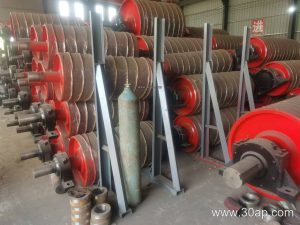
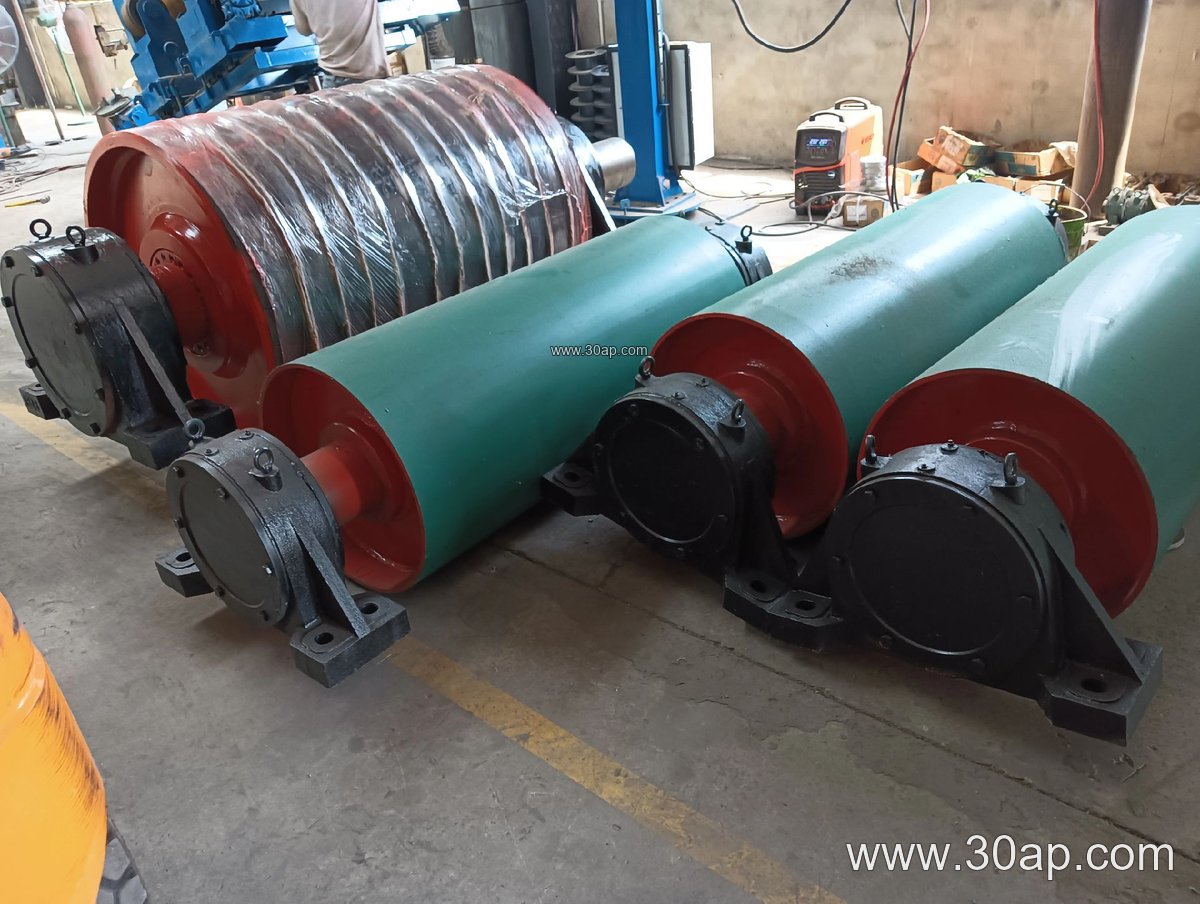
A wear-resistant ceramic lagged pulley is a conveyor pulley whose shell is covered with ceramic tiles set in a rubber or epoxy matrix. This ceramic lagging is the contact surface between the pulley and the conveyor belt. In abrasive service—such as a quarry, a limestone mine, or a cement plant’s clinker line—standard rubber lagging can wear quickly, leading to belt slip and tracking problems. The ceramic tiles provide a hard, long-wearing surface that maintains grip even when the pulley is exposed to sharp, gritty material.
Construction Details
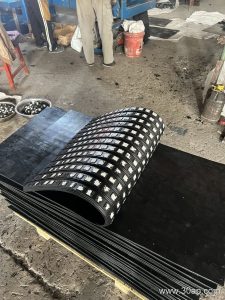
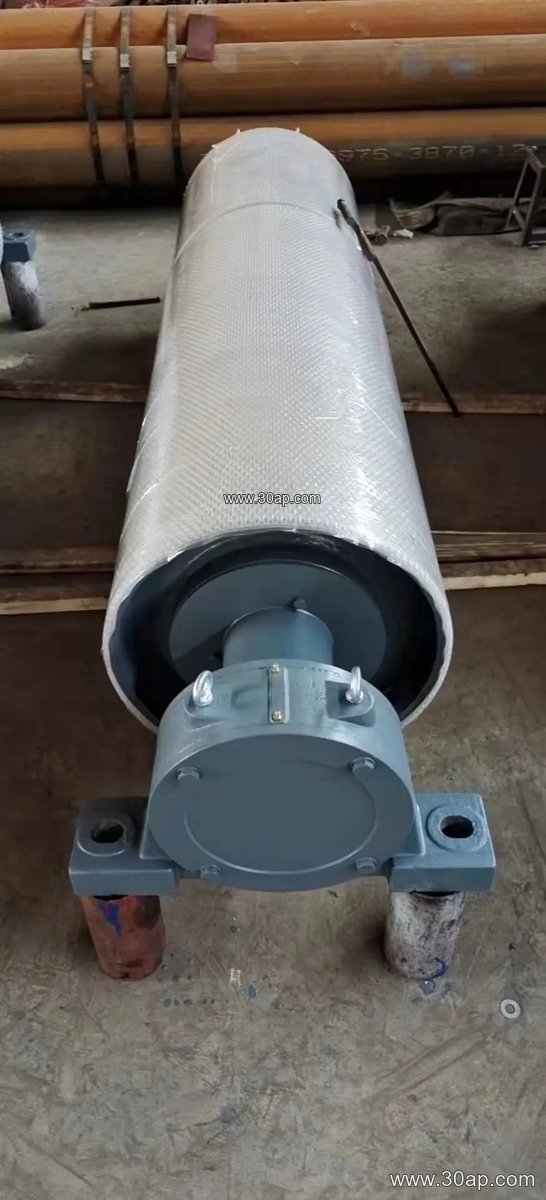
The pulley body is typically a welded steel drum with end discs and a shaft. The lagging consists of small ceramic tiles, often with raised dimples or a patterned surface, bonded to the drum. The bonding layer may be rubber or a polymer compound. Common lagging thicknesses are 8, 10, 12, 15, and 20 mm, with the ceramic tiles embedded to leave part of their surface exposed. The tile pattern and density can be adjusted for different grip requirements. The pulley face width is usually wider than the belt; for example, a B800 belt often runs on a pulley with roughly 950 mm face width, while a B1200 belt may use a 1400 mm face. These are typical proportions, not fixed rules.
Where It Fits in the Conveyor
Ceramic lagged pulleys are most often found at drive positions where high torque and abrasive conditions combine. In a copper ore or iron ore operation, the drive pulley must transmit power without slipping, and the ceramic surface helps maintain friction. They are also used on bend pulleys in dusty, gritty environments where rubber lagging would quickly polish or wear smooth. Tail pulleys may use ceramic lagging when the belt carries coarse, sharp material that spills onto the return side. However, drive, tail, and bend pulleys serve different functions and are not interchangeable; the ceramic option should be selected for the specific location based on load and abrasion level.
Key Selection Factors
When choosing a wear-resistant ceramic lagged pulley, several parameters matter:
- Belt width and pulley diameter: Common combinations include B800 × Ø500, B1200 × Ø1000, and B1400 × Ø800. Larger diameters reduce belt bending stress and are often used with high-tension belts such as steel cord conveyor belt or heavy-duty EP conveyor belt.
- Shaft diameter: Determined by torque and load, not by belt width alone. Typical shaft sizes range from Ø50 to Ø200 mm.
- Lagging thickness: 10–15 mm is common for abrasive service; thicker lagging may be used where impact is also a concern.
- Ceramic tile pattern: Dimpled or grooved tiles can improve grip in wet or dusty conditions.
Buyers should also consider the conveyor belt type. An abrasion resistant conveyor belt paired with ceramic lagging can extend the service life of both components in a sand and gravel plant or a crushing circuit. For underground coal mining, flame retardant conveyor belt is typically required, and the pulley lagging should be compatible with the overall fire-safety approach.
Installation and Maintenance Notes
Proper alignment is critical. A ceramic lagged pulley that is not square to the belt can cause edge wear and tracking issues. Check that the pulley face is wide enough for the belt and that the belt is not overhanging. Inspect the ceramic tiles periodically for cracks or missing pieces; small damaged areas can sometimes be repaired, but large sections may require re-lagging. Keep the pulley clean—buildup of sticky material can reduce the effectiveness of the ceramic grip. In a power plant coal handling system or a port bulk terminal, regular inspection helps avoid unexpected downtime.
Typical Applications
You will find wear-resistant ceramic lagged pulleys in primary crushing stations, where run-of-mine material is abrasive and heavy. They are also used in sinter plants, where hot and abrasive fines can degrade rubber quickly. In a concrete mixing plant, ceramic lagging on the drive pulley helps maintain tension on the aggregate conveyor belt. For a quarry conveyor belt carrying sharp rock, the combination of a ceramic lagged drive pulley and an abrasion resistant conveyor belt is a practical way to reduce slip and extend maintenance intervals.
For more information on conveyor pulleys, idler rollers, and conveyor brackets, or to discuss your specific belt width and load requirements, please contact our engineering team.