Why the Conveyor Bracket Demands Your Attention
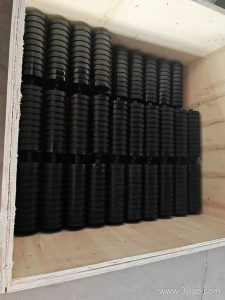
The conveyor bracket is the unsung hero of any belt or roller system. It securely mounts idlers, returns, and drive components to the frame, absorbing vibration and maintaining alignment. A poorly chosen bracket leads to belt mistracking, premature wear, and costly downtime.
Key Selection Criteria
- Load rating: Match dynamic and static loads, not just belt weight.
- Material: Choose galvanized steel for corrosive environments or stainless for food-grade lines.
- Adjustability: Slotted or angled brackets allow fine-tuning of troughing angles.
Purchasing Advice
Always verify the bolt pattern against your existing frame. Request a sample bracket for fit testing before bulk ordering. Check for weld integrity and coating thickness (minimum 80 microns). For high-speed conveyors, opt for brackets with rubber-lined clamps to reduce noise and shock.
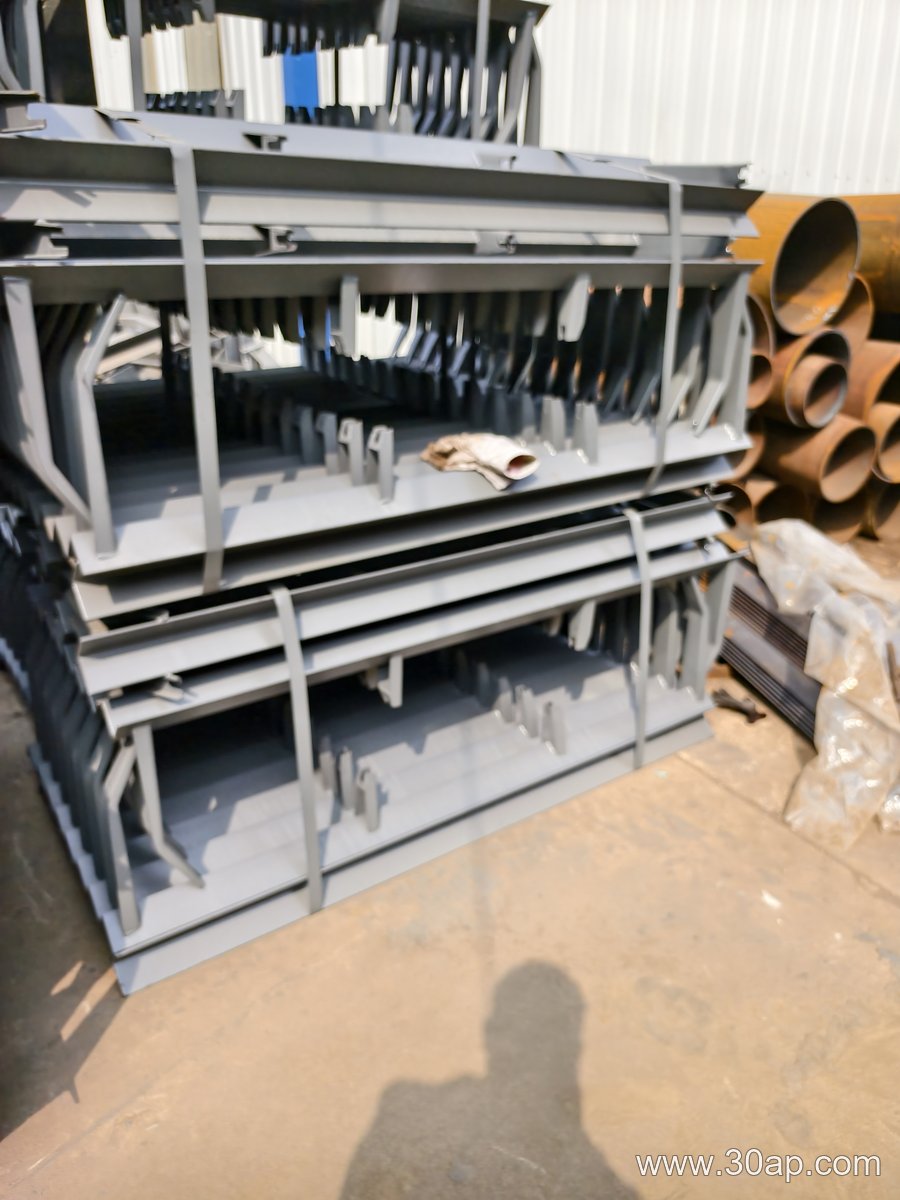
Invest in a spare set of brackets for critical transfer points—replacement cost is minor compared to emergency labor and production loss.
Conveyor Belt Fundamentals for Procurement Teams
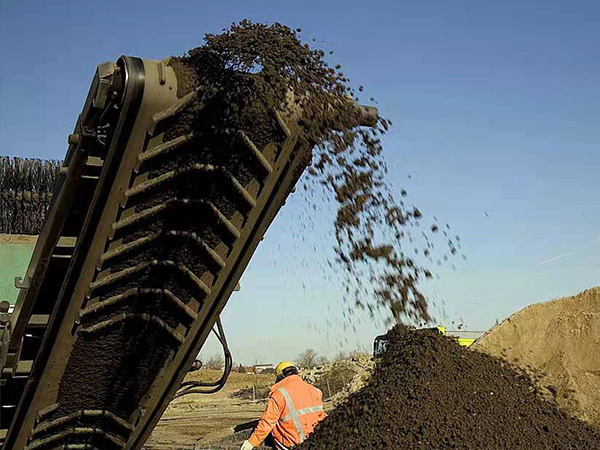
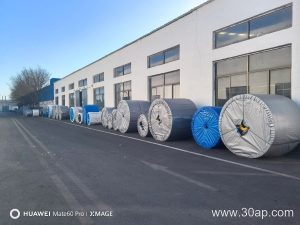
Selecting a conveyor belt is a critical decision that affects throughput, maintenance costs, and workplace safety. The belt must match your material type, load weight, and operating environment.
Key Selection Factors
- Material compatibility: Use rubber belts for abrasive ores, PVC for food processing, and steel cord for long hauls.
- Belt thickness and cover grade: Heavier covers resist cuts and wear; lighter covers reduce energy use.
- Tensile strength: Check the carcass rating (e.g., EP500) against your required tension.
Purchasing Advice
Always request a dynamic splice test and verify flame-resistance certification if operating underground. Measure belt length and width precisely, and plan for a spare roll to avoid downtime.
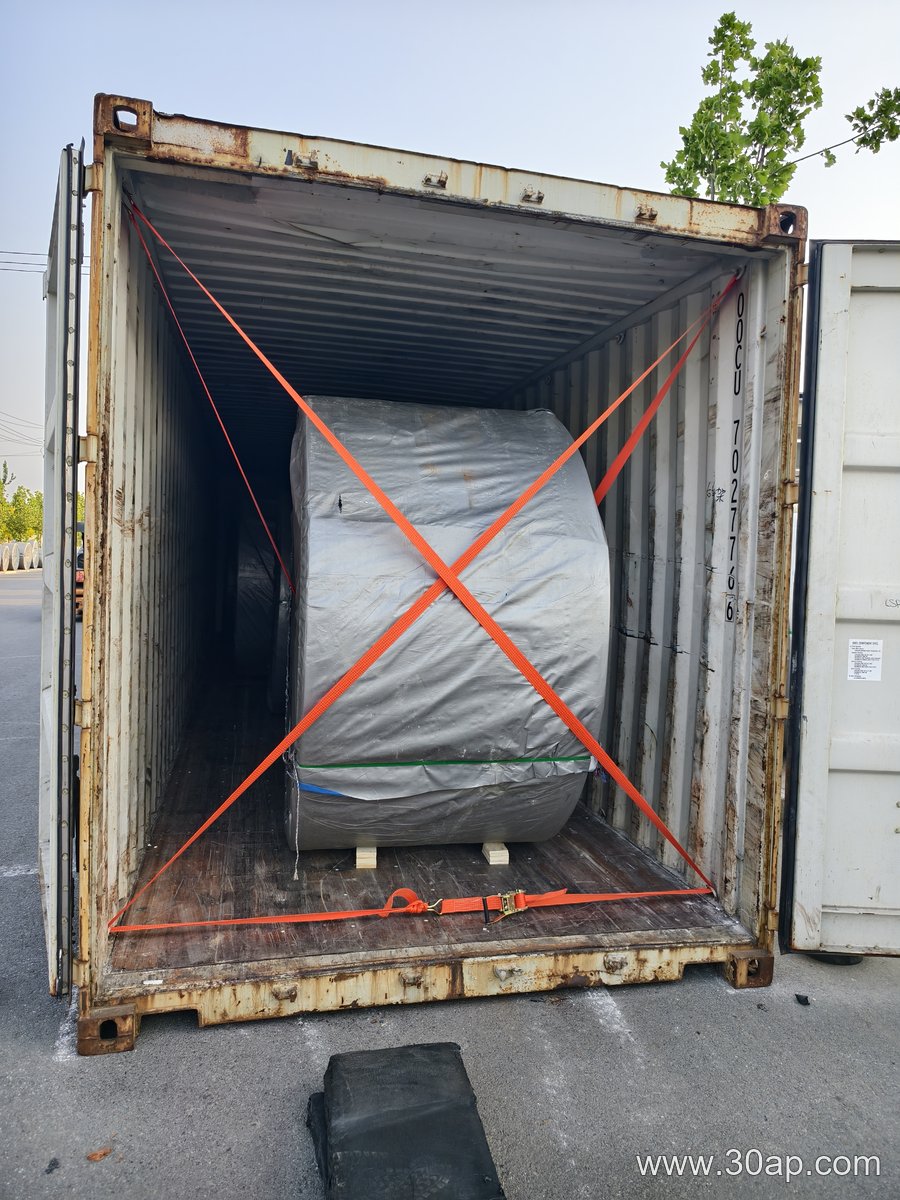
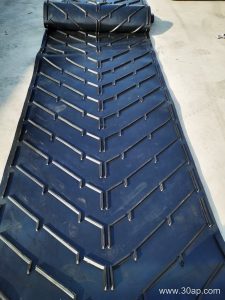
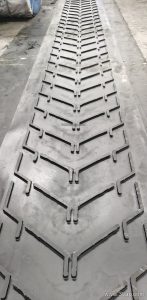
For incline applications, add cleats or sidewalls to prevent material rollback. For high-speed sorting lines, opt for a fabric with low elongation to maintain tracking accuracy.
The Role of the Idler Roller in Modern Conveyor Systems
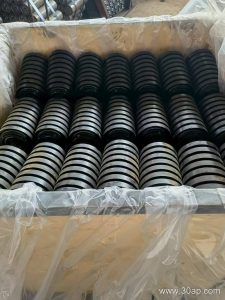
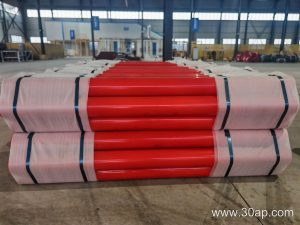
An idler roller is a non-powered cylindrical component that supports the conveyor belt and the material load along its path. Its primary purpose is to reduce friction, maintain belt alignment, and prevent sagging, which directly impacts operational uptime and energy consumption.
Key Selection Criteria
- Belt width and load density: Match roller length and diameter to belt width and the weight of transported material to avoid premature wear.
- Environmental conditions: For dusty, wet, or corrosive environments, choose sealed bearings and steel or polymer shells with appropriate surface coating.
- Speed and impact zones: Use heavy-duty impact idler rollers at loading points, and precision-balanced rollers for high-speed lines to minimize vibration.
Purchasing Advice
Always request load ratings and run-out tolerance data from the supplier. Verify that the roller’s shell thickness and bearing type align with your maintenance schedule. For replacement, measure existing roller dimensions and shaft end configurations to ensure compatibility, and consider buying from manufacturers that offer standard interchangeability with major brands.
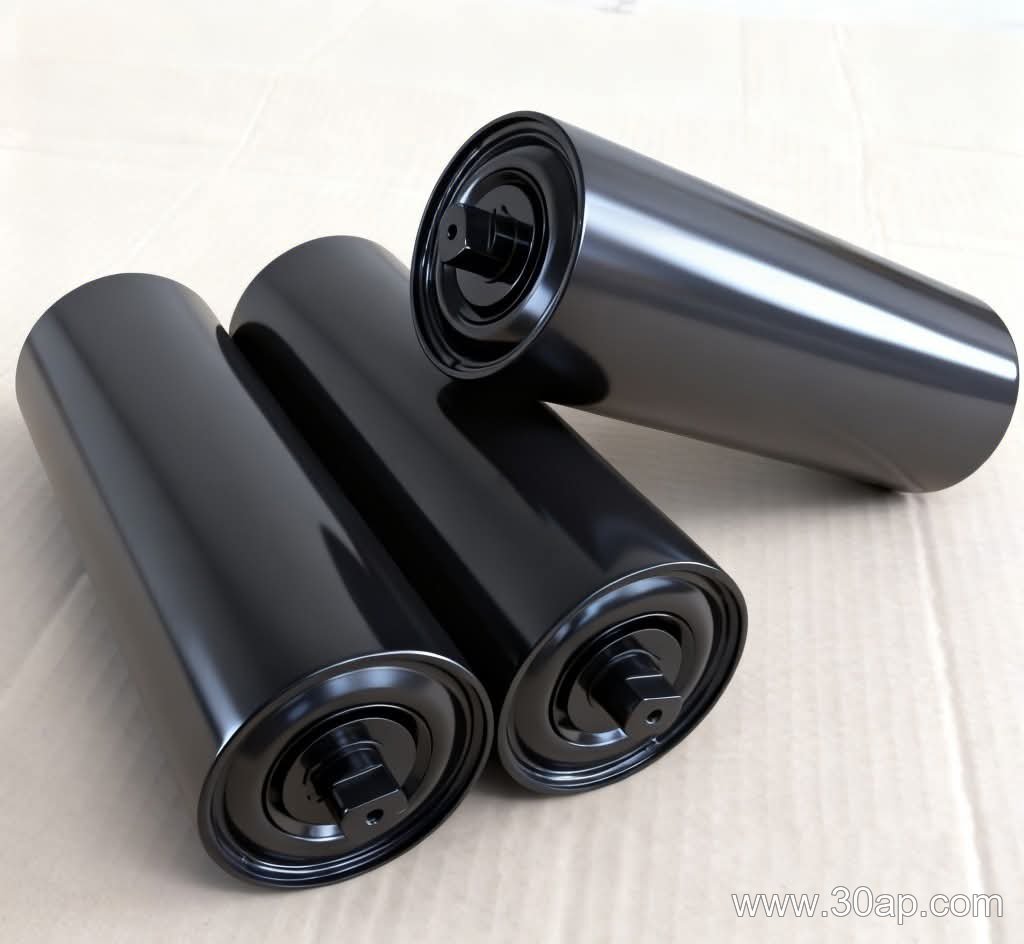
Investing in quality idler rollers reduces belt wear, minimizes downtime, and lowers total cost of ownership—even if the initial price is marginally higher. Regular inspection of roller rotation and shell wear should be part of your preventive maintenance routine.
Why the Conveyor Pulley Defines System Reliability
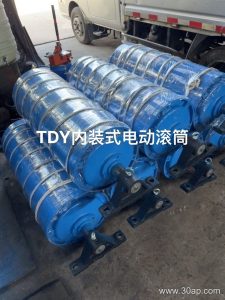
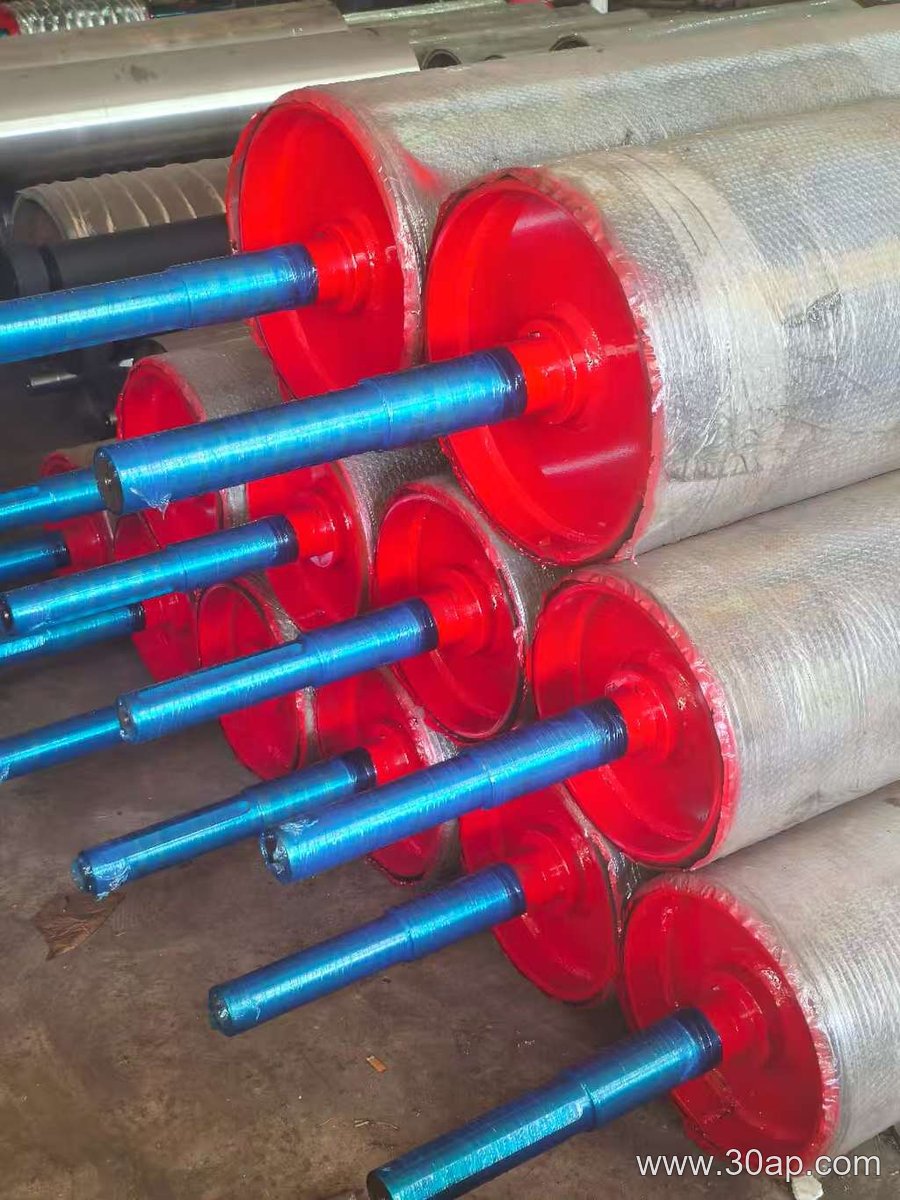
The conveyor pulley is not just a rotating cylinder—it is the critical component that drives belt tension, tracking, and torque transfer. Choosing the wrong pulley leads to belt slippage, misalignment, and costly downtime.
Core Types and Their Roles
- Drive pulley: Located at the head, transmits motor power via lagging for grip.
- Bend pulley: Increases belt wrap angle on the drive, reducing tension.
- Take-up pulley: Maintains proper tension in the return path.
- Snub pulley: Adjusts belt contact near the drive or tail.
Purchasing Criteria for Long Service Life
- Verify shaft diameter and bearing rating against peak load, not just average torque.
- Choose lagging (ceramic vs. rubber) based on wet or abrasive materials.
- Specify crown face (1–2 mm) to self-center the belt.
- Confirm shell thickness for impact zones; use thicker steel at loading points.
Selection Advice from Field Experience
Always calculate the effective belt tension (Te) and the pulley face width per CEMA standards. Ask your supplier for the pulley’s deflection limit at rated capacity. For high-speed conveyors, request dynamic balancing to avoid vibration. And never reuse a pulley after bearing failure—internal shaft fatigue is invisible.