What a Return Idler Bracket Does
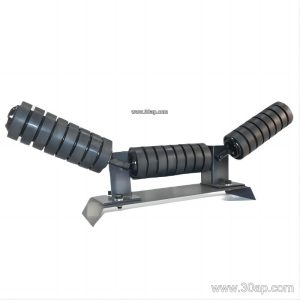
A return idler bracket, also called a return roller bracket or lower idler bracket, supports the return idlers that carry the empty side of a conveyor belt. It keeps the belt aligned and prevents sag on the return run. In a quarry, cement plant, or power plant coal yard, these brackets are the quiet workhorses that keep the belt tracking properly. Without them, the conveyor belt would drag, wear quickly, and cause downtime.
Construction and Materials
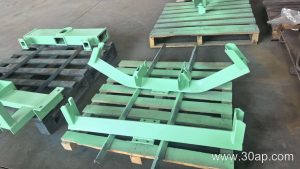
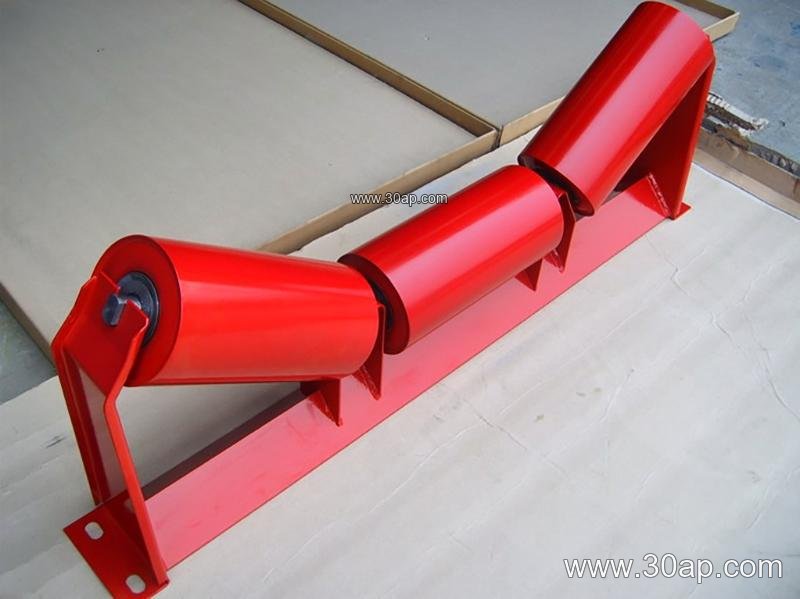
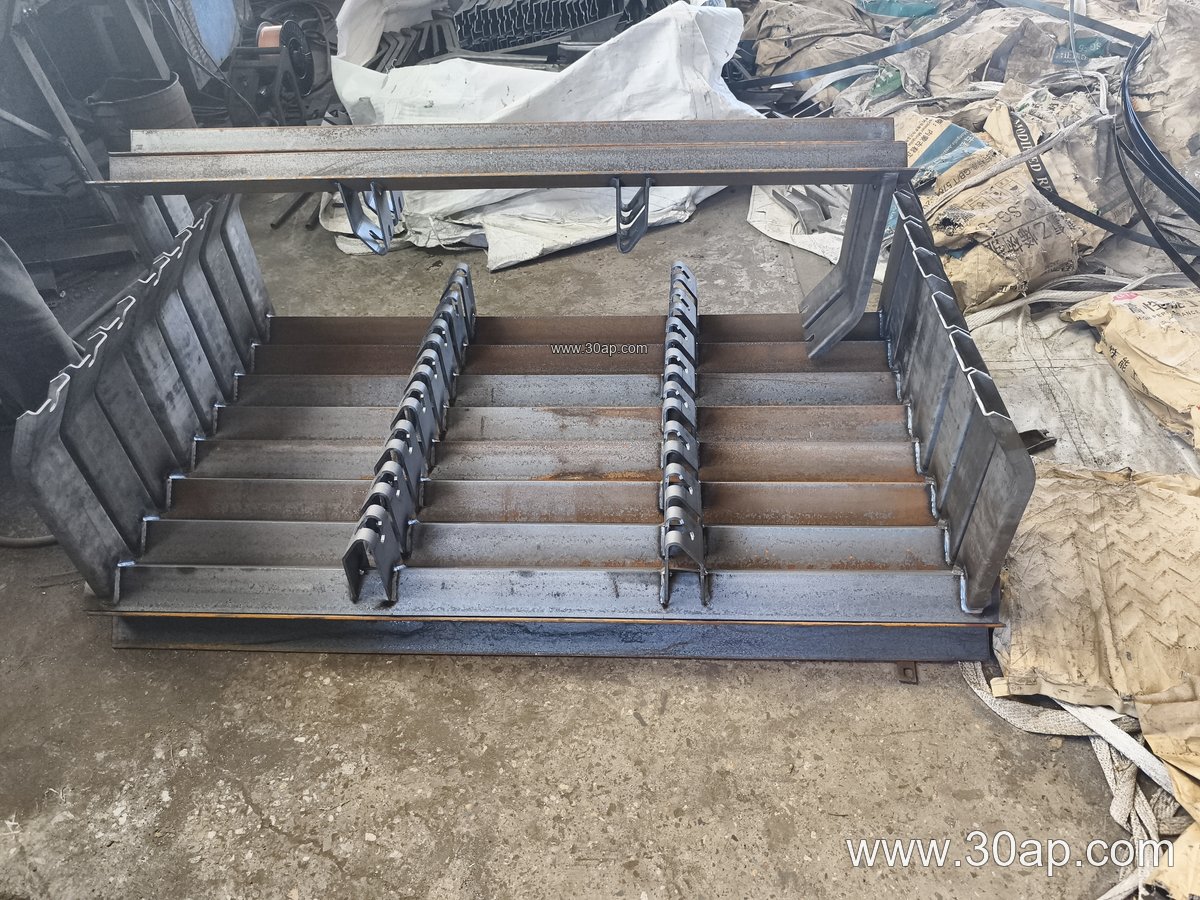
Most return idler brackets are made from angle steel, channel steel, or bent steel plate. The choice depends on the load and the environment. In a coal mining conveyor system, brackets may be galvanized or painted for corrosion resistance. The bracket typically has mounting holes that match the conveyor frame, and the hole spacing varies with belt width and idler diameter. A common design uses a simple U-shaped channel to hold the idler shaft. Adjustable brackets allow fine-tuning of the idler position to keep the belt centered.
Where It Fits in the Conveyor
The return idler bracket is installed on the return side of the conveyor, below the carrying belt. It is often paired with a V-return idler or a flat return idler. In a typical setup, the bracket bolts to the conveyor stringer or frame. For a 800mm wide conveyor belt, the bracket might be designed for a 35-degree trough angle on the carrying side, but the return bracket itself is usually flat or V-shaped. The return bracket must be sturdy enough to handle the belt weight and any material buildup.
Key Selection Factors
When choosing a return idler bracket, consider the belt width, idler diameter, and the mounting hole pattern. Common belt widths include B500, B650, B800, B1000, and B1200. Idler diameters such as Ø89, Ø108, Ø133, and Ø159 are typical. The bracket should match the conveyor frame dimensions. For a 1200mm wide belt with Ø133 idlers, the bracket needs to be sized accordingly. Adjustable brackets are useful where belt tracking needs correction. Fixed brackets are simpler and often used in stable applications. The table below shows some common combinations, but these are examples only and final selection should follow the conveyor design.
| Belt Width | Typical Idler Diameter | Common Bracket Type |
|---|---|---|
| B650 | Ø89 | Fixed return bracket |
| B800 | Ø108 | Adjustable return bracket |
| B1000 | Ø133 | V-return bracket |
| B1200 | Ø133 or Ø159 | Heavy-duty return bracket |
Note that a single belt width can work with different idler diameters and bracket designs depending on the load and conveyor speed. Always confirm the mounting dimensions with the conveyor manufacturer.
Installation and Maintenance Tips
Proper installation ensures the return idler bracket performs well. Align the brackets on both sides of the conveyor so the idler sits square to the belt. Check that the belt runs centered on the return idlers. In dusty environments like a cement plant or a sand and gravel line, clean the brackets periodically to prevent material buildup. Inspect for loose bolts or bent brackets, especially in high-impact areas. Replacing a worn bracket is straightforward: unbolt the old one, position the new one, and tighten to the recommended torque.
Compatibility with Conveyor Components
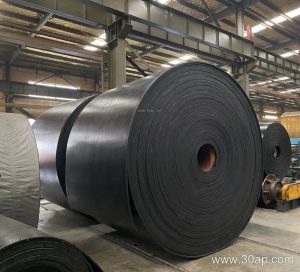
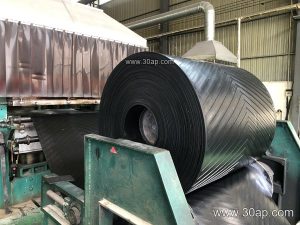
The return idler bracket works together with the conveyor belt, idler roller, and conveyor pulley. A misaligned bracket can cause the belt to train off, leading to edge damage. In a coal mining conveyor system, flame retardant conveyor belts are common, and the brackets must be compatible with the belt’s tracking needs. For heavy-duty mining conveyor belts, thicker brackets may be required. Whether you use an EP conveyor belt or a steel cord conveyor belt, the return bracket should be selected based on the belt’s weight and the conveyor’s capacity.
For more information on conveyor components, visit our site at www.example.com/conveyor-bracket or check our range of conveyor idler brackets. We also supply conveyor pulleys and idler rollers to complete your system.
Buying Checklist
- Confirm belt width and idler diameter.
- Check mounting hole spacing and frame dimensions.
- Decide between fixed and adjustable design.
- Consider the environment: corrosive, dusty, or high-impact.
- Verify material thickness and finish.
A well-chosen return idler bracket extends the life of your conveyor belt and reduces maintenance costs. Whether you operate a small aggregate plant or a large iron ore terminal, the right bracket keeps your conveyor running smoothly.