What an Idler Bracket Does on a Conveyor
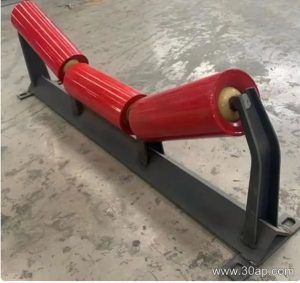
An idler bracket is the structural component that holds conveyor idlers in position along the belt line. It connects the idler roller to the conveyor frame, maintaining the correct spacing, alignment, and trough angle so the belt runs smoothly under load. In a typical conveyor system, these brackets work alongside the conveyor belt, conveyor pulley, and conveyor bracket to form a stable support structure. Whether you are running a quarry conveyor belt or a bulk material conveyor belt in a cement plant, the idler bracket plays a direct role in belt tracking and overall conveyor reliability.
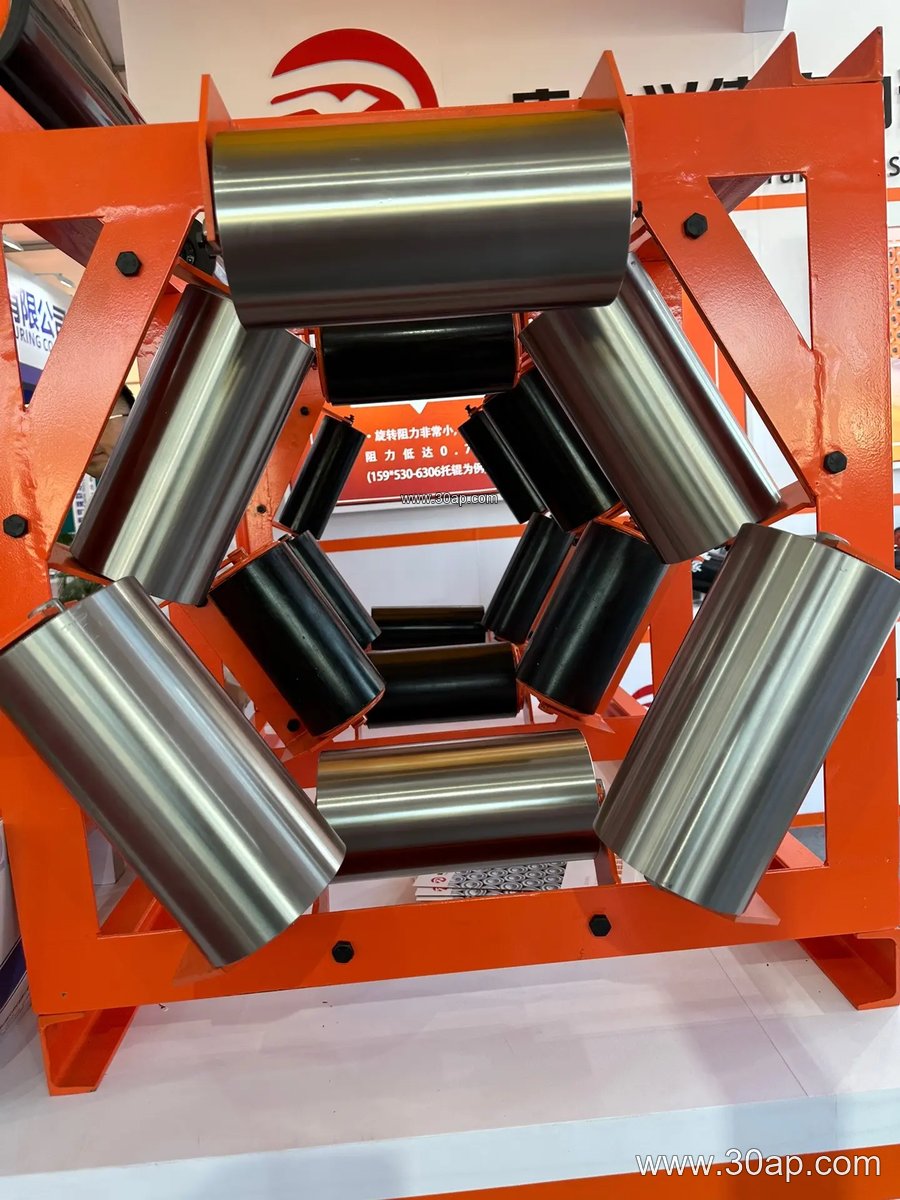
Construction and Materials
Most idler brackets are fabricated from angle steel, channel steel, or folded steel plate. The choice of material depends on the load and environment: heavier sections are common in mining conveyor belt systems, while lighter folded designs suit aggregate conveyor belt lines. The bracket is usually bolted or welded to the conveyor frame, and its mounting holes and crossbeam length are determined by the belt width and trough angle. Common belt widths range from B500 to B2200, with trough angles of 20, 30, 35, or 45 degrees. Adjustable brackets allow operators to change the trough angle within this range, while fixed brackets lock in a single configuration.
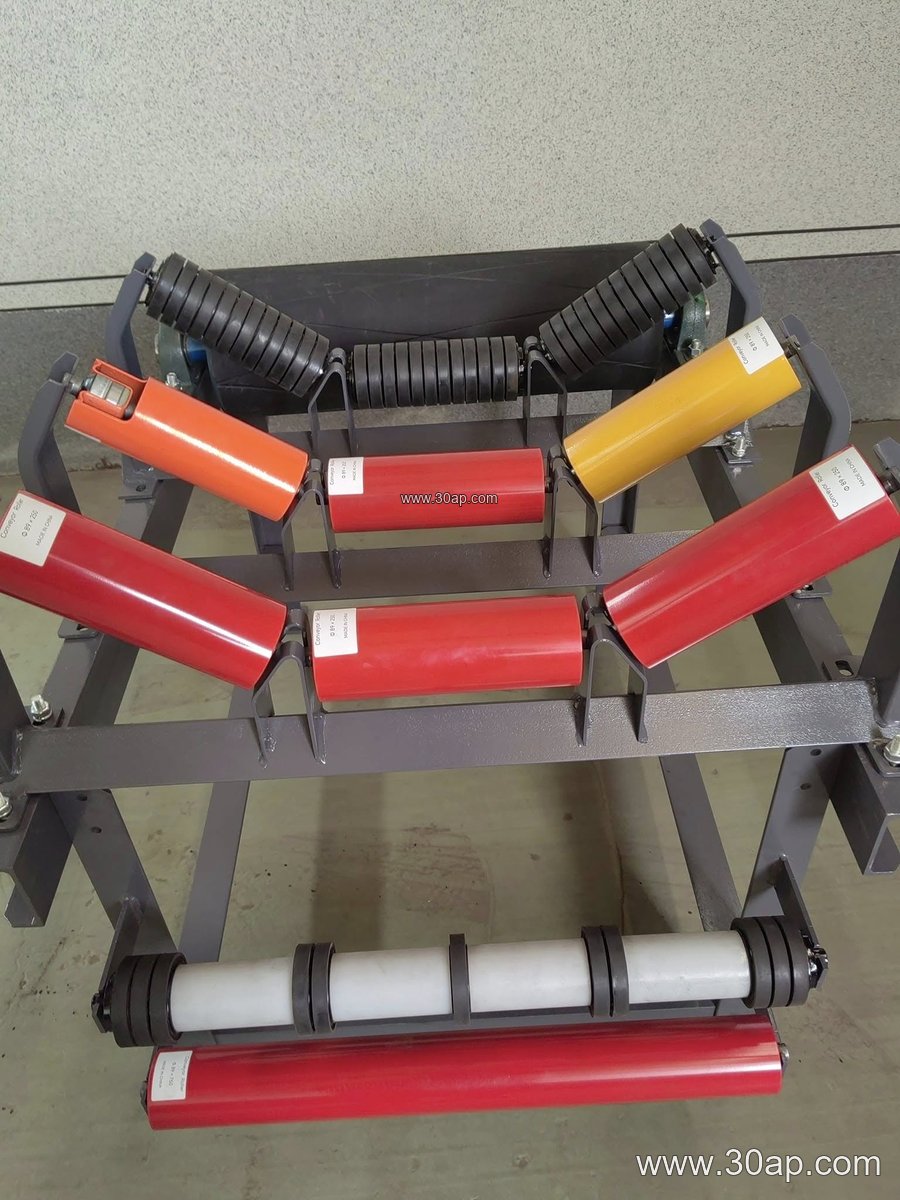
Types and Applications
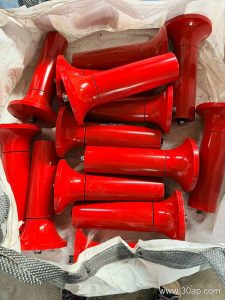
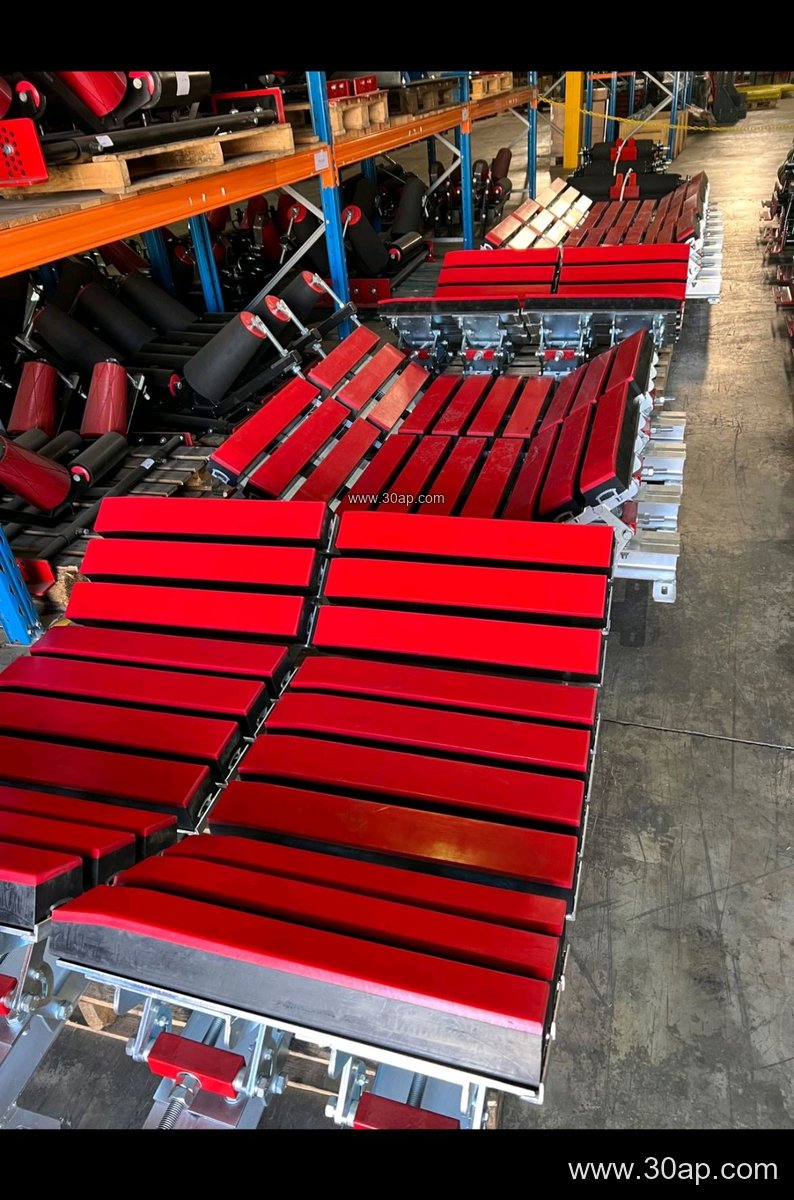
Idler brackets come in several forms to match different positions on the conveyor. Troughing brackets support the carrying side of the belt, while return brackets hold the belt on its way back. V-return brackets help center the belt on the return run, and impact brackets are used at load points where material falls onto the belt. Self-aligning brackets assist with belt tracking on longer runs. In a coal mining conveyor belt system or a power plant conveyor belt line, these brackets must resist dust, vibration, and continuous operation. In a sand and gravel plant, a simpler fixed bracket may be sufficient for a 800mm conveyor belt running at a 35-degree trough angle with Ø108 idlers.
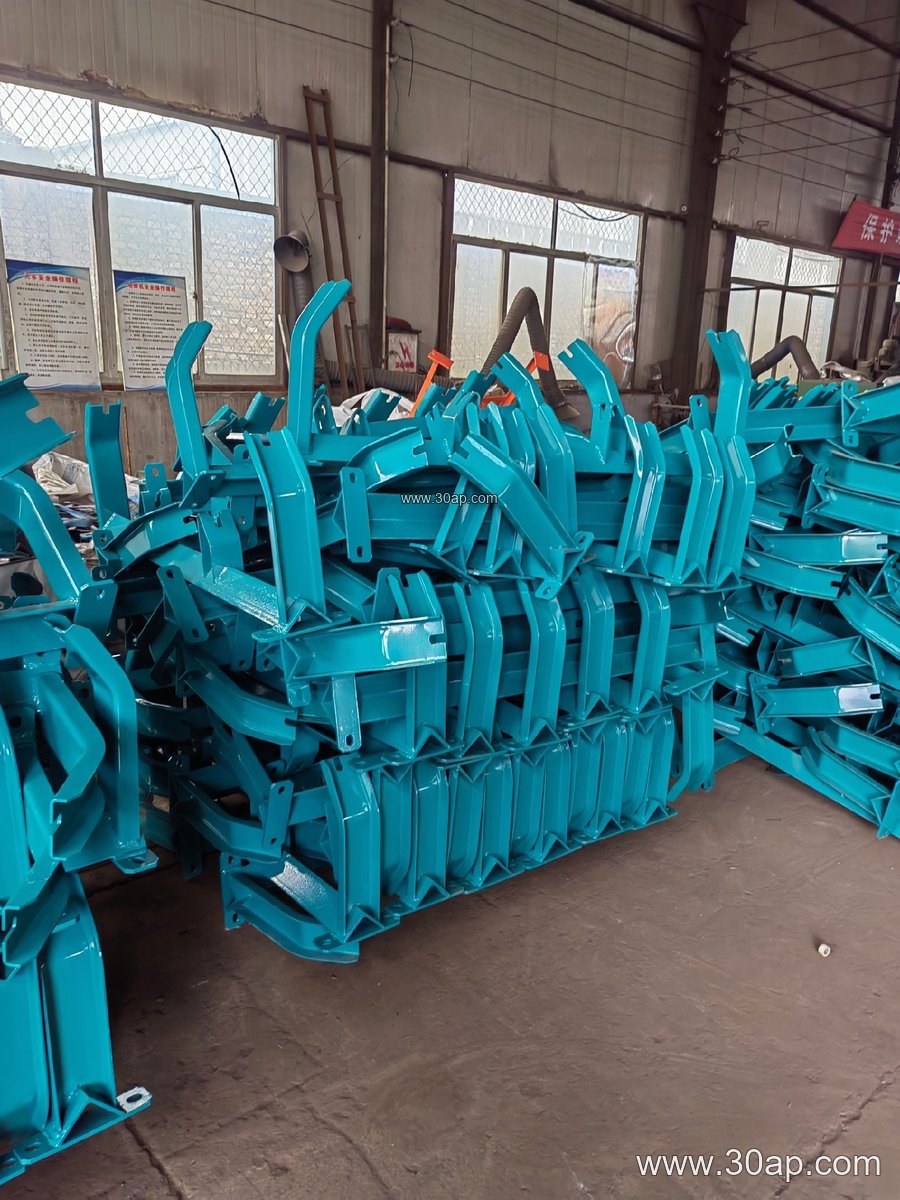
Matching Brackets to Belt and Idler Size
Selecting an idler bracket is not about picking one universal size. The bracket must match the belt width, the idler diameter, and the intended trough angle. For example, a B1200 belt with a 45-degree trough may use Ø133 idlers, while a B650 belt with a 30-degree trough often uses Ø89 idlers. The table below shows common reference combinations; actual mounting hole spacing and crossbeam length should always be confirmed with the conveyor design.
| Belt Width | Trough Angle | Idler Diameter | Typical Bracket Use |
|---|---|---|---|
| B500 | 20° | Ø89 | Light-duty aggregate lines |
| B650 | 30° | Ø89 | Sand and gravel conveyors |
| B800 | 35° | Ø108 | General bulk material handling |
| B1000 | 35° | Ø108 | Cement plant and coal handling |
| B1200 | 45° | Ø133 | Heavy-duty mining conveyors |
| B1400 | 45° | Ø159 | Iron ore and large quarry lines |
| B1600 | 45° | Ø159 | High-capacity bulk terminals |
| B1800 | 45° | Ø194 | Heavy industrial and port conveyors |
These are reference examples, not fixed rules. A single belt width can work with different trough angles and idler diameters depending on the load and belt construction.
Buyer Checklist
- Confirm the belt width and the required trough angle before ordering brackets.
- Match the bracket to the idler diameter, since a Ø159 idler needs a different bracket than a Ø108 roller.
- Decide between fixed and adjustable brackets based on whether the trough angle may need future changes.
- Check the mounting hole pattern and crossbeam length against the existing conveyor frame.
- Consider the environment: dusty coal mining conveyor belt systems may need heavier brackets than a clean food grade conveyor belt line.
- Review the belt type in use, whether an EP conveyor belt, NN conveyor belt, or steel cord conveyor belt, because belt stiffness affects how the bracket and idler support the load.
For more information on conveyor components and support structures, visit example.com/conveyor-bracket or example.com/idler-bracket to see related product ranges. Proper bracket selection keeps the conveyor belt aligned, extends idler life, and reduces downtime in quarry, cement, and power plant operations.