What a Cold Resistant Conveyor Belt Is
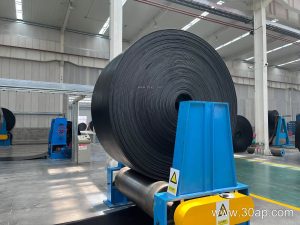
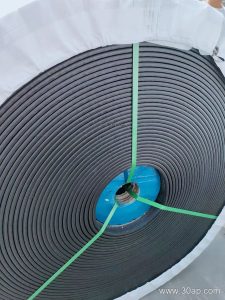
A cold resistant conveyor belt is a rubber conveyor belt engineered to stay flexible and resist cracking when temperatures drop well below freezing. In mines, quarries, cement plants, power stations, and sand and gravel yards, standard belts can stiffen and fail at start-up, while a cold resistant belt is designed to keep moving. This product is also known as a low-temperature conveyor belt or frost-resistant conveyor belt, and those names refer to the same cold-weather belt family.
Cold resistance is not a single compound; it comes from the cover rubber, the core, and the splice working together. The belt still needs to handle abrasive ore, coal, clinker, or aggregate, so buyers often look for an abrasion resistant conveyor belt and a cold resistant belt in one construction.
Construction and Materials
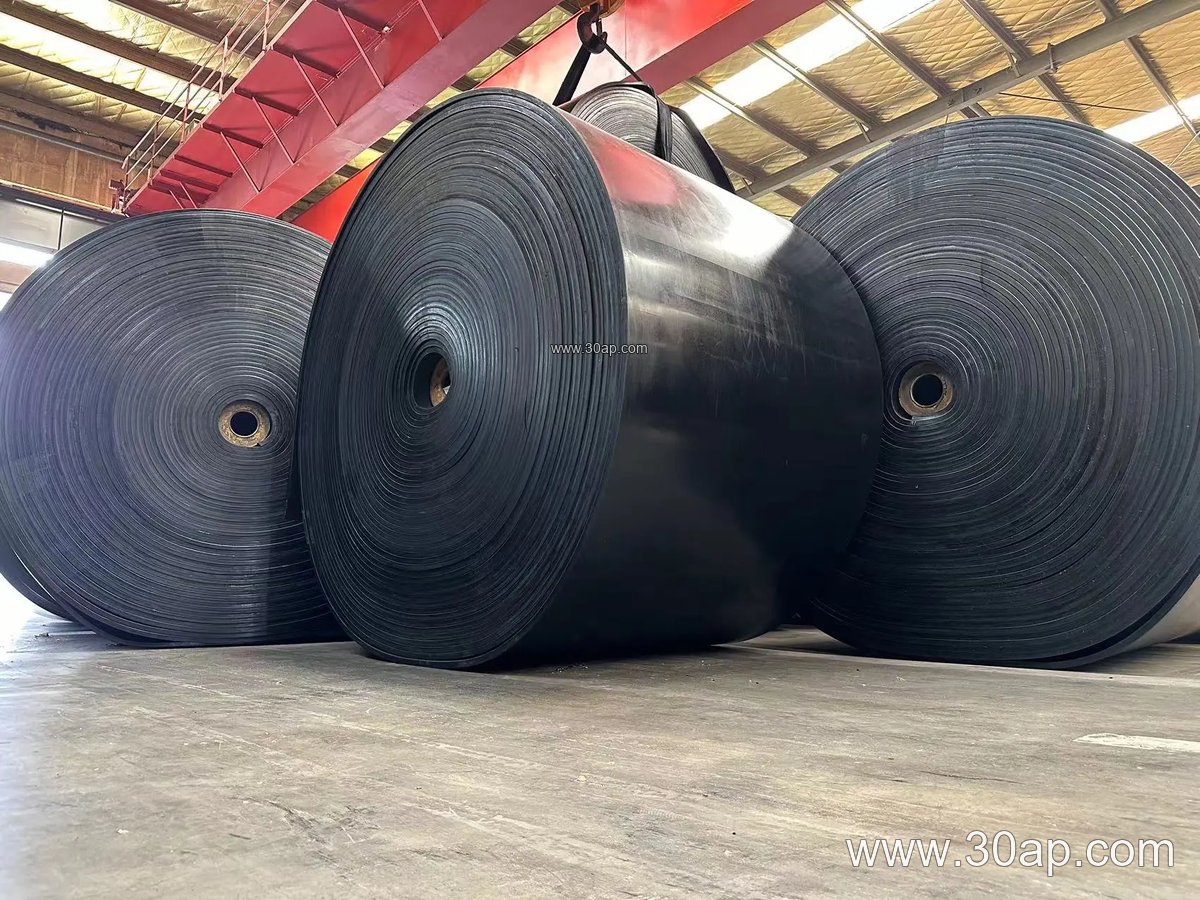
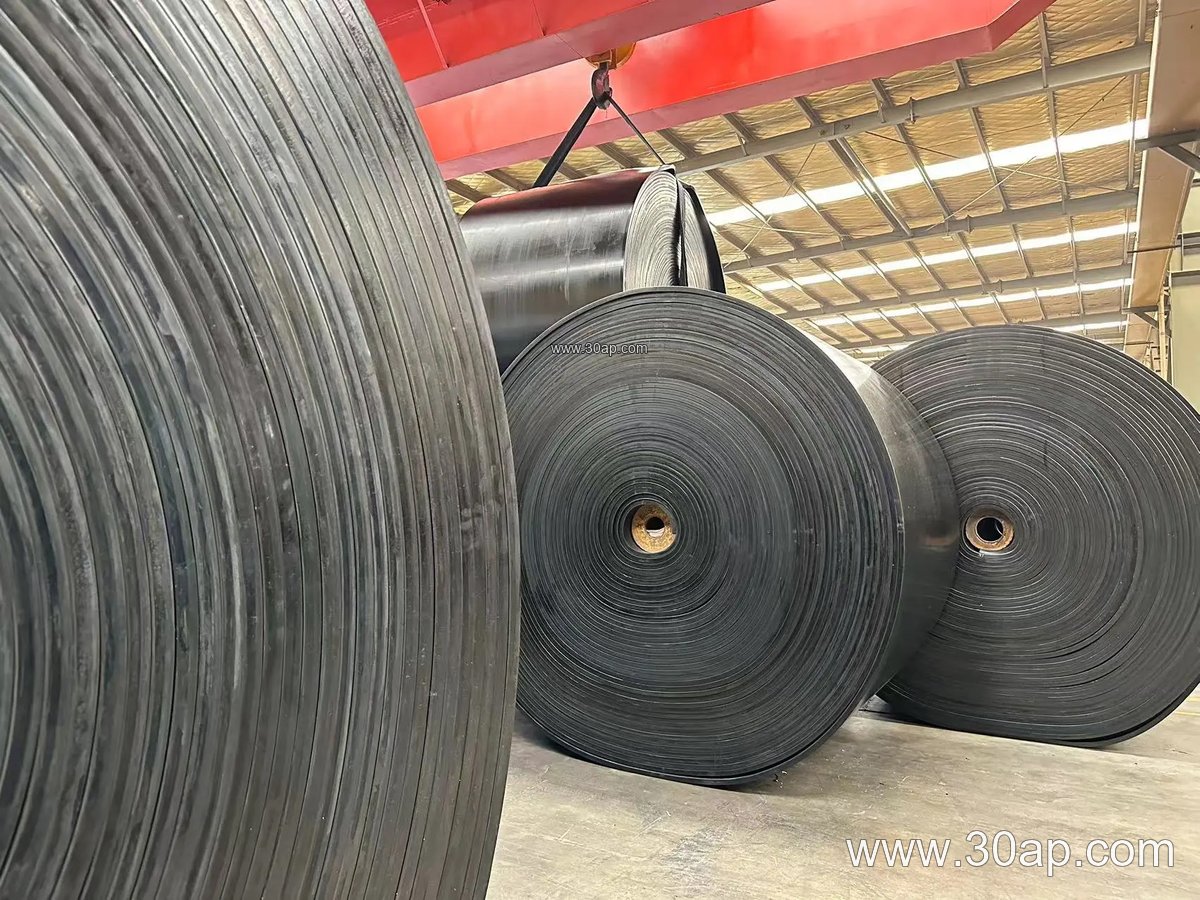
Most cold resistant belts use a fabric core, such as an EP conveyor belt or NN conveyor belt, where the synthetic plies resist moisture and retain strength at low temperature. For long lifts or heavy ores, a steel cord conveyor belt may be chosen, but the rubber compounds and splice design must be adjusted for cold. A multi-ply fabric core conveyor belt is common in medium-duty winter service.
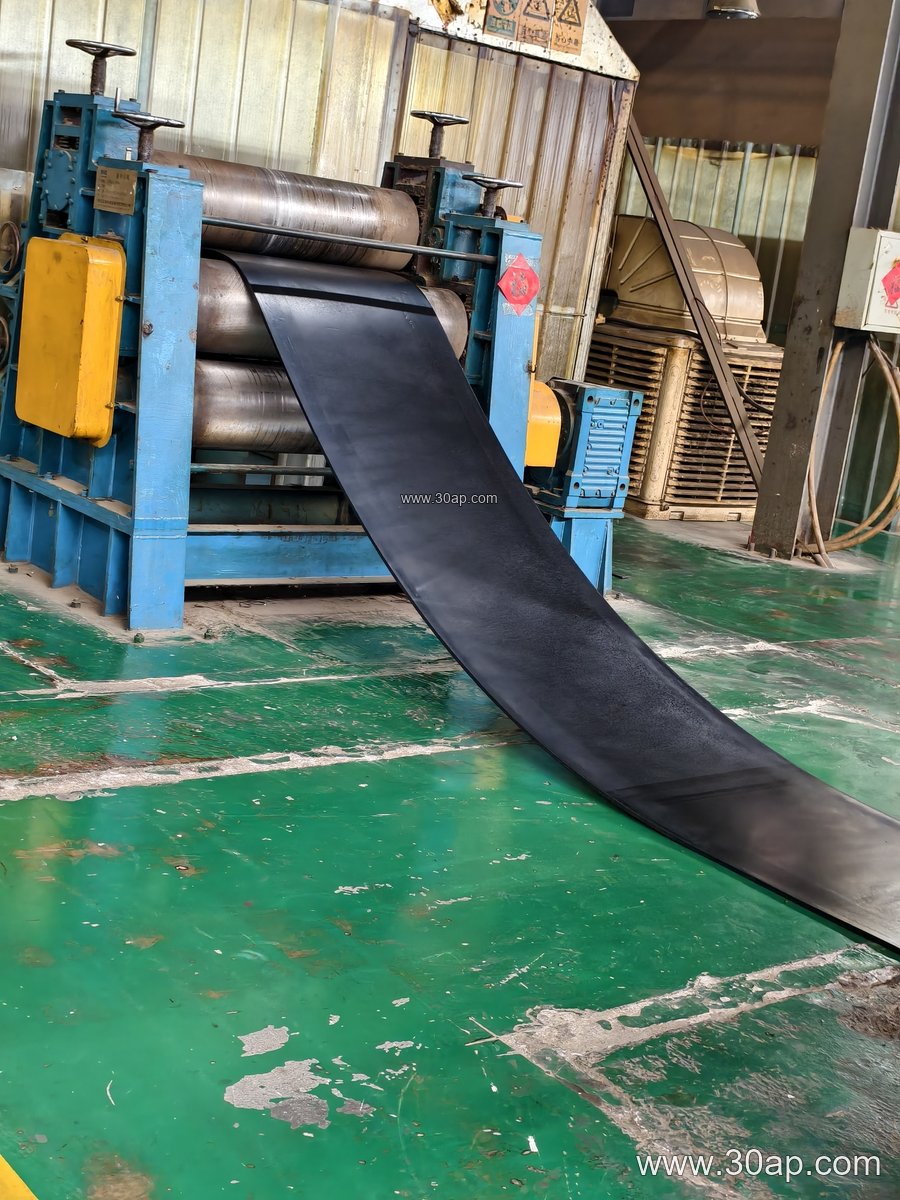
The cover compound usually favors polymers that stay elastic in frost, with careful control of plasticizers and fillers. Cover thickness is often quoted in pairs such as 4+2 mm or 6+2 mm, and the carcass may have 2 to 6 plies. These figures are typical references; actual construction is determined by the conveyor design, load, and site climate.
| Parameter | Common reference range | Note |
|---|---|---|
| Belt type | EP / NN fabric core, steel cord | Selected by tension and splice method |
| Strength grade | EP200, EP400, EP630, EP800, EP1000 | Higher grades for longer conveyors |
| Belt width | B500, B650, B800, B1000, B1200, B1400 | Matched to conveyor and material size |
| Cover thickness | 3+1.5, 4+2, 5+2, 6+2, 8+3 mm | Top cover + bottom cover |
| Carcass plies | 2 to 6 layers | Fabric core belts |
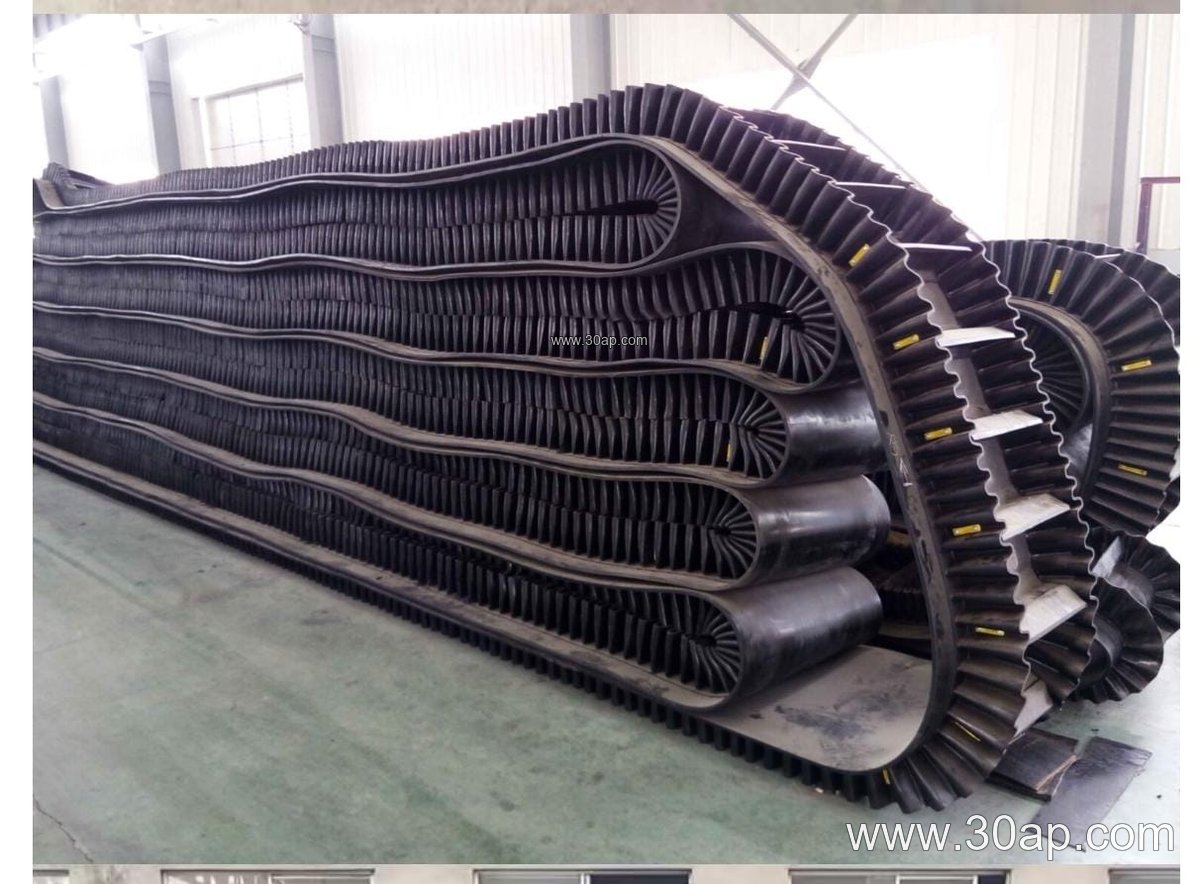
Other belt styles may appear in the same plant, such as a chevron conveyor belt for inclined sections or a corrugated sidewall belt for steep transfer points, but the cold resistant belt remains the main subject here.
Where It Is Used
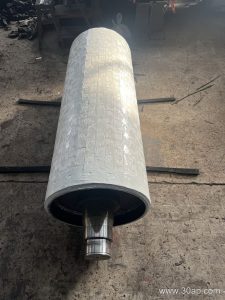
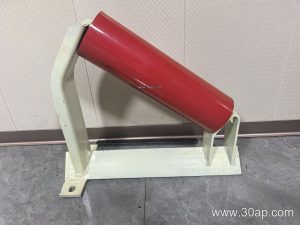
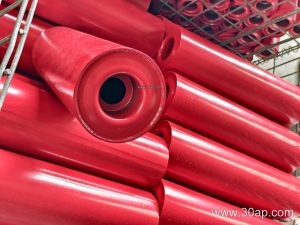
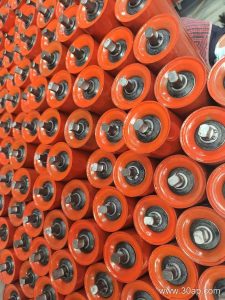
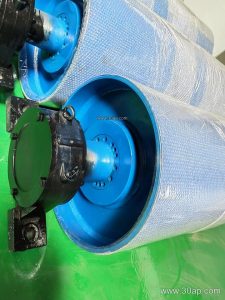
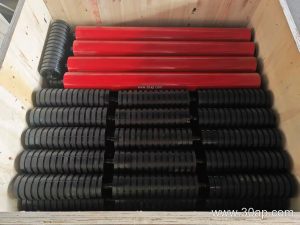
Cold resistant conveyor belts are common in open-pit mines, underground mining conveyor systems, coal preparation plants, cement plants, power plant coal yards, and quarry conveyor lines. In winter, a mining conveyor belt may face frost, snow, and ice build-up on the idler roller and conveyor pulley, so belt flexibility and cover quality matter. A conveyor pulley with proper lagging and a well-aligned conveyor bracket help the belt track straight in cold weather.
In sand and gravel plants, a cold resistant aggregate conveyor belt keeps stone moving when the yard freezes. In cement and power applications, a heat resistant conveyor belt may be needed nearby for clinker or hot ash, while the cold resistant belt handles outdoor stockpile and yard conveyors. The two duties are different, and each belt should be specified for its own condition.
Selection and Buyer Checklist
- Confirm the lowest expected operating temperature and whether the belt starts loaded or empty.
- Check the required tension grade, such as EP630 or EP1000, and the splice type available on site.
- Review cover thickness and abrasion resistance for the material being carried.
- Ask how the belt performs on the drive pulley, tail pulley, and bend pulleys; these are separate components and should not be treated as interchangeable.
- Consider a flame retardant conveyor belt or anti-static conveyor belt if the mine or coal plant requires it.
- Plan storage and installation so the belt is not forced into tight bends while cold.
For buyers comparing suppliers, request the compound data, ply construction, and recommended minimum operating temperature. A cold resistant conveyor belt from www.example.com/cold-resistant-conveyor-belt should be matched to the actual conveyor, not chosen by width alone. A 1200mm wide belt, for example, may run on different pulley diameters depending on tension and conveyor design.
Maintenance Notes for Cold Weather
Keep the conveyor pulley and idler roller free of ice, check belt tension, and inspect splices before the cold season. A belt that is too tight can crack at start-up, while a loose belt may slip on the drive pulley. Use the conveyor bracket and frame to maintain alignment, and watch for edge damage that can grow in freezing conditions. When replacing a belt, record the strength grade, cover thickness, and width so the next order matches the same specification.