What a Heavy-Duty Conveyor Belt Is
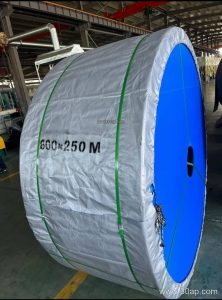
A heavy-duty conveyor belt is the load-carrying element of a bulk material handling line, built to survive sharp rock, wet ore, hot clinker and continuous duty in mines, coal preparation plants, cement works, power stations and sand and gravel yards. It is not simply a thicker version of a general-purpose belt. The carcass, cover compounds and splice design are chosen together so the belt can carry high tension, absorb impact at the loading point and resist abrasion over a long service life.
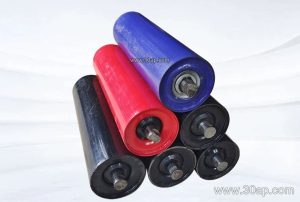
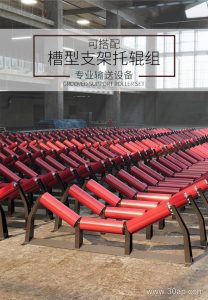
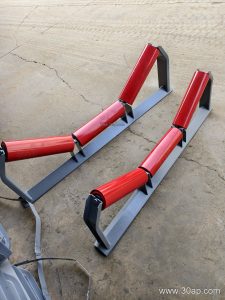
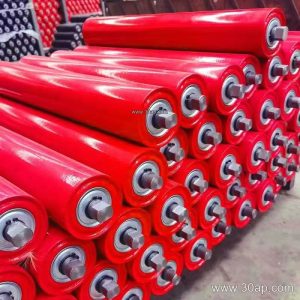
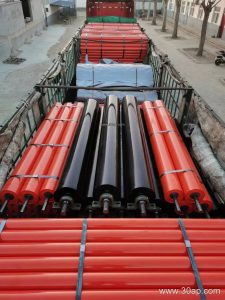
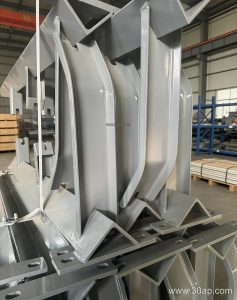
The belt runs over a head or drive pulley, returns around a tail pulley, and is guided by bend pulleys, idler rollers and conveyor brackets along the structure. These parts work as a system, but each has its own role, and a drive pulley is never a substitute for a tail or bend pulley.
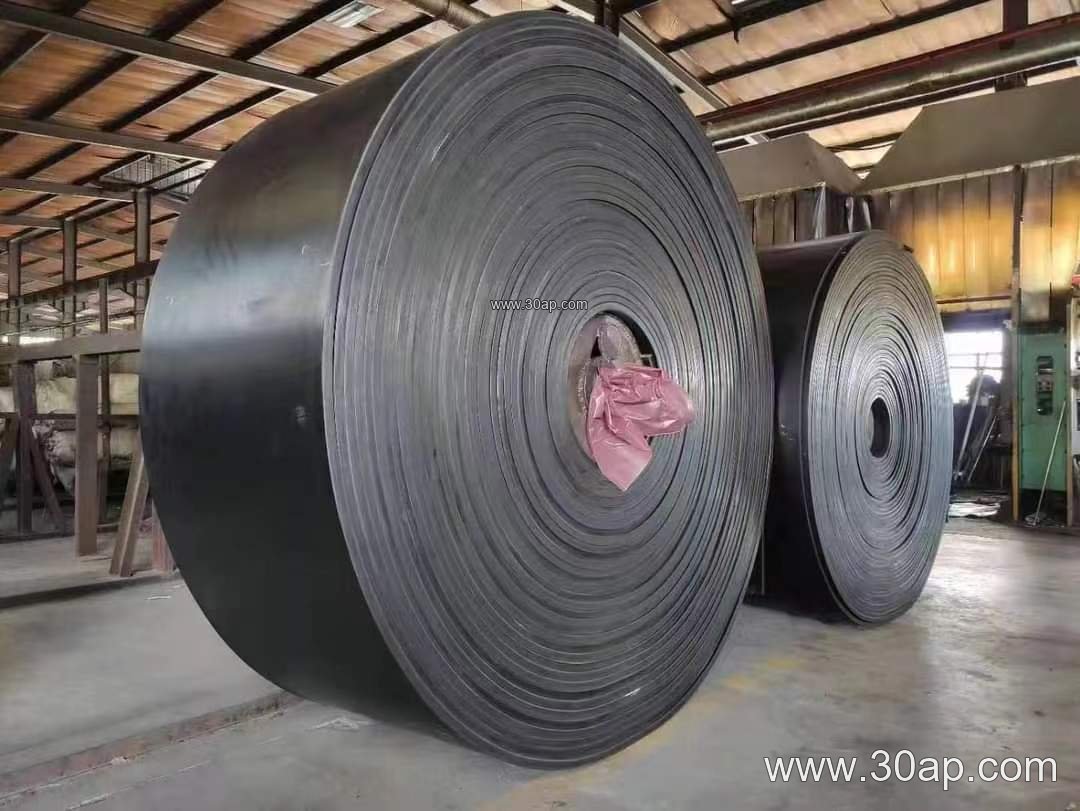
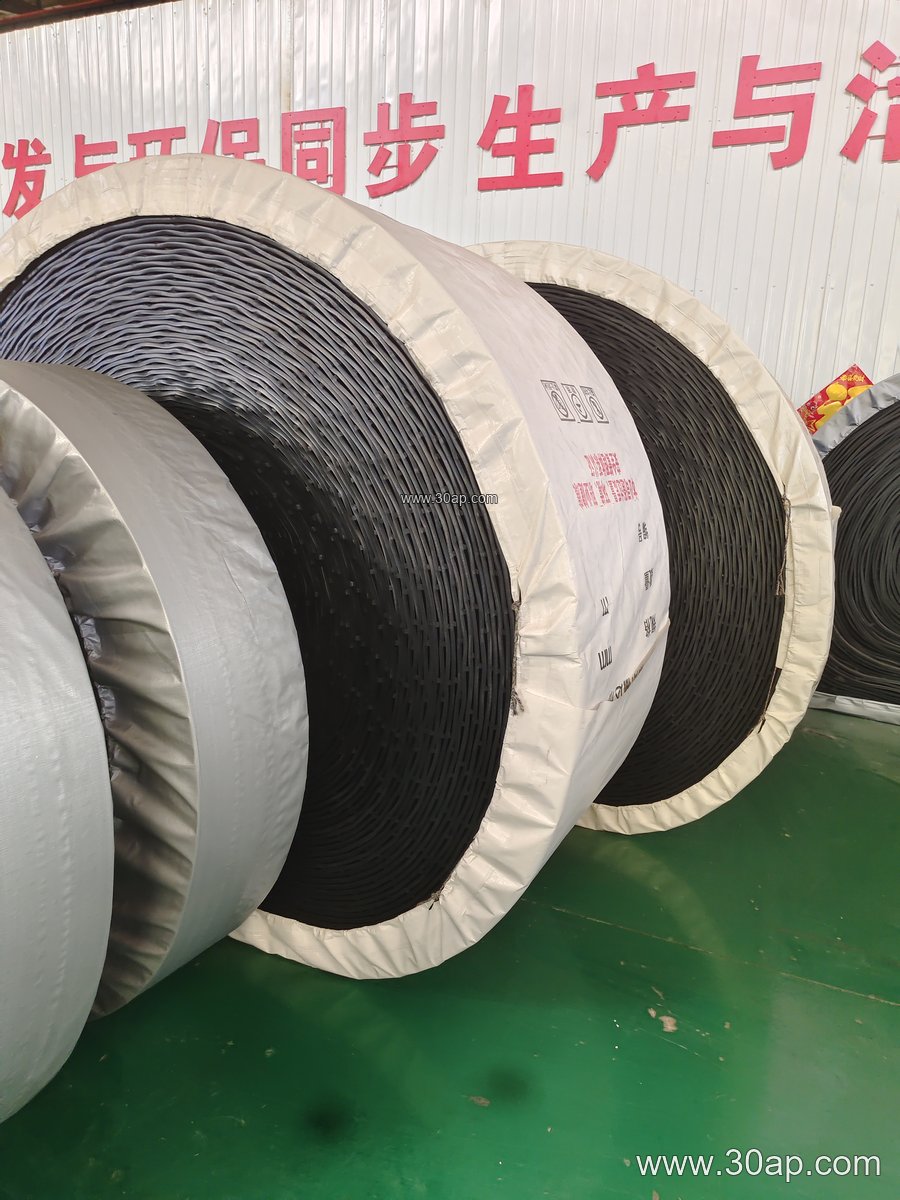
Construction and Common Grades
Most heavy-duty belts use a fabric core or a steel cord core. Fabric cores are usually EP (polyester warp, nylon weft) or NN (nylon warp, nylon weft), commonly 2 to 6 plies for general heavy work. Steel cord belts use parallel steel wires and are chosen for long centres and high tensions. Cover rubber is the wear surface, and its grade matters more than its thickness alone.
| Element | Typical Options | Notes |
|---|---|---|
| Carcass | EP200, EP315, EP400, EP500, EP630, EP800, EP1000, EP1250 | Higher grades for higher tension; final choice by design |
| Steel cord | ST1000, ST1250, ST1600, ST2000, ST2500 | Long conveyors, high tonnage |
| Belt width | B500, B650, B800, B1000, B1200, B1400, B1600, B1800 | Match to lump size and tonnage, not to a single pulley size |
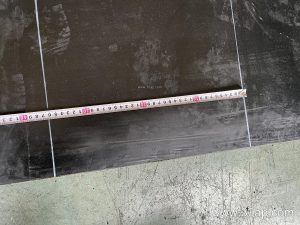
| Cover gauge | 4+2, 5+2, 6+2, 8+3 mm | Top and bottom cover; thicker top cover for impact and abrasion |
Special grades include abrasion resistant, heat resistant, oil resistant, flame retardant, anti-static and cold resistant compounds. A rubber conveyor belt for a coal face may need flame retardant and anti-static properties, while a quarry conveyor belt usually prioritises cut and gouge resistance.
Where It Works
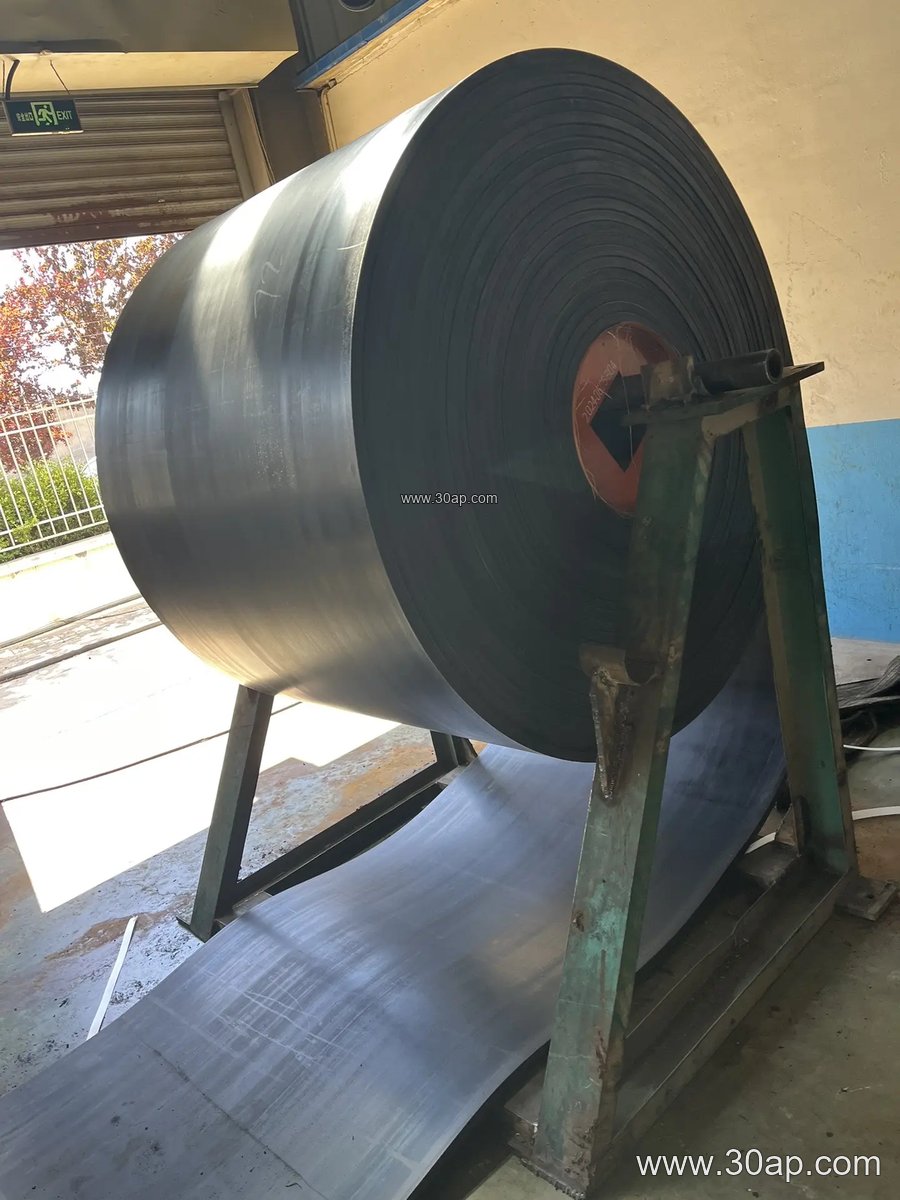
In underground coal mining, flame retardant and anti-static belts are common, often as PVG or PVC grades, because safety requirements dominate. In iron ore, copper ore and gold mining, high abrasion resistant covers and steel cord cores handle heavy, sharp loads. Cement plants use heat resistant belts near kilns and kiln feed, and abrasive resistant belts for clinker. Power plants and ports move coal and bulk cargo over long distances, where a high strength conveyor belt reduces the number of transfer points. Crushing circuits often specify an impact resistant belt at the feed point and a crusher conveyor belt with reinforced edges downstream.
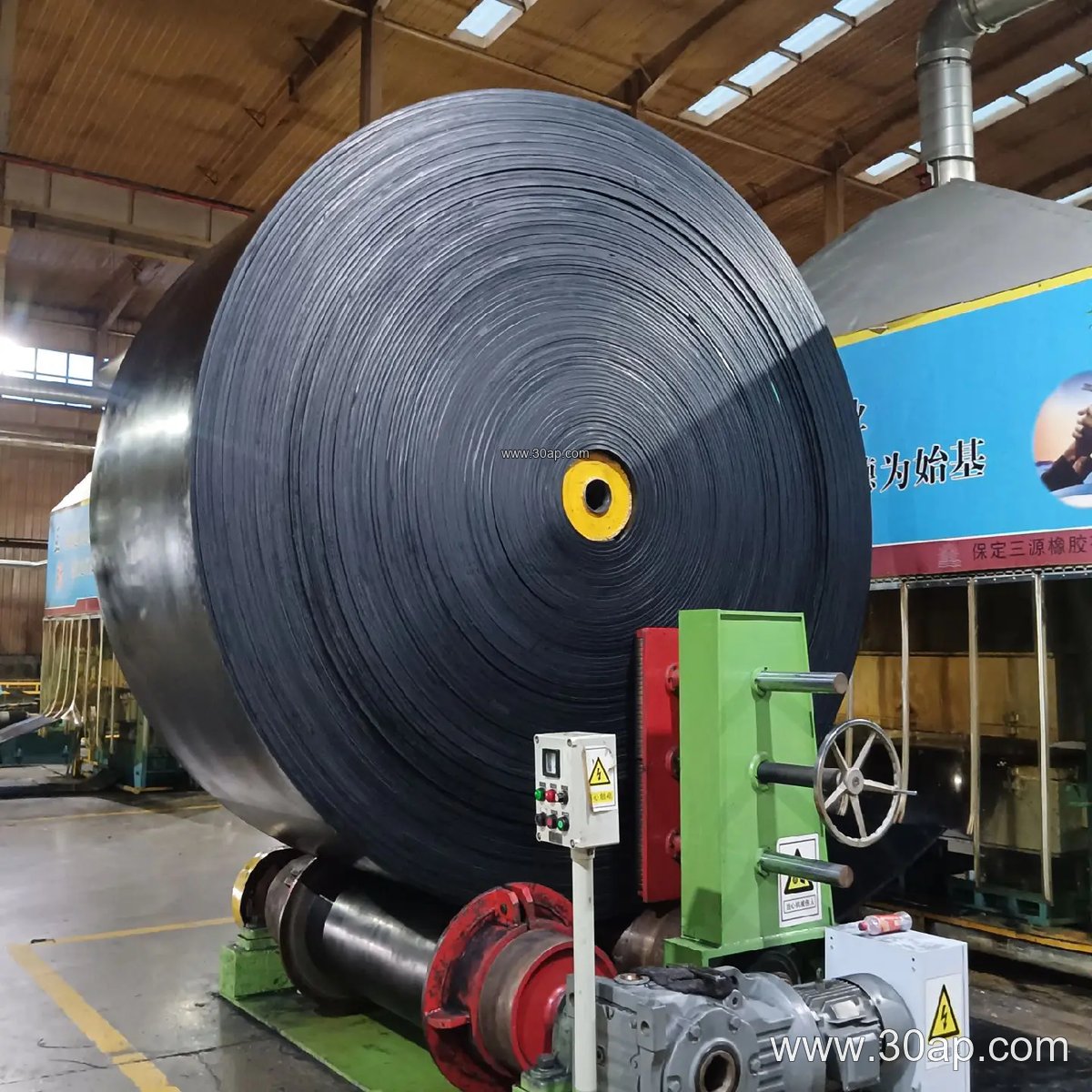
Special shapes solve specific problems: a chevron conveyor belt or corrugated sidewall belt holds material on steep inclines, a skirted belt contains material at the loading zone, and a pipe conveyor belt encloses the load for dust control. An endless conveyor belt is spliced at the factory for critical lines where joint quality matters.
What Buyers Should Check
- Confirm the actual duty: material type, lump size, temperature, moisture, oil or chemical exposure, and whether the line runs underground.
- Check tension and take-up data against the selected carcass grade; EP1000 or ST1600 may be right on one line and excessive on another.
- Review cover grade and gauge together. A thicker cover of the wrong compound will not fix heat or oil attack.
- Ask how the belt will be spliced and whether the joint strength suits the drive pulley and starting torque.
- Inspect the whole line, including idler rollers, conveyor pulley lagging and brackets, because misalignment shortens belt life quickly.
For a 1200mm wide conveyor belt or a 1500mm wide conveyor belt, the pulley diameters, shaft sizes and idler spacing come from the conveyor design, not from belt width alone. A 1200mm belt can run on different pulley sizes depending on tension and wrap angle, so buyers should supply full design data rather than a width and a strength number.
Maintenance Notes
Track belt wear at the edges and at the loading point, keep skirts adjusted, and check that idler rollers turn freely. Replace worn lagging on the drive pulley before it causes slip, and verify that the tail pulley and bend pulleys are aligned. Store spare belts flat, away from sunlight and ozone sources, and follow the maker’s splice procedure. For more on matched components such as conveyor pulleys, idler rollers and brackets, visit the site and compare options against your duty.