What Is a Vertical Idler Bracket
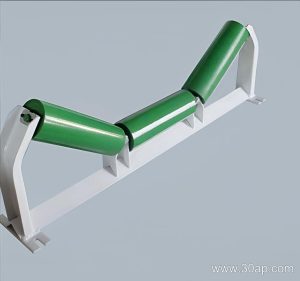
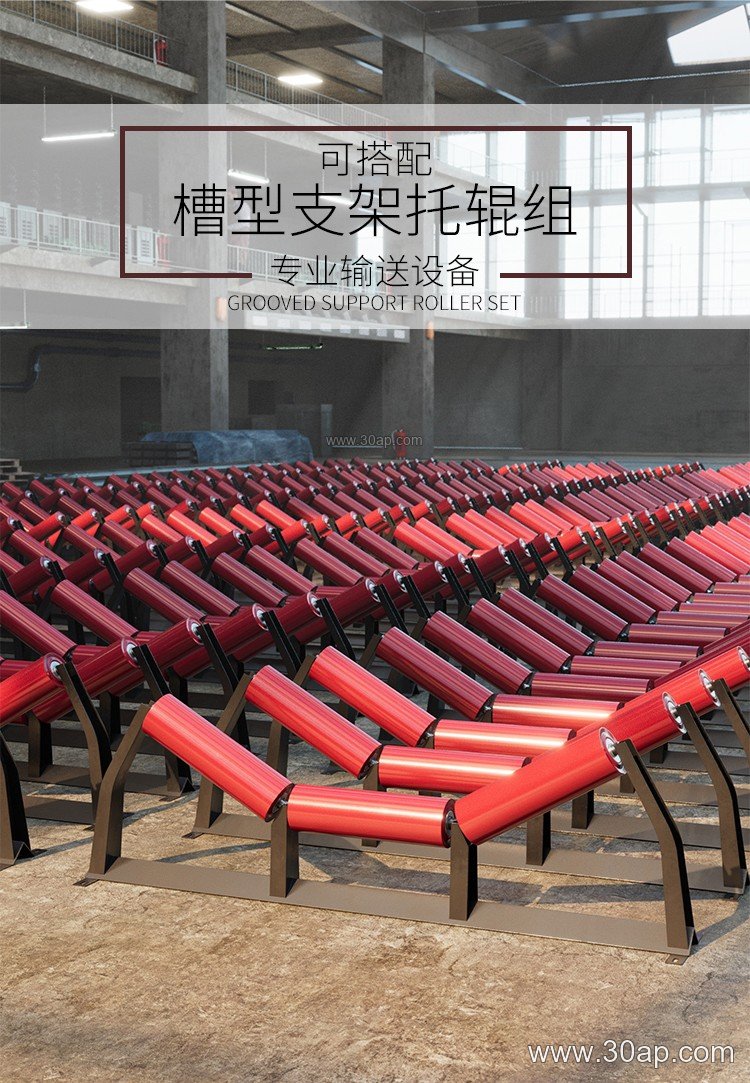
A vertical idler bracket is a mounting component that holds an idler roller in a vertical or near-vertical position on a conveyor system. Unlike the more common troughing idler bracket, which supports the belt in a trough shape, this bracket positions the roller to guide the belt edge or to control belt travel along a specific section of the conveyor line. In many plants, it is also called a vertical roller bracket, though the function remains the same.
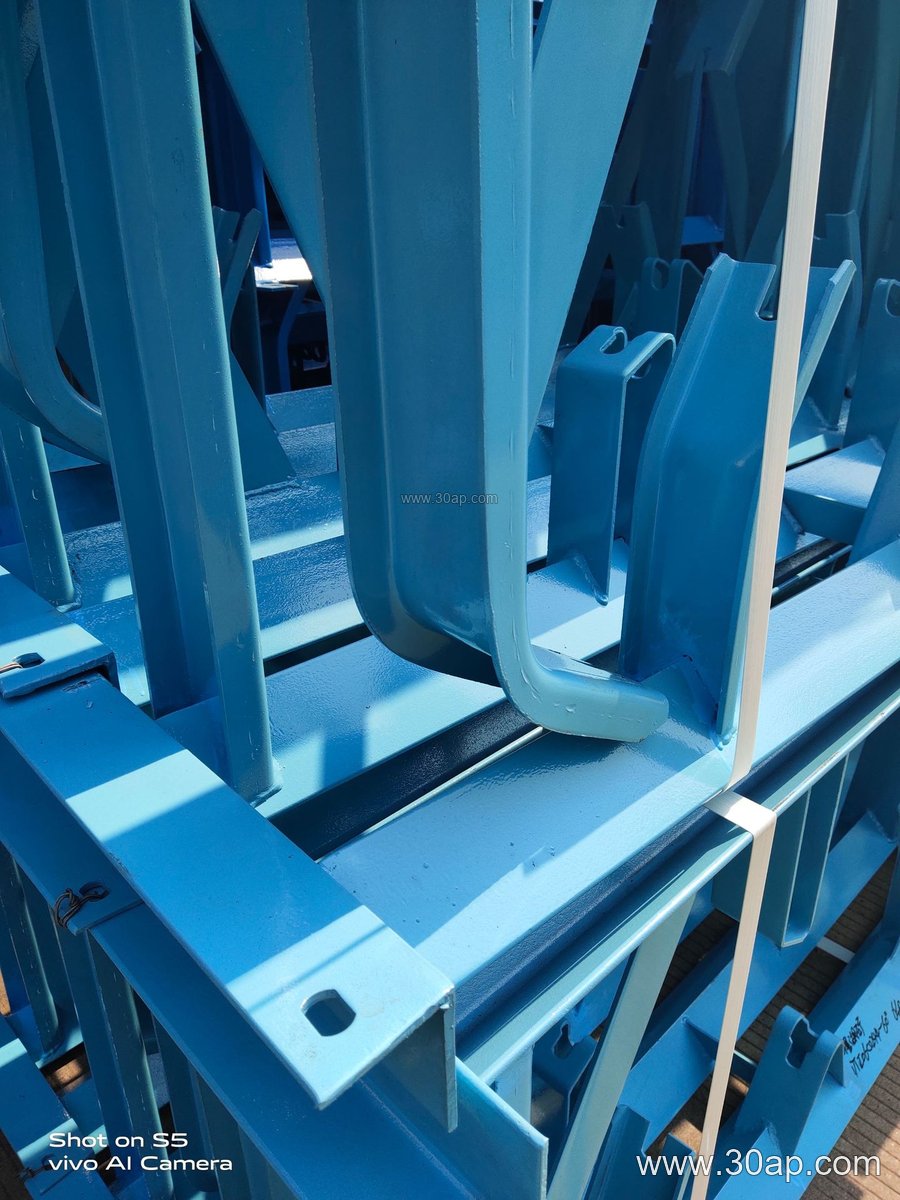
The bracket is typically fabricated from angle steel, channel steel, or folded steel plate. Its design must provide a rigid mounting point for the idler roller while allowing for field adjustment when belt tracking changes. Because it works directly with the conveyor belt, the bracket must resist vibration, material buildup, and occasional impact from oversized lumps.
Construction and Mounting Position
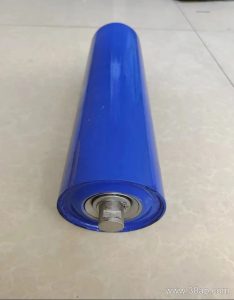
A vertical idler bracket is usually bolted or welded to the conveyor frame. The mounting holes and overall length depend on the belt width, the required roller diameter, and the space available beside the belt. For example, a bracket used on a B800 conveyor may accept a Ø89 or Ø108 idler roller, while a wider B1200 system might use a Ø133 roller. These are common pairings, not fixed rules; the final choice is determined by the conveyor design and the load carried.
In some layouts, the bracket is fixed. In others, an adjustable version allows the roller to be moved in or out to fine-tune belt alignment. The adjustable type is often preferred in quarry, coal washing, and cement plant conveyors where the belt may shift due to uneven loading or material buildup on rollers.
Where It Is Used
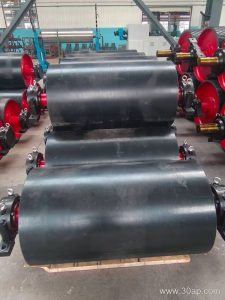
Vertical idler brackets appear in a range of bulk material handling operations. In a limestone quarry or sand and gravel line, they help keep the belt centered as it leaves the crusher or screening station. In a coal washing plant or power station coal yard, they guide the belt on the return side or at transfer points. In a cement plant, they may be found near the clinker cooler or on raw material conveyors. The bracket is not a replacement for a drive pulley, tail pulley, or bend pulley; those components transmit power or change belt direction, while the vertical bracket only supports and positions an idler roller.
Compared with a troughing bracket or a V-return bracket, the vertical bracket serves a different purpose. A troughing bracket shapes the belt for carrying material. A V-return bracket supports the empty belt on the return run. The vertical idler bracket is more specialized, often used where belt edge control or a vertical guide roller is needed.
Key Parameters for Buyers
When selecting a vertical idler bracket, several parameters should be confirmed with the supplier or conveyor designer. The table below lists common reference values; actual dimensions are determined by the specific conveyor and mounting arrangement.
| Parameter | Common Range or Example |
|---|---|
| Belt width | B500, B650, B800, B1000, B1200, B1400, B1600 |
| Idler roller diameter | Ø89, Ø108, Ø133, Ø159 |
| Material | Angle steel, channel steel, folded steel plate |
| Mounting type | Fixed or adjustable |
| Surface treatment | Painted or galvanized, depending on environment |
Buyers should also check the hole spacing and beam length against the existing conveyor frame. These dimensions vary with belt width and the chosen roller diameter, so they cannot be assumed from belt width alone. A bracket that fits a B650 conveyor with Ø89 rollers will not automatically fit a B1000 conveyor with Ø133 rollers.
Selection and Maintenance Notes
Choose a vertical idler bracket that matches the conveyor’s belt width, roller diameter, and mounting pattern. If the belt tends to misalign, an adjustable bracket can simplify correction. For dusty or wet conditions, consider a design that sheds material and allows easy cleaning. Regular inspection should include checking for loose bolts, bent brackets, and worn idler rollers. A damaged bracket can cause the roller to sit at the wrong angle, which may lead to belt edge damage or excessive wear on the conveyor belt.
In short, the vertical idler bracket is a small but important part of a conveyor system. It works alongside the idler roller and conveyor bracket assembly to keep the belt running smoothly in mines, quarries, cement plants, and other bulk material handling sites.