What a Conveyor Bracket Is and Why Its Price Varies
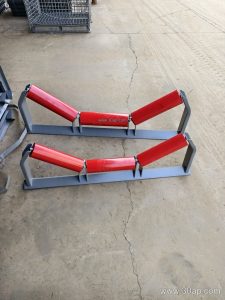
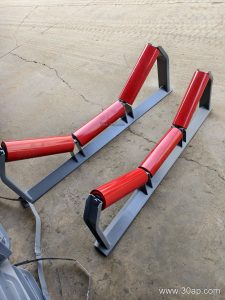
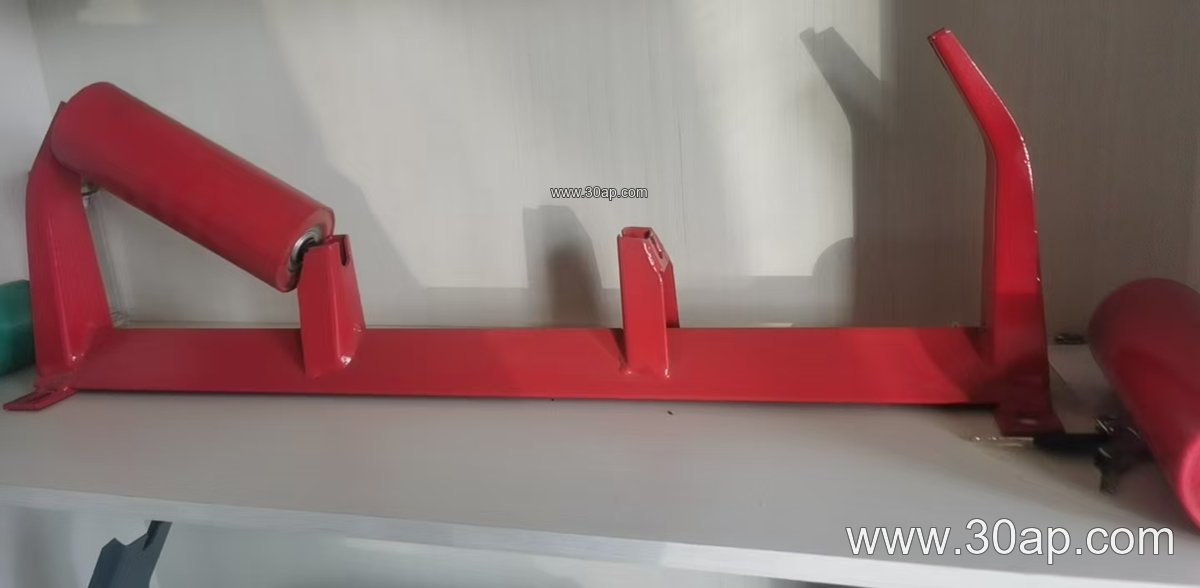
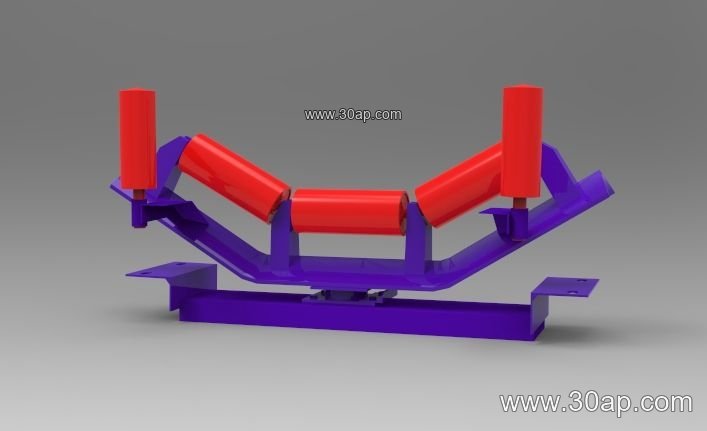
A conveyor bracket is the steel support that holds the idler roller in place and sets the trough angle of the conveyor belt. It is a small item on the bill of materials, yet the conveyor bracket price can swing widely between suppliers. Two brackets that look similar in a photo may differ in steel thickness, bending accuracy, hole spacing, and surface treatment. For a quarry, a coal washing plant, or a cement plant, the bracket is a wear part that is replaced in batches, so the unit price matters as much as the first-installation cost.
The bracket is usually made from angle steel, channel steel, or folded steel plate. A well-built bracket keeps the roller axis square to the belt centerline, which helps the belt track straight and reduces edge wear. Buyers comparing conveyor bracket prices should look at the material grade, the welding quality, and whether the mounting holes are punched or drilled, because these details influence both price and service life.
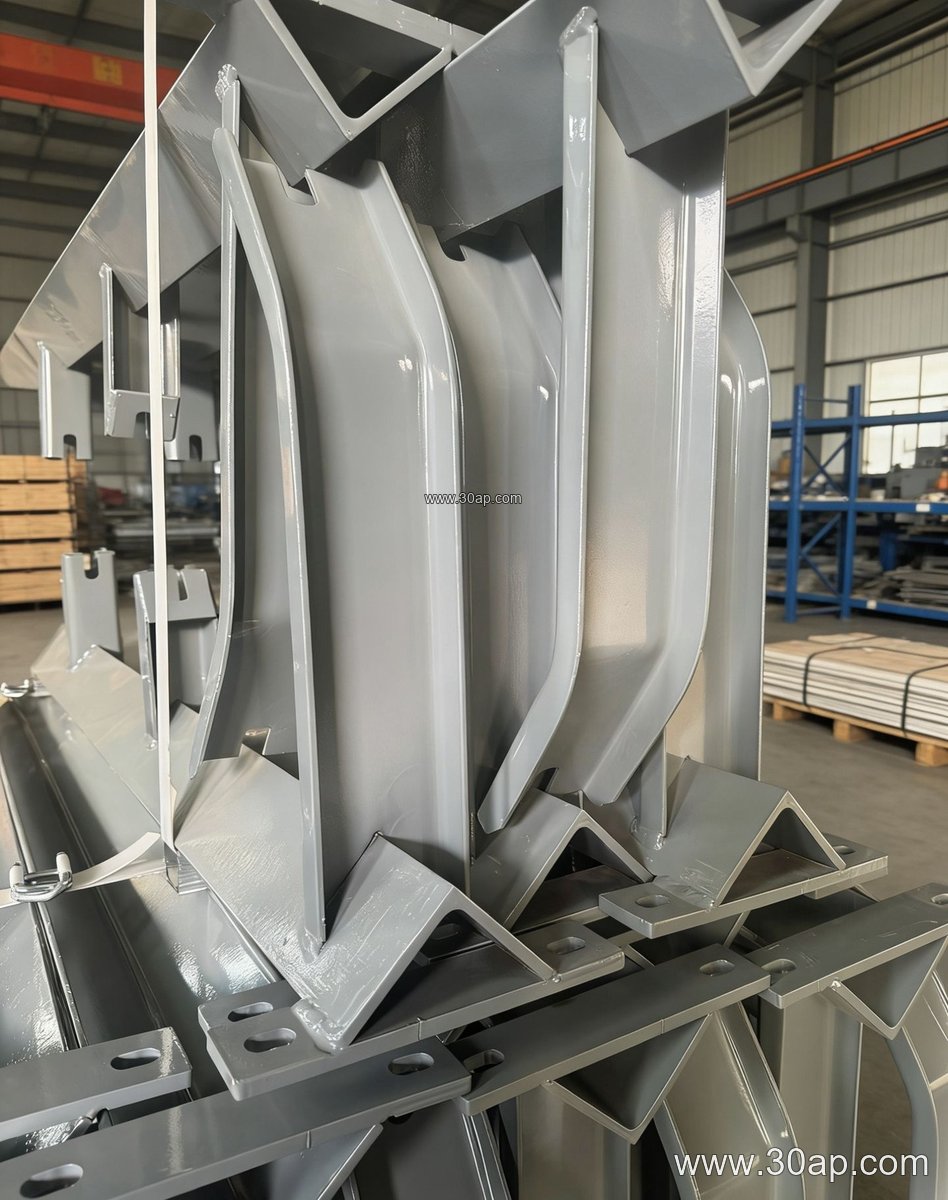
Common Types and How They Affect Quotation
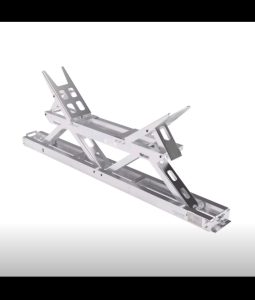
The type of bracket is one of the first things a supplier asks about, because it changes the amount of steel and the complexity of fabrication. Common forms include trough brackets for the carrying side, transition brackets near the head and tail, return brackets, V-return brackets, impact brackets under the loading point, and self-aligning brackets. Adjustable brackets allow the trough angle to be set on site, which adds cost but gives flexibility when the belt width or material load changes.
| Type | Typical Use | Price Influence |
|---|---|---|
| Trough bracket | Carrying side, 20 to 45 degree trough | Steel weight, angle, hole pattern |
| Transition bracket | Near pulleys and loading zones | Custom geometry, higher labor |
| Return bracket | Supporting the return belt | Simpler shape, lower cost |
| Impact bracket | Under crusher discharge or transfer chute | Heavier plate, reinforcement |
| Adjustable bracket | Lines where trough angle may change | Extra parts, higher unit price |
Belt width and roller diameter also influence the conveyor bracket price because they determine the crossbeam length and the distance between mounting holes. A B800 bracket with a 35 degree trough and Ø108 rollers is not priced the same as a B1400 bracket with a 45 degree trough and Ø133 rollers. The hole spacing and beam length are usually set by the design, not by a single fixed number.
Where Conveyor Brackets Are Used
In a stone crushing line, trough brackets carry the belt after the crusher and before the screening deck, where dust and small rock fragments are constant. In a power plant coal yard, return brackets and self-aligning brackets help keep the belt centered on long runs. The same bracket family appears in fertilizer plants, grain silos, and tunnel muck handling, though the surface treatment may differ when corrosion or moisture is a concern.
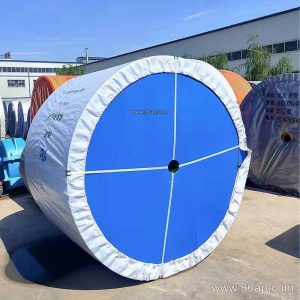
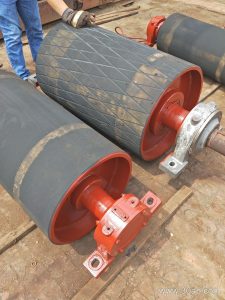
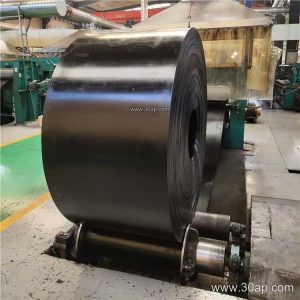
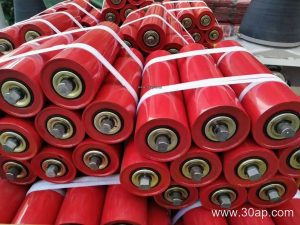
Brackets work together with the conveyor belt, the idler roller, and the conveyor pulley. A mismatch between the bracket angle and the roller frame can cause the belt to sit unevenly, which shows up as spillage or edge damage. When replacing brackets, it is worth checking the condition of the rollers at the same time, since worn rollers put extra load on the bracket and shorten its life.
How to Read a Quotation
A conveyor bracket price is rarely a single number for the whole project. Suppliers usually quote per piece, by type and size, and then add freight and surface treatment. Ask for the following in writing:
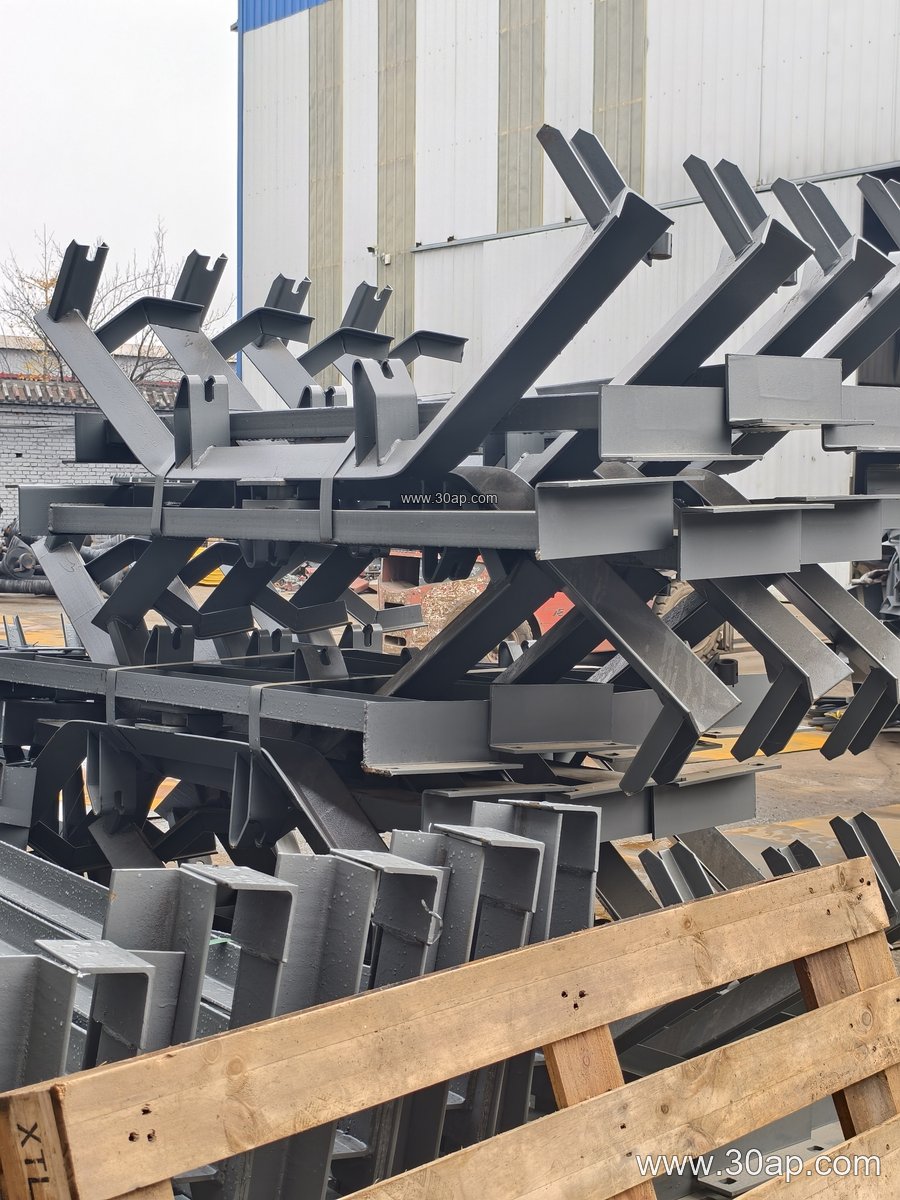
- Steel section and thickness, such as angle steel or folded plate
- Belt width range and trough angle the bracket is designed for
- Roller diameter compatibility, for example Ø89, Ø108, Ø133, or Ø159
- Mounting hole size and spacing
- Surface treatment, such as painting or galvanizing
- Minimum order quantity and packing method
For a coal mining conveyor or an iron ore line, flame retardant and abrasion resistant belt grades are often specified, and the bracket should be matched to the same duty level. A heavy-duty mining conveyor belt running at high tonnage needs brackets that will not flex under load. In a cement plant, heat resistant conveyor belt sections near the kiln discharge may call for brackets that tolerate higher temperatures without losing shape.
Practical Buying Advice
Do not compare conveyor bracket prices without comparing the drawing. A cheaper bracket with thinner steel or a shorter weld may cost more over time if it deforms and misaligns the rollers. Ask for a sample or a dimensional drawing for the first order, and confirm that the bracket fits the existing roller frames. For projects using EP conveyor belt or steel cord conveyor belt, the bracket and roller selection should follow the belt tension and load, not the other way around.
Finally, keep a small stock of the most common brackets on site. Replacing a bent bracket quickly avoids belt tracking problems and keeps the line running. The right conveyor bracket price is the one that balances steel quality, fit, and delivery, not simply the lowest quote.