What an NN Conveyor Belt Is
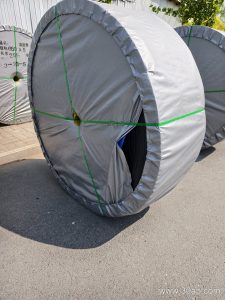
An NN conveyor belt is a fabric-core belt built on nylon (polyamide) warp and nylon weft cords. In the trade it is also called a nylon conveyor belt or, more precisely, an NN fabric core conveyor belt. The double-N refers to the two nylon directions in the carcass, which separates it from EP belts that combine polyester warp with polyamide weft. Both belong to the wider family of fabric core conveyor belts, so buyers comparing quotations should check which carcass is actually offered rather than treating the names as interchangeable.
Because nylon is strong and elastic, an NN belt absorbs start-up shock and impact loading well. That makes it a common choice for primary crushing stations, transfer points and long inclined runs where the belt must flex repeatedly around pulleys without cracking. It is used across mining, coal preparation, cement plants, power stations, quarries and sand and gravel yards.
How the Belt Is Built
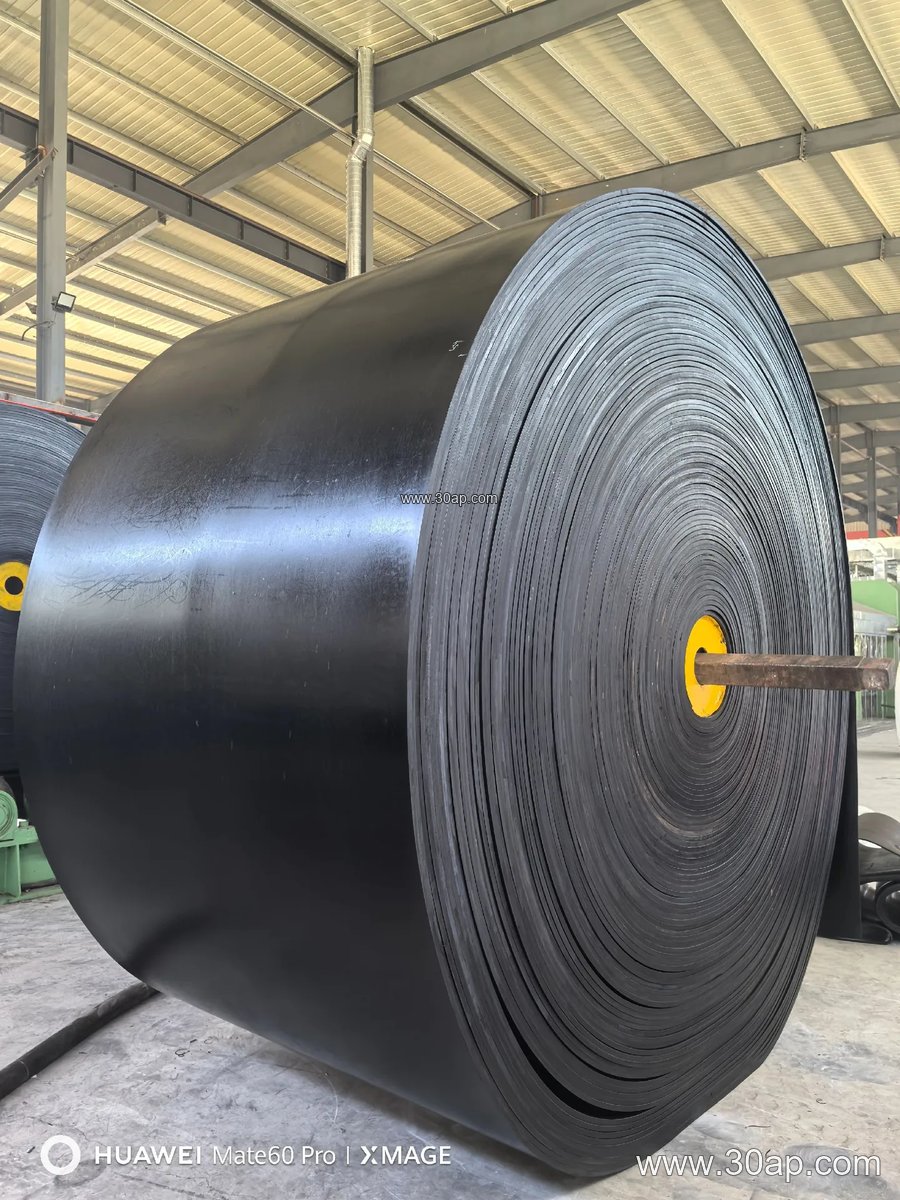
The carcass consists of multiple plies of nylon fabric bonded with rubber, then protected by top and bottom cover rubber. Typical constructions run from 2 to 6 plies depending on the duty. Cover thickness is usually quoted as a pair, for example 4+2 mm or 6+2 mm, where the first figure is the carrying cover and the second the pulley side.
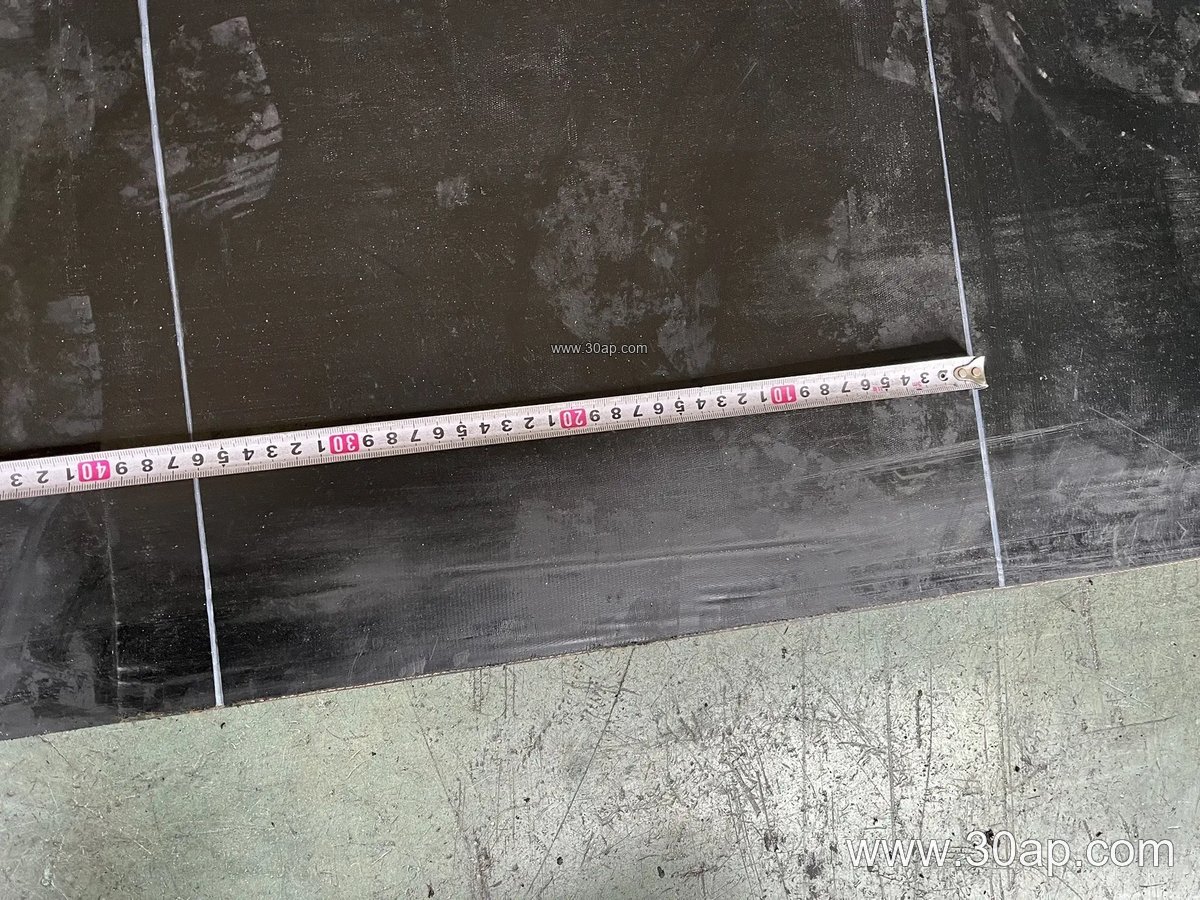
Strength grades are written as NN100, NN200, NN300, NN400 and so on, up to the higher classes. These figures describe the nominal tensile strength of the carcass per unit width, not the final belt rating in service. Actual allowable working tension also depends on splice efficiency, pulley diameters and the safety factor chosen for the conveyor design.
| Parameter | Common Reference Values |
|---|---|
| Strength grade | NN100, NN200, NN300, NN400 (higher grades by request) |
| Number of plies | 2 to 6 |
| Belt width | B500, B650, B800, B1000, B1200, B1400, B1600, B1800, B2000 |
| Cover thickness | 3+1.5, 4+2, 5+2, 6+2, 8+3 mm |
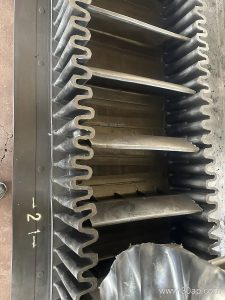
| Surface options | Smooth, chevron, corrugated sidewall, skirted |
Special grades include heat resistant, oil resistant, abrasion resistant, flame retardant, anti-static and cold resistant versions. In underground coal mining, flame retardant and anti-static properties are usually mandatory, and PVC or PVG belts are also common there; an NN belt is chosen when its elastic behaviour and strength suit the profile.
Where It Fits on the Conveyor
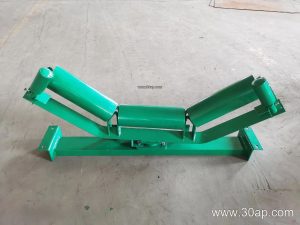
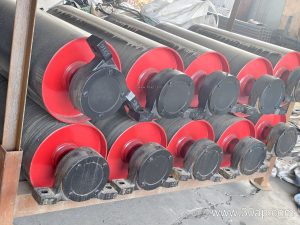
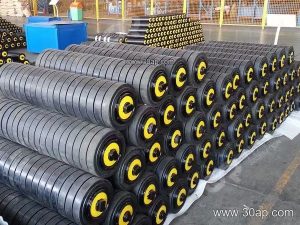
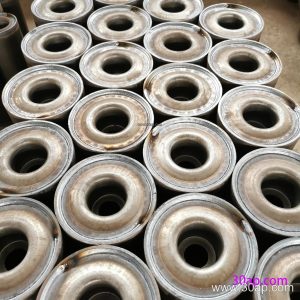
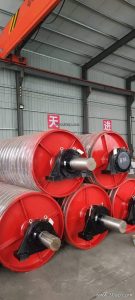
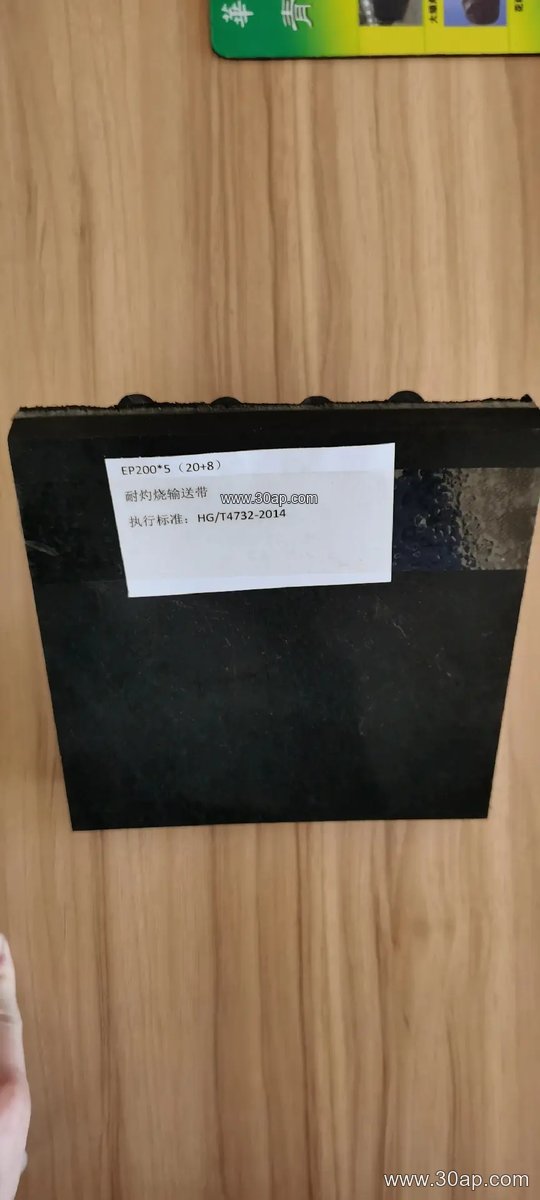
An NN belt does not work alone. It runs over a drive pulley, a tail pulley and bend pulleys, supported by idler rollers and held by conveyor brackets and frames. The belt tension, troughability and flex life all influence how those components are specified. On a long overland or plant conveyor, an idler roller with the wrong roll diameter or spacing can shorten belt life, so belt and hardware should be engineered together.
Typical duties include:
- Mining and quarry conveyors moving ore, rock and aggregate after crushing
- Coal handling and preparation plants, with flame retardant grades where required
- Cement plants carrying clinker, limestone and raw meal
- Power plant coal yards and ash handling lines
- Sand and gravel yards, recycling lines and port bulk terminals
For steep inclines, a chevron conveyor belt or a corrugated sidewall belt may be preferred, while enclosed routes may use a pipe conveyor belt. These are different constructions, not substitutes for a standard NN belt, but they show how the carcass choice follows the route.
Selection Points for Buyers
Start with the conveyor design data: capacity, belt speed, incline, lump size, material temperature and the required safety factor. Then match the NN grade and ply count to the calculated working tension. Confirm cover thickness against abrasion and impact, and check whether heat, oil or fire resistance is needed. Belt width should follow the conveyor frame and idler set rather than being fixed by habit.
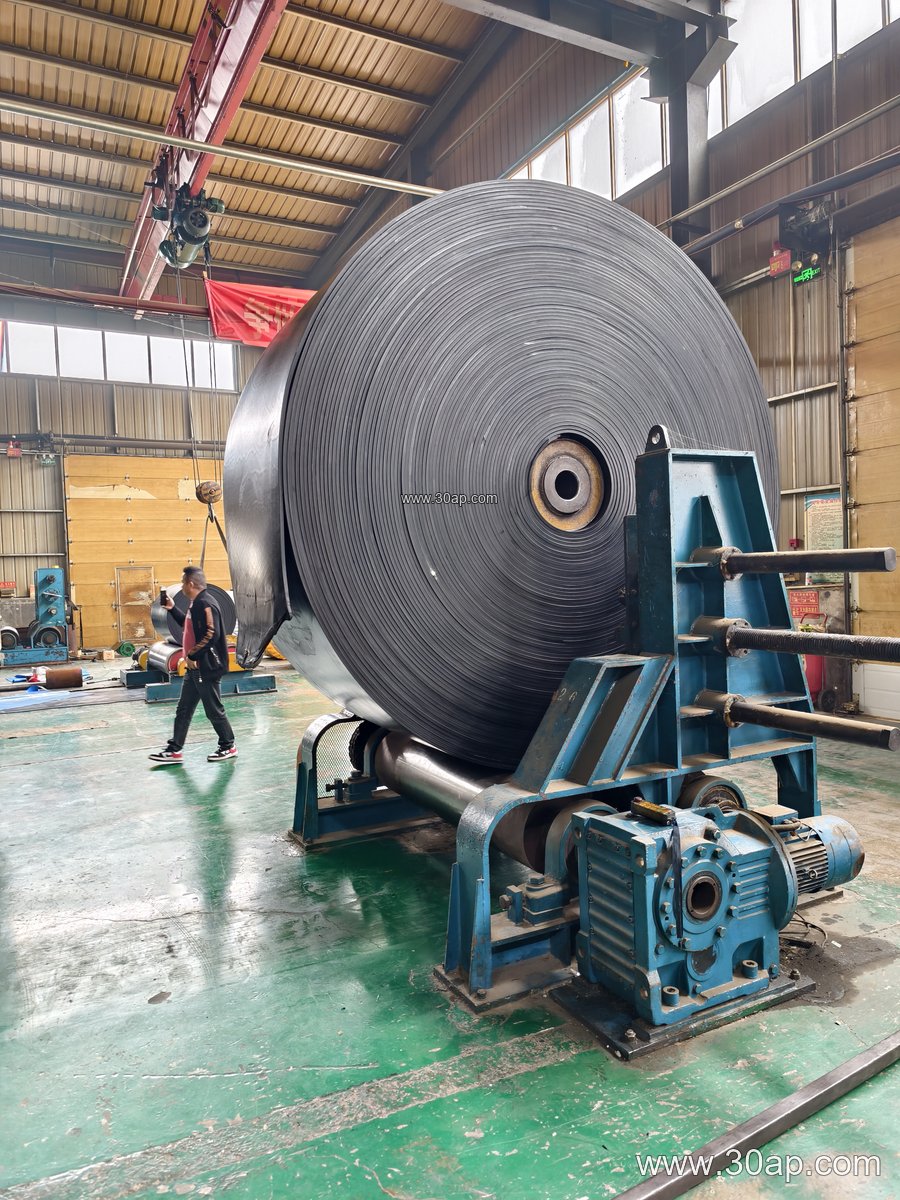
Check pulley diameters against the belt construction, since a thin, flexible carcass tolerates smaller pulleys than a stiff heavy-duty one. Ask how the belt will be joined, because splice quality often limits real strength. For a long run, an endless conveyor belt made to length can reduce joint problems.
Care in Service
Track belt wear at loading points, keep skirts and chutes from rubbing, and check idler rollers for seizure. Misalignment at the tail pulley or a worn bend pulley can cause edge damage that spreads quickly. Store spare belts away from sunlight, heat and oil, and keep records of cover wear so replacement is planned rather than reactive.
Used within its design envelope, a well-specified NN belt gives reliable service in demanding bulk material handling, from an underground mine to a cement kiln line or a power plant stockyard.