What a High-Capacity Idler Does in a Conveyor Line
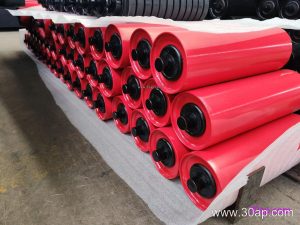
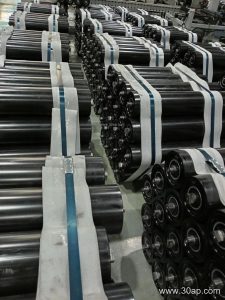
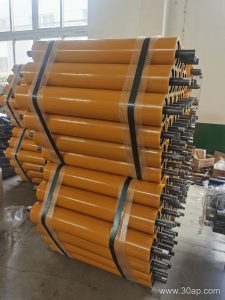
A high-capacity idler is a heavy-duty roller assembly engineered to support the conveyor belt and the material load on high-tonnage, high-speed, or wide-belt conveying systems. It is not simply a standard idler with a thicker tube; the design considers load distribution, bearing life, sealing integrity, and frame stiffness as a system. In a quarry conveyor or a coal mining conveyor belt line, the difference between an ordinary idler and a high-capacity idler often shows up in uptime and belt tracking rather than in the catalogue sheet.
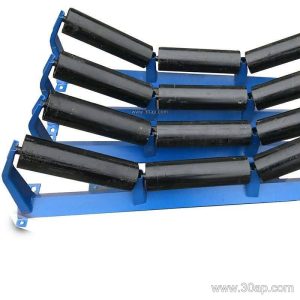
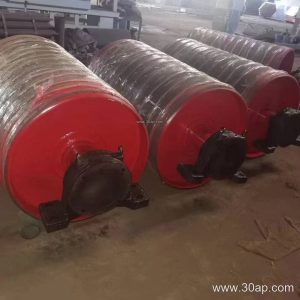
This idler roller type is typically used on the carry side, where the belt and bulk material press down on the rolls. Depending on the conveyor profile, it may appear as a three-roll troughing set, a two-roll transition arrangement, or a single-roll unit near the loading zone. The high-capacity idler is distinct from a bend pulley or a tail pulley, which redirect the belt rather than support it along the run. A conveyor pulley and a conveyor bracket complete the same conveyor, but each performs a different mechanical job.
Construction Details That Matter
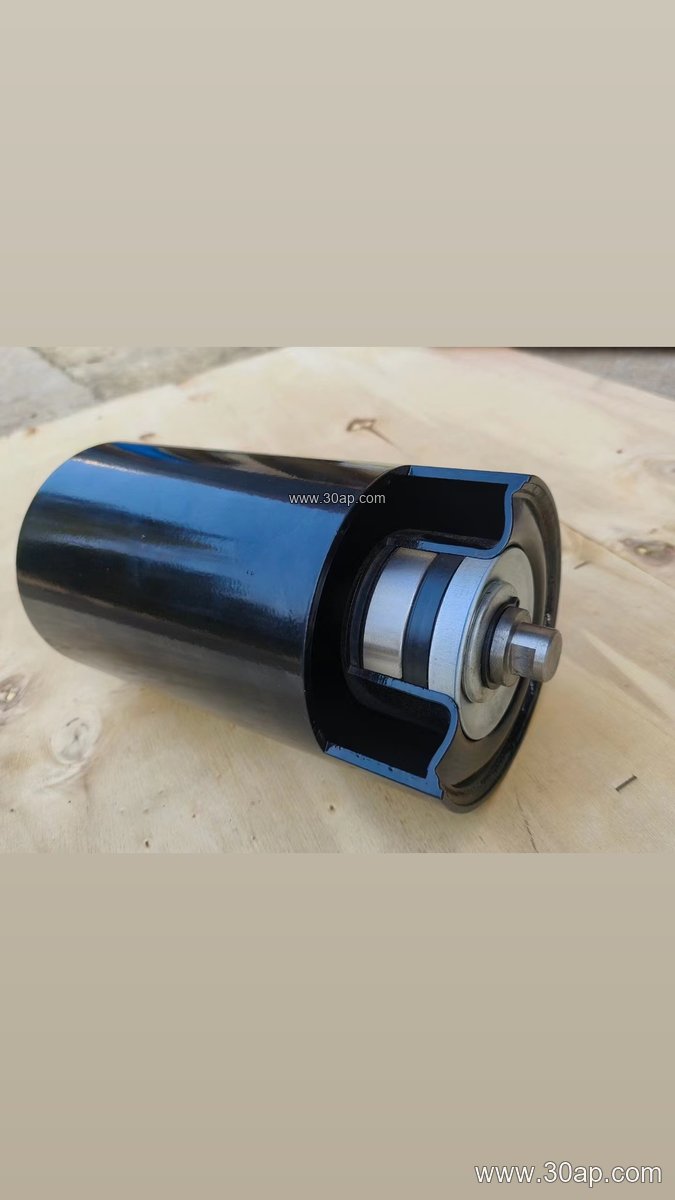
High-capacity idlers usually combine a thick-walled steel tube, reinforced end caps, and a bearing housing sized for the radial and axial loads of the application. Common roller diameters for this class include Ø127, Ø133, Ø159, Ø178, and Ø194 mm, though the final choice follows belt width and load calculations. Bearing selections often fall in the 6305, 6306, 6308, or 6310 range, and the bearing should not be treated as a fixed match for any single roller diameter.
Sealing is a defining feature. Dust from a crusher conveyor, grit from an aggregate conveyor, and fine particles in a cement plant all attack bearing cavities. A high-capacity idler generally uses a multi-stage labyrinth seal, sometimes with additional grease retention features. The roller surface may be plain steel, or it may carry rubber rings in impact zones; in those positions a rubber-disc impact idler is often compared with the high-capacity idler for cushioning, but the two are not interchangeable duties.
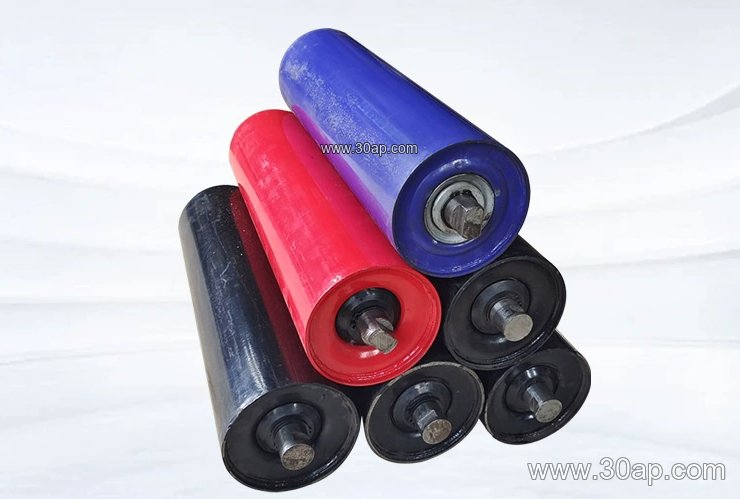
Roll length varies with belt width, trough angle, and roll arrangement. For reference, three-roll troughing sets commonly use roll lengths around 200 mm for B500, 315 mm for B800, 380 mm for B1000, 465 mm for B1200, and 600 mm for B1600. These are common examples, not fixed pairings, and side rolls may differ from the centre roll. A conveyor belt of 1200 mm width does not dictate one single pulley diameter or one shaft size.
Where High-Capacity Idlers Are Used
These idlers suit bulk material conveyor systems that move abrasive or heavy loads at sustained rates. In an iron ore or copper ore terminal, the carry idlers must resist both weight and grit. In a power plant coal handling line, flame retardant conveyor belt and anti-static conveyor belt grades are often specified alongside robust idlers. A limestone quarry or sand and gravel plant may use them under crusher discharge, where impact resistant conveyor belt grades and cushioning idlers work together. The same high-capacity idler can be found on a cement plant clinker line or a steel plant sinter conveyor.
Selection should also account for belt construction. A steel cord conveyor belt or a heavy-duty fabric core conveyor belt such as EP200 or EP300 transmits load differently from a lightweight PVC conveyor belt. The idler spacing, trough angle, and roll diameter are set by the conveyor designer using belt tension, material bulk density, and desired sag. A high-capacity idler should be specified with the conveyor bracket and frame so that mounting dimensions, roll end clearance, and alignment are compatible.
Specification and Selection Notes
Buyers should confirm the belt width, the trough angle, the idler type, and the expected load before choosing a high-capacity idler. The table below shows common reference ranges, not a supply promise for every plant.
| Parameter | Common Reference |
|---|---|
| Roller diameter | Ø127, Ø133, Ø159, Ø178, Ø194 mm |
| Belt width | B800, B1000, B1200, B1400, B1600, B1800 |
| Trough angle | 20°, 30°, 35°, 45° |
| Bearing | 6205, 6305, 6306, 6308, 6310 |
| Roll surface | Steel tube, rubber rings, ceramic lagging |
Do not assume that a wider belt automatically requires a larger shaft diameter; the shaft and bearing are determined by the actual load and the idler manufacturer’s design. Likewise, a high-capacity idler is not a substitute for a drive pulley, tail pulley, or bend pulley in the conveyor drive and take-up system. For abrasive service, pair the idler with an abrasion resistant conveyor belt; for hot material, use a heat resistant conveyor belt and confirm the idler’s temperature limits. In underground coal mining, flame retardant conveyor belt and fire resistant conveyor belt requirements usually govern the complete conveyor assembly.
Maintenance and Buyer Checklist
- Check roller rotation and listen for bearing noise during routine walks.
- Verify seal condition where dust or water is present.
- Confirm that idler spacing matches the belt’s load and sag limits.
- Inspect the conveyor bracket and frame for corrosion or movement.
- Match replacement idlers to the original diameter, roll length, and bearing series.
For more information on compatible conveyor components, visit www.example.com/conveyor-idler or www.example.com/high-capacity-idler. A well-chosen high-capacity idler supports the belt, protects the splice, and keeps the conveyor pulley and drive system operating within design limits.