What a Heat Resistant Conveyor Belt Is
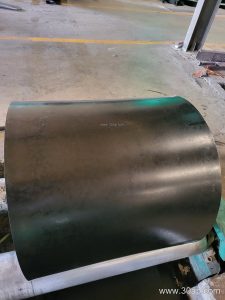
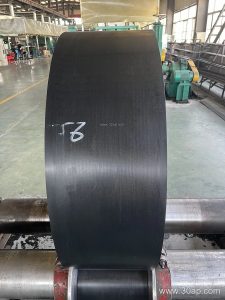
A Heat Resistant Conveyor Belt is a heavy-duty rubber belt built to carry hot bulk materials without the cover cracking, hardening or separating from the carcass. It is also known as a High Temperature Conveyor Belt, and the two names describe the same product. In cement plants, steel plants, power plants and sintering operations, material leaving a kiln, cooler or furnace can still be hot when it reaches the belt line, so the cover compound and the carcass must be matched to the working temperature rather than to ambient conditions.
This belt should not be confused with general-purpose rubber belting. A standard Rubber Conveyor Belt may handle warm sand or aggregate, but sustained heat demands a dedicated compound and a carcass that keeps its adhesion at elevated temperatures.
Construction and Compound Choices
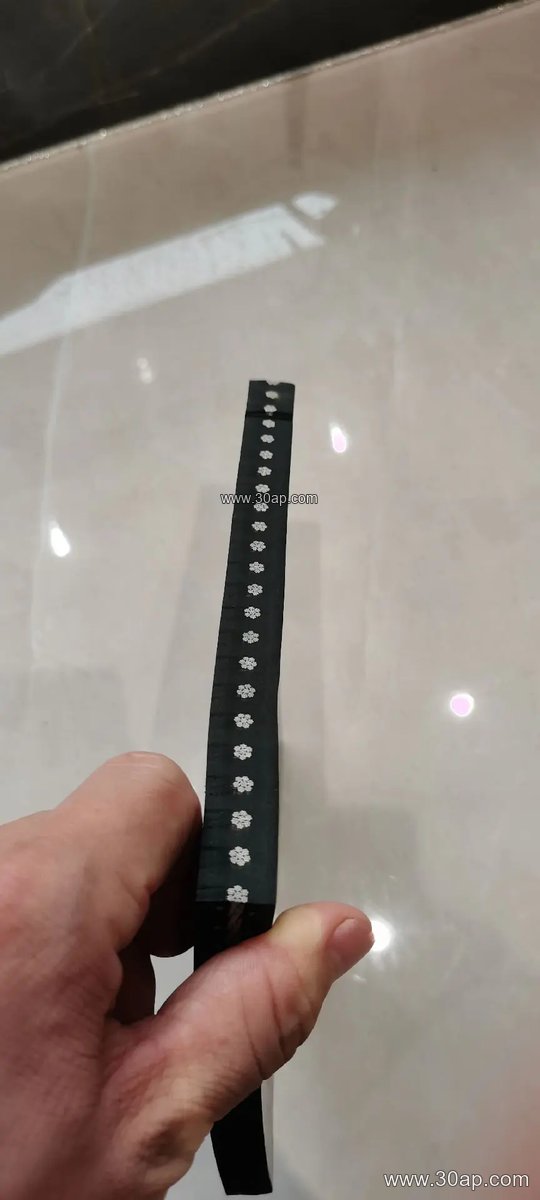
The belt is usually built as a multi-ply structure. A Fabric Core Conveyor Belt uses EP or NN fabric plies, and for hot service an EP Conveyor Belt is common because polyester and nylon plies retain strength well when the rubber is compounded for heat. Heavier lines use a Steel Cord Conveyor Belt where very high tension and long center distances are involved, and the rubber skim between cords must be selected for the same thermal duty.
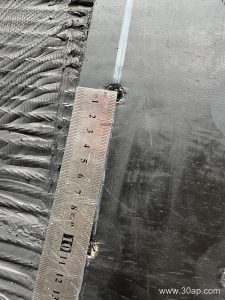
Cover thickness matters as much as compound. Common top and bottom cover combinations include 4+2 mm, 5+2 mm, 6+2 mm and 8+3 mm, while 3+1.5 mm is often seen on lighter belts. Carcass ply counts typically run from 2 to 6 layers, depending on the required strength grade.
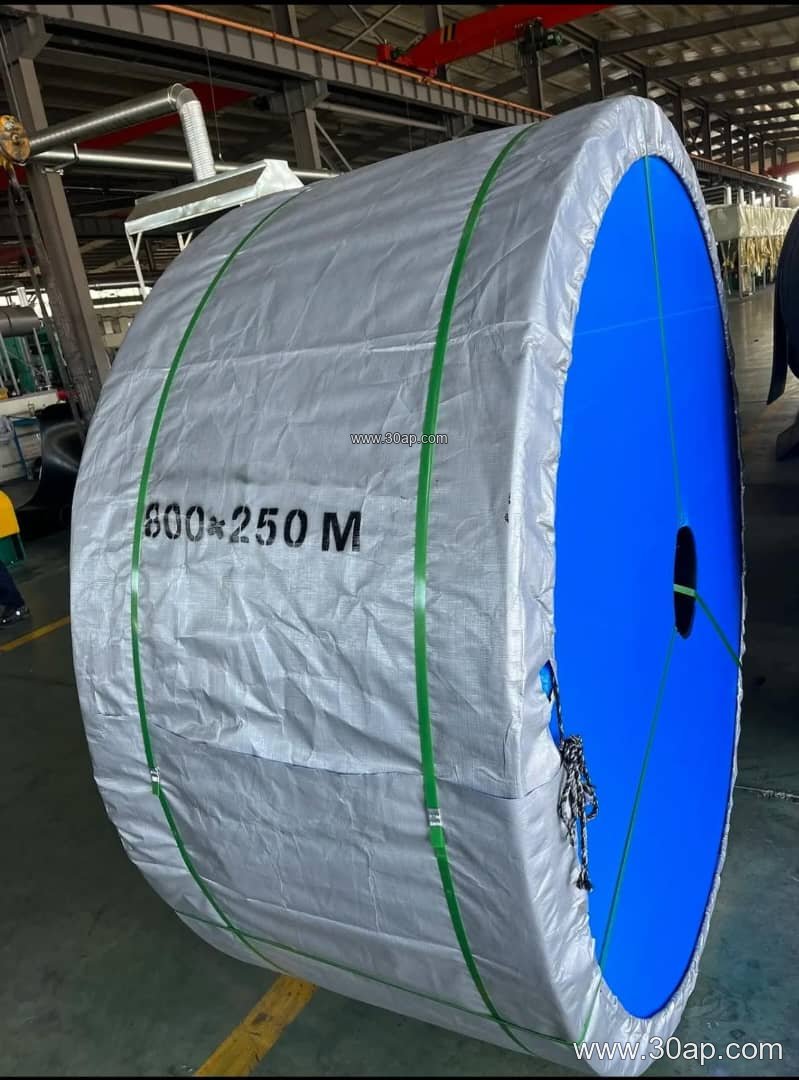
- Cover compound formulated for hot surfaces and hot fines
- EP or NN fabric plies, or steel cords for high-tension routes
- Thicker top cover to absorb abrasion and thermal cycling
- Edge protection to limit cover separation at the belt edges
When a plant also needs flame protection underground, a combined grade such as a Mining Flame Retardant Conveyor Belt or a Fire Resistant Conveyor Belt may be specified alongside heat resistance. That is a different requirement, and the two properties should be stated separately to the supplier.
Where It Works in the Plant
Cement plants use it on clinker lines after the cooler, where a Cement Conveyor Belt carries hot, abrasive lumps. Power plants apply it on ash and slag handling routes. Steel plants use it for sinter, coke and hot briquettes. In mining, a Mining Conveyor Belt may feed a crusher, and a Crusher Conveyor Belt on a hot discharge side can benefit from a heat-rated cover even when the rest of the line uses an Abrasion Resistant Conveyor Belt.
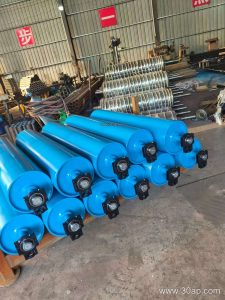
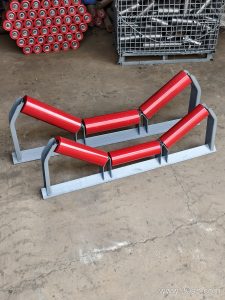
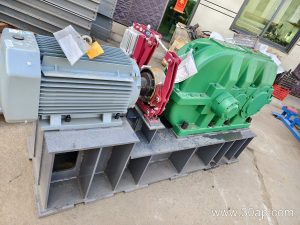
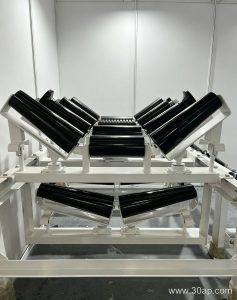
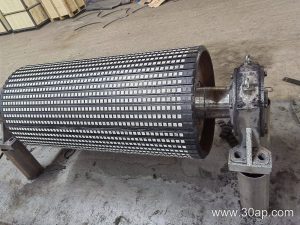
The rest of the conveyor matters too. A conveyor pulley at the head and tail, idler roller sets along the carry side, and a conveyor bracket holding the frames all need to suit the belt’s thickness and stiffness. A thicker, stiffer heat-rated belt may need larger pulley diameters than a thin belt on the same route, and bend pulley geometry should be checked so the belt flexes without cracking. Do not assume that belt width alone fixes pulley or shaft size; those dimensions come from the conveyor design.
Strength Grades and Dimensions
Strength is expressed by the EP grade, and the same belt family can be supplied in several grades. Typical references are shown below; actual values should be confirmed with the manufacturer for each order.
| Item | Common Reference Values |
|---|---|
| EP grade | EP200, EP315, EP400, EP500, EP630, EP800, EP1000, EP1250 |
| NN grade (alternative carcass) | NN100, NN200, NN300, NN400 |
| Steel cord grade | ST1000, ST1250, ST1600, ST2000 |
| Belt width | B500, B650, B800, B1000, B1200, B1400, B1600, B1800, B2000 |
| Cover thickness | 3+1.5 mm, 4+2 mm, 5+2 mm, 6+2 mm, 8+3 mm |
| Ply count | 2 to 6 plies, by design |
Width and grade combine in practice, so a line may call for an EP1000 1200mm Conveyor Belt on one section and a wider 1500mm or 1800mm belt on another. None of these sizes is universal, and the same grade can be made in several widths.
Buyer Checklist
Before ordering, record the material temperature at the belt, the lump size, the tonnage per hour, the incline and the pulley diameters. Hot fines and hot lumps stress a belt differently, and an Impact Resistant Conveyor Belt may be needed at a transfer point. State whether the route is horizontal or inclined; on steep sections a Chevron Conveyor Belt or Corrugated Sidewall Conveyor Belt may be the better choice, but those are separate products and not substitutes for heat resistance. Ask how the belt ends will be joined, since an Endless Conveyor Belt or a properly vulcanized splice reduces the risk of cover separation.
Finally, plan maintenance. Keep the idler roller surfaces free of build-up, check belt tracking at the conveyor pulley, and inspect the cover for hardening or edge cracks. A heat-rated belt lasts longer when the whole conveyor, including brackets and rollers, is kept in line with its design duty.