What a High-Friction Lagged Pulley Does
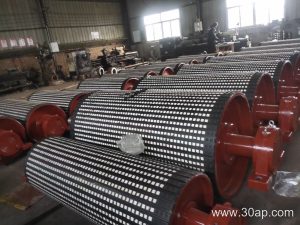
A high-friction lagged pulley is a conveyor pulley whose shell is covered with a rubber or ceramic lagging designed to increase grip on the conveyor belt. This increased friction reduces belt slip, especially when the pulley is driving a fully loaded belt or when the belt is exposed to wet, dusty, or oily conditions. In a quarry or a cement plant, a high-friction lagged pulley on the drive position helps maintain traction without excessive belt tension.
The product is also known as a high-friction rubber lagged pulley or a high-grip lagged drum. It is not the same as a tail pulley or a bend pulley, which serve different positions in the conveyor system. A drive pulley, head pulley, or tension pulley may use high-friction lagging, but each position has its own design requirements.
Construction and Surface Options
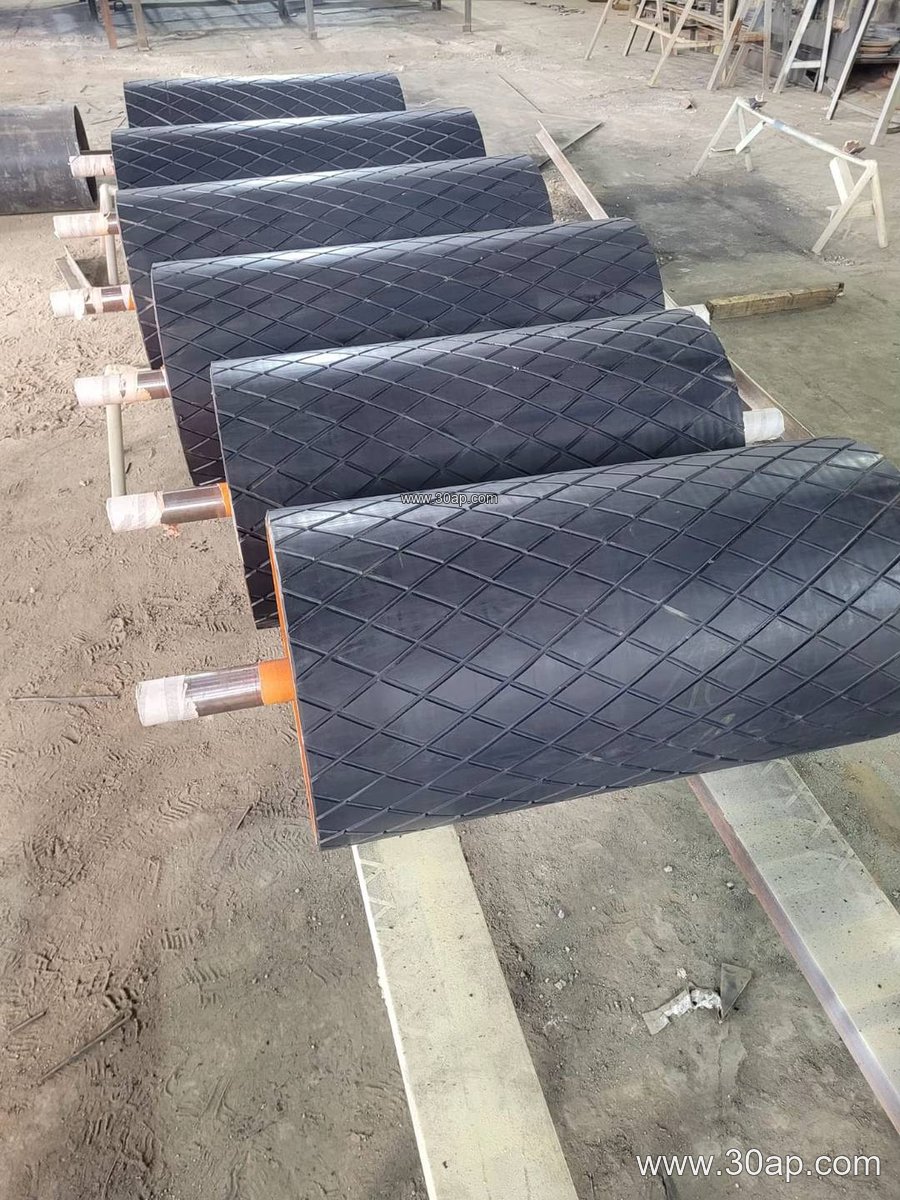
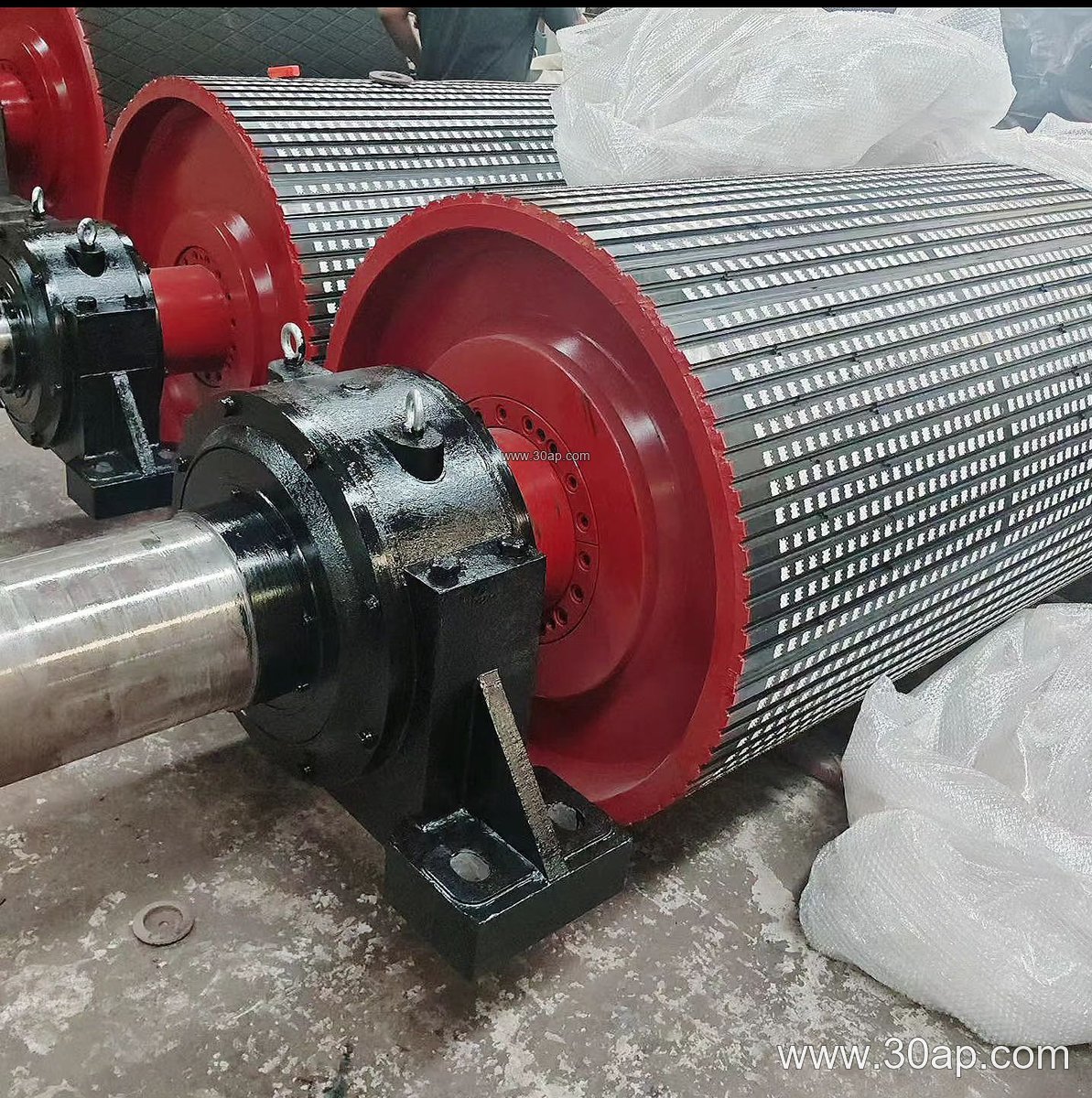
The pulley body is usually a welded steel drum with a machined face. The lagging is applied as a rubber sheet or ceramic tile and can be cold-bonded or hot-vulcanized. Common surface forms include plain rubber lagging, diamond pattern lagging, herringbone lagging, and ceramic lagging. Thickness often ranges from 8 mm to 20 mm, with 10 mm and 12 mm being common for many medium-duty conveyors.
For high-friction performance, the lagging compound is selected for a balance of friction and wear resistance. In coal mining or underground coal mining applications, flame retardant and anti-static properties may be required. In iron ore or copper ore handling, abrasion resistant rubber is often preferred to resist cutting and wear from sharp particles.
Where It Fits in a Conveyor System
A high-friction lagged pulley is typically installed at the drive or head position, where the belt must transmit power without slipping. It may also be used on a tension pulley in a take-up assembly to maintain consistent belt tension. In a port conveyor or a ship loading conveyor, the high-friction surface helps handle the high torque needed to start a fully loaded belt.
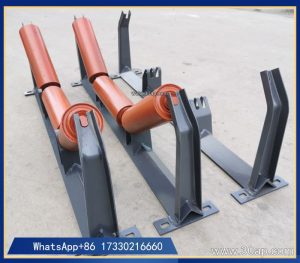
The pulley works together with the conveyor belt, idler rollers, and conveyor brackets. The belt type influences lagging choice: a heavy-duty mining conveyor belt or a steel cord conveyor belt may require a stronger grip than a lightweight EP conveyor belt. In dusty conditions, such as a coal mining conveyor or a limestone quarry, the lagging helps prevent material buildup from causing slip.
Common Sizes and Combinations
Pulley dimensions are selected according to belt width, torque, and shaft load. The table below shows common reference combinations, not fixed rules. A B1200 belt may use a Ø1000 pulley, while a B800 belt may work with a Ø500 pulley in a lighter duty line. Shaft diameter is determined by torque and load, not by belt width alone.
| Belt Width | Typical Pulley Diameter | Common Lagging Thickness |
|---|---|---|
| B500 | Ø320 to Ø400 | 8 to 10 mm |
| B650 | Ø400 to Ø500 | 10 mm |
| B800 | Ø500 to Ø630 | 10 to 12 mm |
| B1000 | Ø630 to Ø800 | 12 mm |
| B1200 | Ø800 to Ø1000 | 12 to 15 mm |
| B1400 | Ø1000 to Ø1250 | 15 mm |
| B1600 | Ø1250 to Ø1400 | 15 to 20 mm |
Face width is usually wider than the belt, for example B1200 may have a 1400 mm face. When selecting a high-friction lagged pulley, consider the conveyor belt type, the material being conveyed, and the environmental conditions. A flame retardant conveyor belt in an underground coal mine may need a lagging that meets similar safety requirements. An oil resistant conveyor belt in a recycling plant may require a lagging that resists swelling.
Buyer Checklist
- Confirm the pulley position: drive, head, tail, bend, or tension. Drive and head pulleys benefit most from high-friction lagging.
- Match lagging surface to conditions: plain rubber for general use, diamond or herringbone for wet or dusty belts, ceramic for high abrasion.
- Check belt width and pulley face width to ensure proper belt tracking.
- Verify shaft diameter and bearing size based on calculated torque and load.
- Consider belt type: steel cord, fabric core, or multi-ply fabric core belts may require different lagging hardness and thickness.
- For mining and coal handling, specify flame retardant and anti-static lagging where needed.
For more information on conveyor components, visit conveyor pulley and conveyor belt pages. A high-friction lagged pulley is a focused solution for traction, not a replacement for proper belt tensioning or maintenance.