What a Sealed Idler Does on a Conveying System
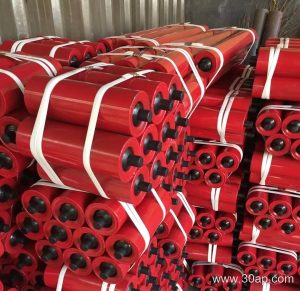
A sealed idler is a carrying or return roller whose bearing housing is protected against fine particles, moisture, and washdown spray. On a coal yard belt, a limestone crushing circuit, or a cement clinker line, grit and slurry reach the roller ends far more often than most operators expect. The seal is the difference between a roller that turns freely for years and one that locks up and wears a flat spot into the conveyor belt.
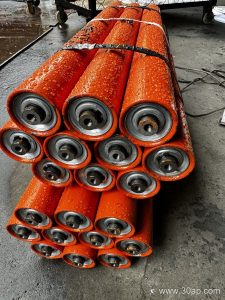
The sealed idler roller is still a idler roller in function. It supports the belt, keeps the trough shape, and lets the belt run at speed with low friction. The sealing arrangement changes the internal details, not the job.
How the Sealing Is Built
Most designs combine a labyrinth path with a contact lip seal, and some add a grease-filled chamber between the two. The labyrinth handles the coarse dust, while the lip keeps out water and fine powder. A typical bearing seat uses 6204, 6205, 6305, 6306, 6308, or 6310 bearings depending on roller diameter and load. No single bearing is tied to one roller size; the choice follows the radial load and the expected service life.
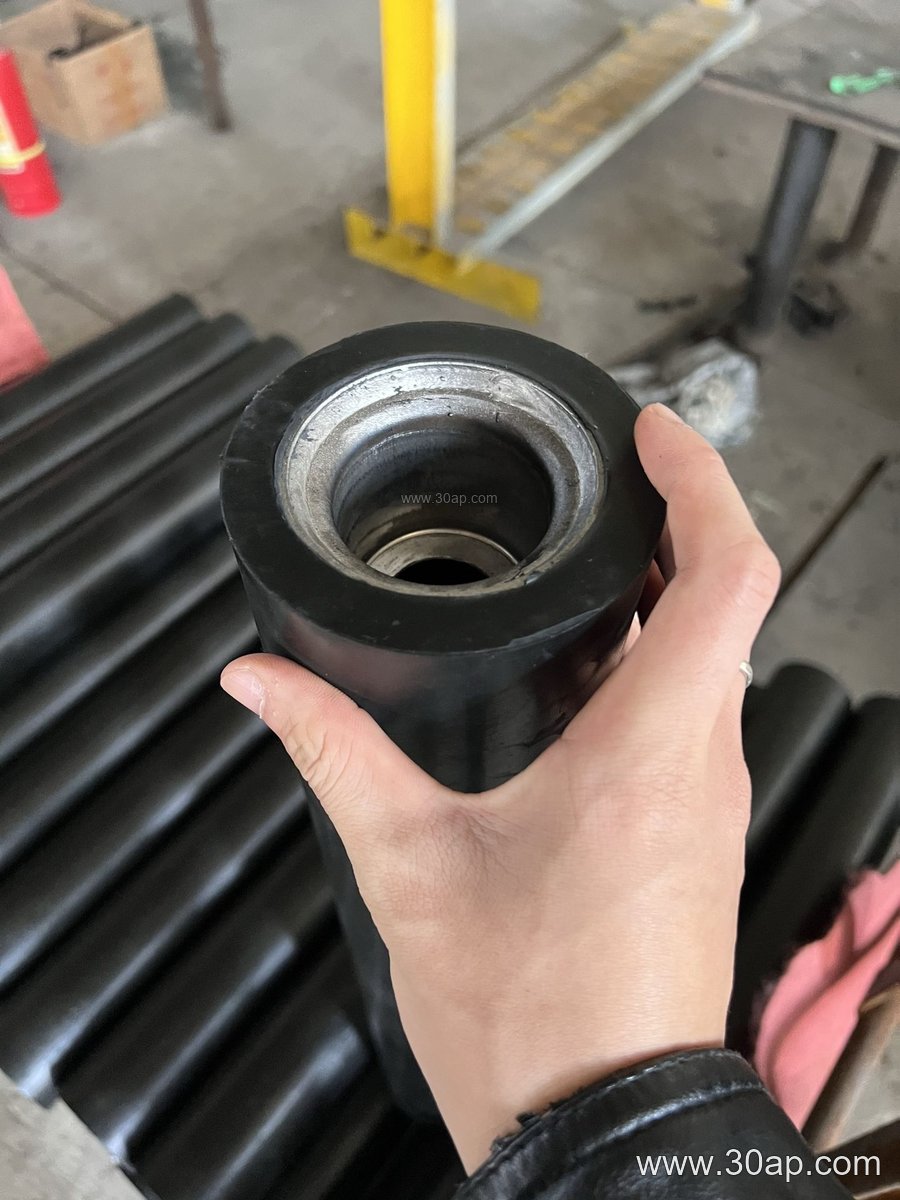
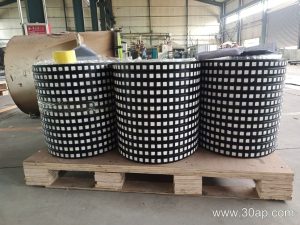
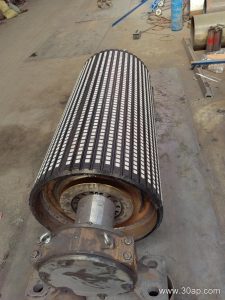
The roller shell is usually steel tube, with nylon, ceramic, or rubber lagging as an option where abrasion or build-up is a concern. Shaft ends and the mounting flats are machined so the roller drops into a conveyor bracket or frame without shimming. A well-sealed unit should spin by hand with light resistance and no grinding feel.
Where Sealed Idlers Fit
These rollers suit applications where airborne dust or moisture is continuous rather than occasional:
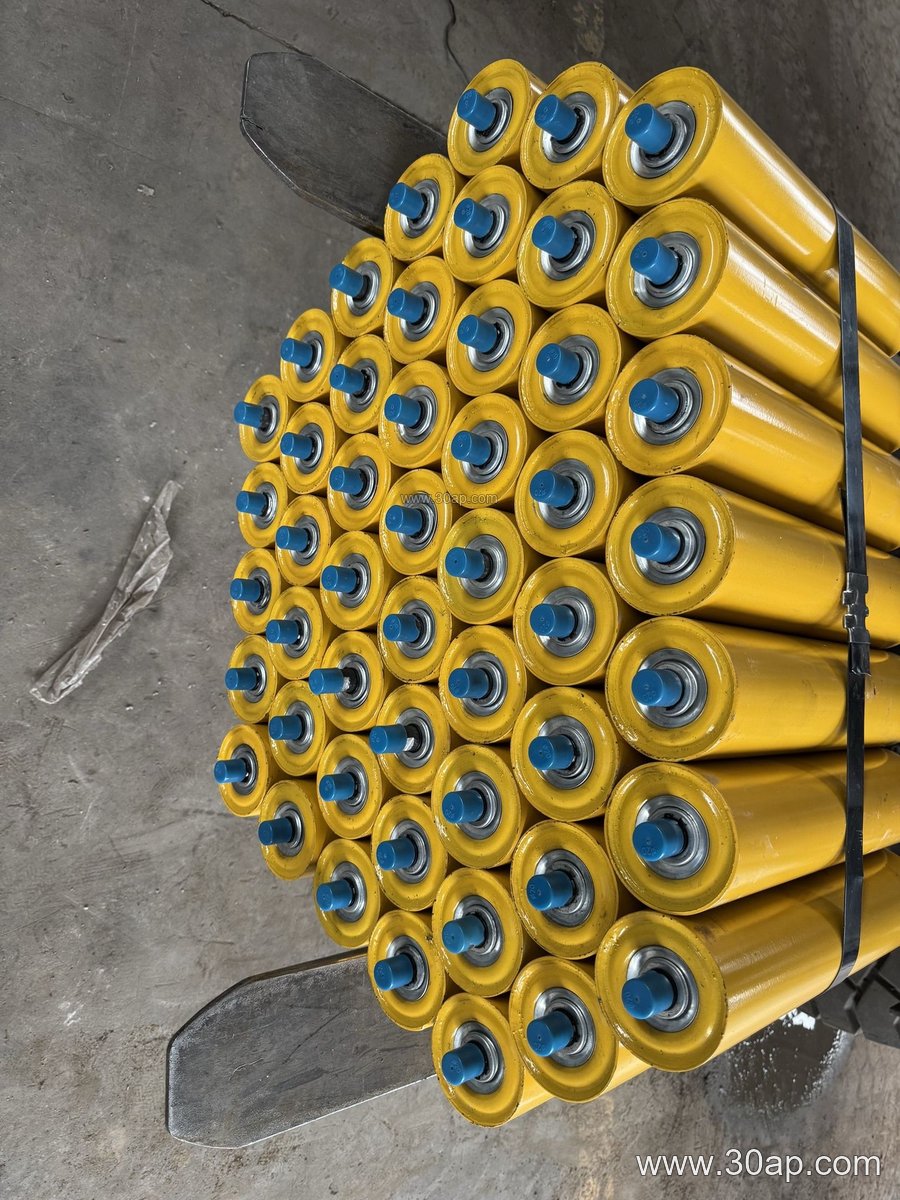
- Coal handling and washing plants, where fine coal and water mix
- Limestone and iron ore crushing and screening lines
- Cement plants, especially clinker and raw meal transfer points
- Power station coal conveyors and ash handling
- Sand and gravel aggregate lines with wash screens
- Fertilizer and grain terminals that need washdown-friendly rollers
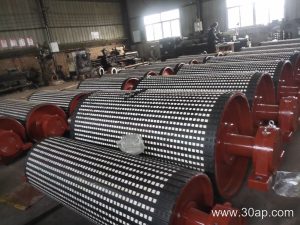
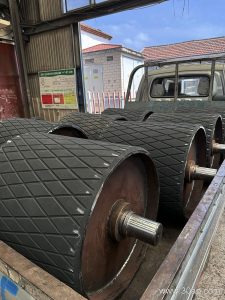
The same sealing logic applies to return positions, where the belt back can carry sticky material, and to impact zones after a crusher discharge. In those spots a rubber-disc impact roller with sealed bearings is often chosen, but it is still an idler, not a pulley.
Common Sizes and Configurations
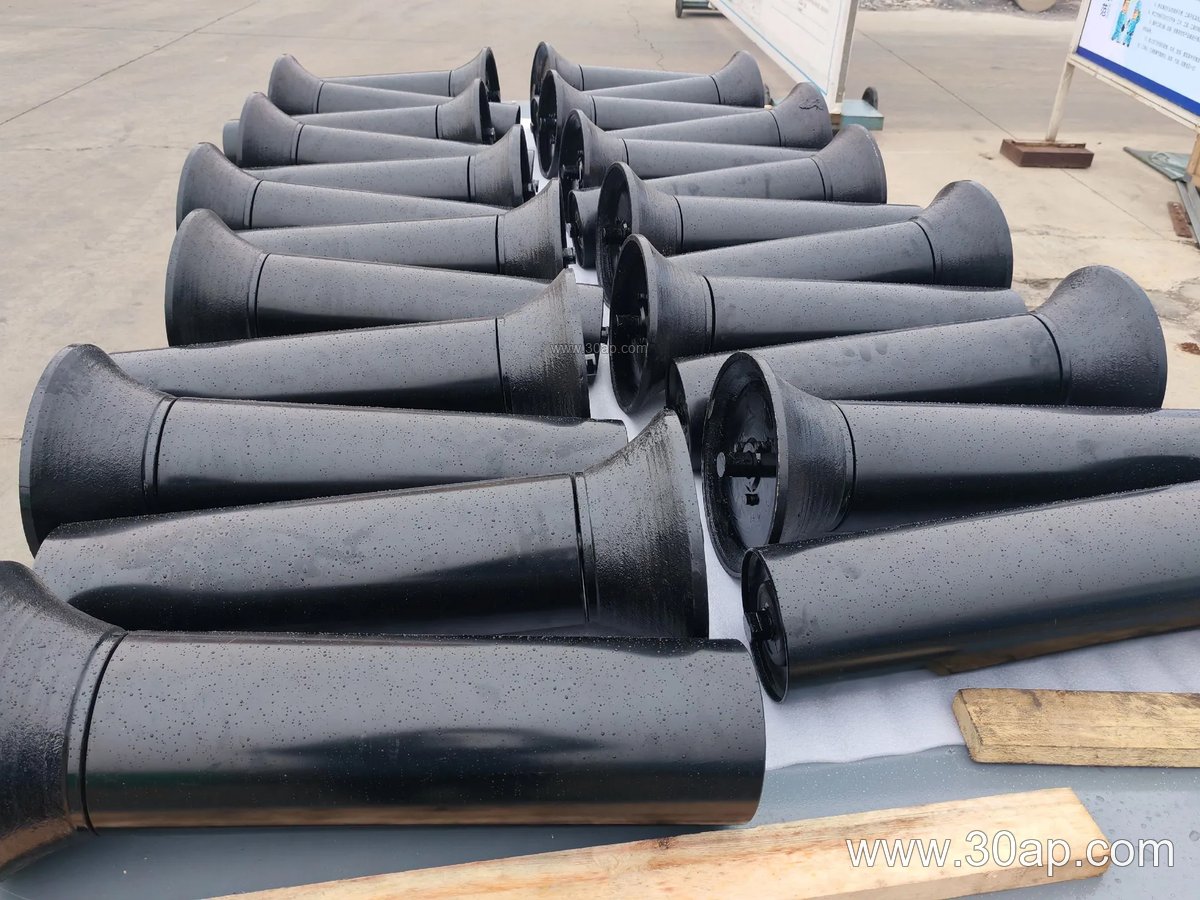
Sealed idlers are available in the usual roller diameters and belt widths. The table below lists common reference values; actual selection depends on belt speed, load, and trough angle.
| Item | Common options |
|---|---|
| Roller diameter | Ø63, Ø76, Ø89, Ø102, Ø108, Ø127, Ø133, Ø159, Ø178, Ø194, Ø219 mm |
| Belt width | B400, B500, B650, B800, B1000, B1200, B1400, B1600, B1800, B2000, B2200, B2400 |
| Trough angle | 20°, 30°, 35°, 45° |
| Roller group | single, two-roll, three-roll troughing |
| Roller surface | steel tube, nylon, ceramic, rubber rings |
| Bearing | 6204, 6205, 6305, 6306, 6308, 6310 |
Roll length changes with belt width and trough form. As a rough guide, a three-roll troughing set might use about 200 mm rolls at B500, 250 mm at B650, 315 mm at B800, 380 mm at B1000, 465 mm at B1200, 530 mm at B1400, 600 mm at B1600, 670 mm at B1800, and 750 mm at B2000. Side rolls and center rolls can differ, so these are examples rather than fixed matches.
Selection Notes for Buyers
Start with the environment. If the conveyor sees continuous water spray, choose a seal with a contact lip and a grease cavity. If the problem is dry abrasive dust, a labyrinth seal with a close clearance may be enough. Check the roller diameter against belt speed: larger rollers turn slower and can last longer under heavy load, but they also raise the belt line and may not fit an existing bracket.
Confirm the shaft end form and the bracket spacing before ordering. A sealed idler that does not seat correctly will still fail early, no matter how good the seal is. Also match the roller surface to the material. Rubber rings help on impact zones, ceramic suits severe abrasion, and plain steel works for general cargo.
Finally, treat sealing as a system. A sealed idler works best with a straight, well-aligned conveyor, a clean return path, and a belt that is not overloaded. When the belt wanders, the roller end takes side load and the seal is the first part to suffer. Checking roller rotation during routine inspections catches a failing seal before it damages the conveyor belt.