Optimizing Trough Angles and Structural Support in Aggregate Processing Lines
At a busy aggregate plant handling heavy stone and abrasive rock, the continuous movement of bulk materials demands precision engineering. The physical backbone of this operation relies on a robust conveyor frame designed to maintain alignment under extreme loads. Selecting the correct trough angle for your system directly impacts material containment, especially when dealing with high-capacity flows on an aggregate conveyor belt.
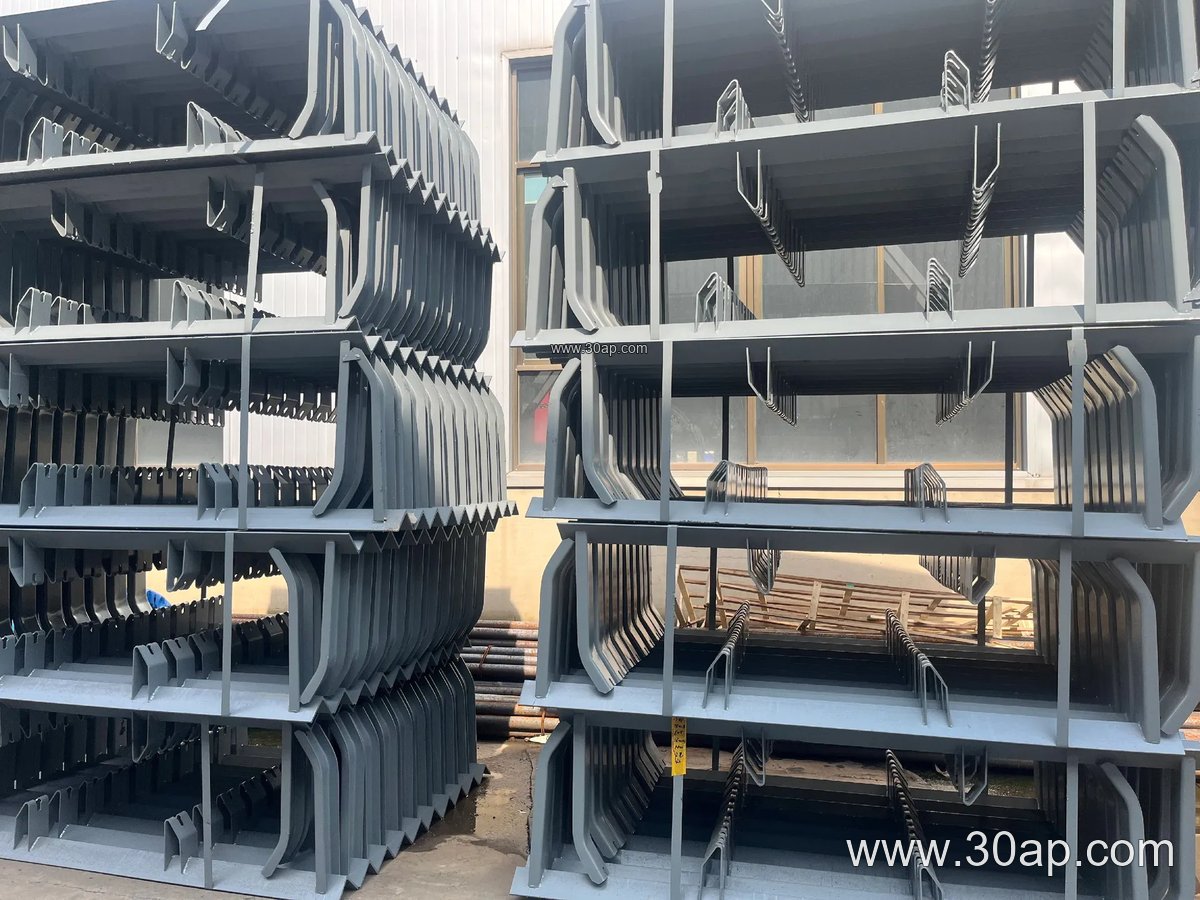
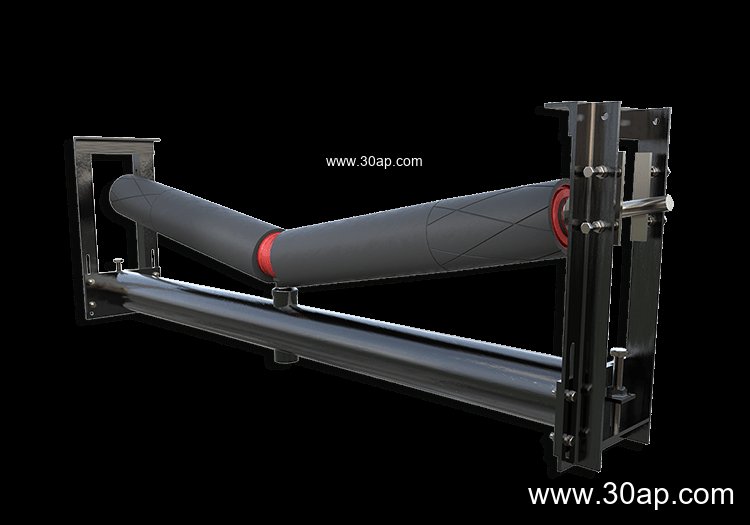
Understanding Trough Angles and Structural Variants
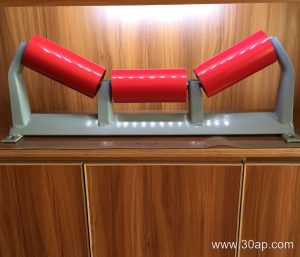
The configuration of the upper structure dictates how well the bulk material settles during transit. Different operational requirements call for specific structural designs paired with the appropriate idler roller assemblies. For example, steeper trough angles increase the cross-sectional load capacity, allowing the system to move more volume without spillage. Below is a reference chart showing common structural widths, available trough angles, and corresponding roller diameters typically found in heavy-duty material handling setups:
| Bandwidth / Width | Trough Angle Options | Roller Diameters | Primary Structural Material |
|---|---|---|---|
| B800 | 30 度, 35 度 | Ø108, Ø133 | Angle Steel / Channel Steel |
| B1000 | 35 度, 45 度 | Ø133, Ø159 | Channel Steel / Steel Plate Bending |
| B1200 | 35 度, 45 度, Adjustable | Ø159, Ø194 | Channel Steel |
| B1400 | 45 度 | Ø194 | Heavy-Duty Steel Plate Bending |
Balancing the Conveyor Frame with Rollers and Belts
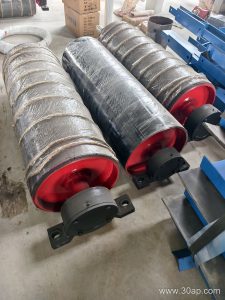
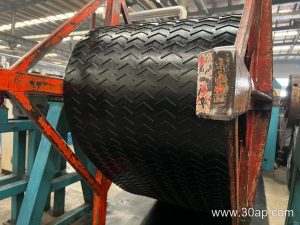
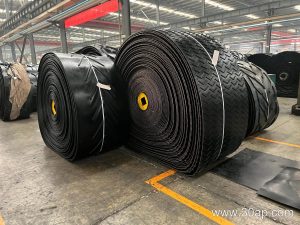
A successful installation requires harmony between the structural support, the moving heavy-duty conveyor belt, and the rotating components. The drive pulley and tail pulley manage tension and propulsion, while the intermediate sections rely heavily on precision-welded brackets. Engineers often specify adjustable designs or forward-tilted variants (commonly around 1.5 degrees to 2 degrees) to assist with belt tracking and prevent lateral drifting.
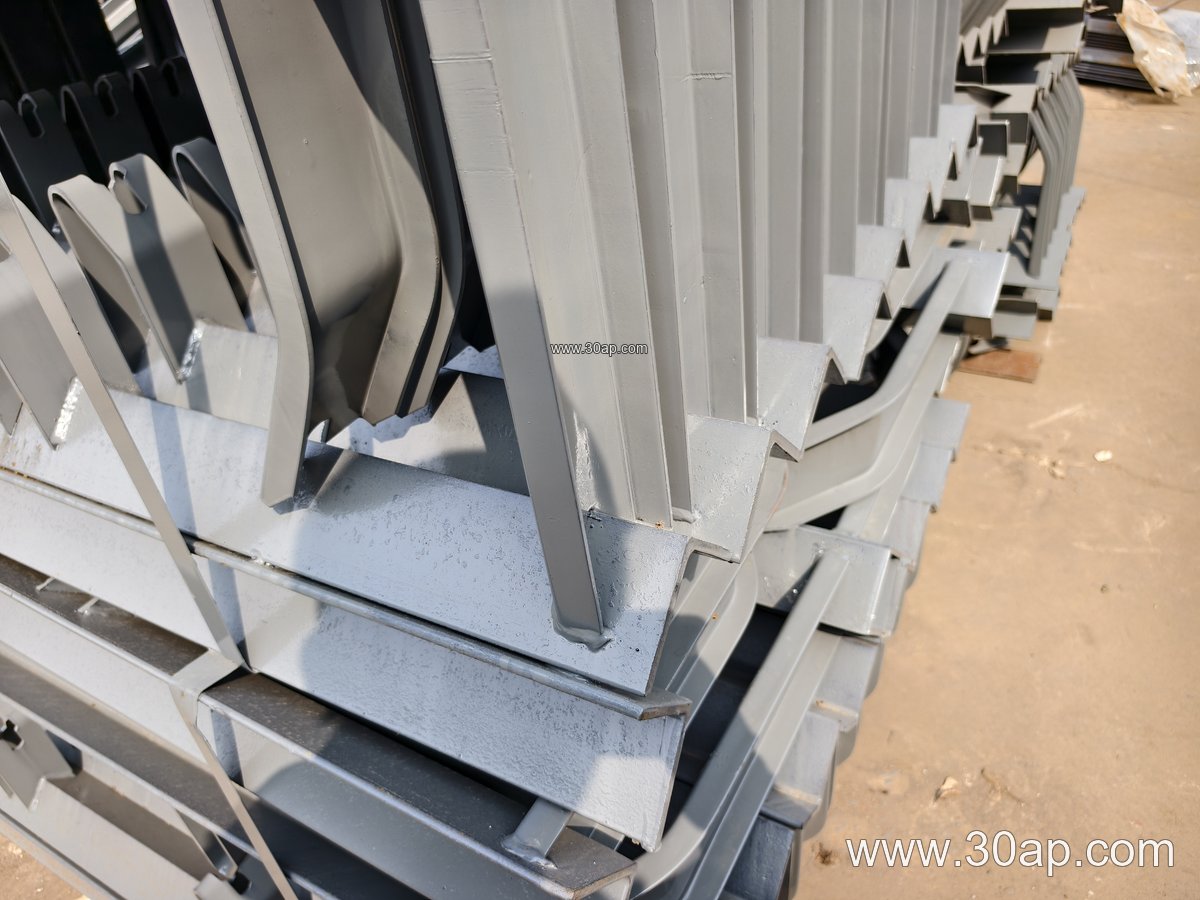
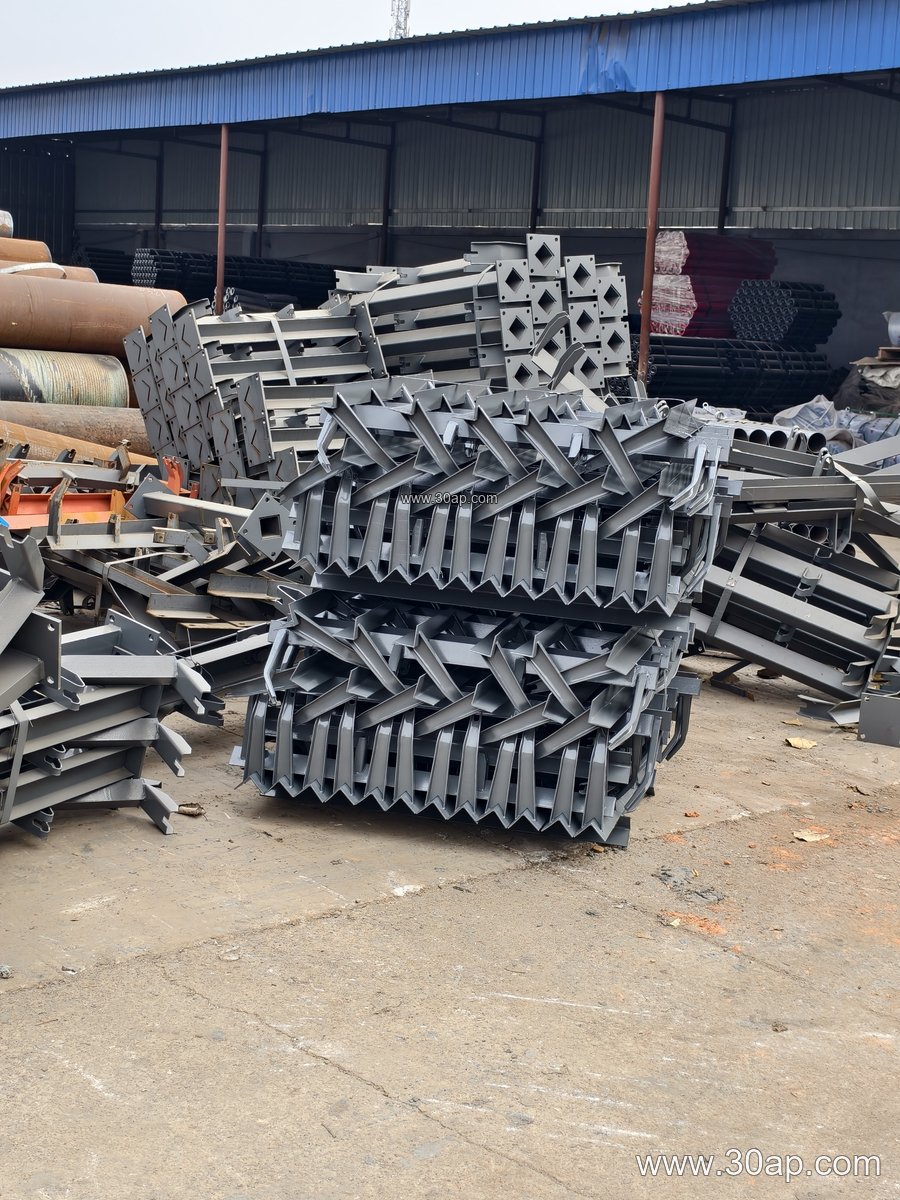
When routing materials through crushing and screening circuits, standard flat return assemblies or V-shaped return units are bolted directly to the main stringers. Ensuring that the mounting hole distances match the frame dimensions prevents structural fatigue and minimizes excessive vibration during startup and high-speed operation.
Key Considerations for Plant Maintenance and Selection
Facility operators should always evaluate the maximum expected load before finalizing structural dimensions. While standard profiles using angle steel or channel steel provide sufficient rigidity, severe impact zones near primary crushers may require reinforced impact brackets. Proper alignment of every conveyor bracket ensures that the conveyor pulley and adjacent rollers operate smoothly without premature wear, ensuring long-term operational reliability.