What a Heavy-Load Idler Is
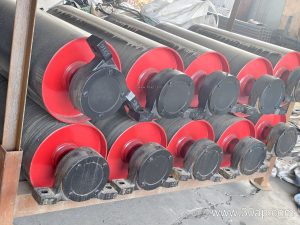
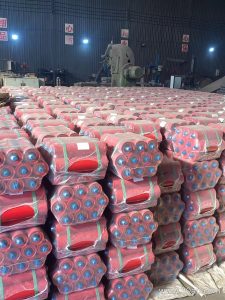
A heavy-load idler is a robust roller assembly designed to carry high belt tensions and heavy material loads in bulk handling conveyors. Unlike standard idlers, it uses thicker shells, larger shafts, and stronger bearings to withstand continuous shock and abrasion. In quarry and mining operations, these idlers support the conveyor belt along the carrying and return sides, reducing friction and keeping the belt aligned. They are a critical component in any conveyor system that moves rock, ore, or aggregate at high tonnage.
Construction and Key Components
The heavy-load idler typically features a seamless steel tube shell, precision bearing housings, and a multi-labyrinth seal to keep out dust and water. The shaft is often made from high-carbon steel and may be machined for tight tolerances. Roller diameters for heavy-duty applications commonly range from Ø127 mm to Ø219 mm, with shell thicknesses up to 6 mm or more. Bearings such as 6308 or 6310 are frequently used, but the exact match depends on load calculations and idler design, not on belt width alone.
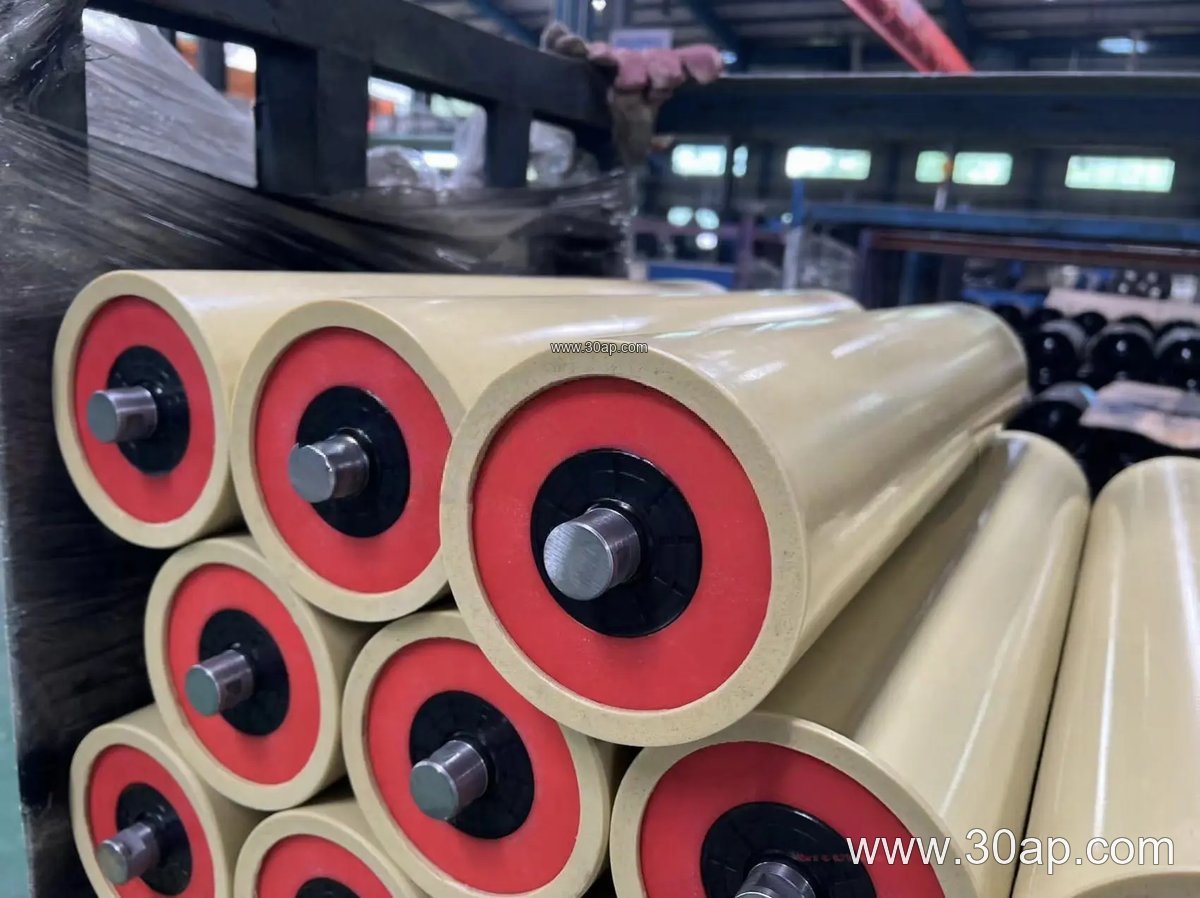
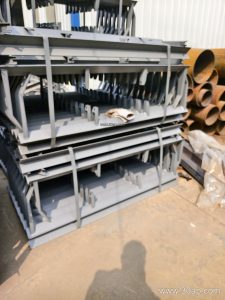
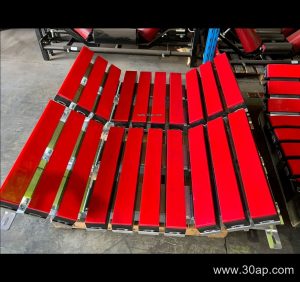
Surface options include plain steel, rubber lagging for impact absorption, or ceramic coating for extreme abrasion. The idler is mounted in a conveyor bracket or frame, and the whole assembly must be aligned to avoid belt mistracking. For high-impact zones, rubber-disc impact idlers are often chosen, but they are a different subtype and not a substitute for the heavy-load carrying idler.
Where Heavy-Load Idlers Are Used
These idlers are common in iron ore mines, copper concentrators, and limestone quarries where conveyor belts handle sharp, heavy lumps. In coal preparation plants and power plant coal yards, they support belts that may be 1200 mm or 1800 mm wide. Cement plants use them on clinker and raw meal conveyors, while port terminals rely on them for ship loading and unloading. The heavy-load idler is also found in crushing and screening circuits, where shock loads from primary crushers demand extra durability.
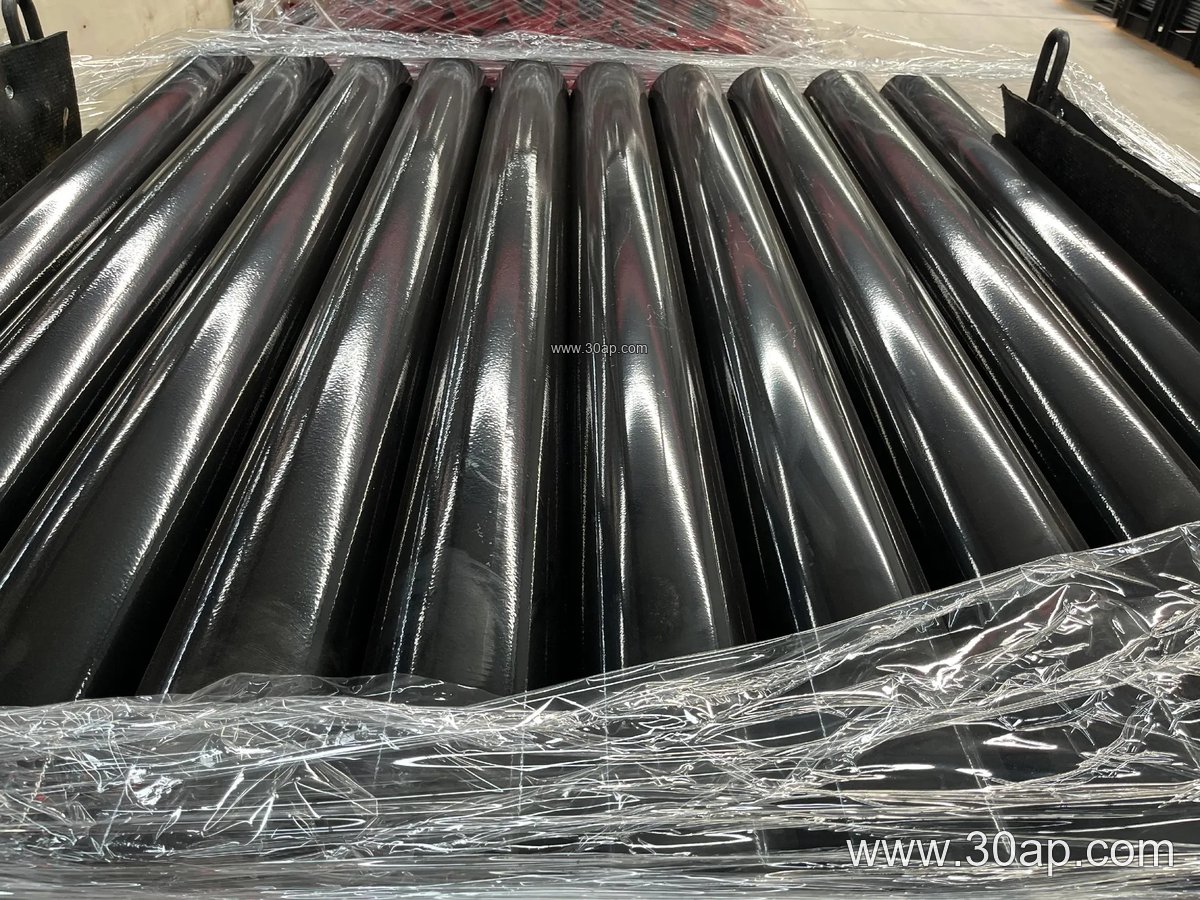
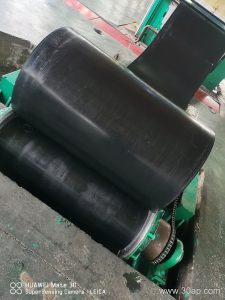
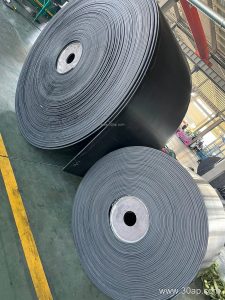
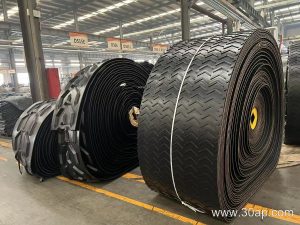
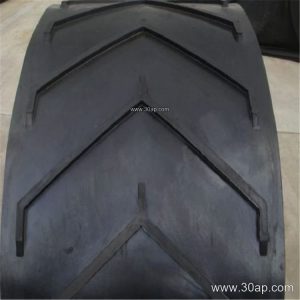
For abrasive materials, pairing heavy-load idlers with an abrasion resistant conveyor belt extends service life. In underground mining, flame retardant conveyor belt and anti-static properties are essential, and the idler seals must resist fine coal dust. Steel cord conveyor belt is often used on long overland conveyors, where heavy-load idlers must handle high belt tensions without excessive deflection.
Selection and Sizing Notes
Choosing the right heavy-load idler involves more than picking a roller diameter. Belt width, trough angle, and idler spacing all interact. Common belt widths include B800, B1000, B1200, B1400, B1600, and B1800. Trough angles of 30° or 35° are typical for carrying idlers, while 45° may be used for sticky materials. The roller length for a three-roll troughing set varies with belt width and trough angle; for example, a B1000 belt might use a center roll of about 380 mm, but side rolls can differ. These are reference examples, not fixed rules.
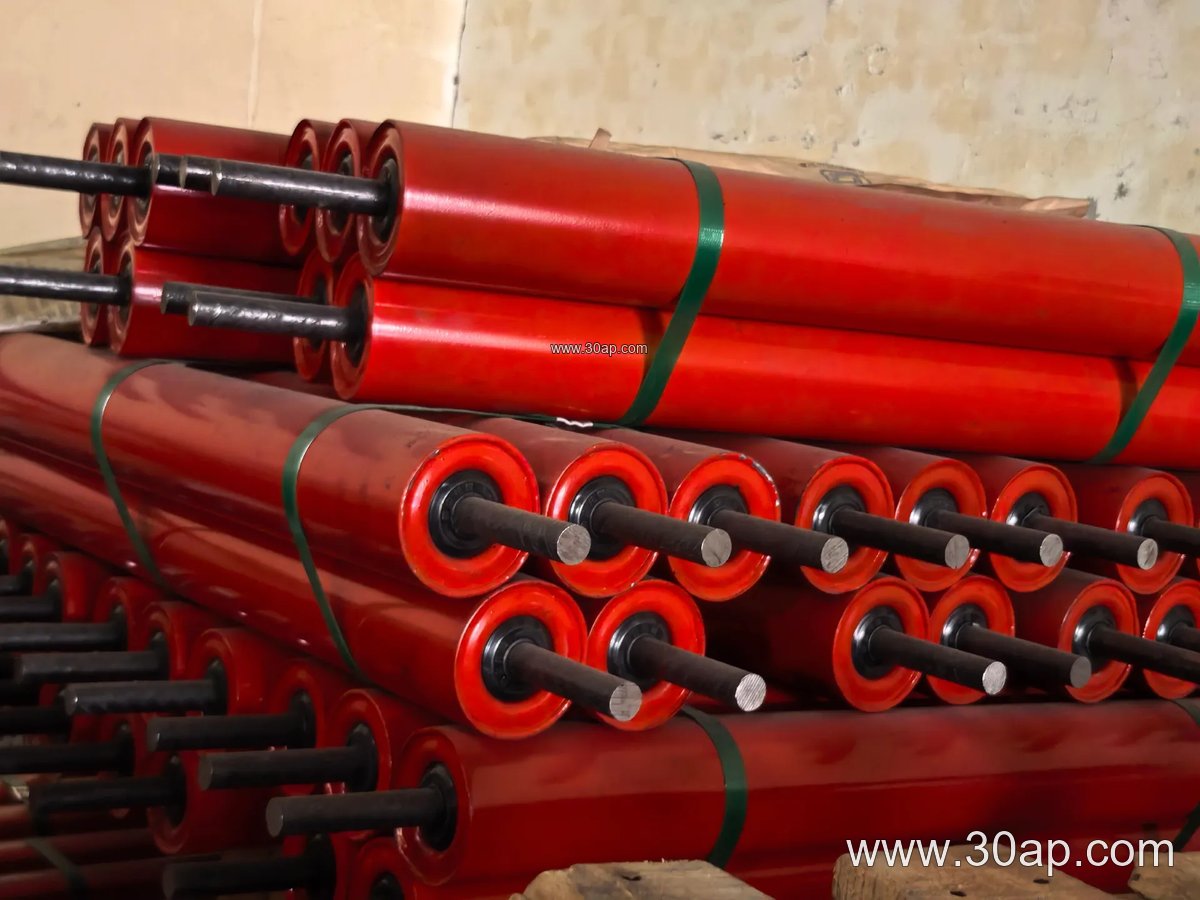
Bearing selection should follow the manufacturer’s load rating. A 6205 bearing might suit a smaller idler, while a 6310 is more appropriate for large diameters under heavy load. The shaft diameter is determined by the idler series and load, not by belt width alone. Always consult the idler manufacturer’s catalog for exact dimensions and load capacities.
Maintenance and Buyer Checklist
Regular inspection of idler rotation and seal condition prevents belt damage. A seized idler can quickly wear through a rubber conveyor belt or cause mistracking. Buyers should verify that the idler shell thickness and bearing type match the application’s load and environmental conditions. In dusty or wet areas, improved sealing is worth the extra cost. When replacing idlers, confirm the roller diameter and shaft end dimensions fit the existing conveyor bracket.
For high-temperature locations such as cement kiln discharge, heat resistant conveyor belt may be used, but the idler bearings must also tolerate heat. In cold climates, cold resistant conveyor belt helps, yet the idler lubricant should be rated for low temperatures. Always request test reports and dimensional drawings from the supplier, and avoid assuming that one idler size fits every conveyor.