What an EP300 Conveyor Belt Is
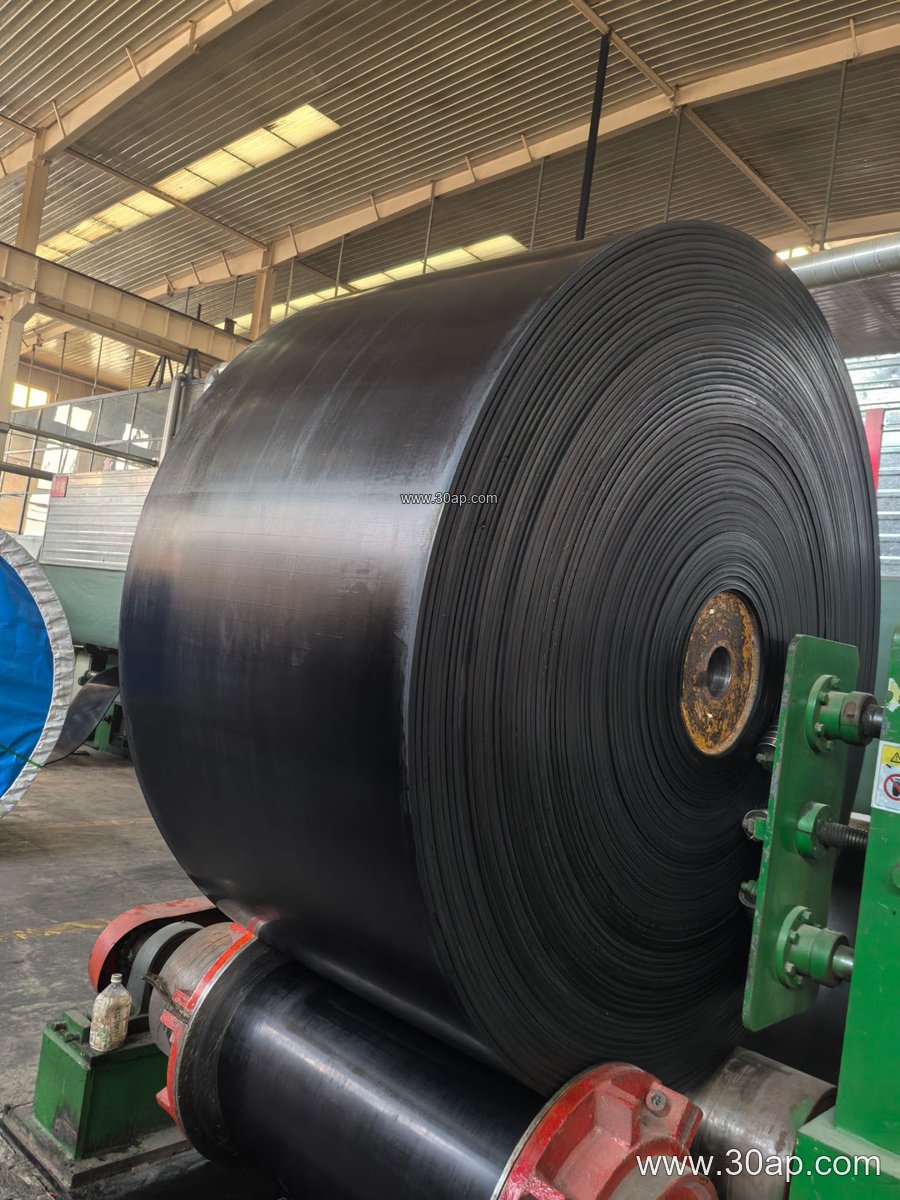
An EP300 Conveyor Belt is a multi-ply fabric core belt built around polyester warp and polyamide weft fabric. The “300” refers to the nominal tensile strength of the carcass, commonly expressed in N/mm, so this is a mid-to-high strength class within the EP family. It sits above EP200 and below EP400, and it is often chosen where a single-ply or lighter fabric belt would be stretched too far but a steel cord construction is not yet justified. In practice, an EP300 conveyor belt is a workhorse for medium-duty and heavy-duty conveying of bulk materials.
The same product also appears under names such as EP fabric core conveyor belt or polyester-polyamide conveyor belt. These are equivalent descriptions of the same construction, not different products.
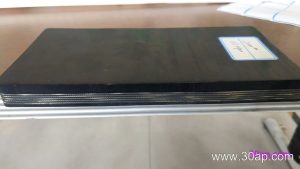
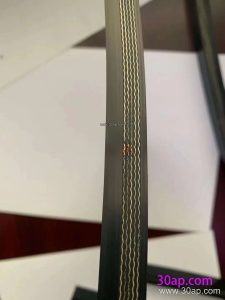
Construction and Build
A typical EP300 belt combines several elements:
- Carcass: usually 2 to 6 plies of EP fabric, with the ply count and fabric weight matched to the required strength and load support.
- Cover rubber: top and bottom covers in grades selected for abrasion, heat, oil, flame resistance or cold service. Common cover combinations include 4+2 mm, 5+2 mm and 6+2 mm, with heavier builds for coarse rock.
- Bonding: skim and friction layers that keep plies together and resist delamination under repeated flexing.
Because the carcass is fabric-based, an EP300 belt offers good troughability and mechanical splice friendliness. It also has lower elongation under load than a comparable NN conveyor belt, which helps keep take-up travel and belt tracking stable on long runs.
Where EP300 Belts Are Used
The strength class makes this belt suitable for many bulk handling duties:
- Crushing and screening plants in quarry conveyor belt and aggregate conveyor belt circuits
- Coal handling and underground mining conveyor belt systems where flame retardant grades are specified
- Cement plant conveyor belt lines moving clinker, limestone and raw meal
- Power plant conveyor belt systems feeding coal and limestone
- Port conveyor belt and ship loading conveyor belt operations
- Sand making plant conveyor belt and stone crushing conveyor belt lines
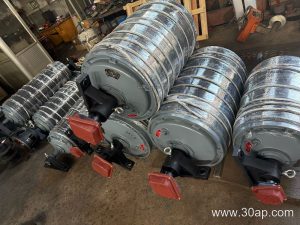
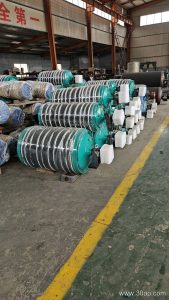
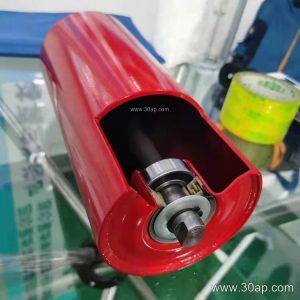
In these settings, the belt usually runs over idler rollers and is trained by conveyor pulleys at the head, tail and bend positions. Drive, tail and bend pulleys each perform a distinct role and are not interchangeable. A properly matched conveyor pulley and well-aligned idler roller set will extend belt life as much as the belt specification itself.
Specifications Buyers Commonly Review
Values below are typical reference ranges. Actual data should be confirmed with the manufacturer for each order.
| Parameter | Common reference values |
|---|---|
| Strength class | EP300 (also EP200, EP400, EP500, EP630 within the family) |
| Belt width | B500, B650, B800, B1000, B1200, B1400, B1600 |
| Cover thickness | 3+1.5 mm, 4+2 mm, 5+2 mm, 6+2 mm, 8+3 mm |
| Ply count | Typically 2 to 6 plies |
| Cover grades | Abrasion resistant, heat resistant, oil resistant, flame retardant, anti-static, cold resistant |
Note that belt width and pulley diameter are selected independently. A wider belt does not automatically require a specific pulley diameter, and shaft size must be calculated from the actual load and design, not guessed from belt width alone.
Selection Points for EP300 Belts
Start with the material being carried: lump size, density, temperature and moisture all influence cover grade and thickness. An abrasion resistant conveyor belt grade is common for rock and ore, while a heat resistant conveyor belt is needed near clinker or hot ash. For underground coal mining conveyor belt duty, flame retardant and anti-static properties are usually mandatory.
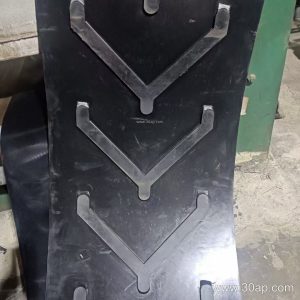
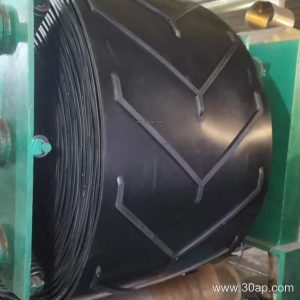
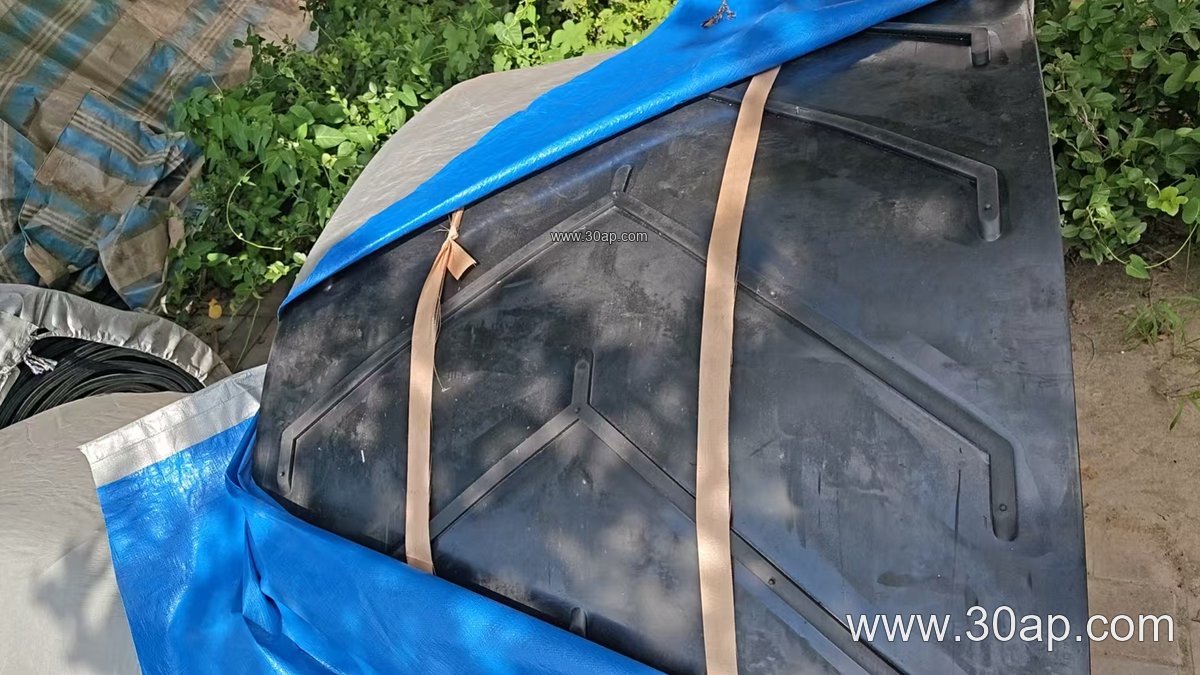
Next, confirm the duty cycle and incline. Steep inclines may call for a chevron conveyor belt or a corrugated sidewall conveyor belt rather than a flat EP300 belt. Where spillage control matters, a skirted conveyor belt design can be considered. Enclosed routes may favor a pipe conveyor belt. Each of these is a different product form, so compare them as alternatives rather than substitutes.
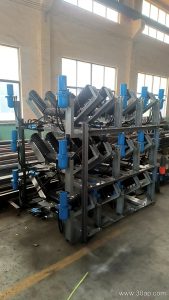
Finally, review the conveyor structure. The conveyor bracket, idler roller spacing and pulley lagging all affect belt support and grip. A heavy-duty conveyor belt on a light frame will wear quickly regardless of its strength class.
Maintenance and Handling Notes
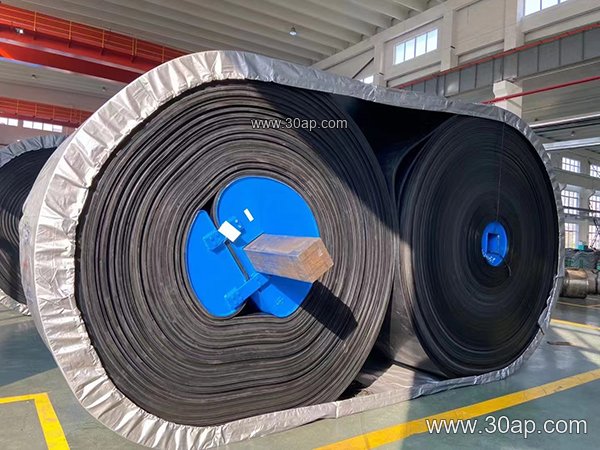
Store EP300 belts in a dry, shaded area and avoid sharp bends during handling. Check splices regularly, keep idler rollers turning freely, and inspect pulleys for build-up that can cause tracking drift. On high-abrasion duties, monitor cover wear and plan replacement before the carcass is exposed. For heat or oil service, confirm that the selected cover grade still matches the actual operating conditions over time.
Used with the right pulleys, rollers and brackets, an EP300 conveyor belt can deliver reliable service across mining, cement, power, quarry and port operations.