What an 800mm Conveyor Belt Is
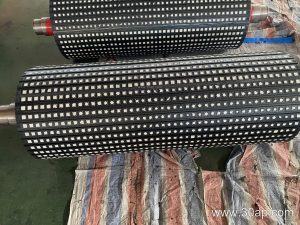
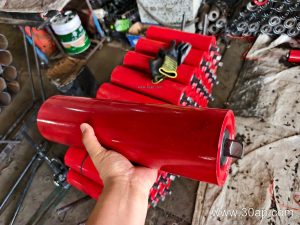
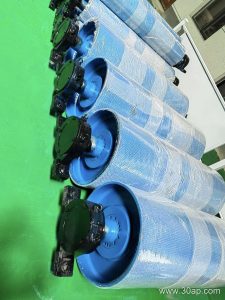
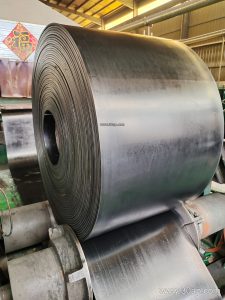
An 800mm conveyor belt is a standard-width belt with a nominal width of 800 millimeters, often designated as B800 in specifications. It sits in the middle of common belt widths, narrower than a 1000mm conveyor belt and wider than a 650mm conveyor belt. This width is widely used in bulk material handling where a balance between capacity and structural economy is needed. The belt itself is only one part of the system; conveyor pulleys, idler rollers, and conveyor brackets must be matched to the belt width and the load it carries.
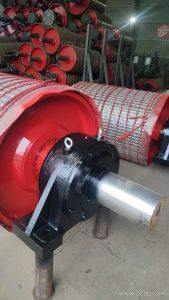
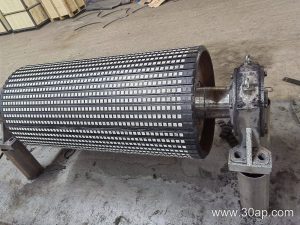
Note that drive pulleys, tail pulleys, and bend pulleys are not interchangeable. Each has a distinct role in the conveyor layout, and the belt width alone does not determine pulley diameter or shaft size. Those values are set by the conveyor design, including tension, speed, and load.
Construction and Common Types
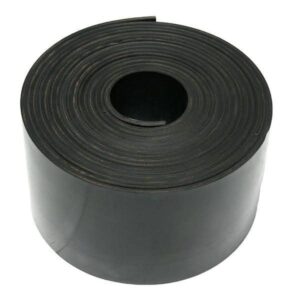
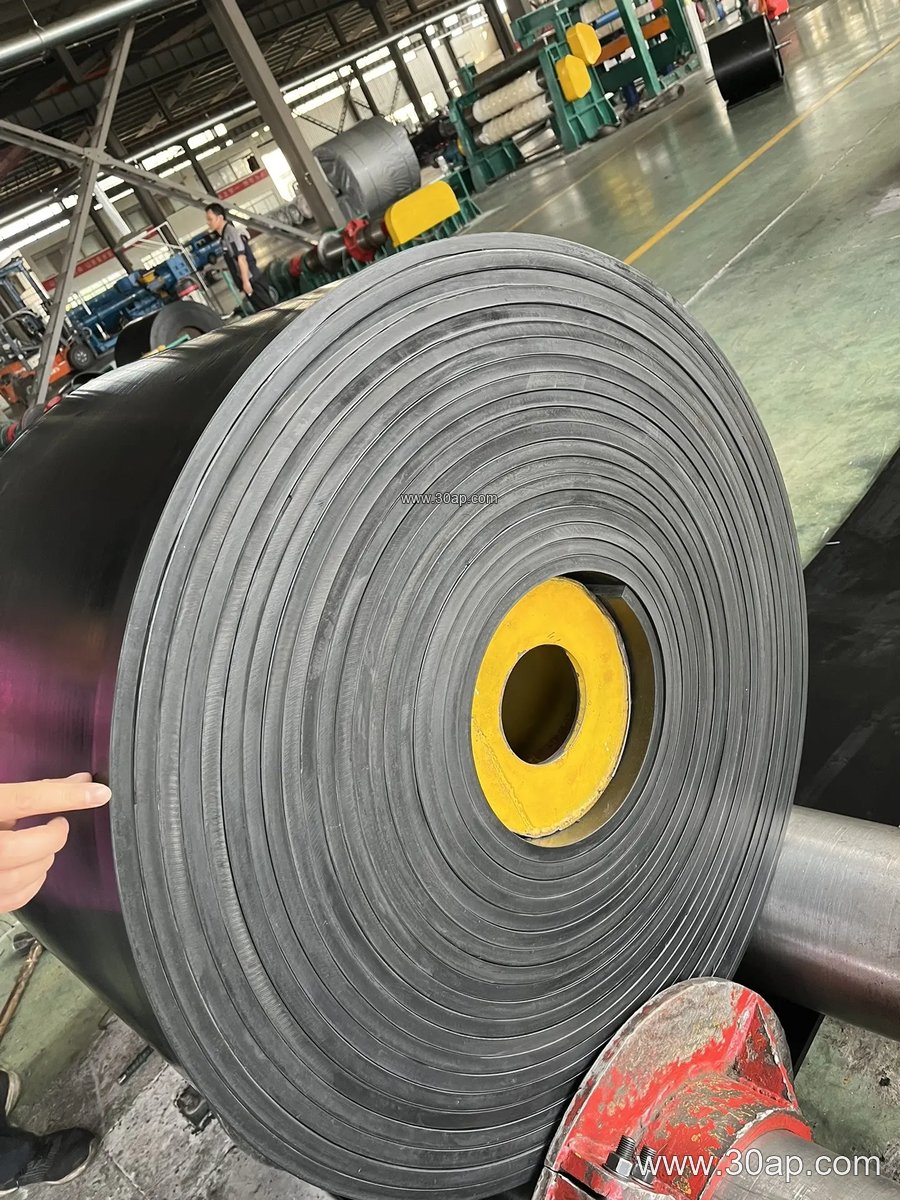
An 800mm conveyor belt is typically built with a fabric core or a steel cord core, covered by rubber or PVC on both sides. The cover grade and thickness are selected according to the material being conveyed and the operating environment. Common fabric core types include EP conveyor belt (polyester-nylon) and NN conveyor belt (nylon-nylon), available in multi-ply constructions from 2 to 6 layers. Steel cord conveyor belt is used for higher tension applications.
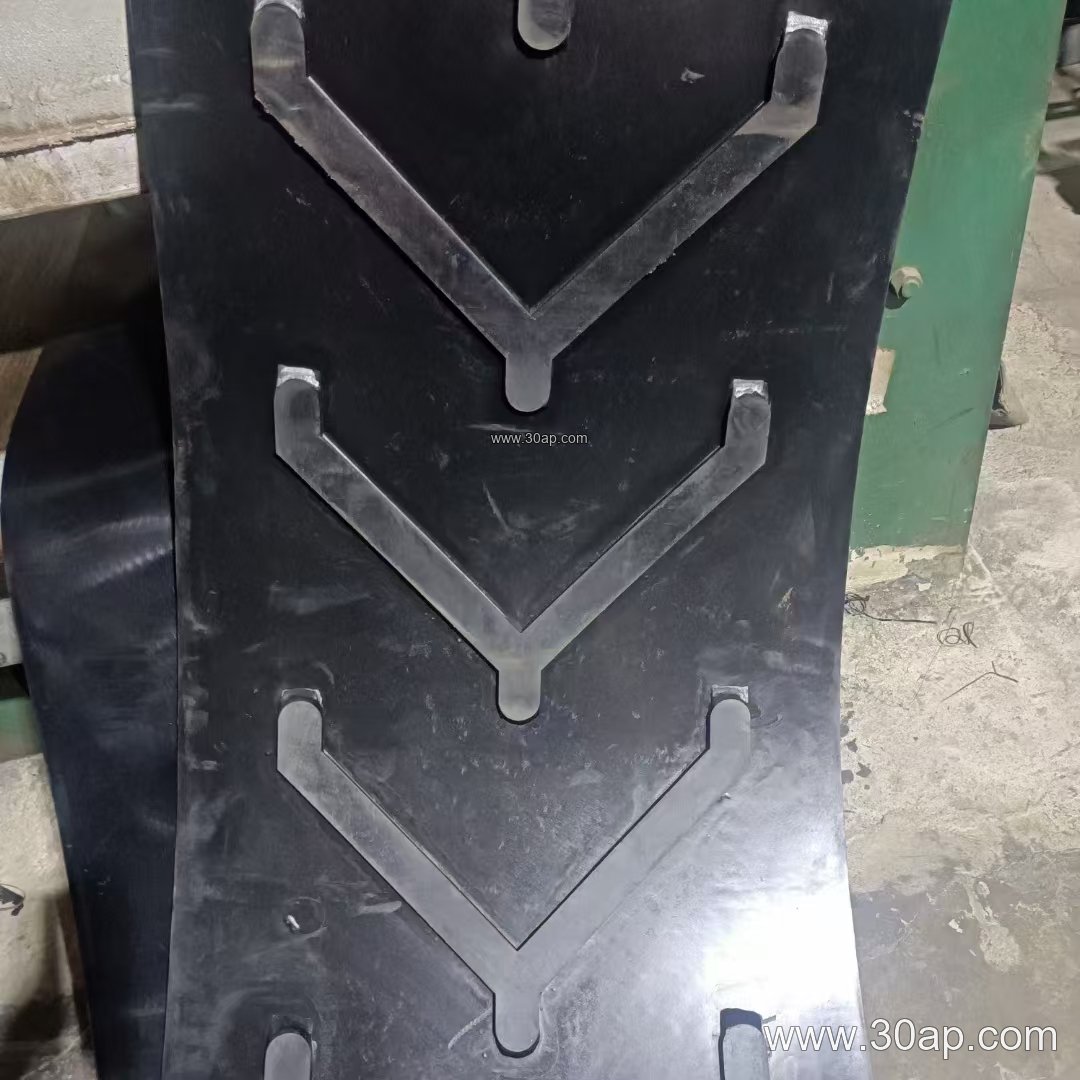
Cover rubber thickness is often expressed as top cover plus bottom cover, such as 4+2 mm or 6+2 mm. Special grades are available for heat resistance, oil resistance, flame retardancy, abrasion resistance, cold resistance, and anti-static performance. Chevron conveyor belt, skirted conveyor belt, and corrugated sidewall conveyor belt are also produced in 800mm width for inclined or contained conveying.
Reference Data for 800mm Belt Construction
| Parameter | Common Options |
|---|---|
| Belt width | 800 mm (B800) |
| Core type | EP, NN, steel cord, PVC, PVG |
| Fabric plies | 2 to 6 |
| Cover thickness (top+bottom) | 3+1.5, 4+2, 5+2, 6+2, 8+3 mm |
| Strength grades (EP) | EP200, EP315, EP400, EP500, EP630, EP800, EP1000 |
| Special grades | Heat resistant, oil resistant, flame retardant, abrasion resistant, cold resistant, anti-static |
These values are for reference only. Actual specifications are determined by the conveyor design and the belt manufacturer’s data.
Where 800mm Belts Are Used
This belt width appears in many industries. In mining, an 800mm conveyor belt can serve as a mining conveyor belt for ore or coal, though underground coal mining often requires flame retardant and anti-static properties. In cement plants, it may handle clinker or raw meal on cement conveyor belts. Quarries and aggregate operations use it as a quarry conveyor belt or crusher conveyor belt. Power plants, steel plants, ports, and recycling facilities also employ this width for bulk material transport.
For inclined sections, a chevron conveyor belt or corrugated sidewall belt in 800mm width helps prevent material rollback. In food processing, food grade conveyor belt is available in this width, while cold resistant grades suit cold storage or outdoor winter operation.
Buyer Checklist for 800mm Conveyor Belts
Before selecting an 800mm conveyor belt, gather the following information:
- Material type, lump size, and temperature
- Required strength grade (e.g., EP400, EP630) and number of plies
- Cover thickness and special properties such as flame retardant or oil resistant
- Conveyor speed, incline angle, and loading conditions
- Compatibility with existing conveyor pulleys, idler rollers, and brackets
Remember that belt width does not dictate pulley diameter or shaft size. The drive pulley, tail pulley, and bend pulley are sized by the conveyor designer based on tension and torque. Similarly, idler roller spacing and conveyor bracket dimensions must suit the belt width and load.
For replacement or new projects, confirm the belt’s exact construction and grade with the supplier. An 800mm conveyor belt from one manufacturer may differ in ply count, cover compound, and splice method from another. Always request the current technical data sheet.
Related equipment such as conveyor pulleys, idler rollers, and conveyor brackets should be inspected for wear when installing a new belt. Proper alignment and tensioning extend belt life in demanding environments like mines, quarries, and cement plants.