What an EP630 Conveyor Belt Is
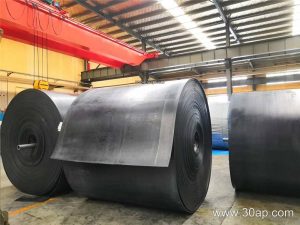
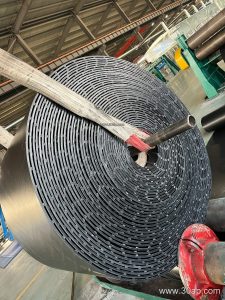
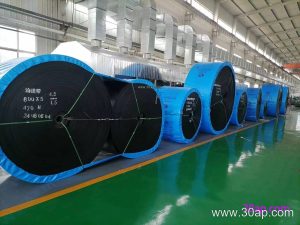
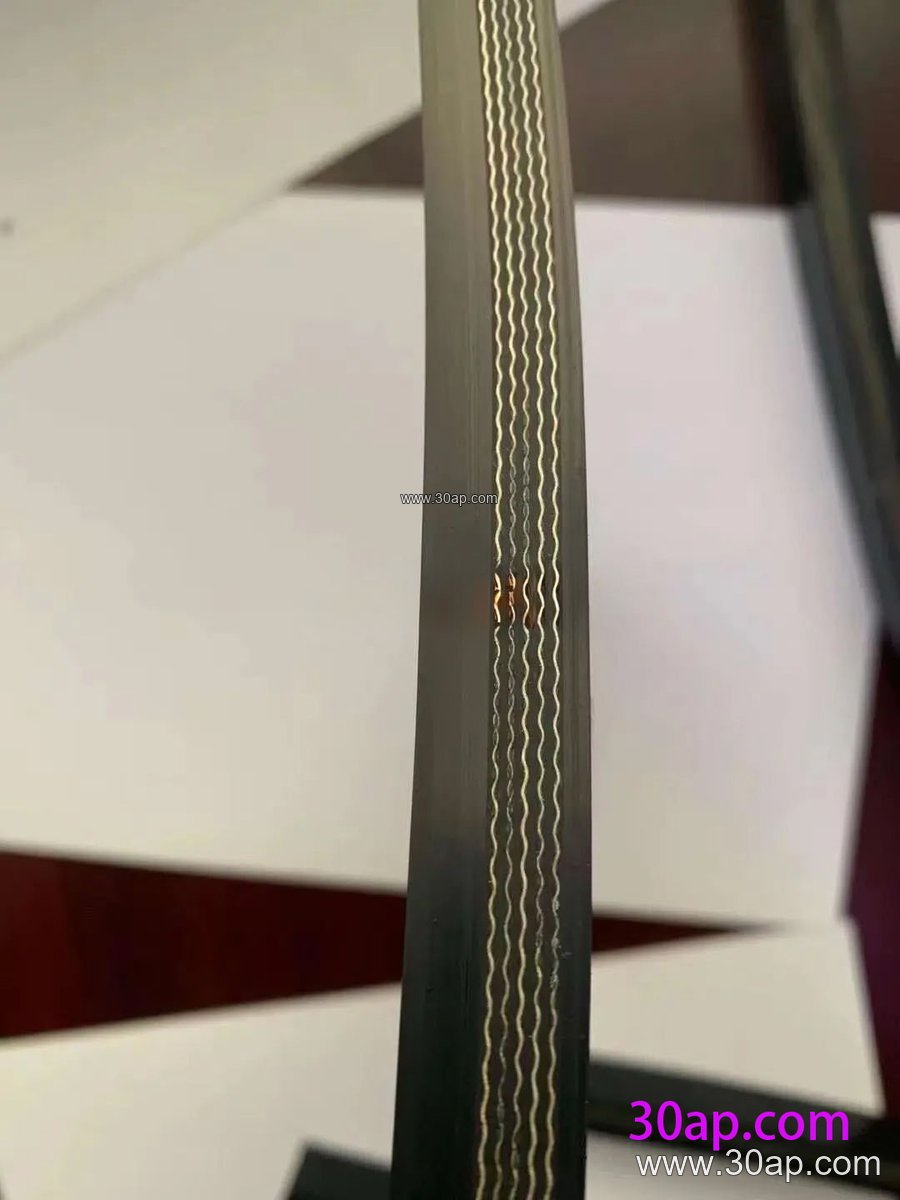
An EP630 Conveyor Belt is a fabric core rubber belt built around polyester-polyamide (EP) plies, with a specified tensile strength of 630 N/mm per ply width. In a typical multi-ply construction, the plies are bonded under heat and pressure between rubber covers that protect the carcass from abrasion, moisture, and impact. The EP carcass stretches very little under load, which keeps take-up travel modest and helps maintain stable tracking on long conveying routes. Buyers often treat EP630 as a middle-to-upper strength grade in the EP family, sitting above EP500 and below EP800, so it suits medium and heavy duty circuits that do not call for steel cord reinforcement.
The same product may be described as an EP630 rubber conveyor belt or simply as an EP fabric core conveyor belt. Those names refer to one belt type, not to different products.
Construction and Cover Options
An EP630 belt usually has 2 to 6 fabric plies, with cover thicknesses chosen to match the material being carried. Common cover combinations include 4+2 mm, 5+2 mm, 6+2 mm and 8+3 mm. For abrasive ore or crushed stone, a thicker top cover of high abrasion resistant compound is often selected. In cement plants and power plants, heat resistant conveyor belt grades may be specified where clinker or ash is warm. Underground coal mining conveyor belt duty generally requires flame retardant and anti-static properties, which are achieved through compound formulation rather than through the carcass alone.
| Parameter | Typical Reference |
|---|---|
| Strength grade | EP630 (630 N/mm) |
| Carcass | EP fabric, 2 to 6 plies |
| Cover thickness | 4+2, 5+2, 6+2, 8+3 mm (common) |
| Widths | B650, B800, B1000, B1200, B1400, B1600 (common) |
| Special grades | Flame retardant, heat resistant, oil resistant, abrasion resistant, cold resistant |
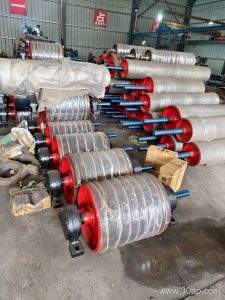
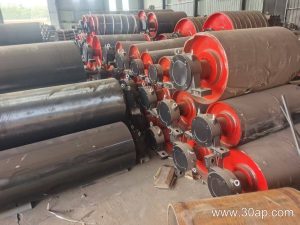
Widths and cover gauges are selected per conveyor design. A wider belt does not automatically dictate a particular pulley diameter; drive, tail and bend pulleys are sized from belt tension, wrap angle, and shaft load calculations, and they are not interchangeable parts.
Where It Fits in the Plant
EP630 belts appear across many bulk handling circuits. In a quarry conveyor belt or aggregate conveyor belt line, they carry crushed rock from a crusher conveyor belt discharge to screening decks. In a coal conveyor belt system at a power plant, they move fuel from stockpile to bunker. In a cement plant conveyor belt, they transport limestone, clinker, and additives. A port conveyor belt or ship loading conveyor belt may use EP630 on boom and yard conveyors where moderate tensile strength and good flexibility are required. Sand making plants, stone crushing lines, and recycling facilities also use this grade on primary and secondary transfer belts.
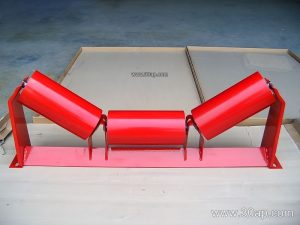
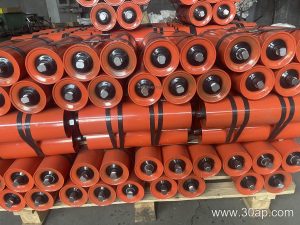
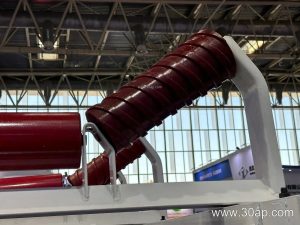
Supporting components matter as much as the belt itself. A conveyor pulley at the head end provides the driving force, while idler roller sets along the carry side keep the belt supported and aligned. Properly adjusted conveyor brackets and frames reduce edge damage and extend service life. In dusty or wet conditions, sealed idlers and well-drained structures help prevent material buildup that can misalign the belt.
Selection Points for Buyers
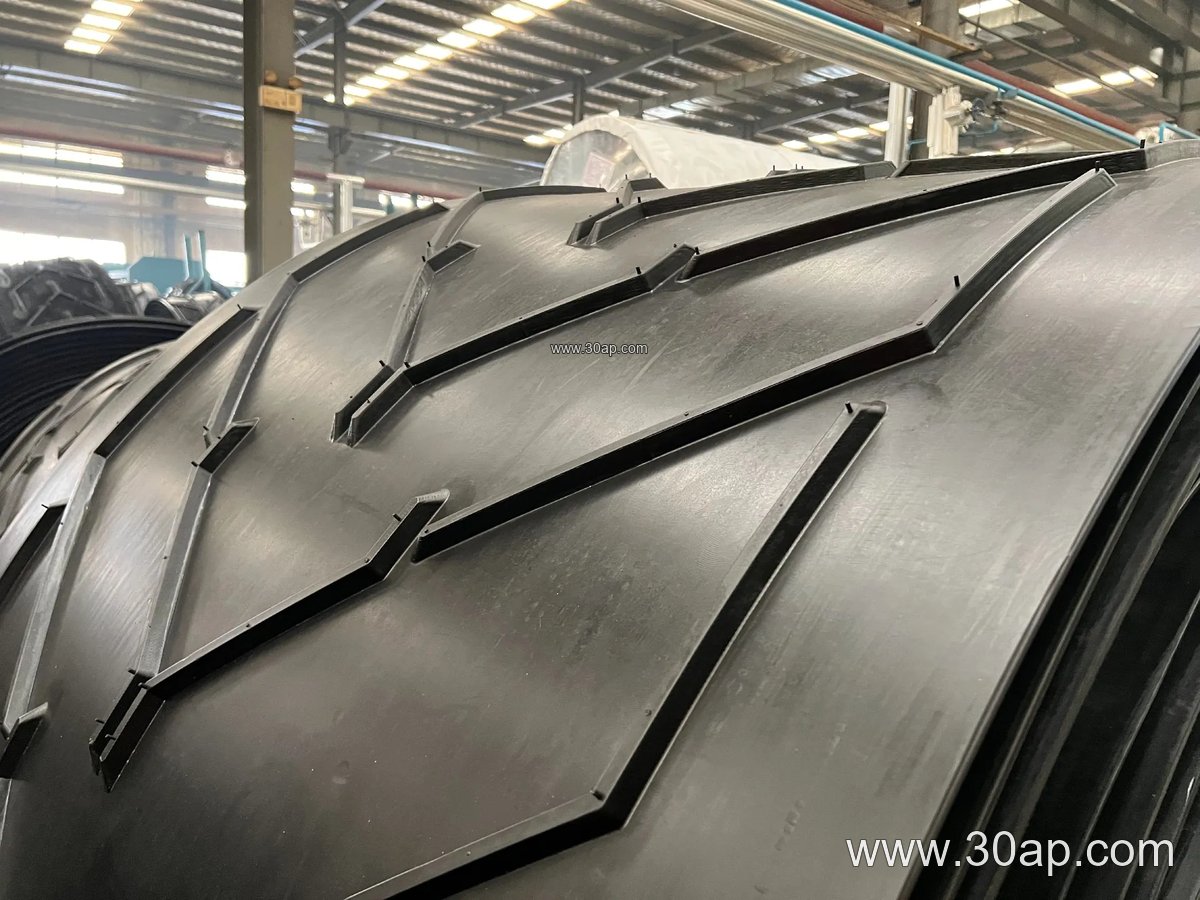
Before ordering, confirm the peak tension the belt will see, the lump size and impact energy at the loading point, and the ambient and material temperature. State the required cover grade clearly, since a general purpose compound differs from a high abrasion resistant or heat resistant conveyor belt compound. Specify whether flame retardant and anti-static properties are needed, particularly for underground mining conveyor belt applications. Provide the belt width, ply count, and cover thickness in the inquiry, along with pulley diameters and take-up details. If the route has steep inclines, a chevron conveyor belt or corrugated sidewall conveyor belt may be a better choice than a flat EP630 belt, but that is a comparison of belt forms for different duties, not a substitute for the main product.
Installation and Care
Correct splicing is critical. A stepped or finger splice made with compatible materials preserves carcass strength and keeps the joint running smoothly over pulleys. During installation, check that the belt is centered, that idlers turn freely, and that skirt rubber does not press too hard against the cover. Routine inspection should look for edge fraying, cover gouges, ply separation, and material carryback. Cleaning and re-tensioning at scheduled intervals prevent small faults from becoming belt replacements. When stored, keep belts away from direct sunlight, ozone sources, and standing water, and support coils so the carcass does not deform.
With the right grade and careful maintenance, an EP630 belt can serve reliably in mines, cement works, power stations, ports, and aggregate yards, balancing strength and flexibility for everyday bulk material transport.