What a High-Speed Conveyor Idler Does
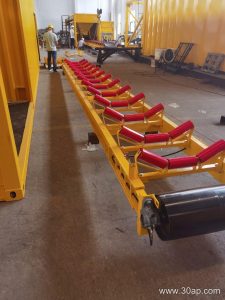
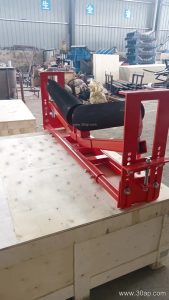
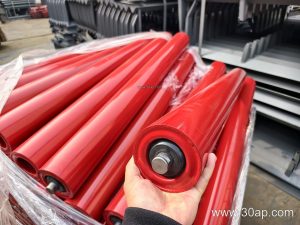
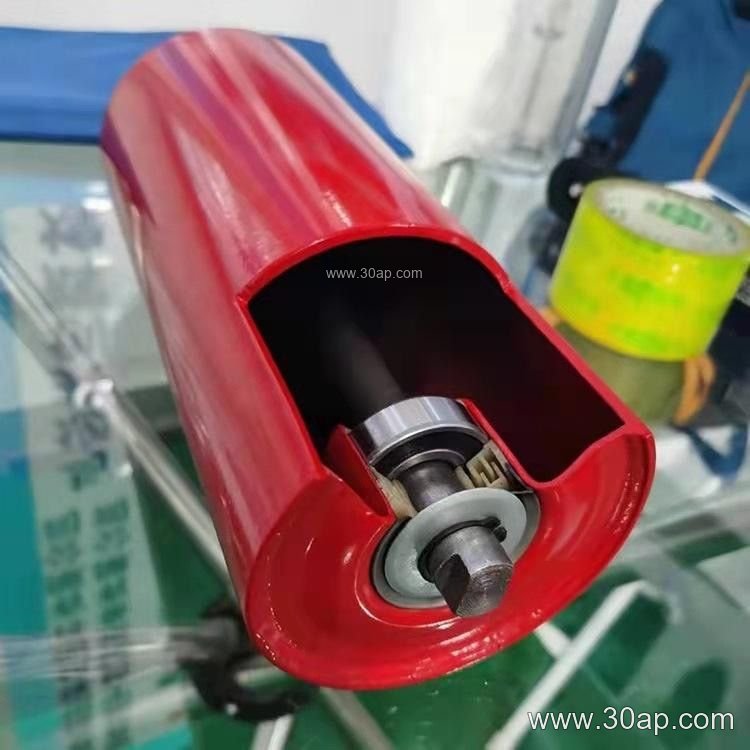
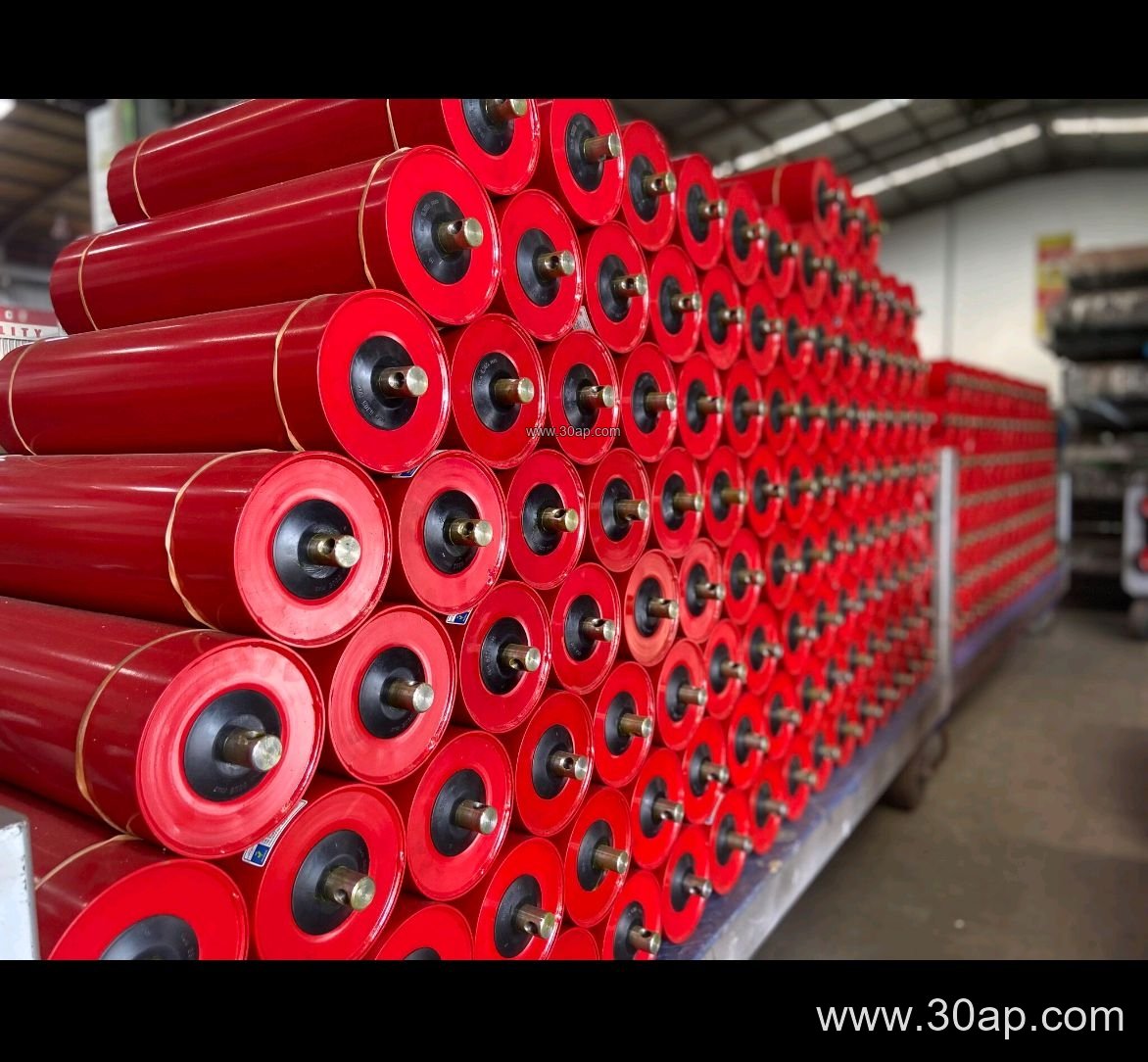
A high-speed conveyor idler is a rotating support element built to carry a moving conveyor belt at elevated belt speeds without excessive vibration, heat, or wear. In fast-moving circuits such as a coal handling system at a power plant or a high-capacity aggregate line at a quarry, these idlers keep the belt aligned and the load stable while the belt travels at continuous speed. The idler roller itself is typically a steel tube fitted with bearings and seals, mounted on a shaft and held by a conveyor bracket. The term high-speed here refers to the duty condition, not a separate product family: the same idler roller must be balanced, well sealed, and correctly sized for the belt width and load.
Construction Details That Matter at Speed
At higher belt speeds, small imbalances and poor bearing fits become noticeable quickly. A high-speed conveyor idler usually uses a precision steel tube with machined ends, deep-groove ball bearings, and a multi-stage seal to keep dust and fines out. Common bearing sizes include 6204, 6205, 6305, 6306, 6308, and 6310; the bearing is matched to the load and speed by the idler designer, not fixed by belt width alone. Roller surfaces may be plain steel, nylon, ceramic, or rubber rings depending on whether the application needs abrasion resistance, material release, or impact damping. The shaft, bearing housing, and seal arrangement should be concentric so the idler runs true at speed.
Typical Applications in Fast-Moving Plants
High-speed conveying appears in coal-fired power stations, cement plants, iron ore and copper concentrators, and large sand and gravel operations. In a coal handling system, high-speed idlers support the belt on the carrying side and help maintain a stable trough profile. In a cement plant, they may be used on long overland or gallery conveyors where belt speed is kept high to reduce the number of transfer points. The same idler type can also appear in a port bulk terminal or a steel plant sinter line, provided the belt speed and load are within the idler’s design range.
Matching Idler to Belt Width and Trough Angle
Belt width and trough angle determine the idler group geometry and the roller length. A three-roll troughing set at 35 degrees is common, while 20, 30, and 45 degrees are used where the material and belt require a different profile. The table below shows common roller lengths for three-roll troughing sets; side rollers and center rollers can differ, and final dimensions are set by the conveyor design.
| Belt width | Common roller length (three-roll troughing) |
|---|---|
| B500 | 200 mm |
| B650 | 250 mm |
| B800 | 315 mm |
| B1000 | 380 mm |
| B1200 | 465 mm |
| B1400 | 530 mm |
| B1600 | 600 mm |
| B1800 | 670 mm |
| B2000 | 750 mm |
Roller diameters for high-speed duty commonly include Ø89, Ø102, Ø108, Ø127, Ø133, Ø159, and larger sizes such as Ø178 and Ø194 where load and belt width require it. Smaller diameters such as Ø63 and Ø76 are generally used in lighter duty. These are reference ranges, not fixed pairings: a B1200 belt may use different roller diameters depending on speed, load, and idler spacing.
Where High-Speed Idlers Sit on the Conveyor
On the carrying side, troughing idlers form the belt into a trough and support the material load. On the return side, flat or V-return idlers support the empty belt. Transition idlers near the head and tail help the belt change from flat to troughed without stressing the edges. Impact idlers with rubber rings are used under loading points, but they serve a different purpose and are not a substitute for a high-speed carrying idler. Drive pulleys, tail pulleys, and bend pulleys are separate components and are not interchangeable with idlers.
Buyer Checklist for High-Speed Duty
- Confirm the actual belt speed and load per idler station; higher speed increases bearing and seal demands.
- Check roller diameter, wall thickness, and bearing size together rather than choosing one from belt width alone.
- Review seal type for dust and moisture; coal, cement, and quarry dust all behave differently.
- Specify the trough angle and idler group form (single, two-roll, or three-roll) for the belt and material.
- Ask for dynamic balance and runout information where vibration is a concern.
- Plan idler spacing and maintenance access, especially on long high-speed conveyors.
A high-speed conveyor idler is not simply a standard idler run faster. The combination of bearing selection, seal quality, roller balance, and correct geometry keeps the conveyor belt tracking smoothly in demanding plants such as coal mines, cement works, and aggregate quarries.