What a 1500mm Conveyor Belt Is
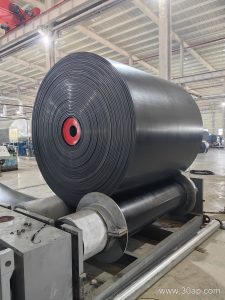
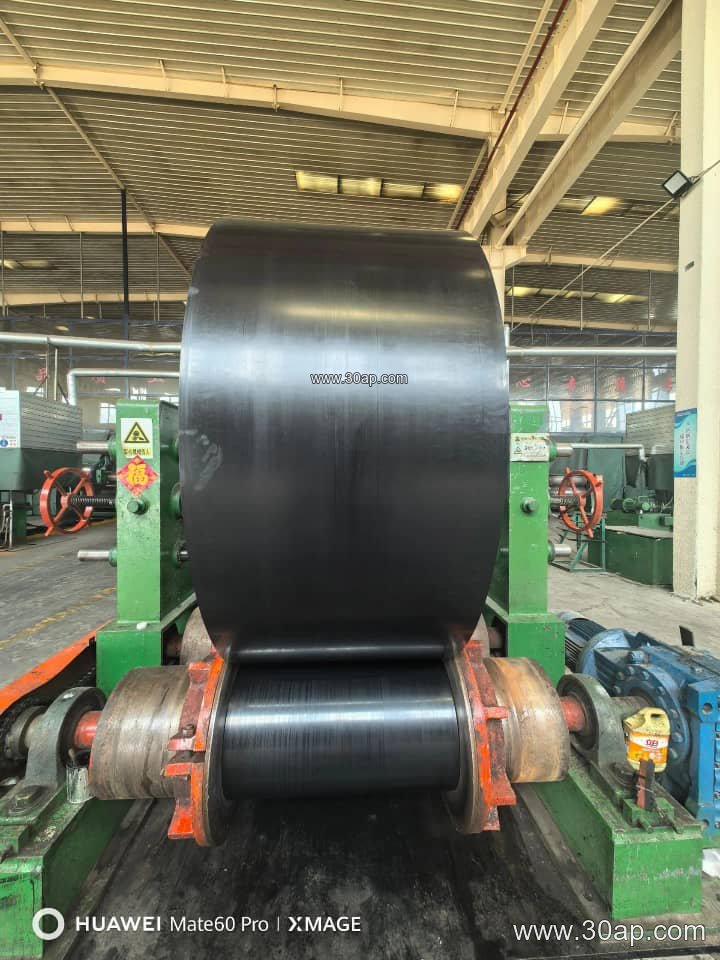
A 1500mm conveyor belt is a wide rubber belt built for conveying lines that need high throughput in a single pass. At this width, the belt is usually described as a 1500mm wide conveyor belt or simply a 1.5m belt, and it is most often found in mining, coal preparation, cement plants, power stations, ports, and large sand and gravel yards. Rather than a separate product family, the width is a specification of a standard fabric core or steel cord belt, so the same carcass types used at 1200mm or 1800mm can also be supplied at 1500mm.
Construction and Common Specifications
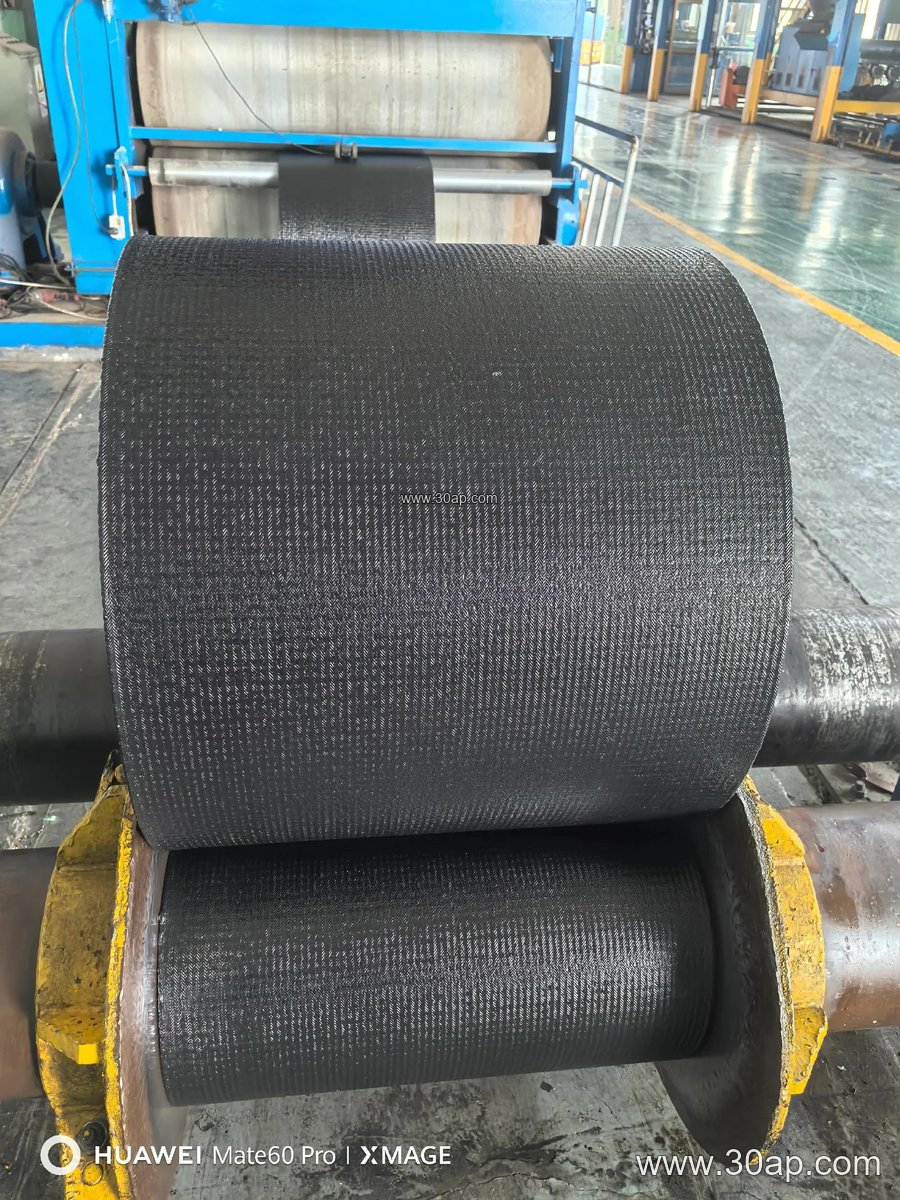
The belt is made of a tension-bearing carcass covered with rubber on both faces. Fabric core belts use multiple plies of EP or NN fabric, while steel cord belts use brass-plated wires embedded in a single core. For a 1500mm belt, buyers commonly see EP Conveyor Belt grades such as EP400, EP630, EP800, and EP1000, and Steel Cord Conveyor Belt grades such as ST1250, ST1600, and ST2000. Cover rubber thickness is usually quoted as top plus bottom, for example 6+2 mm or 8+3 mm on abrasive ore and rock duties. A Rubber Conveyor Belt of this width may also carry a Chevron Conveyor Belt profile for inclined sections or be supplied as a Corrugated Sidewall Conveyor Belt where steep inclines and spillage control are needed.
| Item | Typical reference values |
|---|---|
| Belt width | 1500 mm |
| Carcass type | EP fabric, NN fabric, steel cord, PVC/PVG solid woven |
| Fabric ply count | 2 to 6 plies, by design |
| Strength grades | EP200 to EP2000; ST1000 to ST3150 |
| Cover thickness | 3+1.5, 4+2, 5+2, 6+2, 8+3 mm |
| Surface options | smooth, chevron, corrugated sidewall, skirted |
Where This Width Fits
Wide belts are chosen when a conveyor must move large tonnages without excessive belt speed. A 1500mm belt suits primary crushing discharge, stockyard feed lines, and long overland conveyors in iron ore, copper ore, and gold mining operations. In cement plants it carries clinker and limestone; in power plants it handles coal; in ports it works on ship loading and stockpile lines. For underground coal mining, a Flame Retardant Conveyor Belt or PVG Conveyor Belt in this width may be specified, while surface quarry and aggregate lines often use an Abrasion Resistant Conveyor Belt with thick covers. Heat Resistant Conveyor Belt and Oil Resistant Conveyor Belt grades are available where clinker or oily material is present.
Selection Points for Buyers
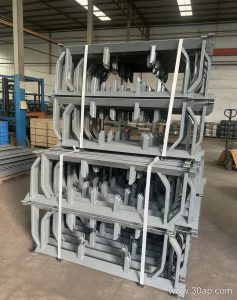
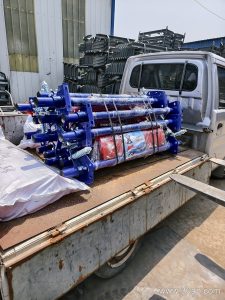
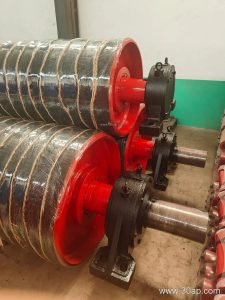
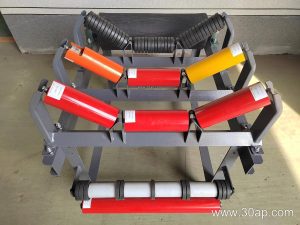
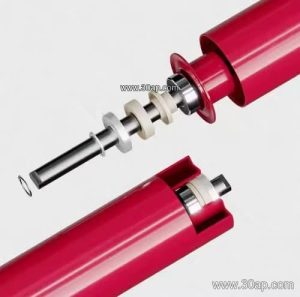
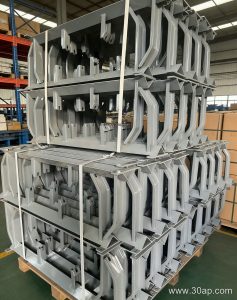
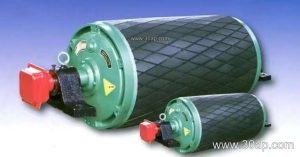
Width alone does not define the drive. The conveyor pulley diameters, shaft sizes, and idler roller spacing are set by the belt tension, speed, and load, so a 1500mm belt can run on a range of pulley sizes depending on the engineering calculation. Buyers should confirm the carcass grade, cover compound, ply count, and whether an Endless Conveyor Belt is required for a specific conveyor frame. Check that the conveyor bracket and frame dimensions match the belt width and trough angle, and confirm the idler roller series is rated for the belt load. For cold climates, a Cold Resistant Conveyor Belt compound may be needed; for combustible dust, an Anti-Static Conveyor Belt is often requested alongside flame retardancy.
Installation and Maintenance Notes
- Check pulley alignment and idler roller squareness before tensioning a wide belt.
- Keep the belt tracking straight; wide belts are less forgiving of frame misalignment.
- Inspect cover wear at loading points and fit impact beds or cushion idlers where needed.
- Store spare belts flat and protected from sunlight and ozone.
For a bulk material conveyor belt at this size, matching the belt grade to the duty is more important than the width alone. A 1500mm conveyor belt from a reputable maker should come with clear data on carcass, covers, and splice method so the maintenance team can plan replacements.