What a Conveyor Support Leg Does
A conveyor support leg is the vertical structural member that carries the weight of a conveyor frame, its idler rollers, and the loaded conveyor belt down to the floor or foundation. Often referred to as a conveyor stand leg or belt conveyor support leg, this component is easy to overlook, yet it determines how steadily the entire conveyor line performs. In a quarry or a cement plant, a poorly supported frame quickly leads to misalignment, premature idler wear, and spillage. The leg is not simply a piece of steel; it is the interface between the conveyor structure and the ground.
How It Is Built
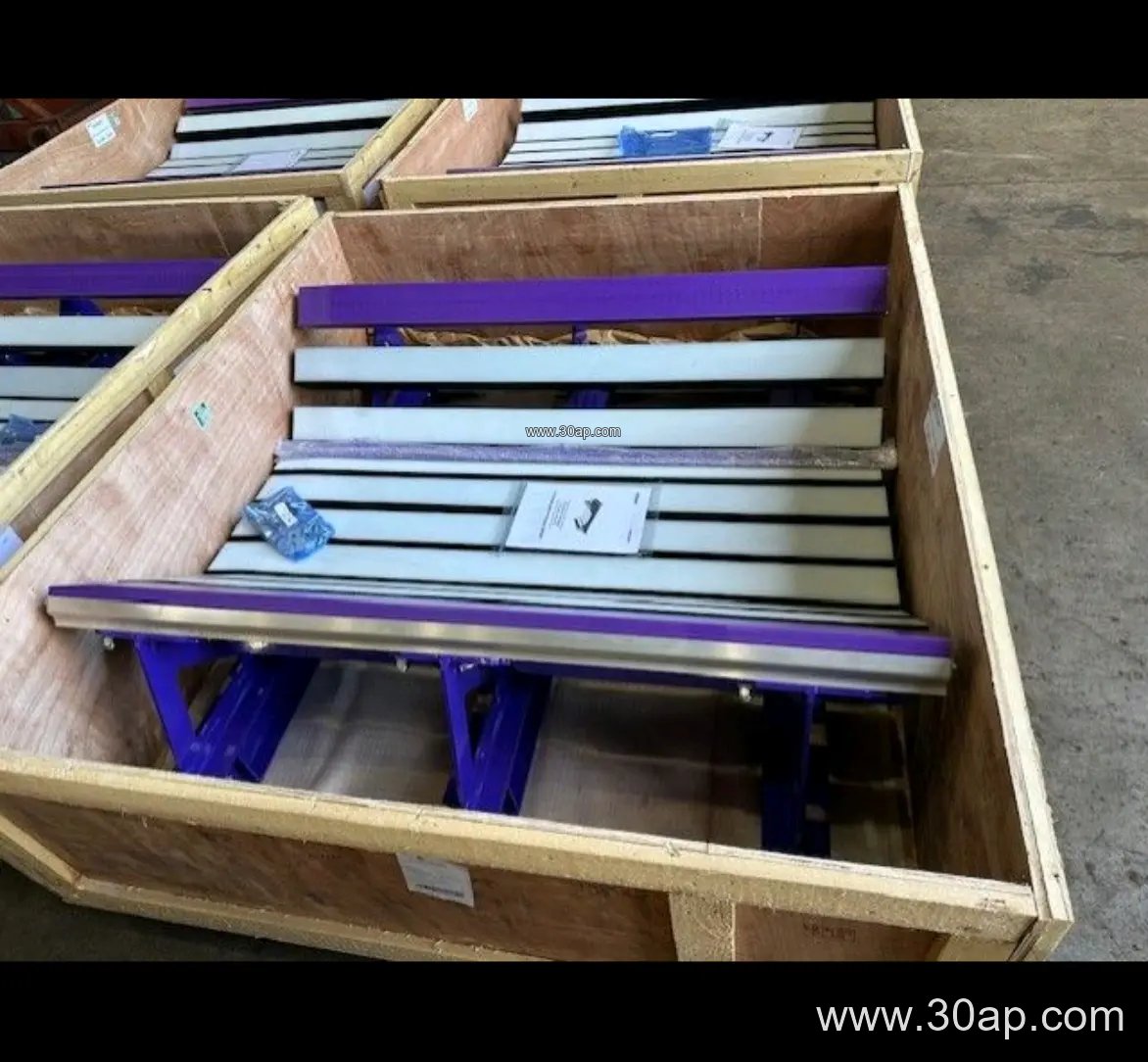
Most support legs are fabricated from angle steel, channel steel, or folded steel plate. The choice depends on load and environment. A light aggregate conveyor might use folded plate legs, while a heavy-duty mining conveyor handling iron ore or coal often uses channel steel for greater stiffness. Legs are usually bolted to the conveyor stringer or bracket and anchored to the foundation with base plates. Height is matched to the conveyor profile, and adjustable versions allow fine-tuning after installation. The leg must resist vertical load, lateral forces from belt tension, and vibration from idler rollers and material impact.
Where It Fits in the Conveyor System
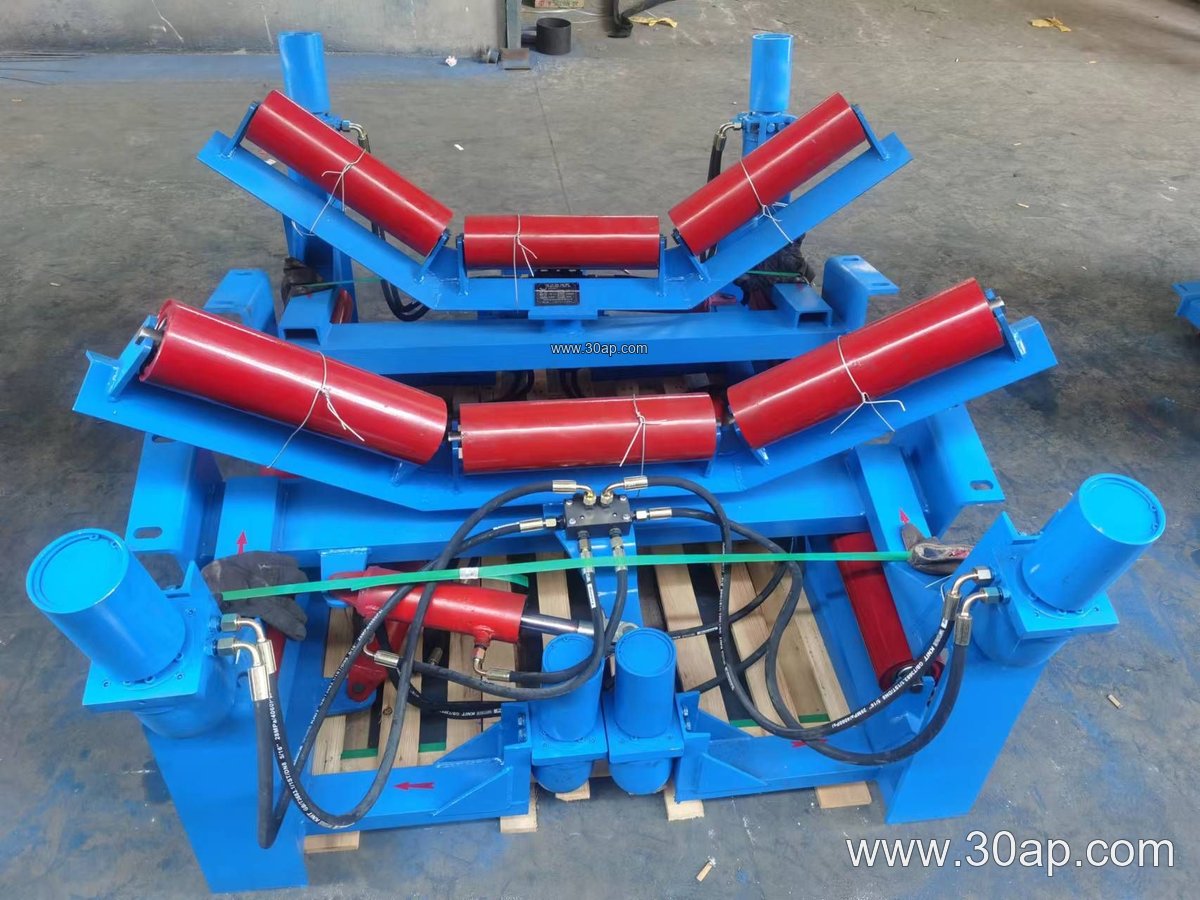
The support leg works together with the conveyor bracket, idler roller, and conveyor pulley to keep the belt tracking correctly. On the carrying side, legs hold the troughing idler frames at the required trough angle; on the return side, they support the return rollers or V-return brackets. In a typical cement plant or power plant coal yard, you will see legs spaced along the entire length of the conveyor, with closer spacing at transfer points where impact loads are higher. The leg is also used under bend pulley stations and drive stations, though the drive pulley itself is a separate item with its own base frame.
Common Applications
Support legs appear in almost every bulk material handling line. In a limestone quarry or sand and gravel plant, they carry modular conveyor frames over uneven ground. In a coal washing plant or underground mining conveyor, low-profile legs keep the belt close to the floor. In a port ship loading system, taller legs create the clearance needed for trucks and maintenance access. Steel plants and sintering operations use heavy legs to support belts carrying hot or abrasive materials. The leg design changes with the duty, but its function remains the same: transfer load safely and keep the belt line stable.
Selection Points for Buyers
When specifying a conveyor support leg, buyers should consider belt width, trough angle, roller diameter, and the weight of the material being conveyed. For example, a B800 belt with a 35-degree trough and Ø108 idler rollers will need a different leg height and mounting hole spacing than a B1200 line with a 45-degree trough and Ø133 rollers. These are common reference combinations, not fixed rules; the final dimensions should always follow the conveyor design. Adjustable legs are useful where foundation tolerances are uncertain or where the conveyor profile may change. Fixed legs are simpler and often more economical for long straight runs.
Reference Data for Common Configurations
| Belt Width | Trough Angle | Idler Diameter | Typical Leg Type |
|---|---|---|---|
| B500 | 20°–30° | Ø89 | Fixed or adjustable |
| B650 | 30° | Ø89 | Fixed |
| B800 | 35° | Ø108 | Fixed or adjustable |
| B1000 | 35°–45° | Ø108–Ø133 | Adjustable |
| B1200 | 45° | Ø133 | Heavy-duty fixed |
| B1400 | 35°–45° | Ø133–Ø159 | Heavy-duty fixed |
| B1600 | 45° | Ø159 | Heavy-duty fixed |
| B1800 | 35°–45° | Ø159–Ø194 | Heavy-duty fixed |
For wider belts, such as B2000 or B2200, legs are usually custom-fabricated to match the frame and load. The idler roller diameter and the conveyor belt type also influence leg spacing. A heavy-duty mining conveyor belt carrying abrasive ore may require shorter spacing to reduce vibration.
Installation and Maintenance Notes
Correct installation starts with a level foundation. Legs should be plumb and securely anchored; shimming is acceptable for minor adjustment but should not replace proper base plates. After the belt is tensioned, check that the legs have not shifted and that the idler rollers sit squarely in their brackets. During operation, inspect legs for corrosion, loose bolts, and deformation, especially in wash plants and fertilizer handling where moisture and chemicals accelerate rust. A bent leg should be replaced rather than straightened, because its load capacity is compromised.
Whether the conveyor handles coal, clinker, or grain, the support leg is a small but critical part of the structure. Matching it to the belt width, trough angle, and roller size at the design stage avoids costly rework later. For more information on conveyor components, visit www.example.com/conveyor-support-leg or explore our range of conveyor belt and idler roller solutions at www.example.com/conveyor-components.