What a 2000mm Conveyor Belt Is
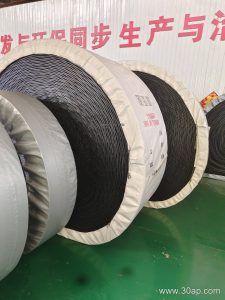
A 2000mm conveyor belt is a wide-format belt designed for high-capacity bulk material handling. In conveyor nomenclature, this is a belt with a 2000 mm nominal width, often written as B2000 or described as a 2000mm wide conveyor belt. It sits at the upper end of common belt widths and is chosen when a single stream must carry a large volume of material without excessive belt speed. The product is still a conveyor belt, but its width changes the structural demands on the whole conveyor system.
Because of that width, a 2000mm conveyor belt is usually part of a heavy-duty conveyor line. It may be supplied as an EP conveyor belt, an NN conveyor belt, a steel cord conveyor belt, or a fabric core conveyor belt, depending on the duty. Each construction changes the belt mass, troughability, and splice method, so the belt type should be matched to the conveyor design rather than selected on width alone.
Construction and Common Specifications
A wide belt is built from a carcass and rubber covers. The carcass carries tension; the covers protect against wear, heat, oil, or fire exposure. For a 2000mm conveyor belt, multi-ply fabric cores and steel cord cores are both used. Fabric constructions are common in general bulk handling, while steel cord belts suit long distances and high tension. Cover rubber grades can be abrasion resistant, heat resistant, flame retardant, oil resistant, or anti-static, depending on the material being carried.
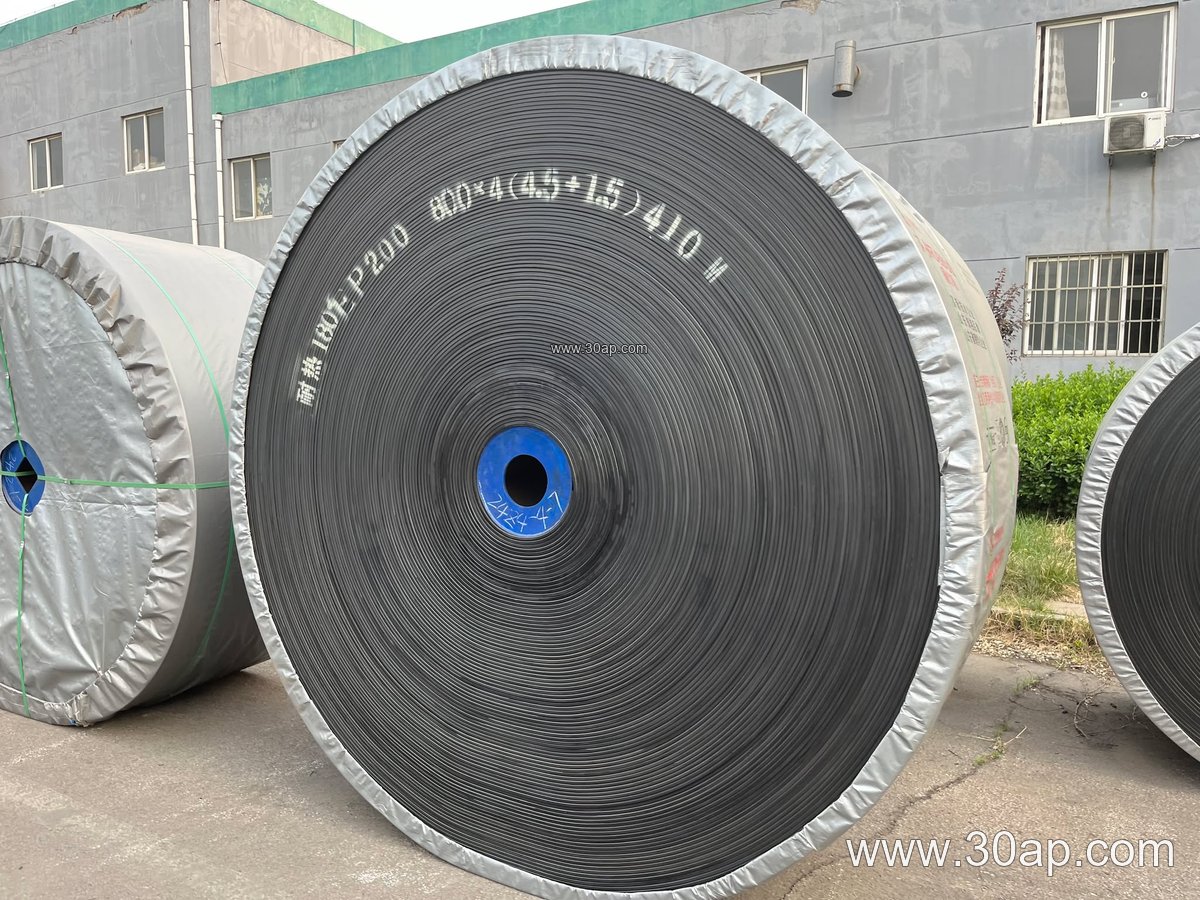
Reference values below are typical ranges, not fixed supply promises. Actual belt thickness, ply count, and cover thickness are determined by the conveyor design and the duty.
| Parameter | Common reference values |
|---|---|
| Belt width | B2000 (2000 mm) |
| Belt type | EP, NN, steel cord, PVC/PVG where suitable |
| EP strength grades | EP400, EP630, EP800, EP1000, EP1250 |
| NN strength grades | NN200, NN300, NN400 |
| Steel cord grades | ST1000, ST1600, ST2000, ST2500 |
| Cover thickness | 4+2 mm, 5+2 mm, 6+2 mm, 8+3 mm |
| Carcass plies | 2 to 6 plies for fabric cores |
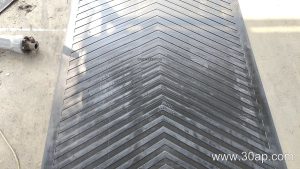
Surface forms such as a chevron conveyor belt or corrugated sidewall belt are separate design choices. They are not replacements for a plain 2000mm belt, but they can be relevant when the same conveyor must handle an incline or prevent spillage at the edges.
Where This Width Is Used
Wide belts appear in mines, coal preparation plants, cement works, power stations, ports, and large quarries. A 2000mm conveyor belt is often found on main haulage lines where a high tonnage moves continuously. In a coal mining conveyor belt system, flame retardant and anti-static properties may be required, while an iron ore or copper ore line may call for a high abrasion resistant conveyor belt. Cement plants often use heat resistant conveyor belt grades near kiln areas, and port ship loading conveyors may use a heavy-duty mining conveyor belt for fast transfer.
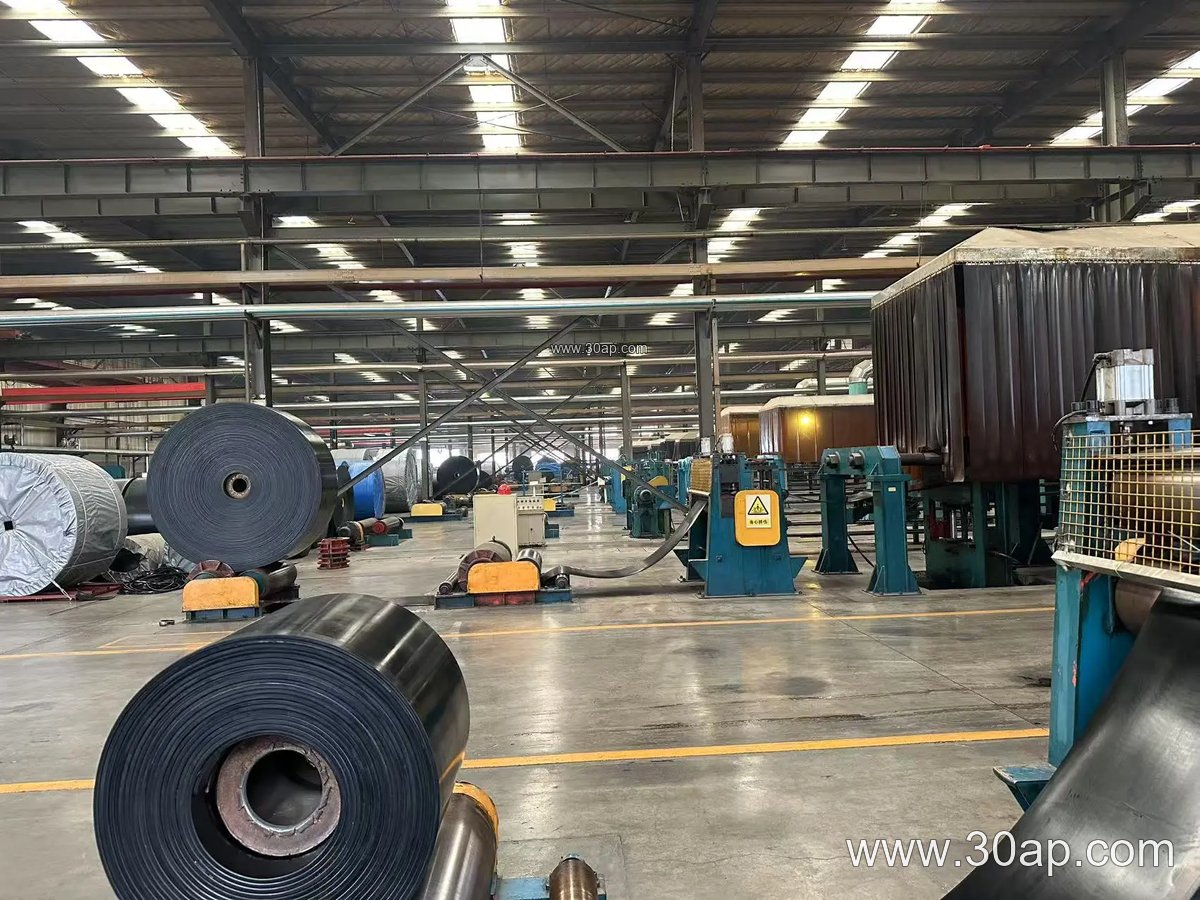
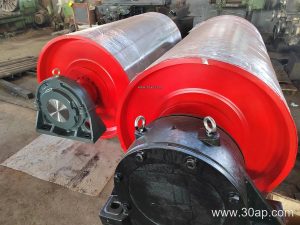
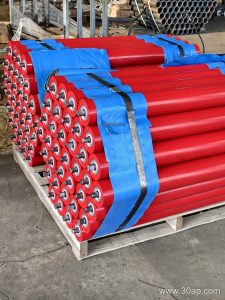
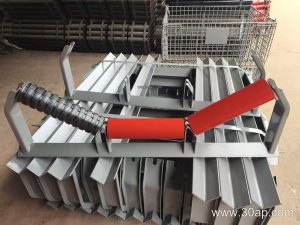
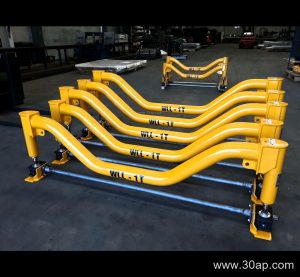
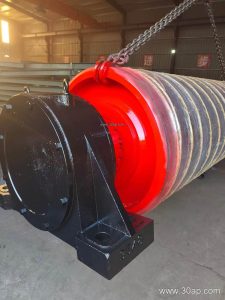
The belt does not work alone. A conveyor pulley at the drive and tail ends, idler roller sets along the carry and return sides, and conveyor brackets that hold the structure all affect belt life. On a 2000mm belt, idler alignment and pulley crown matter more because a small misalignment affects a large surface area. A conveyor pulley that is too small for the belt stiffness can increase bending stress, so the pulley diameter should come from the conveyor design, not from the belt width alone.
Selection Points for Buyers
- Confirm the actual duty: tonnage, lump size, material temperature, moisture, and whether the belt runs underground or outdoors.
- Match the carcass to tension and distance. Fabric core belts are common for moderate runs; steel cord belts suit long, high-tension lines.
- Choose cover rubber for the environment, such as abrasion resistant, heat resistant, oil resistant, or flame retardant grades.
- Check splice compatibility. A wide belt needs a splice method that suits the carcass and the available space.
- Review the conveyor pulley, idler roller, and bracket layout together with the belt specification.
Handling and Maintenance Notes
Wide belts are heavy and need careful lifting and storage. During installation, keep the belt aligned with the conveyor pulley and check idler roller heights across the full width. Tracking problems on a 2000mm conveyor belt often show up as edge wear, so early correction saves cover rubber. Routine checks should include cover condition, edge damage, splice integrity, and idler rotation. For a coal mining conveyor belt or an underground mining conveyor belt, flame retardant and anti-static performance should be verified against the design requirement before installation.
For more information on belt widths, rubber covers, and related conveyor components, visit https://www.jsbelt.com/ and review the conveyor belt, idler roller, and conveyor pulley options against your project data. The right 2000mm conveyor belt is the one that matches the conveyor structure, the material, and the operating environment together.