What an EP100 Conveyor Belt Is
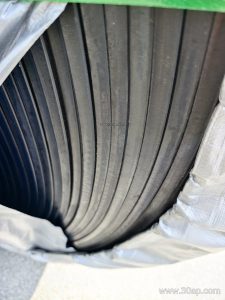
An EP100 Conveyor Belt is a fabric-core belt built with polyester (E) warp yarns and polyamide (P) weft yarns. The “100” refers to a nominal tensile strength of 100 N/mm per ply, which places it at the lighter end of the EP range. It is a type of EP Conveyor Belt, also called an EP Rubber Conveyor Belt or EP Fabric Core Conveyor Belt. The carcass is protected by rubber covers, and the belt is used to move bulk materials in quarries, sand and gravel plants, cement works, small mines, and light-duty recycling lines. Buyers who need higher tension often move up to EP200 Conveyor Belt or EP300 Conveyor Belt, but for short to medium conveyors the EP100 grade keeps weight and cost sensible.
Construction and Common Specifications
The carcass usually has two to four plies of EP fabric, with rubber covers on the top and bottom. Cover thickness is described as top + bottom, for example 3+1.5 mm or 4+2 mm. The belt edge can be cut or moulded, and the surface may be smooth or carry a pattern for incline work. The table below shows typical reference values; actual supply depends on the manufacturer and the conveyor design.
| Parameter | Common reference range |
|---|---|
| Belt type | EP100 (EP Conveyor Belt, fabric core) |
| Nominal strength | 100 N/mm per ply |
| Number of plies | 2 to 4 (sometimes up to 6) |
| Belt width | B500, B650, B800, B1000, B1200, B1400, B1600 mm |
| Cover thickness | 3+1.5, 4+2, 5+2 mm |
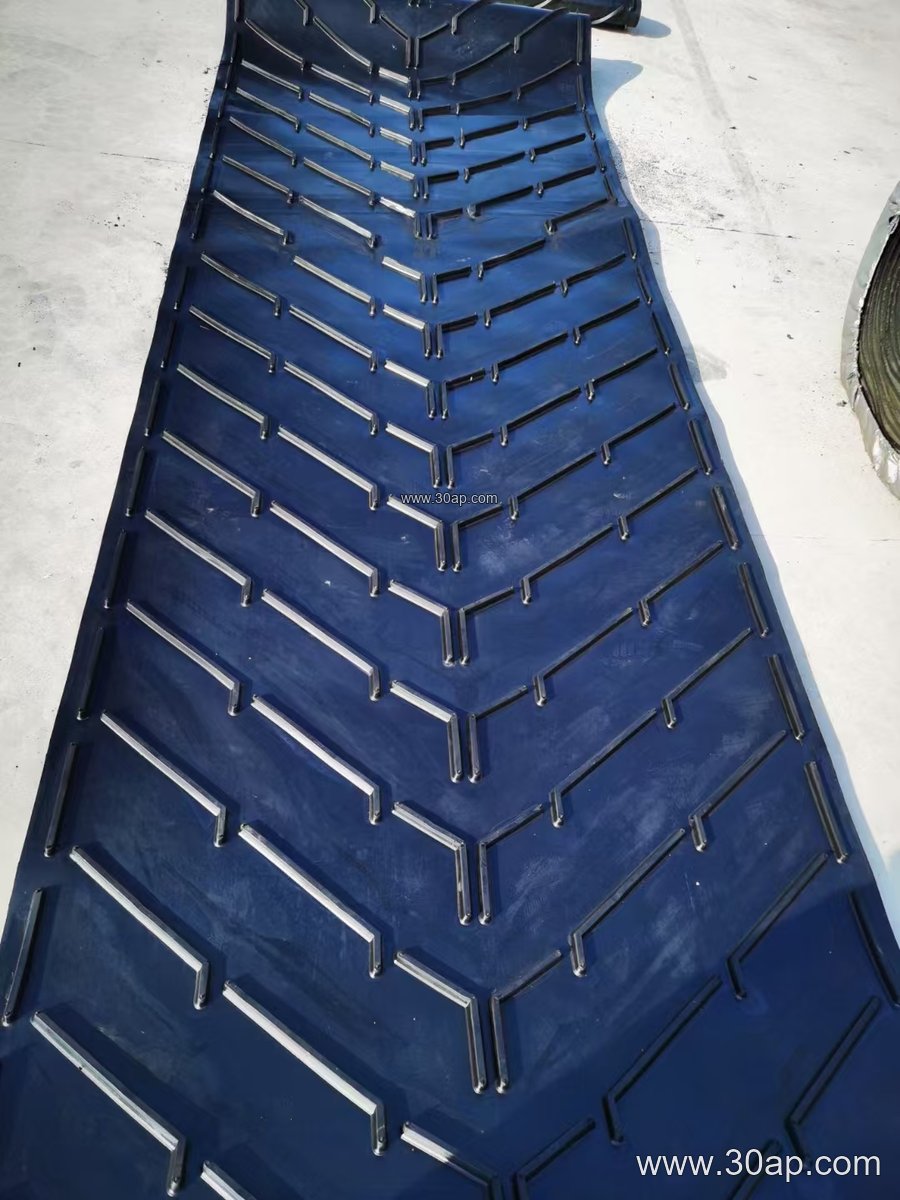
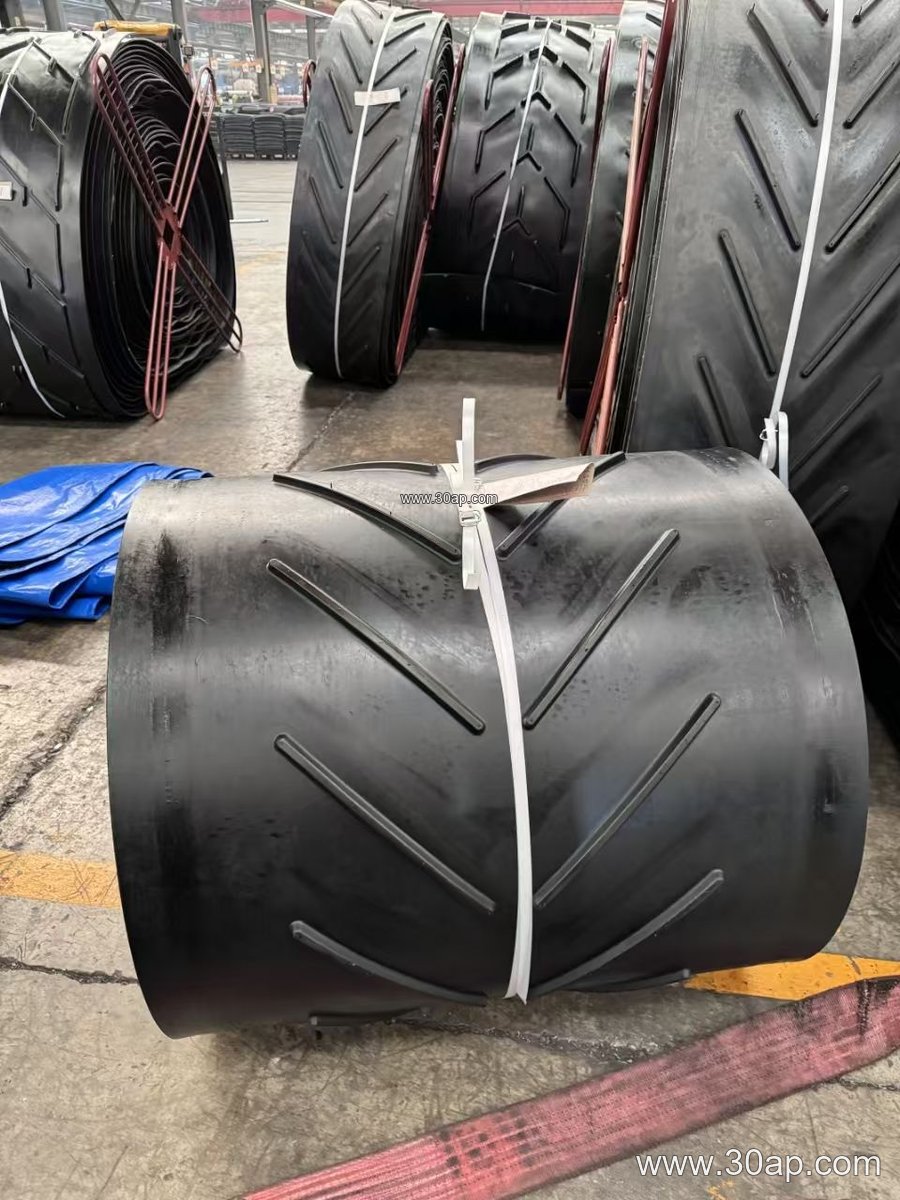
| Surface form | Smooth, chevron, or skirted |
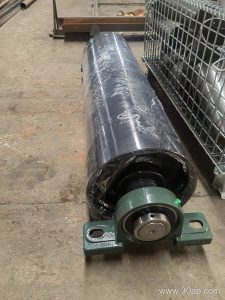
These are reference values, not a fixed catalogue. A wider belt does not automatically require a larger pulley diameter; the pulley size follows the conveyor design, belt thickness, and required bending radius. Drive pulleys, tail pulleys, and bend pulleys each have their own role and are not interchangeable.
Where It Fits in the Plant
In a quarry or aggregate plant, an EP100 belt often runs on short transfer conveyors, screen feed lines, and stockpile belts where the duty is moderate. In a sand making plant or stone crushing line, it may handle crushed rock and fines after the crusher. Cement plants use fabric belts for clinker and additive transfer, while power plants and ports handle coal and bulk cargo. For heavier, longer hauls or high-impact loading, a Steel Cord Conveyor Belt or a higher EP grade such as EP400 Conveyor Belt or EP500 Conveyor Belt is more suitable. The EP100 belt is not a substitute for those heavier constructions; it is a lighter fabric-core option.
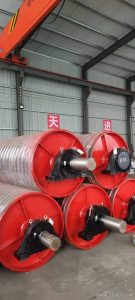
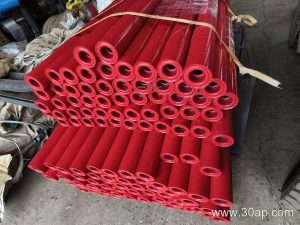
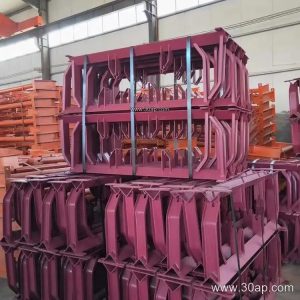
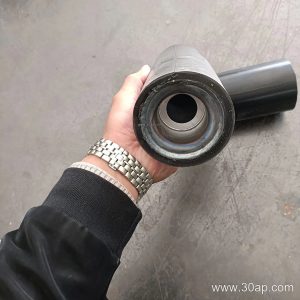
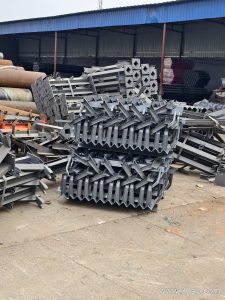
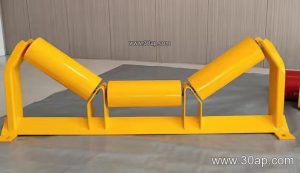
Related components matter as much as the belt. The conveyor pulley drives or redirects the belt, idler roller supports the carrying and return sides, and conveyor bracket holds the structure together. A well-aligned frame and properly sized pulleys help the belt track straight and last longer.
Specialist Variants and Comparisons
When the duty calls for more than a standard EP100, specialist belts are available. A Chevron Conveyor Belt or Corrugated Sidewall Conveyor Belt helps on steep inclines. A Heat Resistant Conveyor Belt suits hot clinker or sinter, while an Oil Resistant Conveyor Belt handles oily scrap or food processing. In coal mining, a Flame Retardant Conveyor Belt or Fire Resistant Conveyor Belt is often specified for underground use, and an Anti-Static Conveyor Belt reduces static build-up. These are different constructions, not replacements for the EP100 carcass; they are selected when the operating environment demands it.
Buyer Checklist
- Confirm the required tensile grade: EP100 may be enough for a short conveyor, but check the calculated tension before choosing.
- Match belt width and cover thickness to the material and loading conditions; 800mm Conveyor Belt and 1000mm Conveyor Belt are common in aggregate plants, but the final width comes from the conveyor design.
- Check pulley diameters against the belt thickness and ply count. Never assume a fixed shaft size from belt width alone.
- Specify the surface form: smooth for general use, chevron for inclines, or skirted for contained material.
- Ask for the carcass construction and cover grade so the belt matches the environment, whether it is a Mining Conveyor Belt, Cement Conveyor Belt, or Power Plant Conveyor Belt.
- Plan maintenance: inspect idler roller alignment, pulley lagging, and belt edges regularly to avoid premature wear.
For a reliable quote, provide the conveyor length, lift, capacity, material type, and pulley sizes. That information lets the supplier recommend the right EP100 Conveyor Belt or a heavier grade such as EP630 Conveyor Belt when the duty demands it. For more details on fabric and steel cord belts, visit www.example.com/conveyor-belt and www.example.com/ep-conveyor-belt.