What Is an Extra-Wide Conveyor Belt
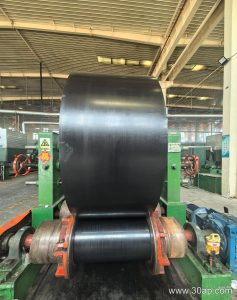
An extra-wide conveyor belt is a heavy-duty rubber or polymer belt designed for conveyor systems that require a very wide carrying surface. In industrial settings such as mining, coal preparation, cement plants, power stations, and aggregate yards, these belts move large volumes of bulk material with fewer transfer points and reduced spillage. The extra width allows a higher tonnage per hour without increasing belt speed, which can help lower wear on idlers and pulleys.
While a standard conveyor belt might range from B500 to B1200, an extra-wide belt typically spans from B1400 up to B2000 or beyond, depending on the application. The exact width is chosen by the system designer to match the required capacity, material lump size, and loading conditions.
Construction and Key Components
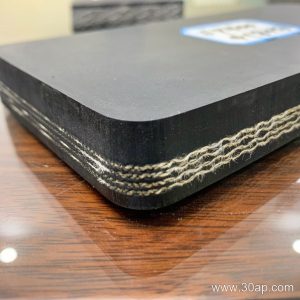
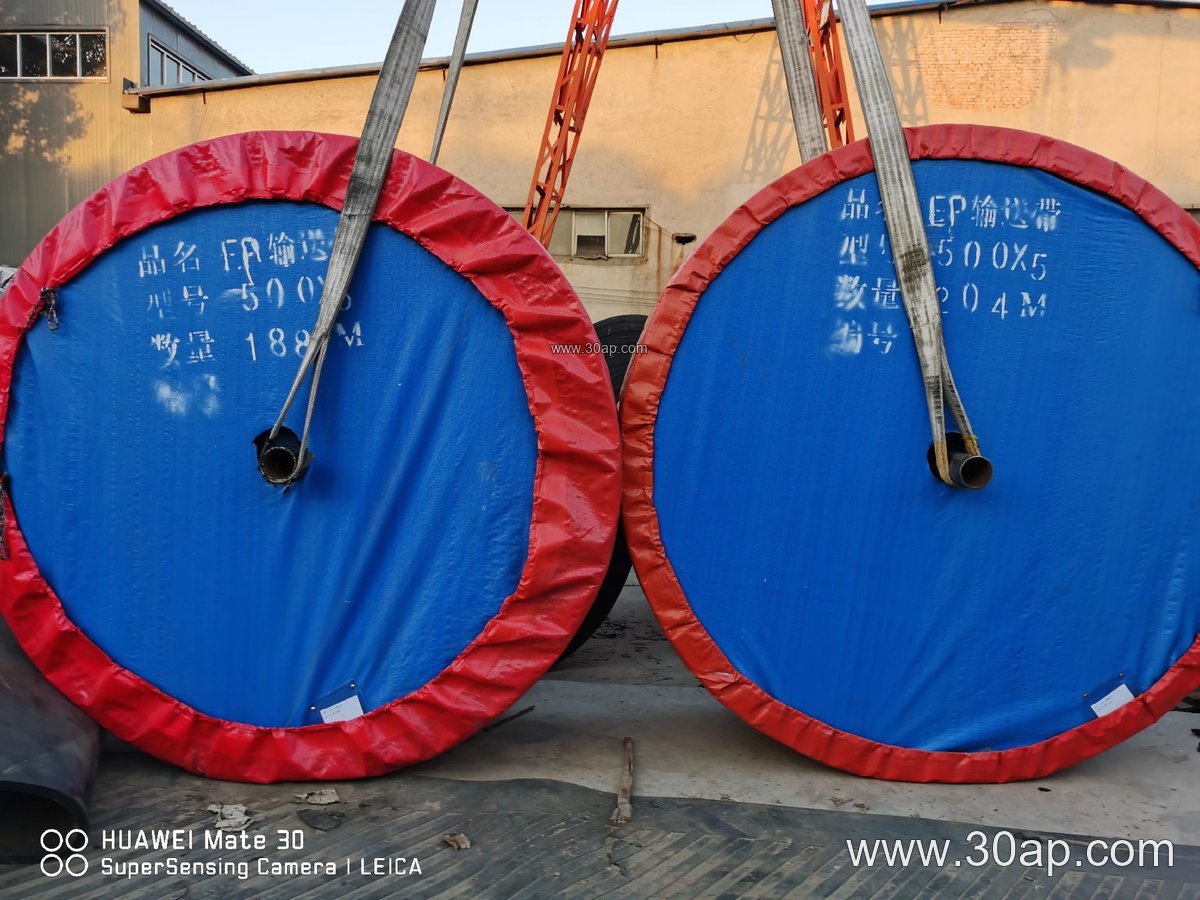
These belts share the same basic build as other fabric or steel-cord belts, but the wider carcass demands careful engineering. Common constructions include EP (polyester-cotton) and NN (nylon-nylon) fabric plies, as well as steel cord reinforcement for very long or high-tension runs. The cover rubber is selected for the environment: abrasive, heat-resistant, oil-resistant, flame-retardant, antistatic, or cold-resistant grades are available.
Typical cover thicknesses for extra-wide belts are often in the range of 4+2 mm, 5+2 mm, 6+2 mm, or 8+3 mm, with 3+1.5 mm used for lighter duties. The carcass may have 2 to 6 plies depending on the belt class. Strength grades such as EP200, EP400, EP630, EP1000, and EP1600 are commonly referenced, but the final selection should always follow the conveyor design.
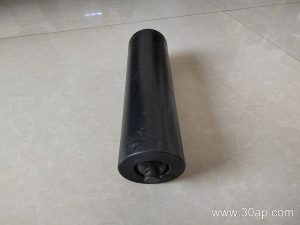
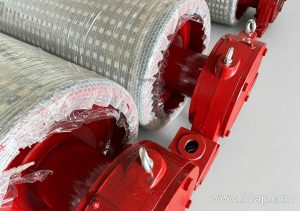
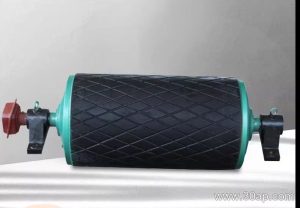
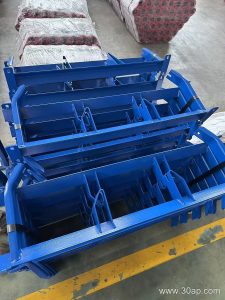
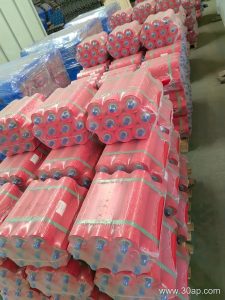
On the conveyor structure, the belt runs over idler rollers and is trained by bend pulleys, a drive pulley, and a tail pulley. Each pulley type has a distinct role and should not be treated as interchangeable. Conveyor brackets support the idlers and help maintain proper belt alignment across the wide span.
Where Extra-Wide Belts Are Used
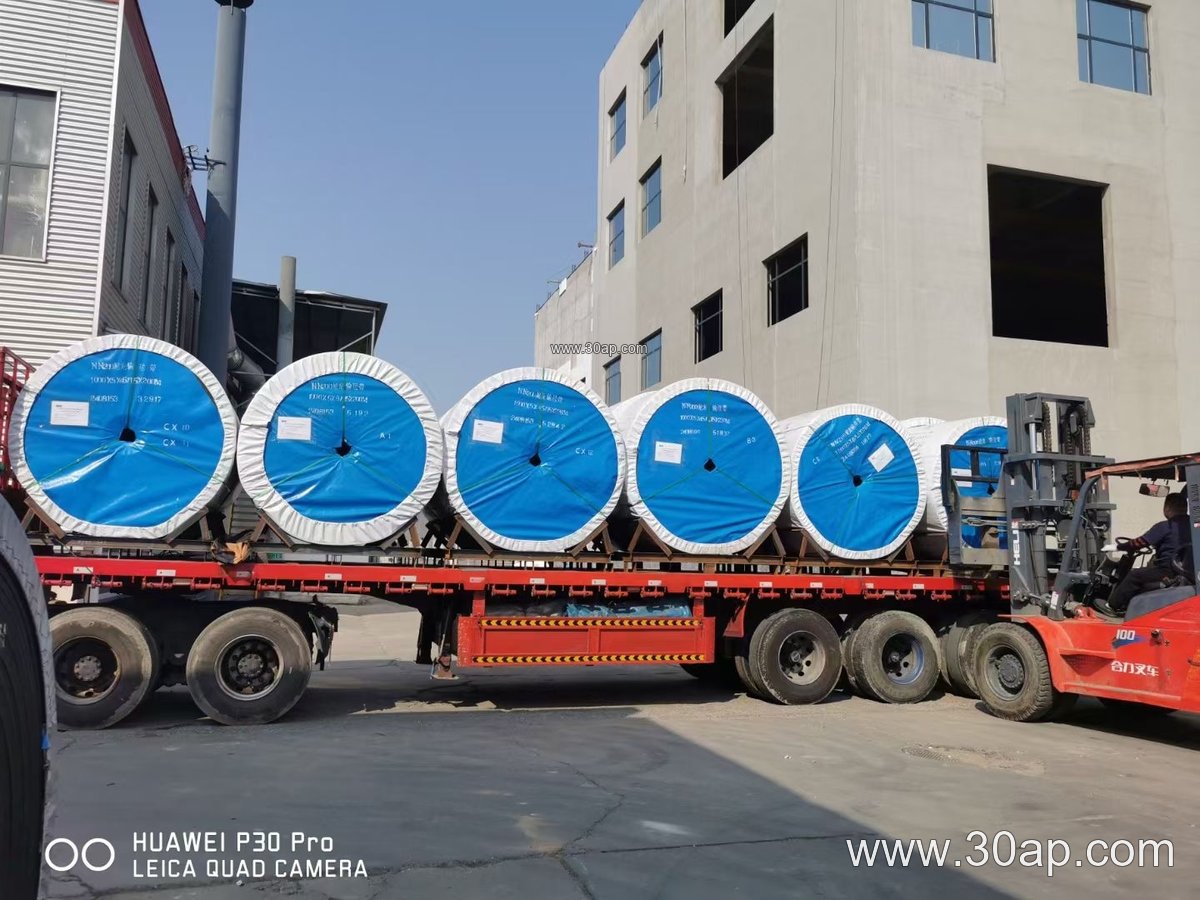
Mines and coal handling plants use extra-wide belts on main haulage conveyors where high throughput is essential. Cement plants employ them for clinker and raw meal transport. Power plants use wide belts in coal yard and ash handling systems. Sand and gravel operations benefit from the wide carrying surface when moving mixed aggregate. In all these sectors, the belt works together with idler rollers, pulleys, and brackets to form a reliable conveying line.
Specifications and Selection Guide
The table below lists common reference values. These are typical ranges, not fixed rules, and actual dimensions are determined by the conveyor designer.
| Parameter | Common Reference Values |
|---|---|
| Belt width | B1400, B1600, B1800, B2000 (extra-wide range) |
| Strength grade | EP200, EP315, EP400, EP500, EP630, EP800, EP1000, EP1250, EP1600, EP2000 |
| Cover thickness | 3+1.5 mm, 4+2 mm, 5+2 mm, 6+2 mm, 8+3 mm |
| Carcass plies | 2 to 6 layers |
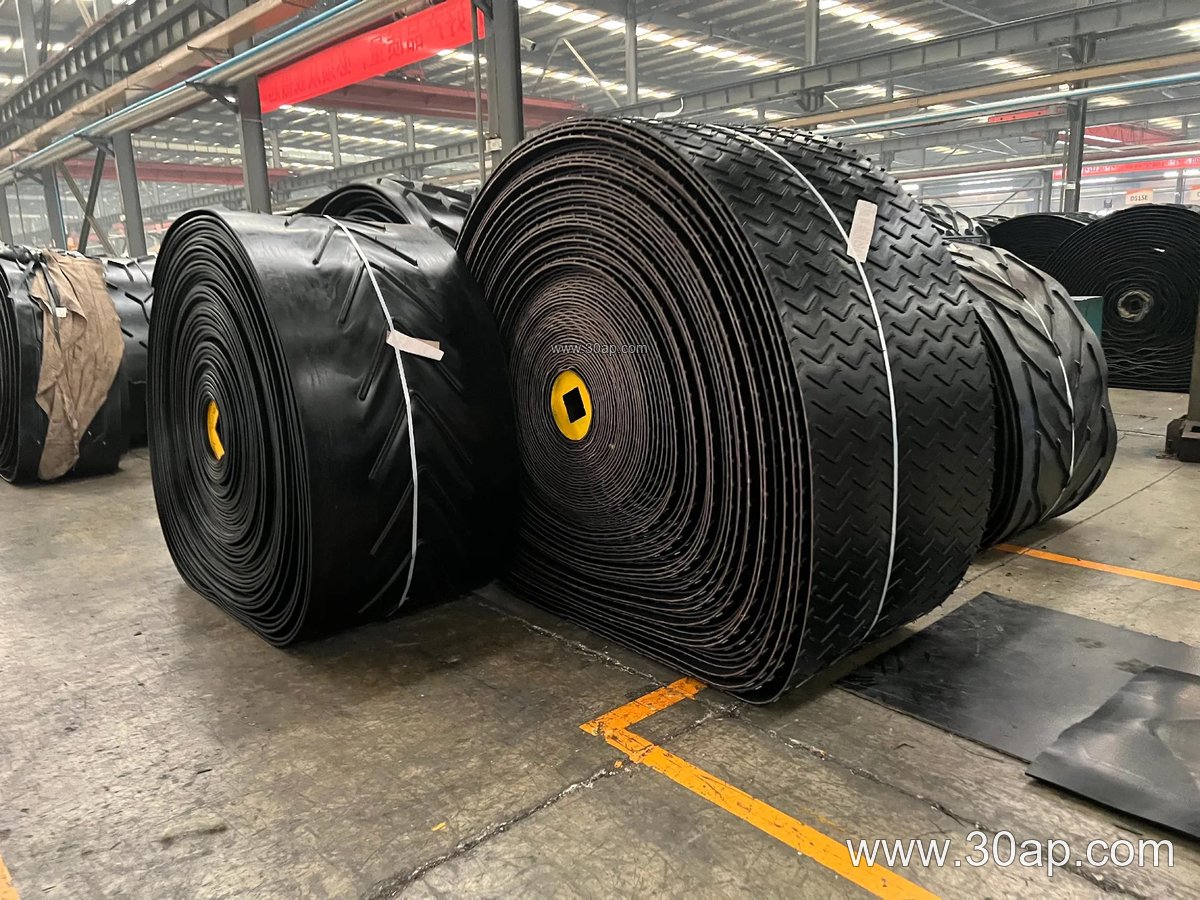
| Surface forms | Smooth, patterned, chevron, corrugated sidewall |
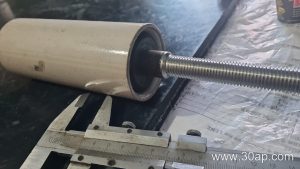
Buyers should confirm the belt width against the troughing idler set and pulley face width. A wider belt does not automatically dictate a specific pulley diameter or shaft size; those are separate design decisions. The load support, transition distance, and take-up travel all need review when specifying an extra-wide belt.
Buyer Checklist
- Verify the material characteristics: lump size, abrasiveness, temperature, oil or chemical exposure.
- Check the conveyor capacity and belt speed to select the correct width and strength grade.
- Confirm compatibility with idler rollers, bend pulleys, drive pulley, tail pulley, and brackets.
- Review cover thickness and surface pattern for grip and wear life.
- Ask for the manufacturer’s technical data sheet; values vary between suppliers.
An extra-wide conveyor belt is a system component, not a standalone item. Proper integration with pulleys, idlers, and support brackets is essential for long service life in demanding industries such as mining, coal, cement, power, and aggregates.