What Pulley Lagging Does on a Conveyor Pulley
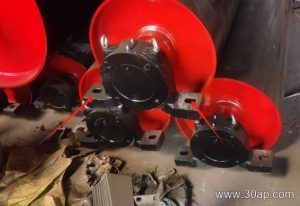
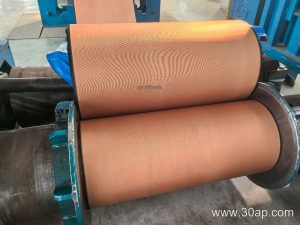
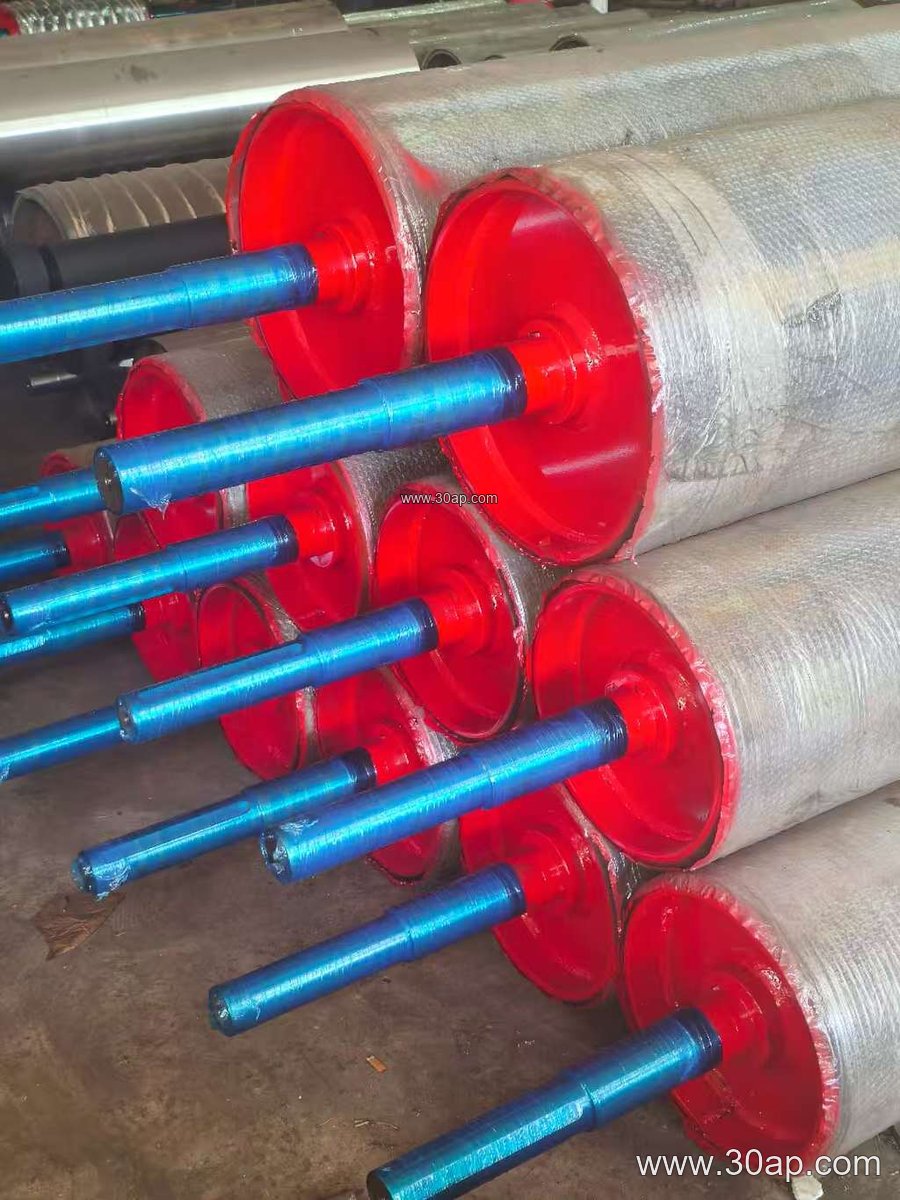
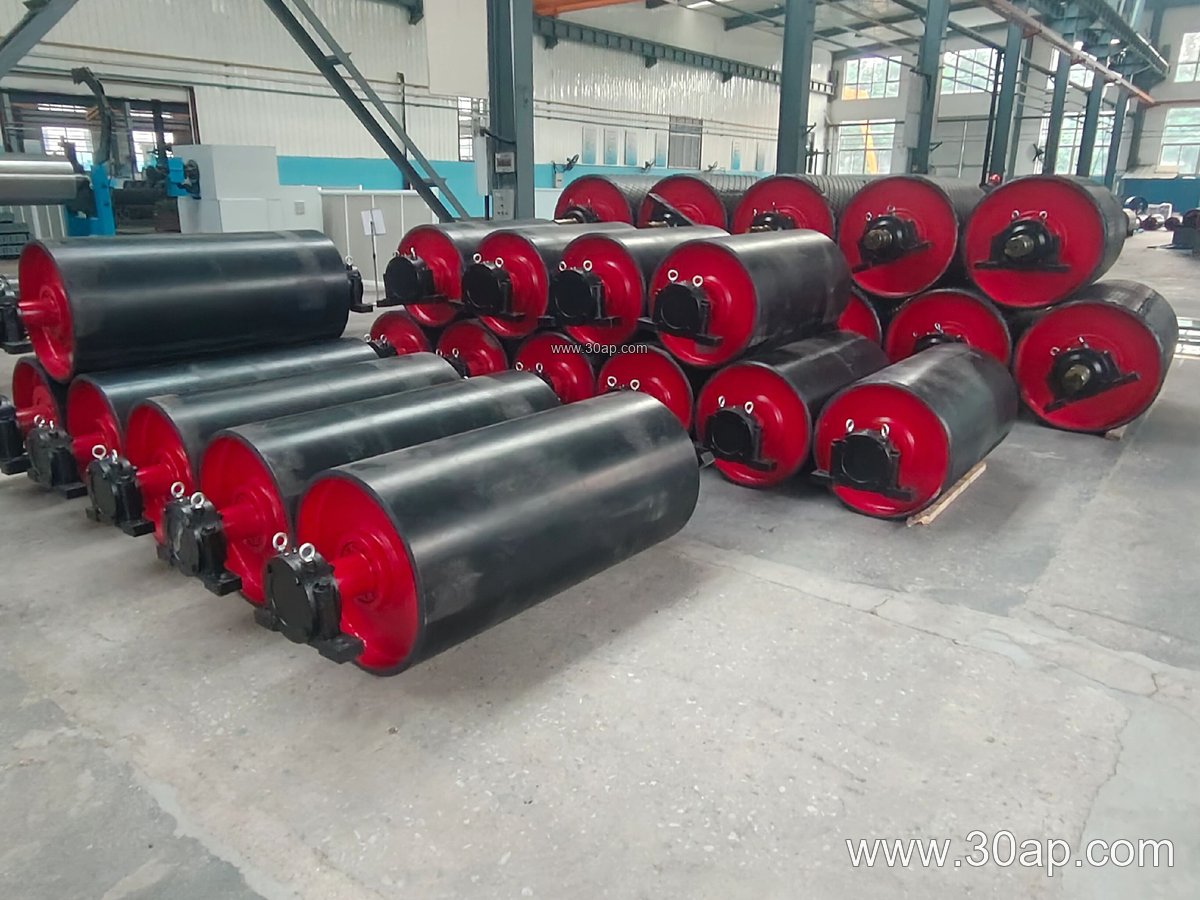
Pulley lagging is the rubber or composite layer bonded to the shell of a conveyor pulley to improve friction between the drum and the conveyor belt. Without it, a bare steel shell can slip when the belt is wet, dusty, or heavily loaded, and slip means belt wear, heat, and lost throughput. The lagging also protects the pulley shell from abrasion and can be renewed when it wears, which is far cheaper than replacing the drum. In a quarry or a coal handling plant, a lagged drive pulley is often the difference between steady start-up and repeated belt tracking problems.
Suppliers such as www.pulley-lagging.com commonly refer to the same product as conveyor pulley rubber lagging or drum lagging. All three names describe the same component; the choice of wording does not change what it does.
How Lagging Is Built and Attached
Most lagging is supplied as sheets or strips with a textured or plain surface, and it is fixed to the pulley in one of three ways. Cold-bonded rubber uses an adhesive system applied in the field. Hot vulcanized lagging is cured onto the shell under heat and pressure, giving a strong bond that suits high-torque drive pulleys. Cast or molded lagging is poured or formed directly onto the drum, often with grooves built in. Plain sheet is also available where grip matters less than protection.
Surface patterns are chosen for the duty. Diamond lagging sheds water and fines and is a common general-purpose choice. Herringbone lagging gives directional grip and is often seen on drive pulleys in aggregate and cement plants. Ceramic lagging embeds hard tiles in rubber for very abrasive, wet conditions, and plain lagging is used where the pulley mainly needs protection rather than traction.
Where Lagging Is Used Across Industries
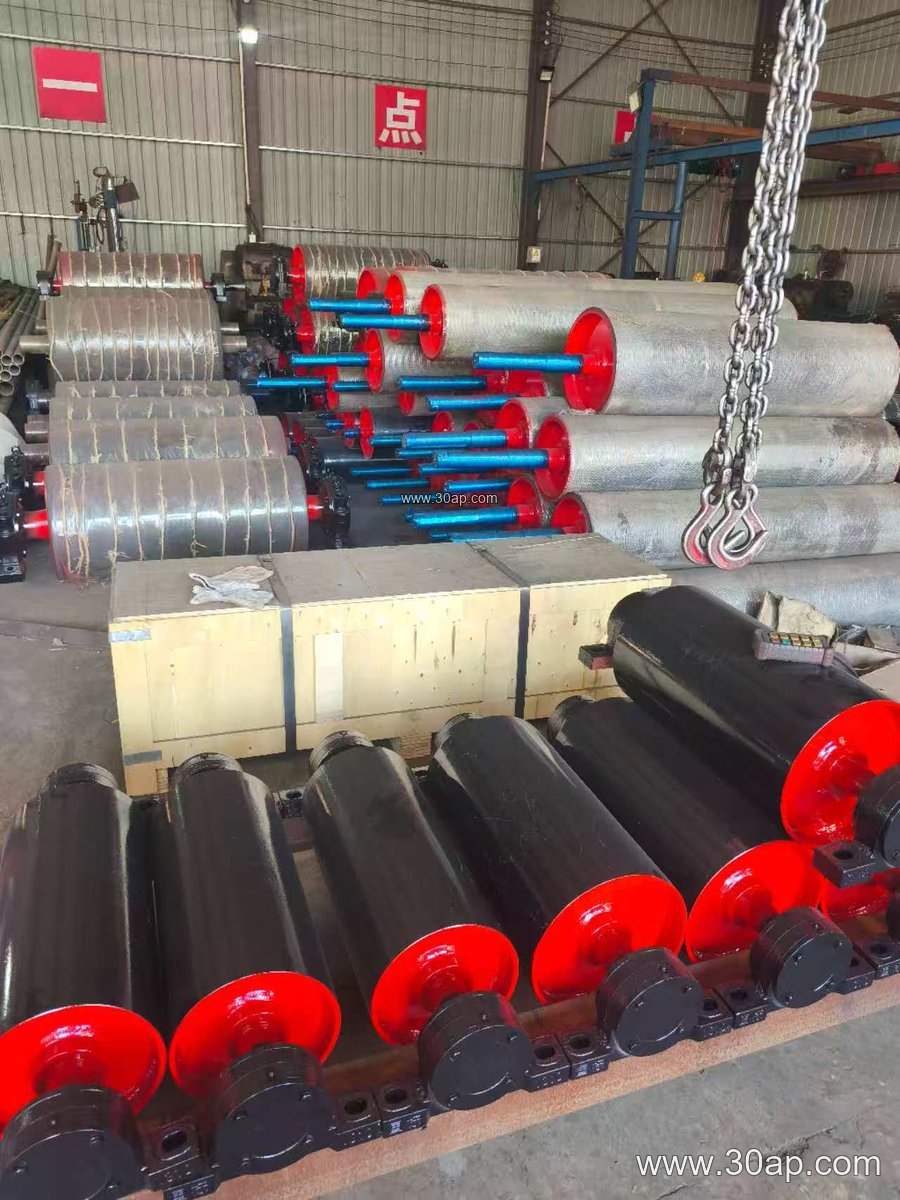
Drive pulleys carry the highest tension and need the most grip, so they are usually the first place lagging is specified. A tail pulley may use lagging to reduce slip during starting, and a bend pulley is more often protected with a plain or lightly textured cover. These positions are not interchangeable, and the lagging specification should follow the pulley’s role rather than a single rule for the whole conveyor.
In an iron ore or copper ore concentrator, wet and abrasive conditions push buyers toward ceramic or thick rubber covers. A power plant coal yard may prioritize flame retardant grades alongside a flame retardant conveyor belt. Cement plants handling hot clinker look at heat resistant compounds, while a sand and gravel line usually needs abrasion resistance above all. Food and fertilizer operations may ask for oil resistant or food grade rubber where contact or spillage is a concern.
Matching Lagging to Belt and Pulley Size
Lagging thickness commonly ranges from 8 mm to 20 mm, with 10 mm and 12 mm being frequent choices for general duty and thicker covers used on large drive pulleys. Pulley diameter is selected from belt tension and shaft load, not from belt width alone, so a B800 conveyor might run a Ø500 drive pulley in one plant and a larger drum in another. Typical combinations include B800 × Ø500, B1200 × Ø1000, and B1400 × Ø800, but these are examples rather than fixed pairings.
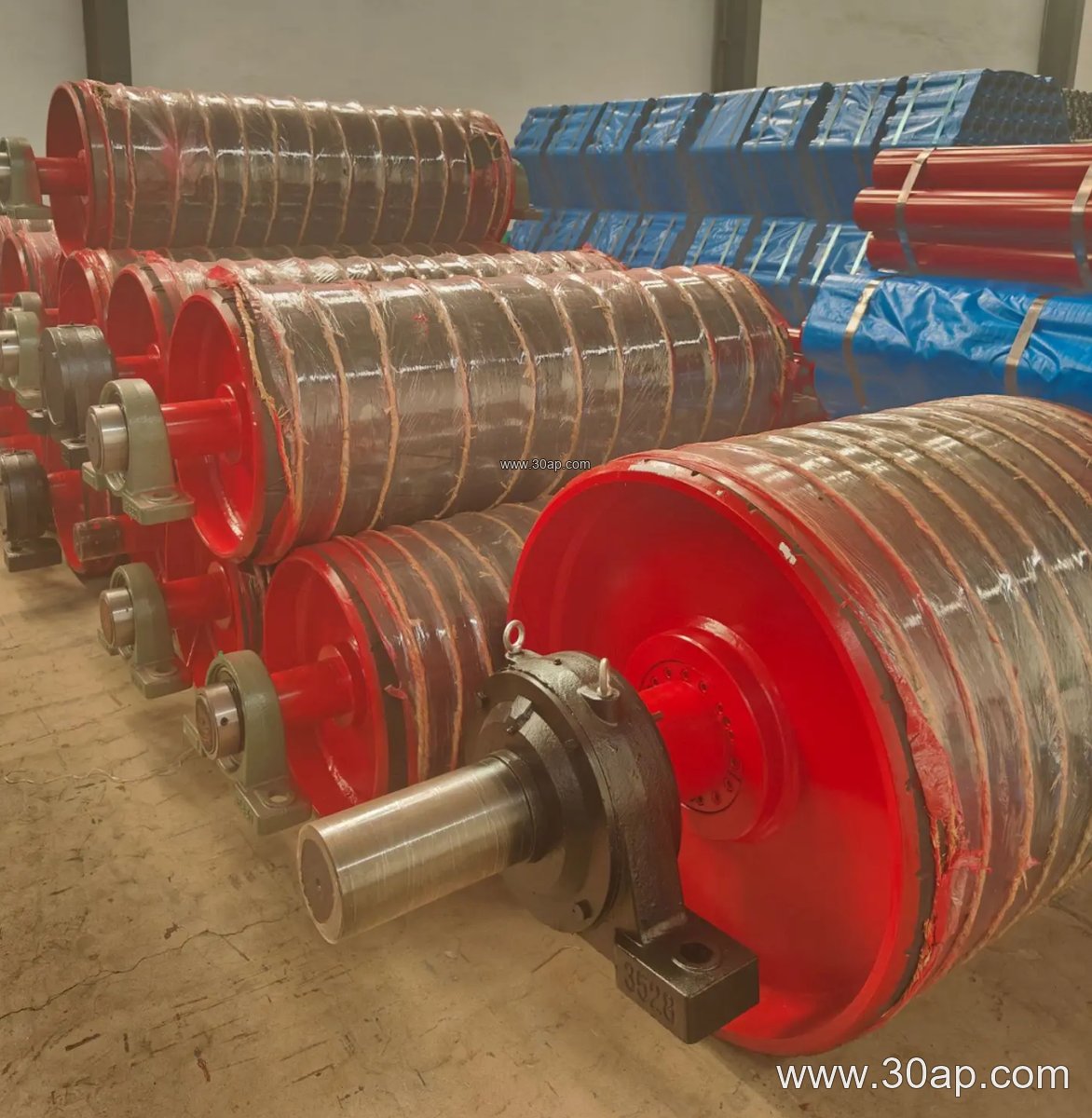
Shaft diameter follows torque and bearing load. Common shaft sizes run from Ø50 up to Ø200, and the final figure should come from the conveyor designer. The table below shows reference data only.
| Item | Common Reference Values |
|---|---|
| Belt width | B400, B500, B650, B800, B1000, B1200, B1400, B1600, B1800, B2000 |
| Pulley diameter | Ø200, Ø250, Ø315, Ø400, Ø500, Ø630, Ø800, Ø1000, Ø1250 |
| Lagging thickness | 8, 10, 12, 15, 20 mm |
| Surface form | Plain, diamond, herringbone, ceramic, cast rubber |
| Shaft diameter | Ø50 to Ø200, by design |
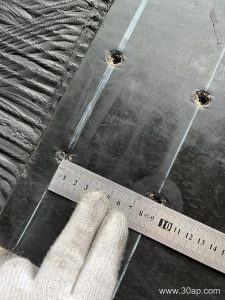
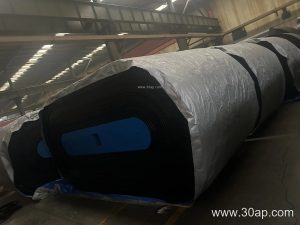
The belt itself also matters. A heavy steel cord conveyor belt or a thick EP conveyor belt carries more tension and benefits from a well-bonded, thicker cover, while a light fabric core conveyor belt may be served by a thinner diamond pattern. Chevron conveyor belt and corrugated sidewall conveyor belt installations deserve a check that the lagging pattern does not interfere with belt tracking.
What Buyers Should Check Before Ordering
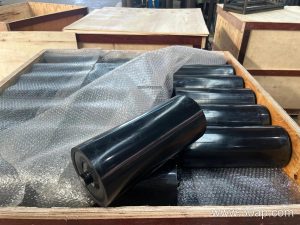
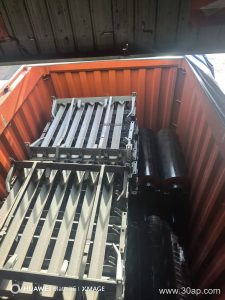
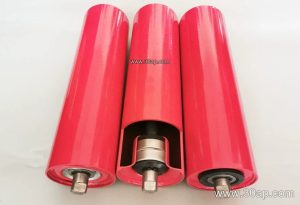
Confirm the pulley position, shell diameter, face width, and shaft size first. Then state the material, moisture level, and temperature so the compound and surface pattern can be matched. Ask whether the lagging will be cold bonded on site or hot vulcanized, because the installation method affects downtime and bond strength. Finally, keep a spare set of lagging and the correct adhesive or vulcanizing materials, since a worn drive pulley can stop a whole crushing line. For related components, a quick review of the conveyor pulley, idler roller, and conveyor bracket condition at the same time avoids repeat shutdowns.