What a Heavy-Duty Trough Idler Does on the Line
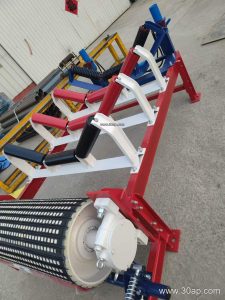
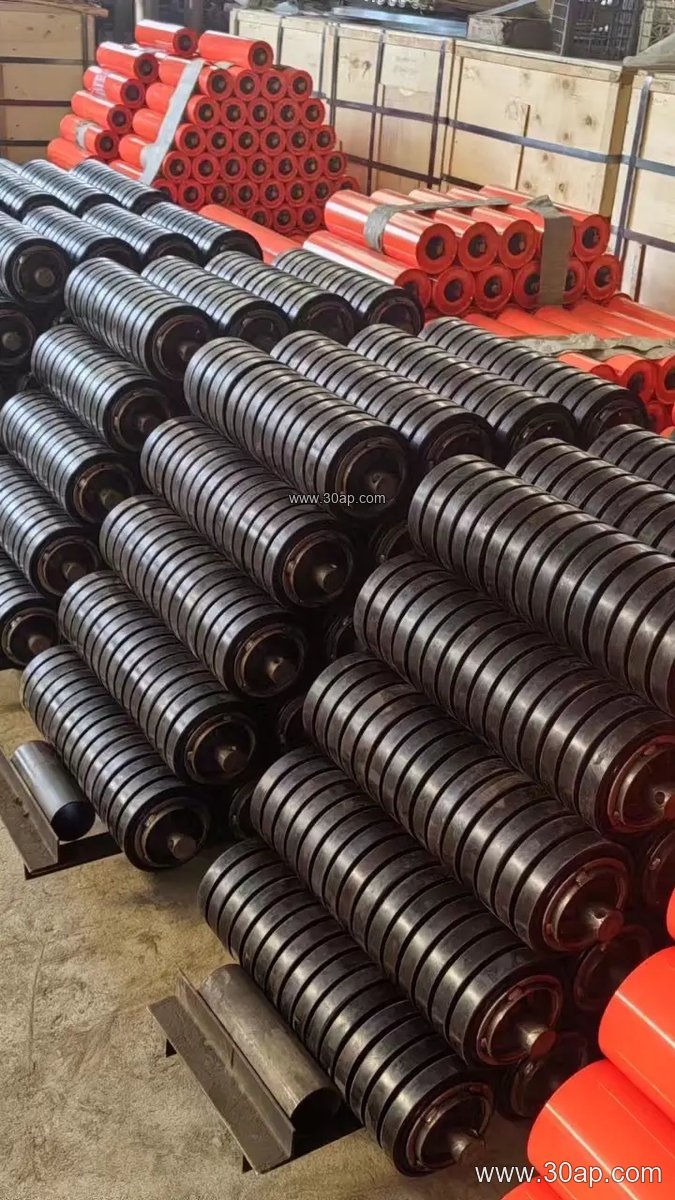
A heavy-duty trough idler is the carrying roller assembly that supports the loaded side of a conveyor belt and shapes it into a trough. The three-roll arrangement lifts the belt edges so bulk material sits in a stable bed instead of spilling over the sides. On a quarry conveyor or a cement plant raw-material line, this component carries the full weight of stone, clinker or aggregate hour after hour, which is why the frame, shaft and bearing housing are built thicker than those of a light-duty roller.
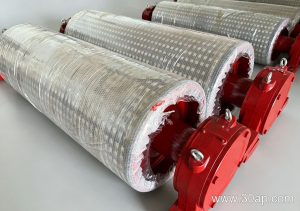
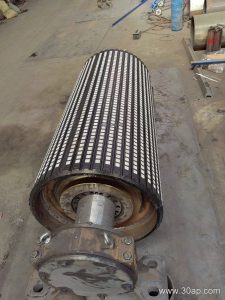
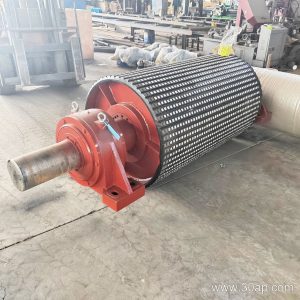
The same assembly is often called a heavy-duty carrying idler or heavy-duty troughing roller. Those names describe the same product. It should not be confused with a drive pulley, tail pulley or bend pulley, which transmit or redirect belt tension rather than support the belt along its run.
How the Assembly Is Built
A typical unit combines three idler rollers mounted in a steel bracket, with the side rollers angled upward. The trough angle is usually 20, 30, 35 or 45 degrees; 35 degrees is common on high-capacity lines, while 45 degrees suits very free-flowing material. Roller shells are commonly steel tube, with nylon, ceramic or rubber-ring surfaces available where wear or impact is severe.
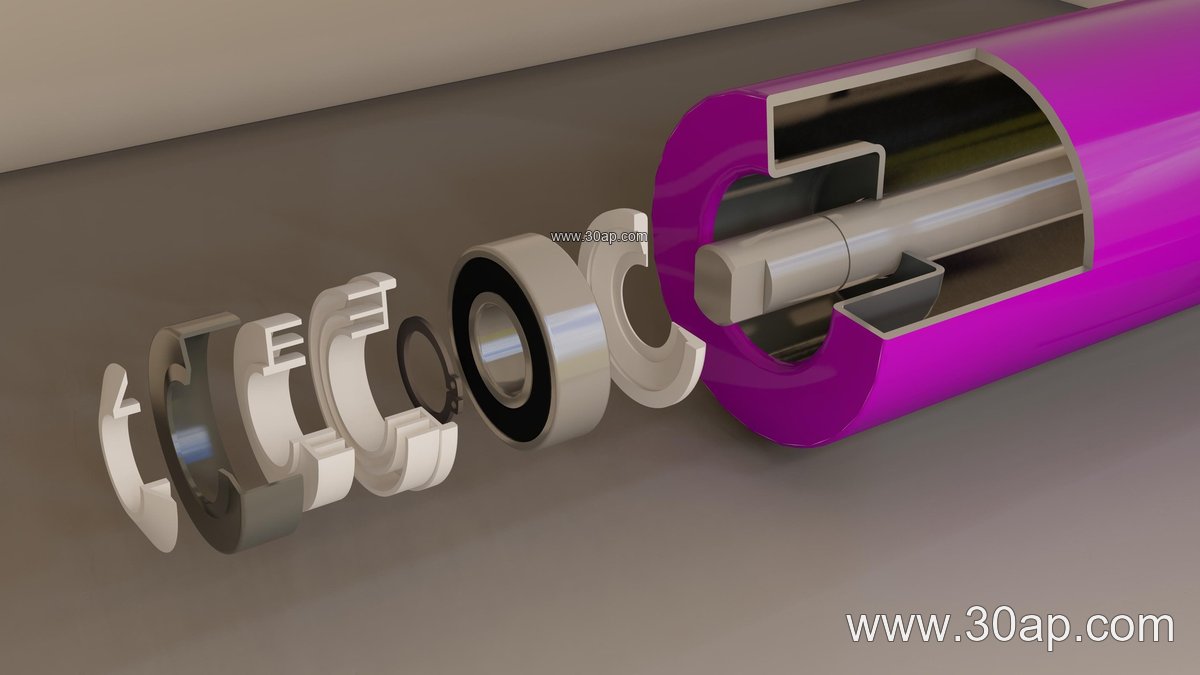
Bearings are sealed on both sides, and common bearing numbers include 6205, 6305, 6306, 6308 and 6310. A larger roller diameter does not automatically mean a particular bearing, so the shaft and housing should be checked against the actual design. Roller length depends on belt width, trough angle and frame type, so the values below are examples only.
| Belt width | Typical center roll length (three-roll trough) |
|---|---|
| B500 | about 200 mm |
| B650 | about 250 mm |
| B800 | about 315 mm |
| B1000 | about 380 mm |
| B1200 | about 465 mm |
| B1400 | about 530 mm |
| B1600 | about 600 mm |
| B1800 | about 670 mm |
| B2000 | about 750 mm |
Common roller diameters range from Ø63 and Ø76 up to Ø159, Ø178, Ø194 and Ø219. Side rolls may differ in length from the center roll. On a wide belt handling coarse rock, a larger diameter and thicker shell usually give better service life than a small roller pushed to its limit.
Where These Idlers Earn Their Place
The heaviest duty falls on primary crushing and transfer points. At a limestone mine or an iron ore site, run-of-mine material lands on the belt with impact, and the trough idlers just downstream of the loading point take the shock. In a coal washing plant or a power station coal yard, the same assemblies keep the belt profile steady through long horizontal runs. Sand and gravel operations, port ship loaders and steel plant sinter lines also rely on them where dust, moisture and continuous operation are normal.
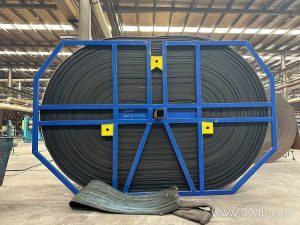
The belt itself matters too. A heavy-duty mining conveyor belt or a high abrasion resistant conveyor belt may be stiff and thick, and the idler spacing and trough angle should match that belt rather than a general rule. Where a steel cord conveyor belt is used on a long overland run, trough idlers must be aligned carefully to avoid edge loading.
Choosing the Right Specification
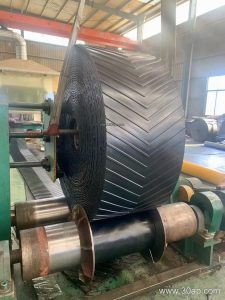
Buyers should confirm belt width, belt type, trough angle, roller diameter, shaft size and frame fixing dimensions before ordering. A fabric core conveyor belt and a steel cord belt can call for different idler spacing, and a chevron conveyor belt or corrugated sidewall conveyor belt may need special consideration at the trough. Check the bracket hole pattern against the existing conveyor bracket so replacement units fit without field modification.
- Confirm the belt width and the actual trough angle.
- Match roller diameter to load and belt speed.
- Verify shaft diameter and bearing number with the supplier.
- Check seal type for dusty or wet conditions.
- Confirm frame and bracket dimensions.
For abrasive duties, rubber-ring impact idlers are often used at transfer points, while standard steel trough idlers handle the carrying run. This is a comparison of roles, not a substitution: the trough idler remains the main carrying component.
Installation and Maintenance Notes
Alignment is the first defense against belt wander and edge wear. Idlers should sit square to the belt centerline, with the trough rolls at the same height. Seized bearings raise belt drag and can damage the belt cover, so periodic checks for rotation, noise and grease condition are worthwhile. Spare rollers should be stored dry and fitted with the correct seal for the site.
On a bulk material conveyor belt handling hot clinker or oil-soaked scrap, heat resistant or oil resistant belt grades may be needed, and the idler seals should suit the same environment. A flame retardant conveyor belt in an underground coal mining conveyor belt system also demands careful housekeeping around rollers to reduce fire risk.
For more on matching belts, rollers and pulleys, see the conveyor component references at conveyoridler.com and beltconveyorparts.com, where trough idlers are listed alongside roller and pulley options.