What an 800mm Drive Pulley Does
An 800mm drive pulley is the powered head pulley at the discharge end of a belt conveyor. Its 800 mm nominal diameter gives enough wrap and contact area for the conveyor belt to transmit torque without excessive slip, making it a common choice on bulk handling lines where moderate to high tension is expected. In a typical arrangement, the drive pulley is coupled to a gearbox and motor, while a tail pulley or bend pulley returns the belt. Because it is a drive pulley, it is not interchangeable with a tail pulley or a bend pulley, even if the diameters look similar.
Construction and Surface Options
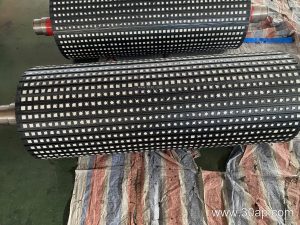
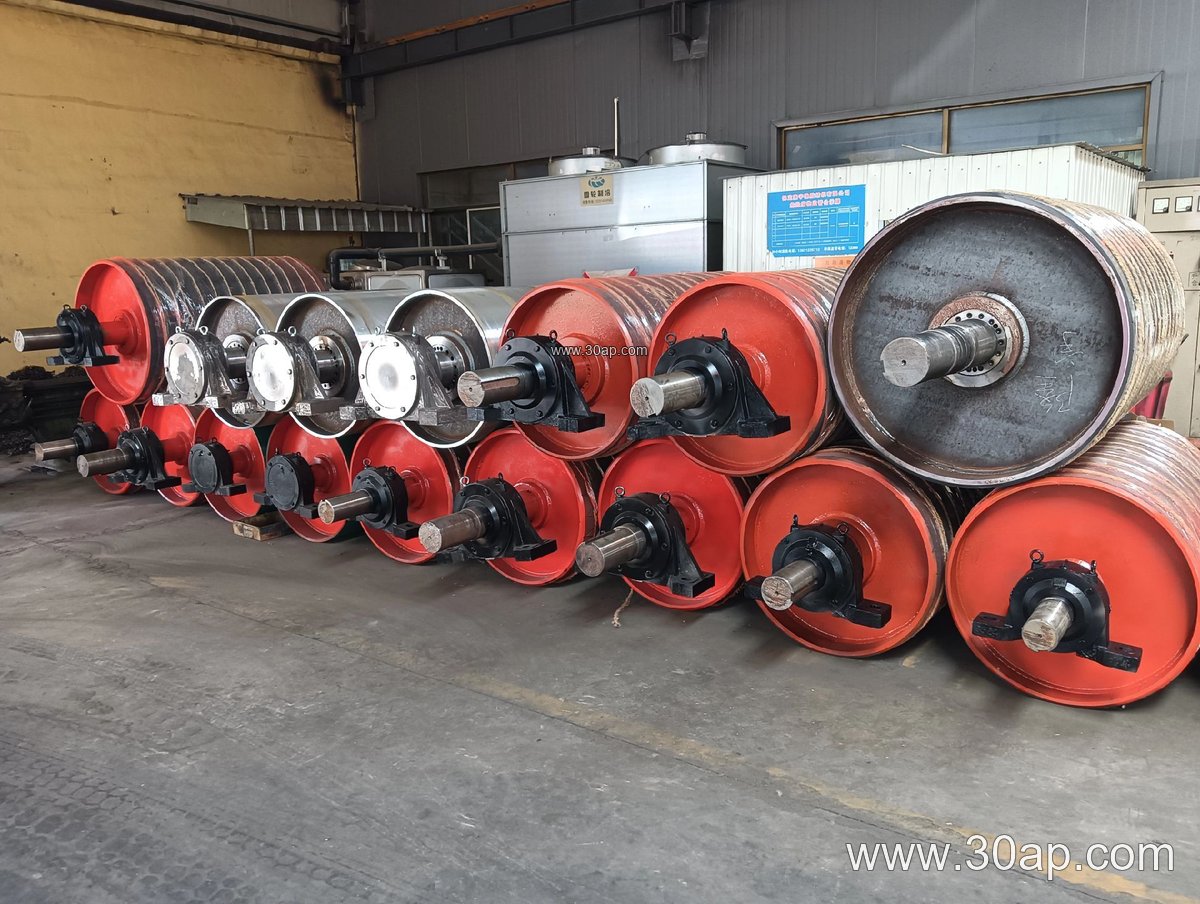
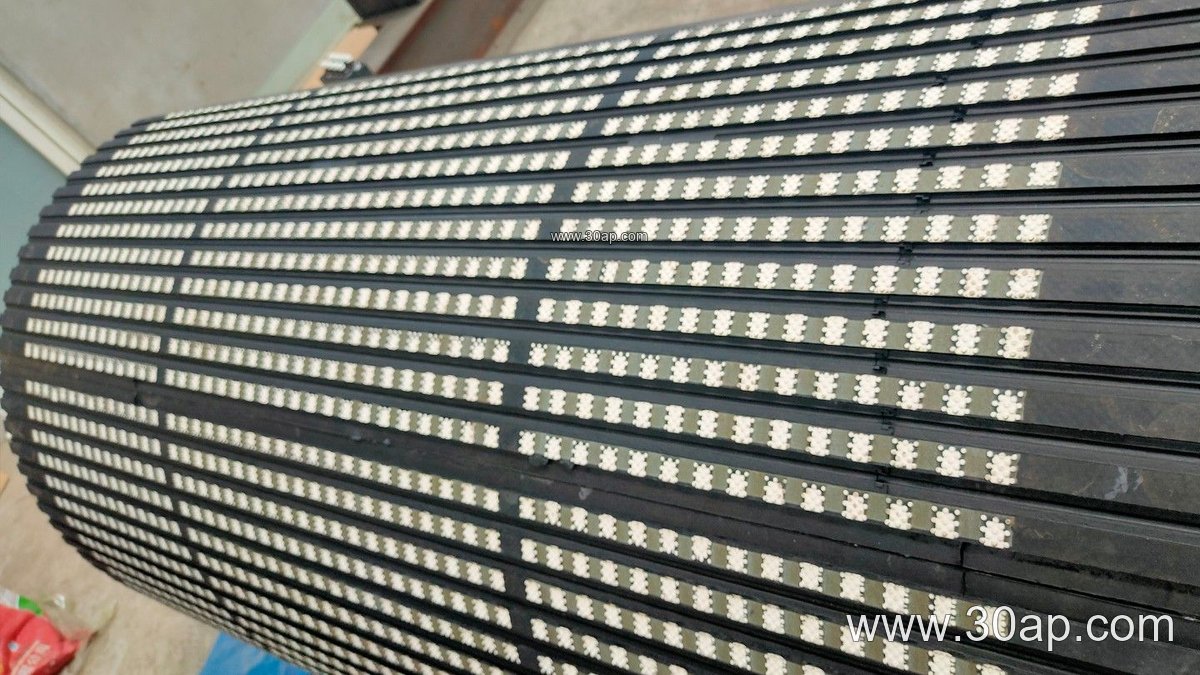
The pulley body is usually a welded steel drum with a machined face and reinforced end discs. Shafts are sized by torque and load rather than belt width alone, with common shaft diameters in the Ø100 to Ø200 range for this class of pulley. Surface treatment matters for grip and wear life. Plain face is used where friction is sufficient; rubber lagging in 8, 10, 12, 15 or 20 mm thickness improves traction. Diamond or herringbone grooving helps shed water and fines, while ceramic lagging suits high-wear duty. The pulley face width is normally wider than the belt, so an 800mm drive pulley often pairs with a B650 or B800 conveyor belt and a face width around 750 to 950 mm depending on design.
Where It Fits in the Plant
You will see this size on quarry and aggregate lines feeding crushers, on cement plant clinker conveyors, and on coal handling systems in power plants. It also appears in iron ore and copper ore transport, in sand and gravel operations, and in port bulk terminals. In these settings the pulley works alongside idler rollers, conveyor brackets and the belt itself. A rubber conveyor belt or an EP conveyor belt is common on such lines; heavier duties may use a steel cord conveyor belt. The drive pulley must match the belt’s tension and the ambient conditions, whether that means a heat resistant conveyor belt near a kiln or a flame retardant conveyor belt in a coal mine.
Key Dimensions and Selection Notes
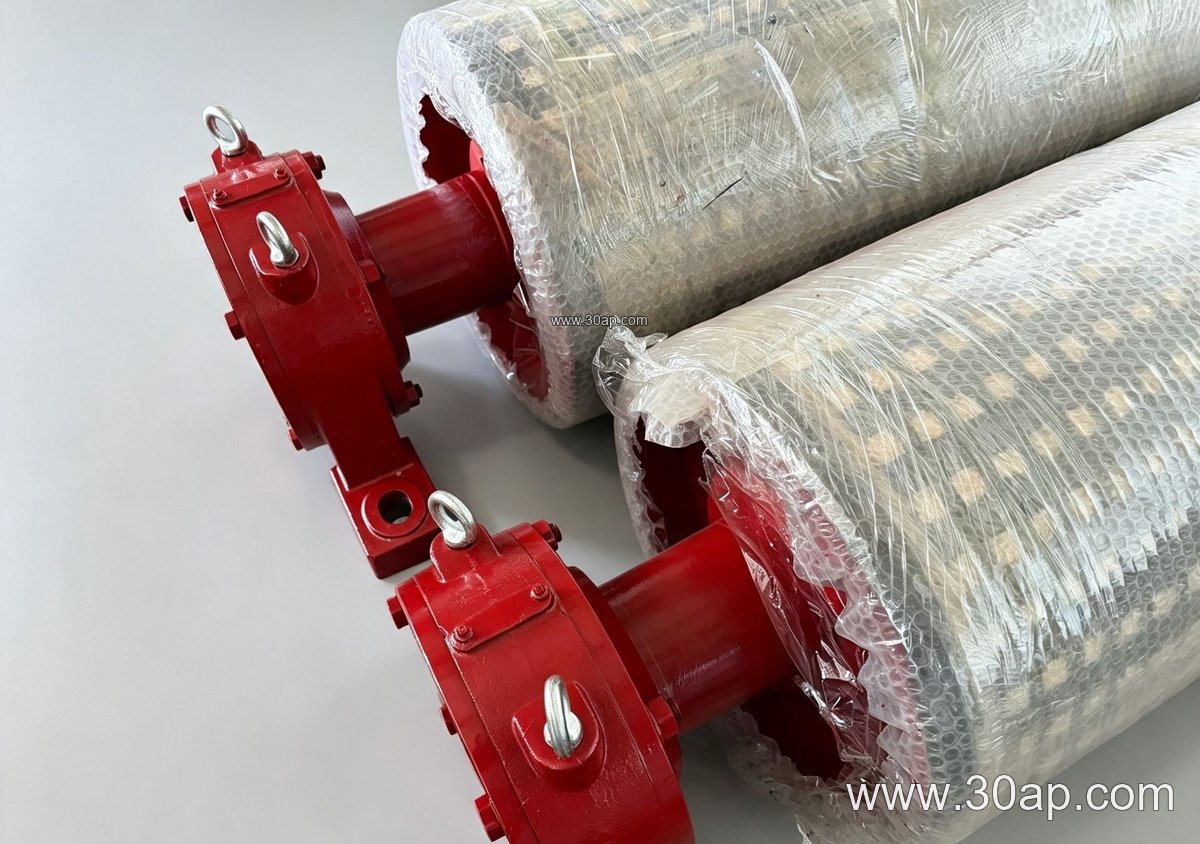
Buyers should confirm the pulley diameter, face width, shaft diameter, lagging type and bearing arrangement against the conveyor design. The 800 mm diameter is a reference point, not a universal rule. A B800 belt does not automatically require an 800 mm pulley, and an 800 mm pulley can be used with other belt widths if the tension and wrap angle allow. Common combinations include B800 × Ø500 and B1200 × Ø1000 for comparison, but each case is engineered separately.
- Diameter: 800 mm nominal
- Face width: typically wider than belt, e.g. about 950 mm for B800
- Shaft diameter: commonly Ø100–Ø200, by torque calculation
- Lagging: plain, rubber, diamond, herringbone or ceramic
- Lagging thickness: 8–20 mm common
Maintenance and Buyer Checklist
Check lagging wear, shaft alignment and bearing condition at planned shutdowns. Keep the belt tracking straight and the loading centered to avoid uneven pulley wear. When specifying, state the belt width, belt type, expected tension, ambient conditions and whether the location is a head drive or a secondary drive. Mention if the site is a coal mining conveyor, a cement plant or a port terminal, as this affects lagging and belt selection. A correctly sized 800mm drive pulley, matched with the right conveyor belt and idler rollers, supports stable output and reduces downtime.