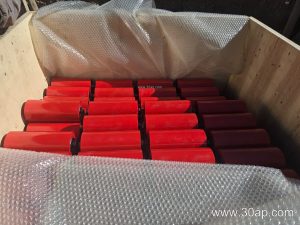
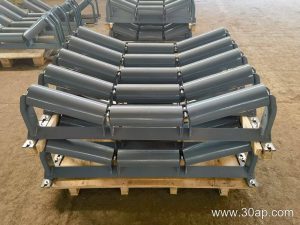
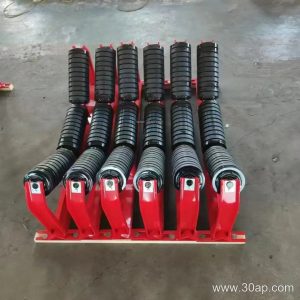
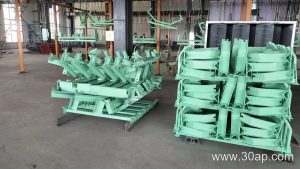
What a Friction Idler Does
A friction idler is a self-aligning idler roller that uses the friction between the rotating roller and the moving conveyor belt to correct belt misalignment. Unlike a standard carrying idler, it is mounted on a pivoting frame or bracket that allows the entire idler assembly to skew slightly when the belt drifts to one side. The friction force generated by the belt edge contacting the roller creates a corrective moment, gently steering the belt back to the center of the conveyor pulley path. This makes the friction idler a passive but effective solution for keeping a conveyor belt on track in industries such as mining, coal preparation, cement plants, and power station coal handling.
Construction and Key Components
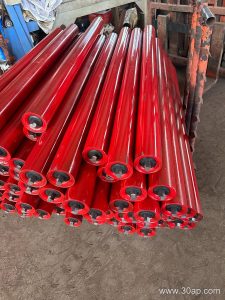
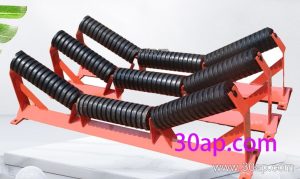
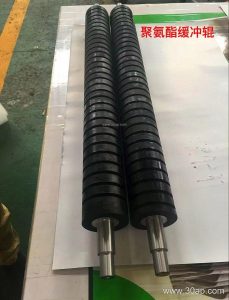
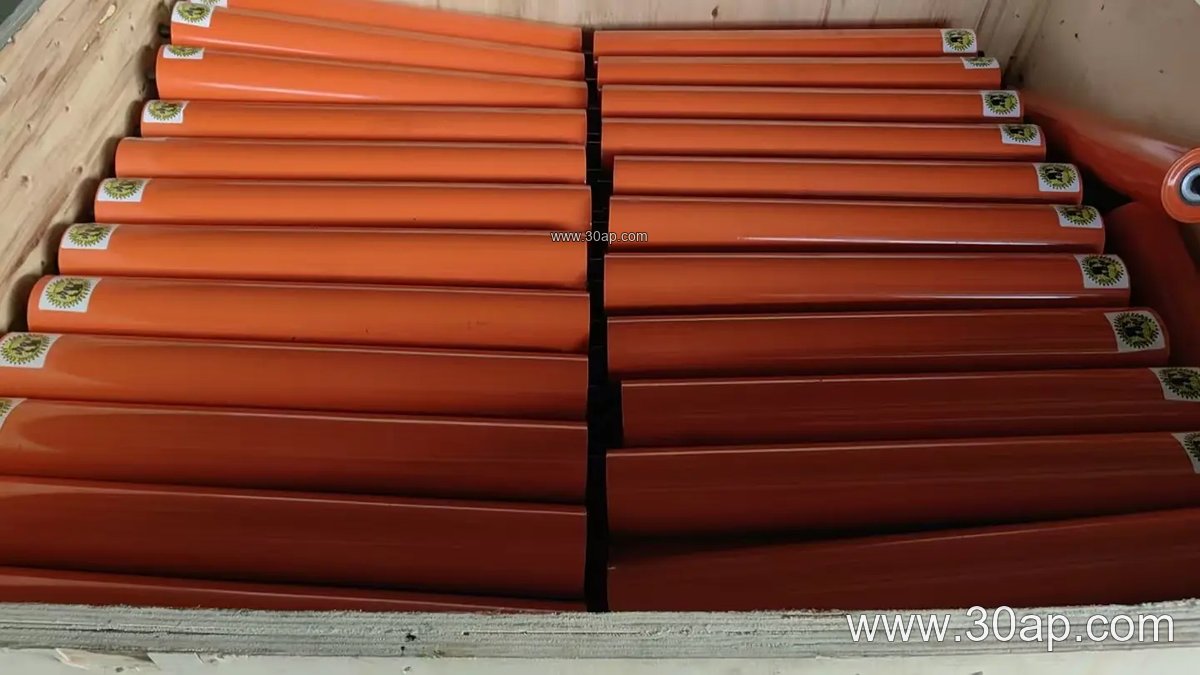
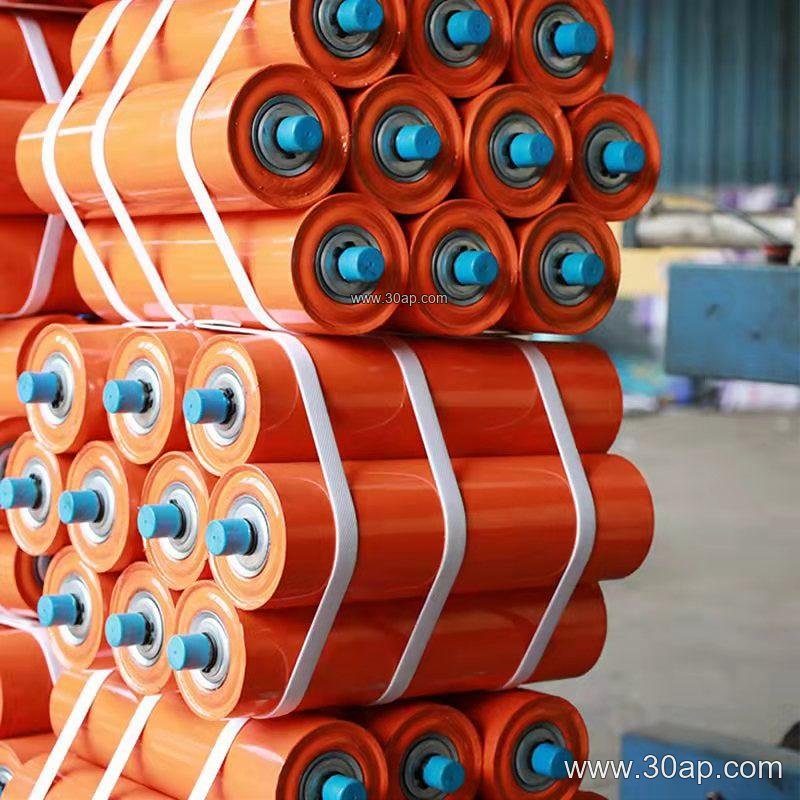
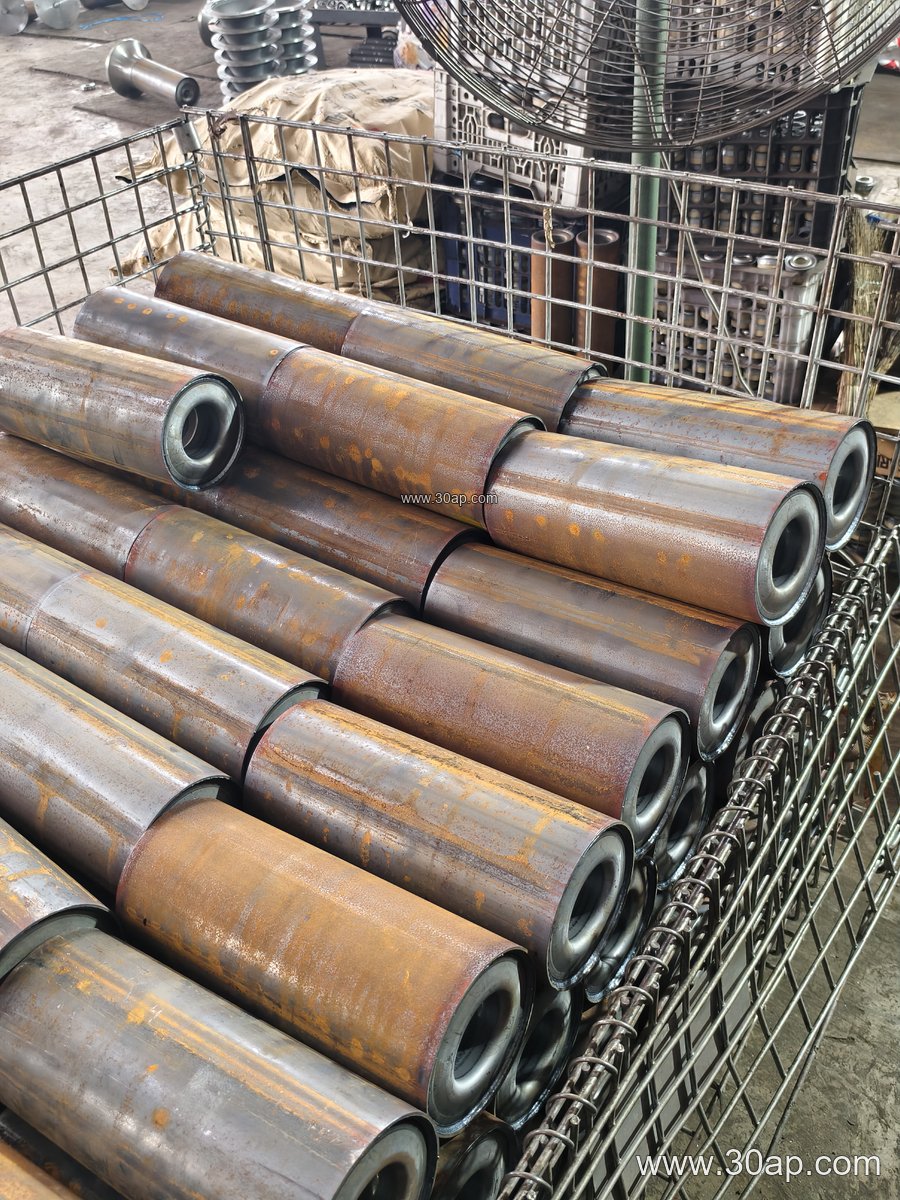
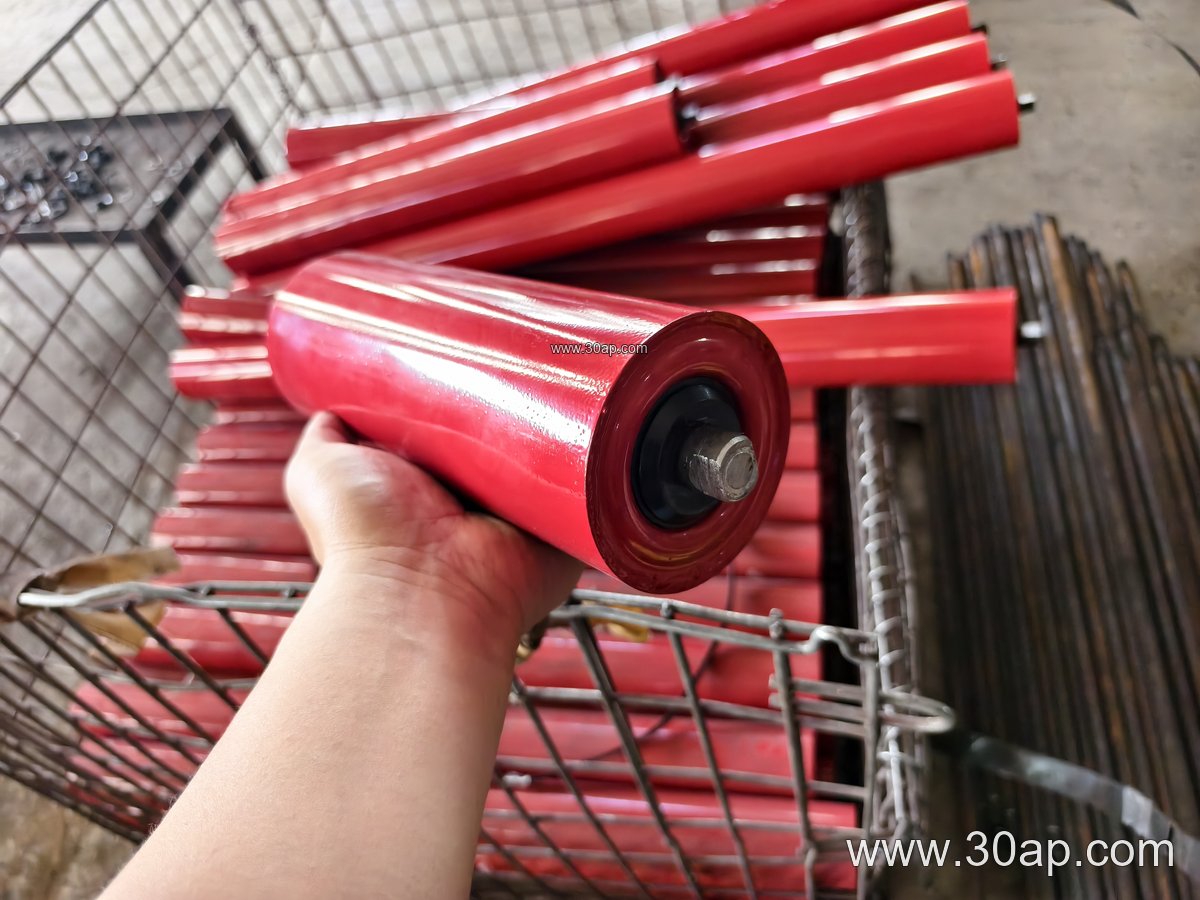
The friction idler typically consists of a steel tube shell, bearing housings, a shaft, and a mounting bracket that permits angular movement. The roller surface may be plain steel, nylon, or covered with a rubber lagging to increase friction when needed. Common bearing sizes include 6204, 6205, 6305, and 6306, matched to the shaft and load requirements. The idler is often supplied as part of a two- or three-roll set, with the friction feature usually applied to the side rolls. A typical friction idler might use a roll diameter of 89 mm, 108 mm, or 133 mm, with roll length depending on the belt width—for example, a 250 mm roll for a 650 mm belt or a 380 mm roll for a 1000 mm belt in a three-roll troughing arrangement. These values are common examples and should be confirmed against the actual conveyor design.
Where Friction Idlers Are Used
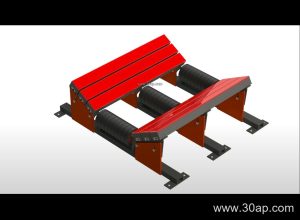
Friction idlers are found on the carrying side of belt conveyors where belt training is critical. In a coal mining conveyor, a friction idler helps keep the belt centered as it approaches the head pulley, reducing edge damage and spillage. In a quarry or aggregate line, they are often installed on the return strand or just before the tail pulley to counteract drift caused by uneven loading. Cement plants use them on clinker and raw material belts, while power plants rely on them for coal handling conveyors. Because they work through belt contact, they are especially useful on long overland conveyors and in areas where manual adjustment is difficult. They can be paired with a rubber conveyor belt or an EP conveyor belt without special modification, as long as the belt edges are in good condition.
Selection and Sizing Notes
Choosing a friction idler starts with the belt width and the troughing angle. Standard belt widths from B500 to B2000 are common, and the idler roll length must match the belt width and the idler arrangement. For a three-roll troughing set, typical roll lengths might be 200 mm for B500, 315 mm for B800, and 465 mm for B1200, but side rolls and center rolls can differ. The roll diameter should be selected according to the load and belt speed; diameters such as 89 mm, 108 mm, 127 mm, and 159 mm are frequently used. The bearing size is not fixed by the roll diameter alone—a 108 mm roll might use a 6205 or 6305 bearing depending on the shaft design. The friction feature itself may be built into a standard troughing idler or offered as a separate pivoting bracket. When specifying, provide the belt width, trough angle, roll diameter, and mounting dimensions. For conveyors handling abrasive materials, a rubber lagged friction idler can improve grip and reduce wear. Also consider the conveyor belt type—a heavy-duty mining conveyor belt or a flame retardant conveyor belt may require different idler spacing and load ratings.
Maintenance and Buyer Tips
Friction idlers have no external power and few moving parts, but the pivot mechanism and bearings should be inspected regularly. Check for free rotation, excessive play, and buildup of material on the roller surface, which can reduce friction and impair self-aligning action. Lubricate bearings according to the manufacturer’s schedule, and replace any idler that shows seal damage or shell wear. When buying, confirm that the friction idler is compatible with your conveyor bracket and that the roll length matches your belt width. Ask for the bearing designation and shaft diameter, and verify the trough angle. Avoid mixing friction idlers with standard idlers in the same training section without understanding the interaction. For harsh environments such as underground mining or dusty aggregate plants, consider sealed-for-life bearings and abrasion-resistant roller surfaces. Finally, remember that a friction idler is a training device, not a substitute for proper belt splicing and pulley alignment—address root causes of misalignment first.