What a Conveyor Bracket Is and Why Its Price Matters
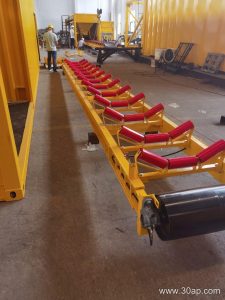
A conveyor bracket is the steel support that holds idler rollers at the correct position and angle under the belt. In a quarry or a cement plant, these brackets carry the full weight of the loaded belt, so they are treated as structural parts rather than simple accessories. The conveyor bracket price therefore reflects steel grade, forming method, hole pattern, and surface treatment, not just a piece count.
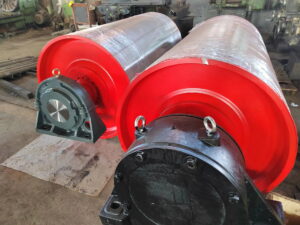
Buyers often compare bracket quotes while also pricing the conveyor belt and conveyor pulley for the same line. A realistic budget separates the bracket frame from the rollers and from the belt, because each item has its own cost drivers.
How a Bracket Frame Is Built
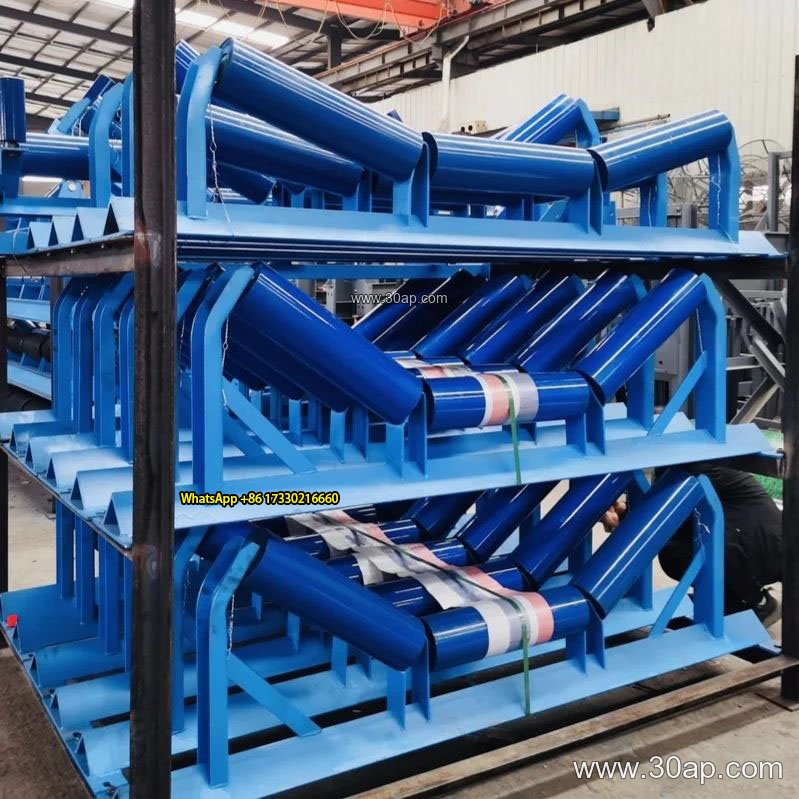
Most frames are fabricated from angle steel, channel steel, or folded steel plate. The crossbeam length, slot spacing, and mounting hole positions follow the belt width and trough angle, so they are confirmed per drawing rather than taken from a single fixed table. Adjustable brackets add slotted joints that allow the trough angle to be set on site, usually between 20 and 45 degrees.
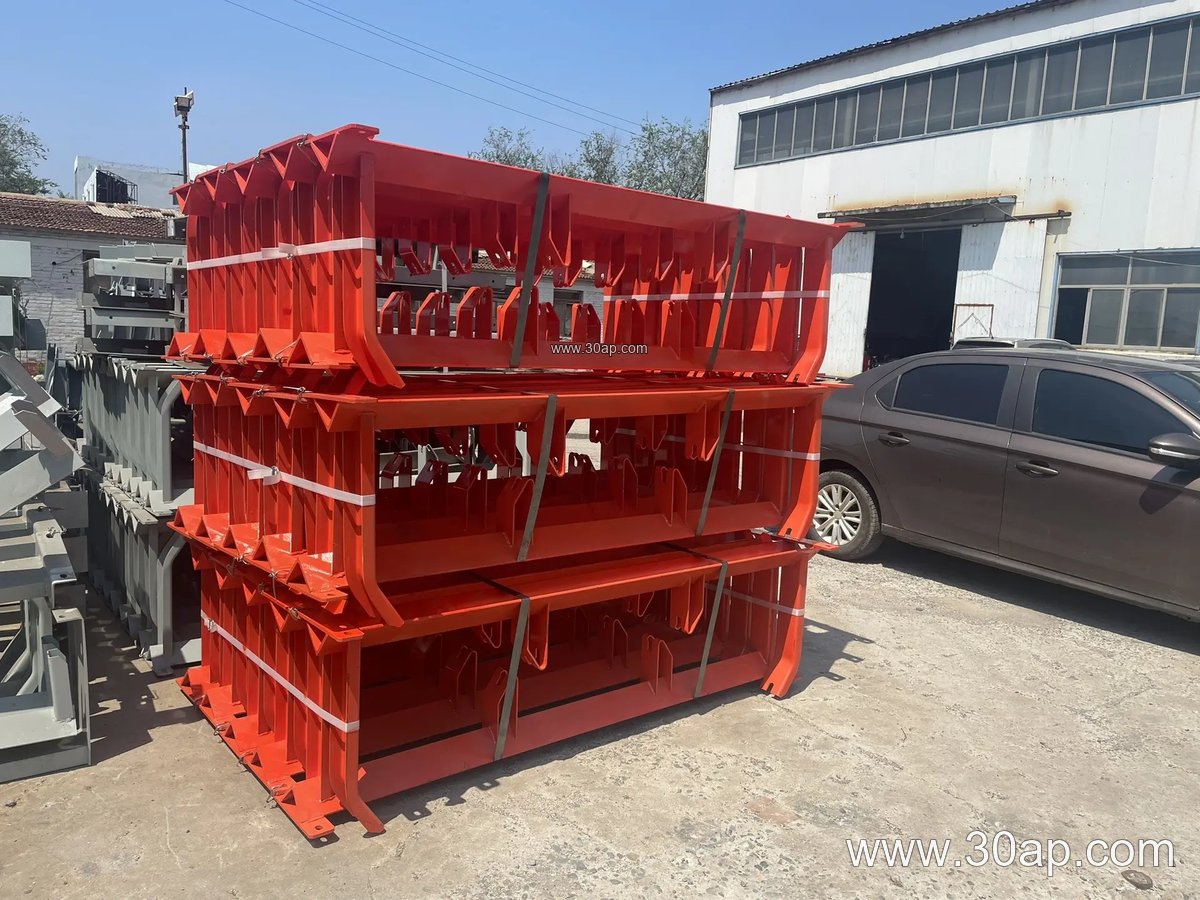
- Material: angle steel, channel steel, or folded plate
- Common belt widths: B500, B650, B800, B1000, B1200, B1400, B1600
- Trough angles: 20, 30, 35, 45 degrees; forward tilt often about 1.5 to 2 degrees
- Roller diameters used with these frames: Ø89, Ø108, Ø133, Ø159, Ø194
Because a bracket must match the roller it carries, a frame designed for Ø108 idlers should not be quoted against a Ø159 roller set without checking the mounting height. This is one reason two similar-looking brackets can carry very different prices.
Where Brackets Are Used
Brackets appear wherever a belt needs continuous support. In a limestone mine or a crushing and screening line, trough brackets hold the carrying idlers on the loaded run, while return brackets support the belt on its way back. In a coal preparation plant, flame retardant and anti-static requirements may push buyers toward heavier frame sections.
The same part family also serves the tail area of a transfer point, where impact brackets sit under a loading chute, and the transition zone near a conveyor pulley, where the belt changes shape. In these places the bracket works together with the conveyor belt and the idler roller rather than on its own.
Types That Affect the Quoted Price
Different bracket types carry different fabrication effort. A flat return bracket is simple; an adjustable trough bracket with slotted joints and reinforced gussets needs more cutting, welding, and drilling. The table below lists common types and the factors that usually move their price.
Common Bracket Types and Cost Factors
| Type | Typical Position | Main Cost Factor |
|---|---|---|
| Trough bracket | Carrying run | Number of idler stations, angle setting |
| Transition bracket | Near pulley entry | Gradual angle change, extra fabrication |
| Return bracket | Return run | Flat or V shape, frame length |
| Impact bracket | Under loading point | Reinforced beam, cushion mounting |
| Self-aligning bracket | Belt tracking zones | Pivot parts, extra assembly |
| Adjustable bracket | Variable angle sections | Slotted joints, locking hardware |
When a project also needs a heavy-duty steel cord conveyor belt or a wide EP conveyor belt, the bracket frames are usually specified with matching crossbeam lengths, for example B1200 or B1400, so the whole line fits together.
What Buyers Should Check Before Accepting a Price
A quotation for a conveyor bracket is only meaningful when it states the belt width, trough angle, roller diameter, material, and surface treatment. Ask for a drawing showing hole spacing and crossbeam length, since these change with B800, B1000, or B1600 lines and should not be assumed. Confirm whether the price covers galvanizing, painting, or bare steel.
It also helps to clarify the roller interface. A bracket quoted for Ø89 idlers is not a drop-in match for Ø133 rollers, and a 30-degree frame is not automatically suitable for a 45-degree profile. For dusty sites such as a power plant coal yard, specify whether the frame needs extra clearance for material buildup.
Keeping the Total Cost in View
The bracket itself is a modest share of a conveyor project, but a poor match raises maintenance costs. Frames that flex or corrode force earlier roller replacement, and misaligned brackets shorten belt life. Comparing conveyor bracket price against the cost of a conveyor pulley replacement or a new belt section usually shows that a correctly specified frame is the cheaper choice over time.
For a realistic estimate, send the belt width, angle, roller diameter, and site conditions together. Suppliers can then quote a frame that fits the line instead of a generic part that may need rework on site.