What a Conveyor Belt Idler Does
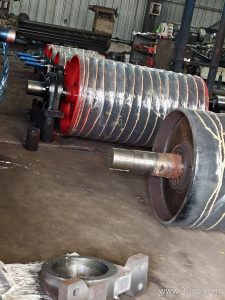
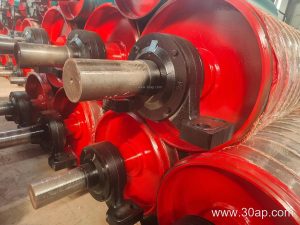
A conveyor belt idler is the rotating support that carries the belt and its load along the conveyor structure. Often called an idler roller, it is not a drive component. The drive pulley, tail pulley and bend pulley each have a different job, and none of them can substitute for an idler. The idler keeps the belt in a stable trough, reduces friction and helps the belt track correctly. In a quarry, cement plant or coal handling system, the idler set is one of the most frequently replaced parts, so understanding its build and selection matters for uptime.
How an Idler Is Built
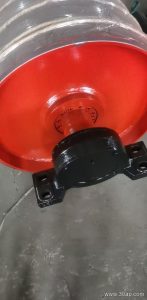
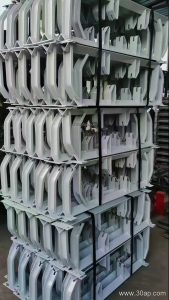
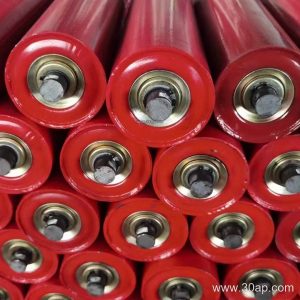
A typical idler roller has a steel tube shell, bearing housings at each end, a shaft and a sealing arrangement. The shell material may be steel, nylon, ceramic or rubber-covered. Bearings such as 6204, 6205, 6305, 6306, 6308 or 6310 are common depending on load and speed; a given bearing is not tied to one roller diameter. Seals keep dust and water out, which is critical in stone crushing, power plant coal yards and underground mining conveyor systems. The idler sits in a conveyor bracket or frame, and the full assembly may be a single-roll, two-roll or three-roll troughing set.
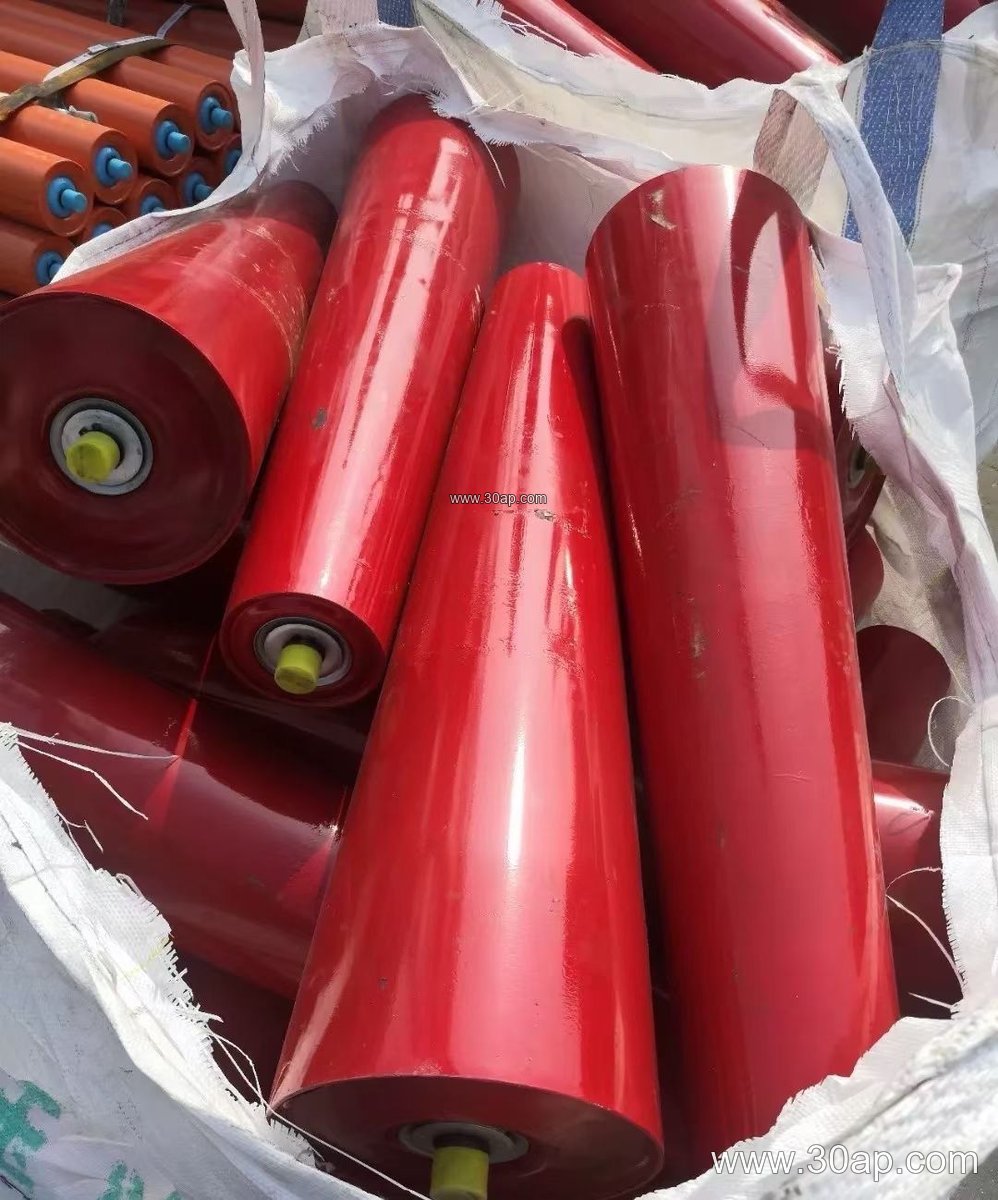
Common Idler Types and Where They Sit
Troughing idlers support the loaded side of the belt. A three-roll troughing set is common on bulk material conveyor belts, while two-roll and single-roll arrangements appear where space or belt width requires. Return idlers support the empty side; flat return and V-return designs are both used. Impact idlers and rubber-disc impact idlers are placed at transfer points under crusher discharge or loading chutes. Self-aligning idlers, including friction and tapered types, help correct belt wander. Spiral idlers can reduce material buildup on the return side. These are all idler subtypes; they are not replacements for a drive pulley or tail pulley.
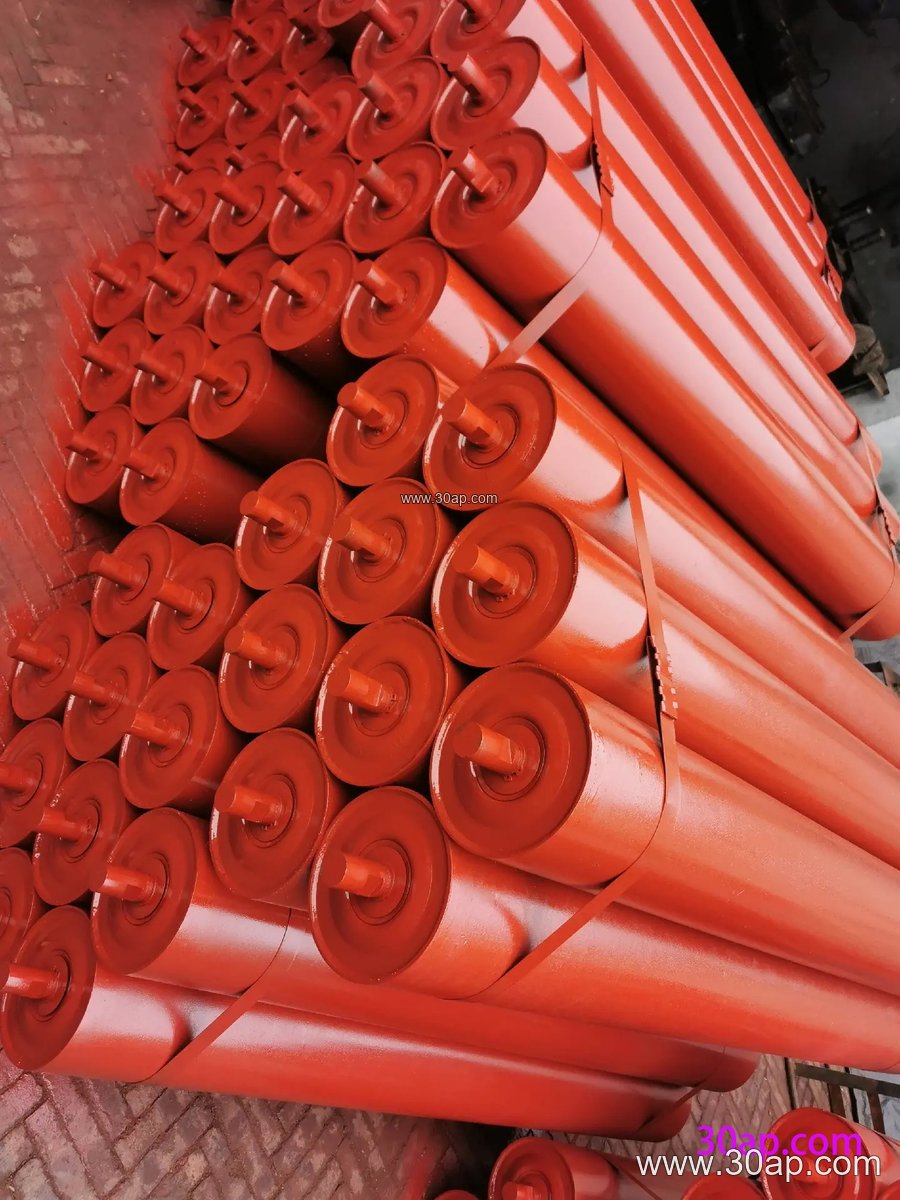
Sizes, Angles and Selection Points
Idler diameter and belt width are related but not locked together. Common roller diameters include Ø63, Ø76, Ø89, Ø102, Ø108, Ø127, Ø133, Ø159, Ø178, Ø194 and Ø219 mm. Belt widths range from B400 and B500 up to B2400, with B800, B1000, B1200 and B1400 widely seen in aggregate and cement duty. Trough angles are commonly 20, 30, 35 or 45 degrees; a forward tilt of about 1.5 to 2 degrees is used on some training idlers. Roller length changes with belt width, trough angle and roll configuration, so the values below are common examples rather than fixed matches.
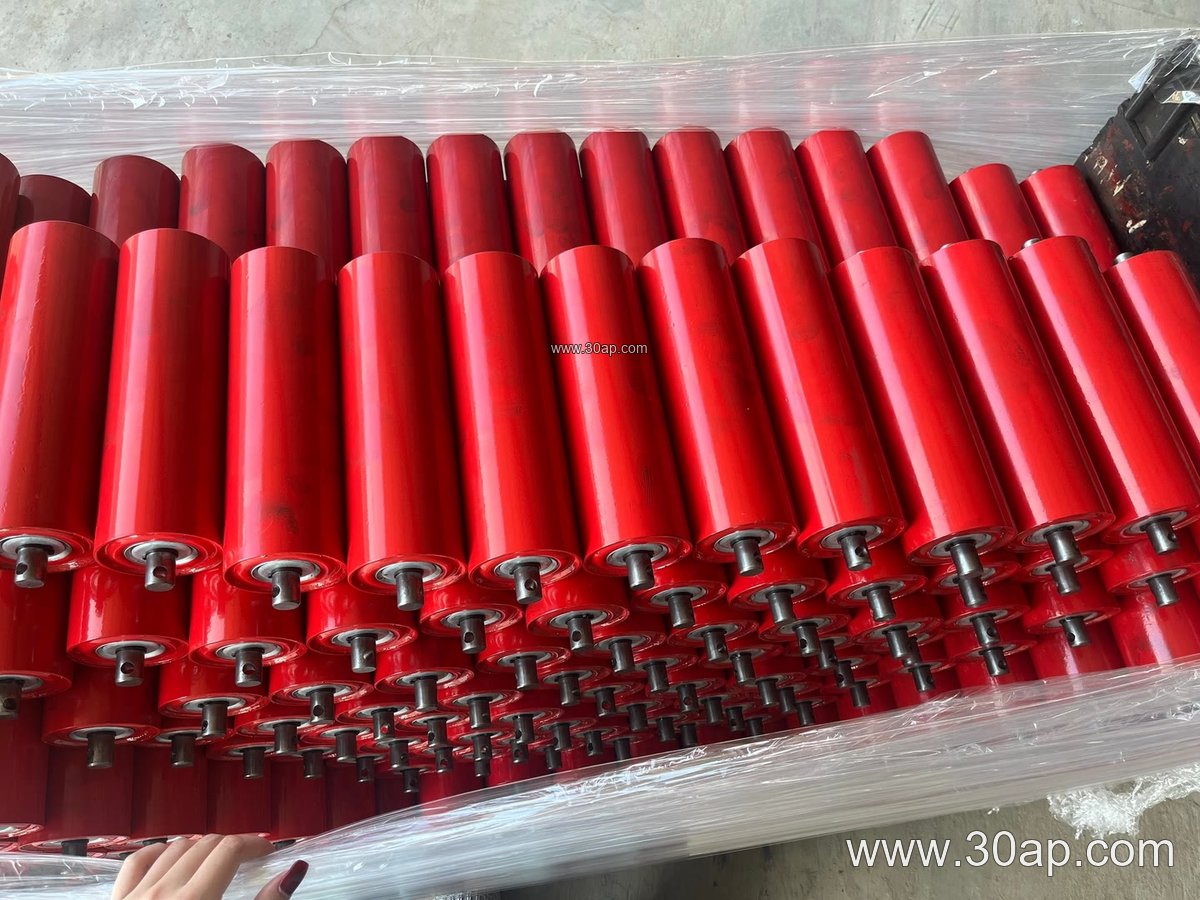
| Belt width | Typical three-roll troughing roller length (example) |
|---|---|
| B500 | about 200 mm |
| B650 | about 250 mm |
| B800 | about 315 mm |
| B1000 | about 380 mm |
| B1200 | about 465 mm |
| B1400 | about 530 mm |
| B1600 | about 600 mm |
| B1800 | about 670 mm |
| B2000 | about 750 mm |
Side rollers and center rollers can differ, and the final length is set by design. When selecting, match the idler to the belt width, load, speed and environment. A heavy-duty mining conveyor belt carrying iron ore or copper ore needs a robust shell and seal. A coal mining conveyor belt in a wash plant may need corrosion protection. A cement plant conveyor handling hot clinker may call for heat-resistant belt grades and suitable idler bearings. The idler itself does not set the belt compound, but it must suit the duty.
Industries and Belt Interactions
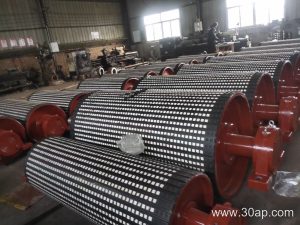
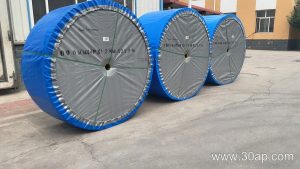
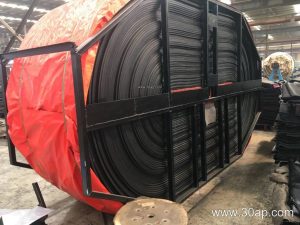
Conveyor belt idlers appear in limestone quarries, sand and gravel lines, coal preparation plants, power station coal handling, steel plant sinter lines, port ship loaders and tunnel spoil systems. They work under many belt types, including EP conveyor belt, NN conveyor belt, steel cord conveyor belt and multi-ply fabric core conveyor belt. In food or recycling plants, a PVC or food grade belt may run on stainless or coated idlers. The idler is one part of the whole conveyor: the conveyor belt, conveyor pulley, conveyor bracket and frame all interact. Poor idler alignment can damage even a high abrasion resistant conveyor belt or a flame retardant conveyor belt, so installation and maintenance deserve attention.
Buyer Checklist
- Confirm belt width, trough angle and roll configuration before ordering any idler roller.
- Check the load and speed to choose a bearing size and shell thickness, not just a diameter.
- Review the sealing system for dust, water or washdown conditions.
- Ask for the shaft and bracket dimensions that match the existing conveyor frame.
- Keep spare troughing, return and impact idlers for critical drives.
For more information on idlers, belts and related components, visit conveyor belt idler resources at www.example.com/conveyor-belt-idler and compare options with your conveyor design data. A well-chosen idler set keeps the belt running smoothly from the crusher to the stockpile.