What a Sand and Gravel Conveyor Idler Does
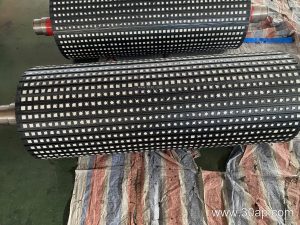
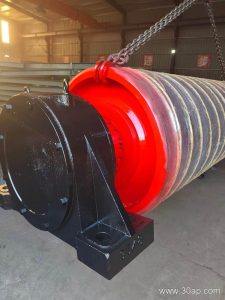
A sand and gravel conveyor idler is the rotating roller assembly that supports the loaded belt along a quarry conveyor. In an aggregate line, the belt carries crushed stone, washed sand, and screened gravel at high tonnage, so the idler roller must handle constant abrasion, dust, and occasional impact from oversized lumps. The idler is not a drive component; it simply carries the belt and its load while allowing the belt to travel with low resistance. Drive, tail, and bend pulleys transmit power and change belt direction, and they are separate parts with different duties.
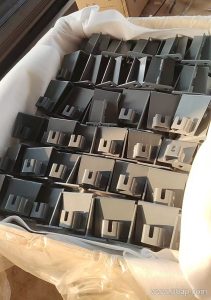
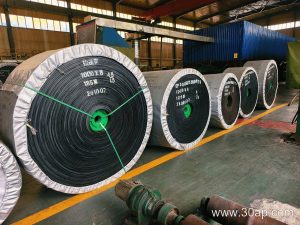
The idler works together with the conveyor belt, the conveyor pulley at each end, and the conveyor bracket that holds each assembly in line. A well-matched idler set keeps the belt tracking steadily and protects the belt cover from uneven wear.
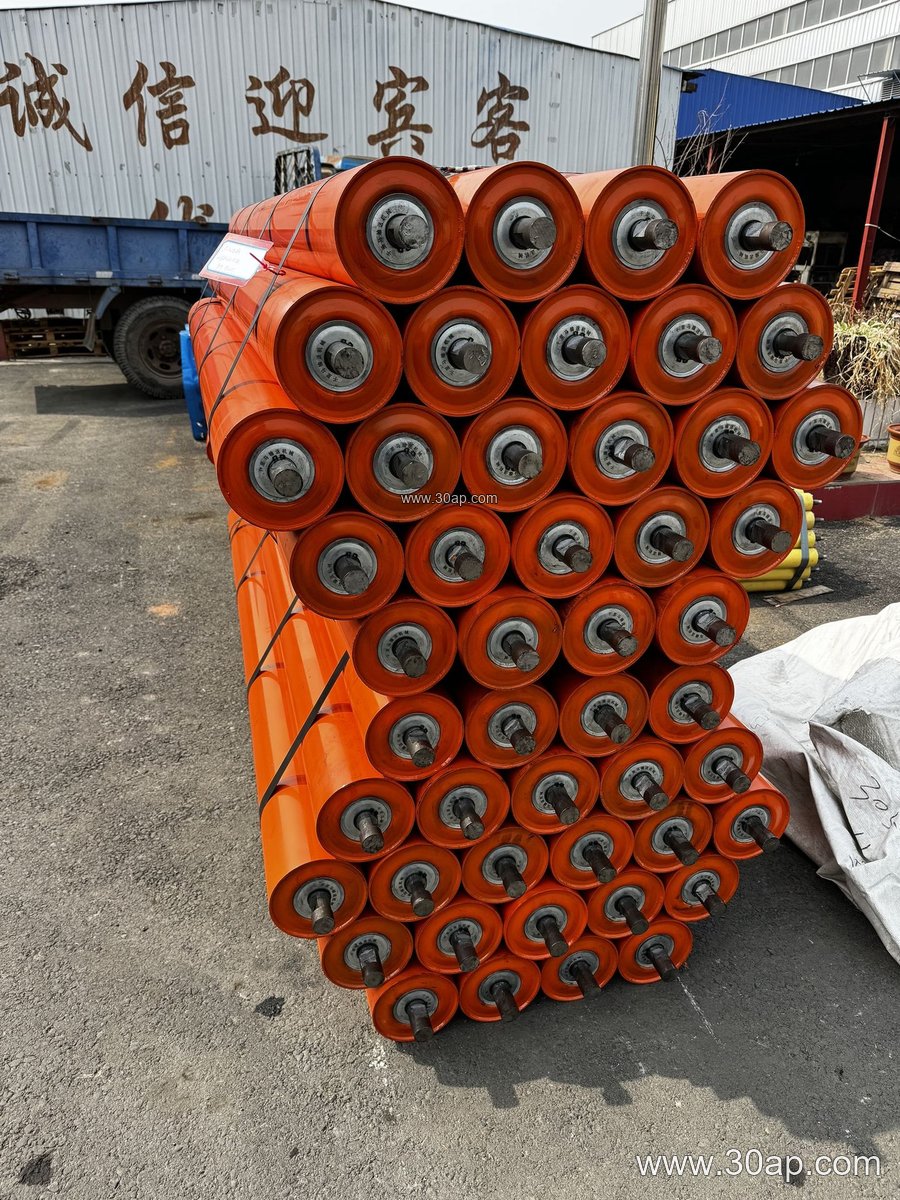
How the Idler Is Built
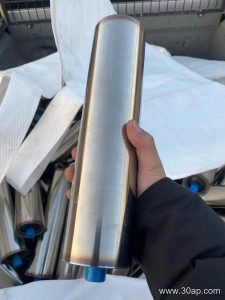
A typical sand and gravel conveyor idler consists of a steel tube shell, a shaft, bearing housings, and a sealing arrangement. The shell is often made from steel pipe, while the roller surface may be plain steel, nylon, ceramic, or covered with rubber rings where impact is heavy. Bearings such as 6204, 6205, 6305, 6306, 6308, or 6310 are common, and the correct bearing is chosen from load, speed, and shaft design rather than from belt width alone.
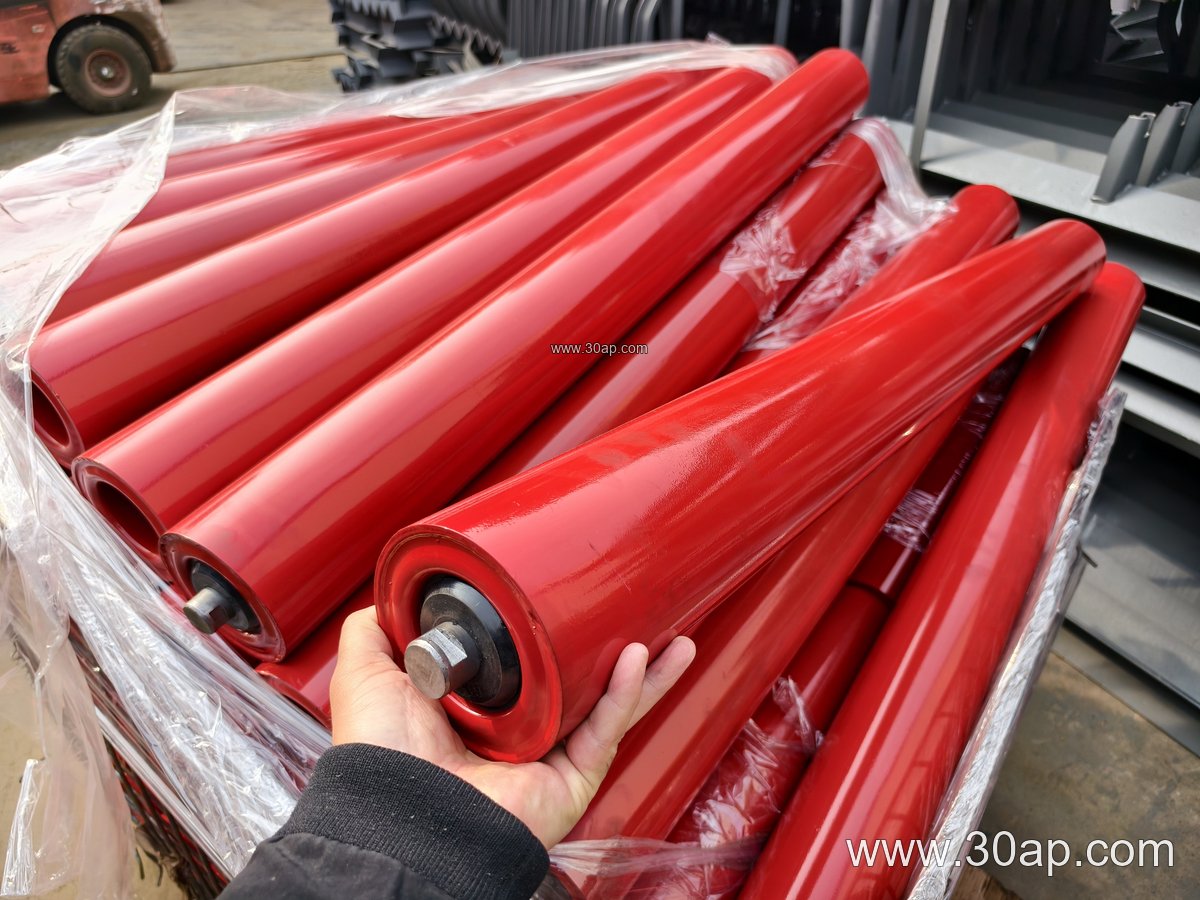
Sealing matters in a sand and gravel plant because fine dust and water penetrate easily. Labyrinth seals, contact seals, and grease retention features are usually selected to keep grit away from the bearing. Idler length follows belt width, trough angle, and the number of rolls in the set, so the shaft diameter and bearing size are determined by the actual load calculation, not by a single fixed rule.
Common Idler Types in Aggregate Service
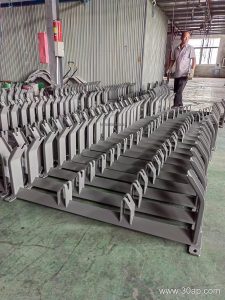
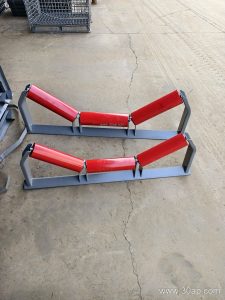
The carrying side usually uses three-roll troughing idlers with trough angles of 20, 30, 35, or 45 degrees. A three-roll trough set is common on belts from B500 to B2400, with roll lengths that change with belt width. For example, a B800 three-roll trough set often uses rolls around 315 mm long, while a B1200 set may use rolls near 465 mm. These are common examples only; side rolls and center rolls can differ, and final dimensions are set by the conveyor designer.
- Troughing idlers support the loaded belt and shape it into a trough.
- Impact idlers with rubber rings absorb shock below crusher discharge points.
- Return idlers, including flat and V-type, support the empty belt on its way back.
- Training idlers, such as friction and taper types, help correct belt misalignment.
- Spiral idlers reduce material build-up on the return side in sticky service.
Transition idlers are placed near the tail and head to ease the belt from flat to troughed and back again. They are not the same as a bend pulley, which changes belt direction around a drum.
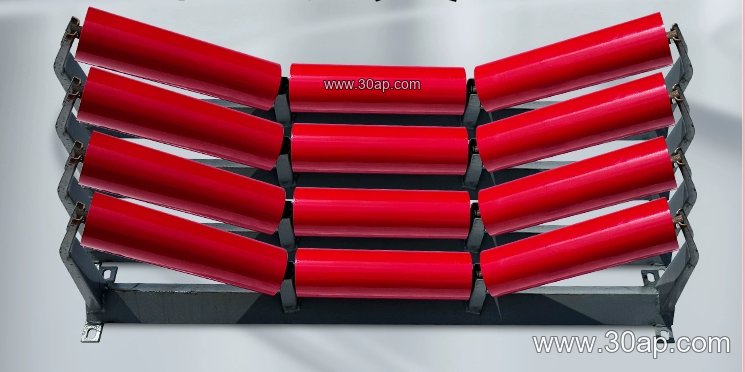
Where the Idler Fits in the Plant
In a sand and gravel quarry, idlers appear on the primary feed conveyor, the screen feed belts, the transfer conveyors, and the stockpile belts. In a crushing and screening circuit, impact idlers are often installed under the crusher outlet where rock falls onto the belt. In a concrete batching plant, smaller troughing idlers feed aggregate bins. Similar idler designs are used in limestone mines, iron ore plants, and coal handling systems, although the belt specification changes with the duty.
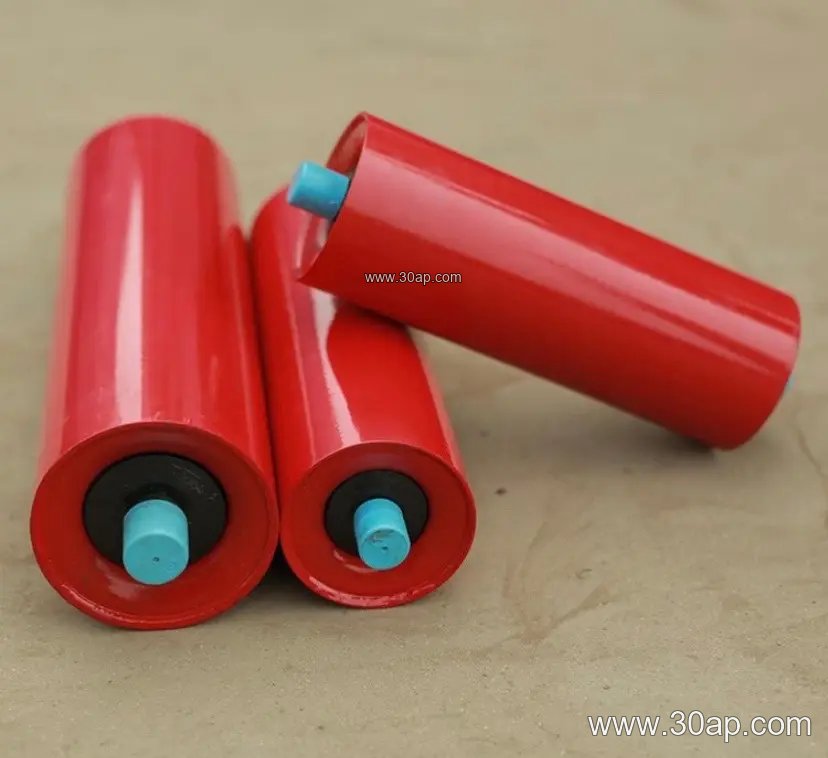
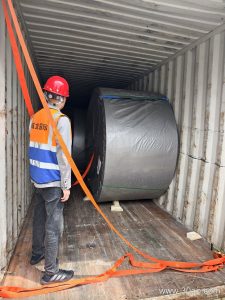
Belt choice and idler choice should be reviewed together. An abrasion resistant conveyor belt paired with sturdy troughing idlers gives better service than a light belt on the same line. In dusty or wet plants, a rubber conveyor belt with good cover quality helps resist cutting and wear, while an EP conveyor belt or NN conveyor belt may be selected for general aggregate duty depending on tension requirements.
What Buyers Should Check
Before ordering, confirm the belt width, trough angle, roll diameter, and mounting dimensions. Roll diameters commonly range from Ø63 to Ø219, and the correct size depends on belt speed, load, and the existing bracket. Check the bearing size and seal type, and ask how the roller is balanced and lubricated. For high-abrasion service, consider ceramic or rubber-covered rolls. For dusty quarry conditions, review the sealing and grease schedule carefully.
| Item | Common Reference | Note |
|---|---|---|
| Roll diameter | Ø63 to Ø219 | Selected by load and speed |
| Trough angle | 20°, 30°, 35°, 45° | Depends on belt and material |
| Belt width | B500 to B2400 | Roll length changes with width |
| Bearing | 6204 to 6310 | Not fixed to one roll size |
| Roll surface | Steel, nylon, ceramic, rubber ring | Choose for wear and impact |
Ask for a dimensional drawing before installation, and keep spare idlers for the crusher discharge and transfer points. For more on matching belts to idlers, see the conveyor belt and idler roller guidance at www.example.com/sand-gravel-conveyor-idler. A flame retardant conveyor belt may be required in coal or enclosed tunnels, and a heat resistant conveyor belt is used where hot material is handled. In every case, the sand and gravel conveyor idler should be specified as part of the full conveyor design.