What a Mining Sealed Idler Is
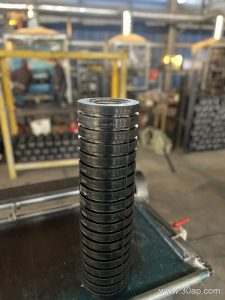
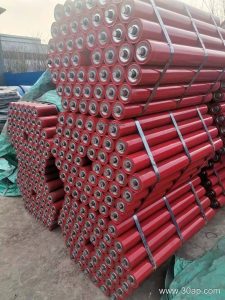
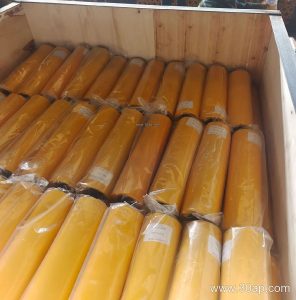
A mining sealed idler is a carrying or return roller built with a protected bearing housing so that fine dust, grit, and moisture stay away from the rotating parts. On a conveyor belt line, these rollers support the belt and the load, and the seal is what keeps them turning freely in conditions where an ordinary roller would soon grind to a halt. In practice, the same product is often called a sealed conveyor idler or a sealed idler roller, and those names describe the same component.
The seal is not a single rubber lip. A typical design combines a labyrinth path, a bearing cap, and one or more rotating seals, sometimes backed by grease that flushes contaminants outward. The aim is simple: keep the bearing clean and the shell spinning with low resistance.
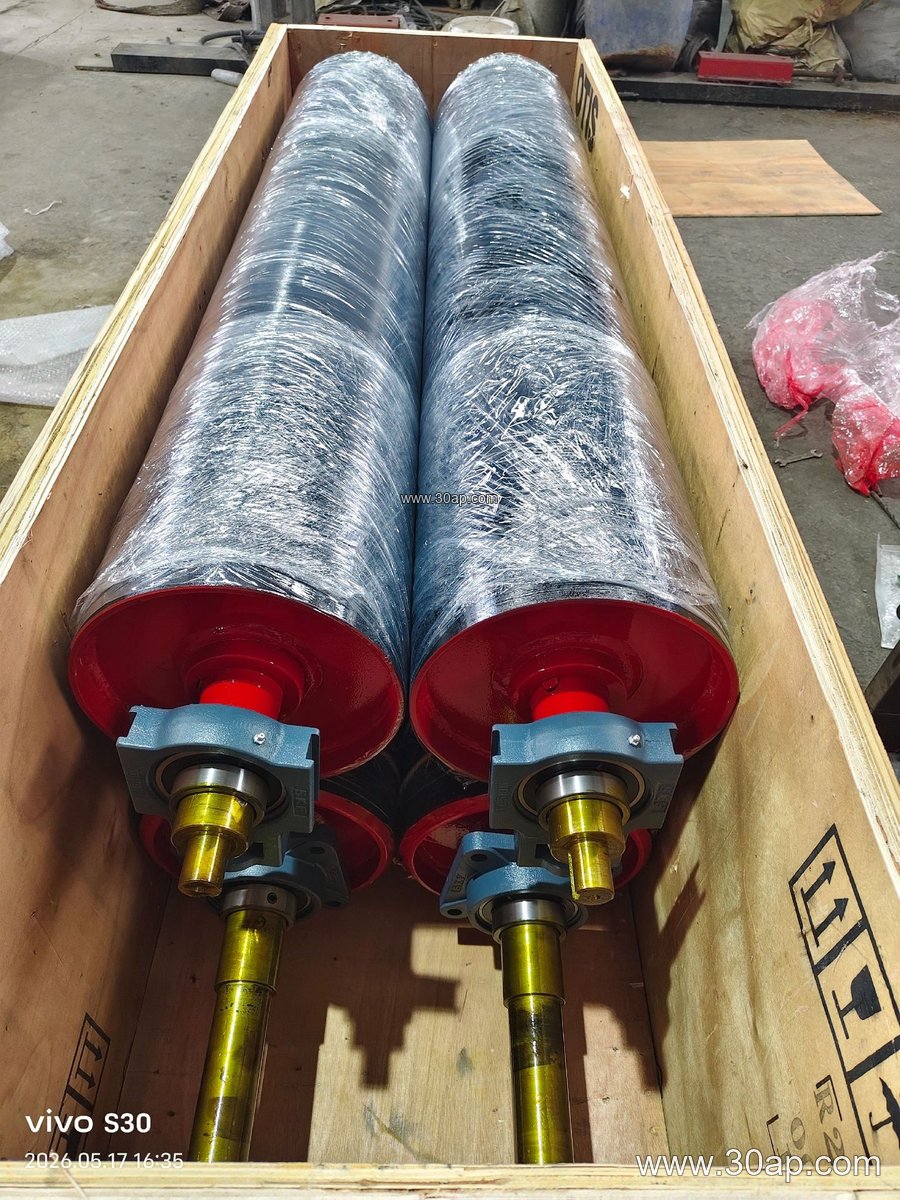
Construction Details That Matter
The shell is usually a steel tube, machined at the ends to hold the bearing housings. Shafts are cold drawn or turned, and the bearing seat is the part that decides how long the roller lasts. Common bearing numbers in this range include 6204, 6205, 6305, 6306, 6308 and 6310, matched to the load and the roller diameter rather than to belt width alone.
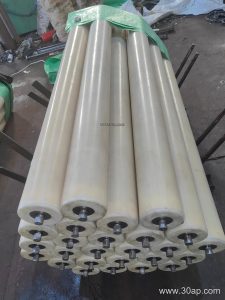
- Shell: steel tube, sometimes with a nylon, ceramic or rubber ring surface for specific duties.
- Bearing housing: pressed or machined, with a sealed cap.
- Seal: labyrinth plus contact seal, often with a grease reservoir.
- Shaft: flat or machined ends to fit the conveyor bracket.
Sealing quality shows up in starting torque. A well sealed roller should still turn by hand after months in a dusty transfer point, while a poor one drags and heats up.
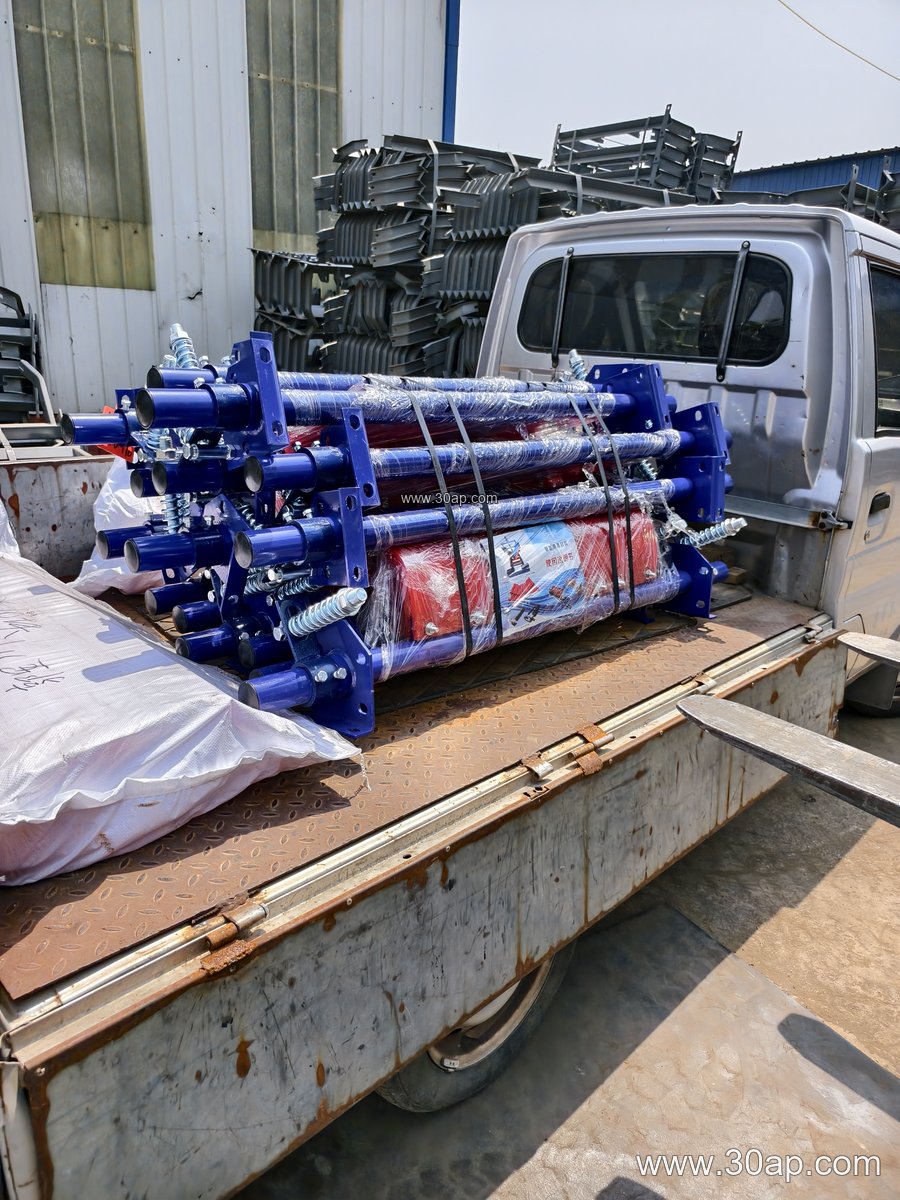
Where Sealed Rollers Earn Their Cost
The first home for this component is a dusty loading zone. In a quarry or a limestone mine, the belt under the crusher discharge takes heavy impact and constant fines. In a coal preparation plant or a power station coal yard, moisture and coal dust combine into a paste that ruins unprotected bearings. A sealed idler roller also suits tunnel spoil lines and aggregate plants where wash water is present.
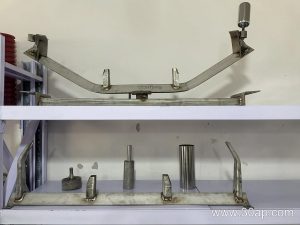
Sealing matters more on the return side, where fines cling to the belt and drop onto the rollers. A V-shaped return set with sealed rollers clears material better than a flat set in wet, sticky service. Where the belt is a heavy-duty mining conveyor belt carrying ore from the pit, the whole idler set should be specified together, not roller by roller.
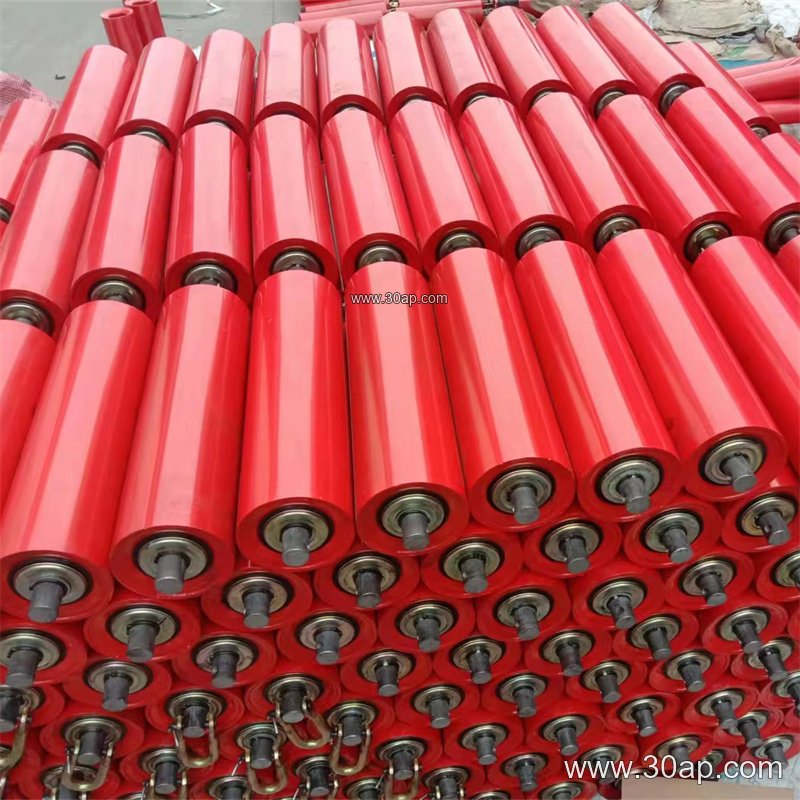
Common Sizes and Configurations
Sealed rollers follow the same size language as other idlers. Roller diameter is chosen from load and belt speed, and belt width sets the roll length. The table below gives typical reference values; final dimensions are set by the conveyor design.
| Belt width | Typical roll length, three-roll trough set | Common roller diameters |
|---|---|---|
| B500 | about 200 mm | Ø63, Ø76, Ø89 |
| B650 | about 250 mm | Ø76, Ø89, Ø102 |
| B800 | about 315 mm | Ø89, Ø102, Ø108 |
| B1000 | about 380 mm | Ø102, Ø108, Ø127 |
| B1200 | about 465 mm | Ø108, Ø127, Ø133 |
| B1400 | about 530 mm | Ø127, Ø133, Ø159 |
| B1600 | about 600 mm | Ø133, Ø159, Ø178 |
| B1800 | about 670 mm | Ø159, Ø178, Ø194 |
| B2000 | about 750 mm | Ø178, Ø194, Ø219 |
Trough angles of 20, 30, 35 and 45 degrees are all used, and the side rolls differ in length from the centre roll. A 1.5 to 2 degree forward tilt is sometimes added on training idlers, not on every set.
Matching the Idler to the Belt and the Duty
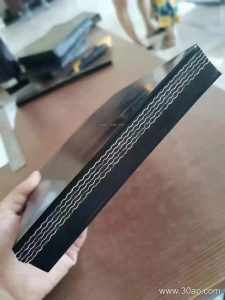
Buyers should start from the belt, not the roller catalogue. An EP conveyor belt or a multi-ply fabric core belt behaves differently from a steel cord conveyor belt under the same load, and the idler spacing follows the belt stiffness. A flame retardant conveyor belt for underground coal mining brings its own requirements for antistatic behaviour, and the rollers should not undo that work through poor grounding.
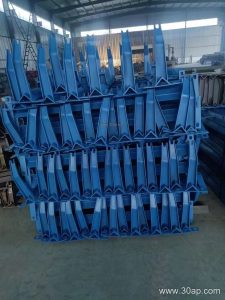
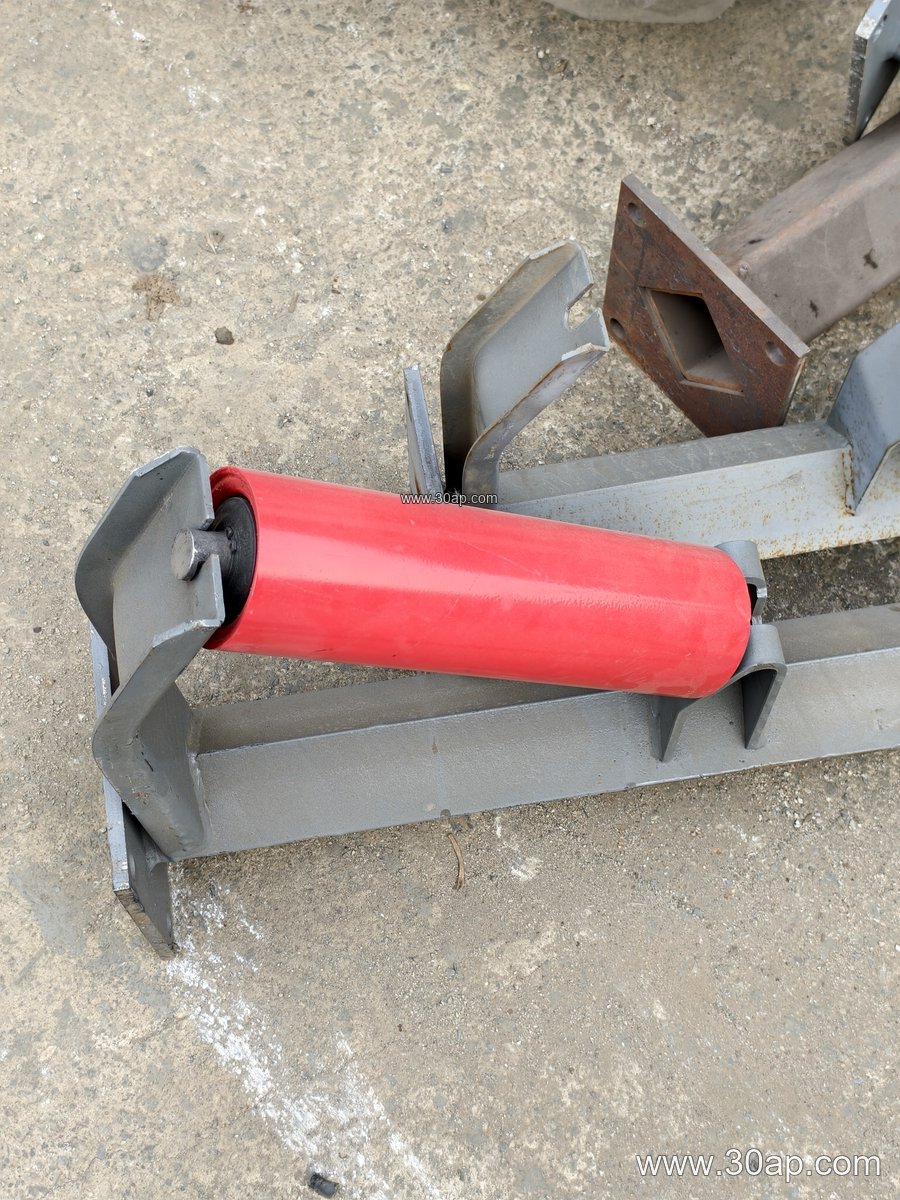
At a transfer point, impact idlers with rubber rings protect both belt and roller. On the carrying side, three-roll trough sets are normal; on the return side, flat or V-shaped sets are common. The conveyor bracket spacing and the frame height must match the shaft ends, so always confirm the mounting detail before ordering.
Inspection and Replacement Notes
Check sealed rollers for seized bearings, worn shells, and damaged seals after heavy rain or a washdown. A roller that will not spin by hand should be replaced before it wears through the belt cover. Keep spare sets for the loading zone, since that is where failures cluster. For more on rollers, belts and pulleys, see the range at cscbelt.com and check idler options at cscbelt.com/sealed-idler.