What a Return Idler Bracket Does
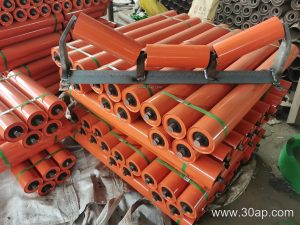
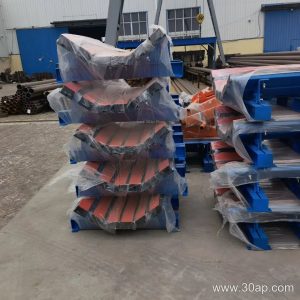
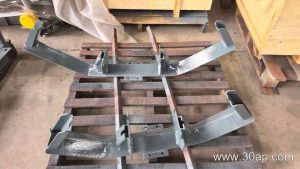
A return idler bracket, also called a return roller bracket or lower support bracket, holds the return idlers that carry the empty side of a conveyor belt. It sits under the belt line and keeps the return run aligned, so the belt does not sag or rub against the frame. In quarry, coal mining, and cement plant conveyors, this small component has a direct effect on belt tracking and idler life.
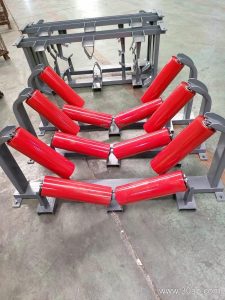
The bracket is not the same as a troughing idler bracket on the carrying side. It is a dedicated lower support, and its shape depends on whether the return idlers are flat, V-shaped, or suspended. A well-matched bracket keeps the return idler roller in contact with the belt without pinching the edges.
Construction and Common Forms
Most return idler brackets are made from angle steel, channel steel, or folded steel plate. The bracket usually has mounting slots or holes that allow small position adjustments during installation. Common forms include flat return brackets, V-return brackets, and adjustable brackets that can be set to different angles.
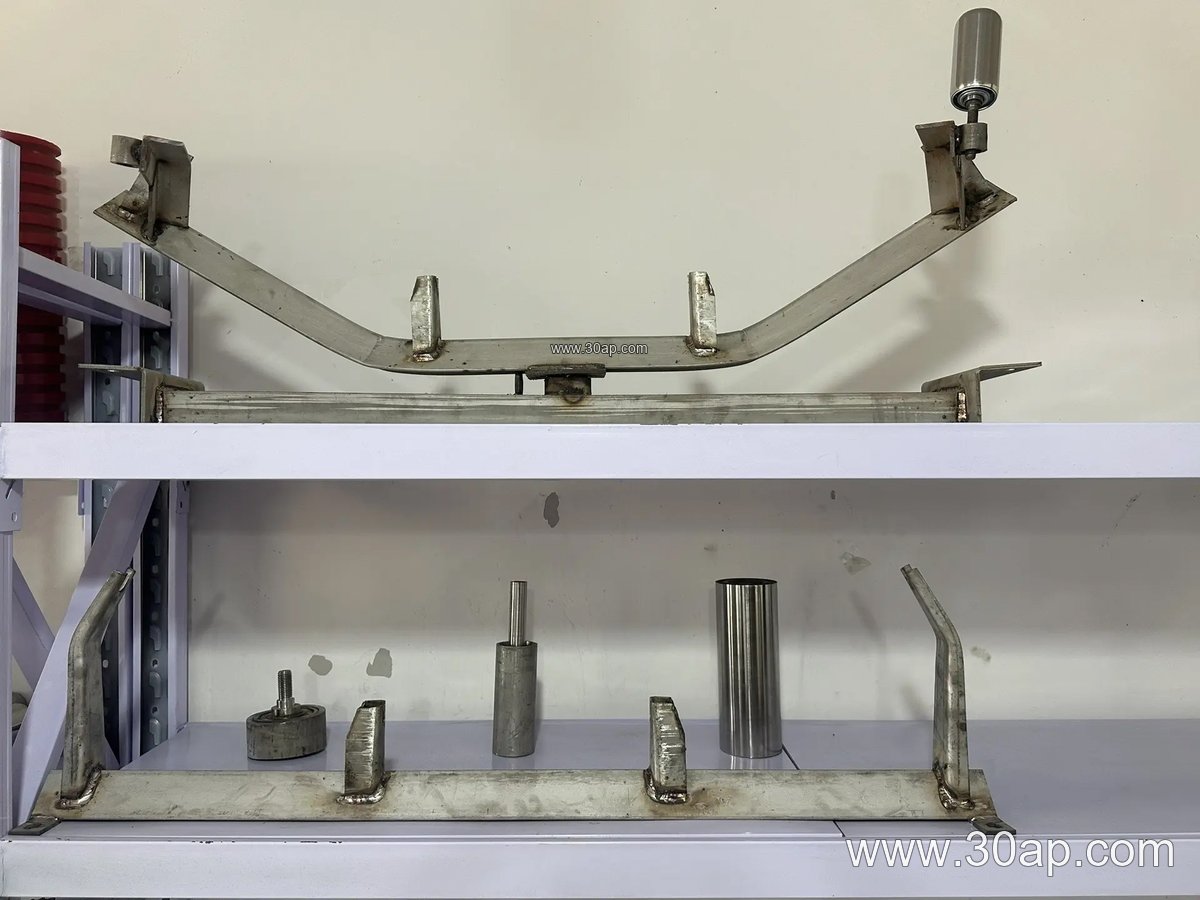
- Flat lower bracket: supports a single return idler roller across the belt width.
- V-return bracket: holds two rollers in a V shape to improve belt centering.
- Adjustable bracket: allows the return idler position or angle to be changed on site.
For heavy-duty mining conveyor belt lines, the bracket may use thicker channel steel and reinforced gussets. In a sand and gravel plant, a lighter folded plate design is often enough. The correct choice depends on belt width, idler diameter, and the load on the return run.
Matching Belt Width and Idler Diameter
Return idler brackets are usually selected together with the conveyor belt width and the return idler diameter. Typical belt widths include B500, B650, B800, B1000, B1200, B1400, B1600, B1800, B2000, B2200. Common return idler diameters are Ø89, Ø108, Ø133, Ø159, and Ø194. These are reference values, not fixed combinations; the final match is determined by the conveyor design.
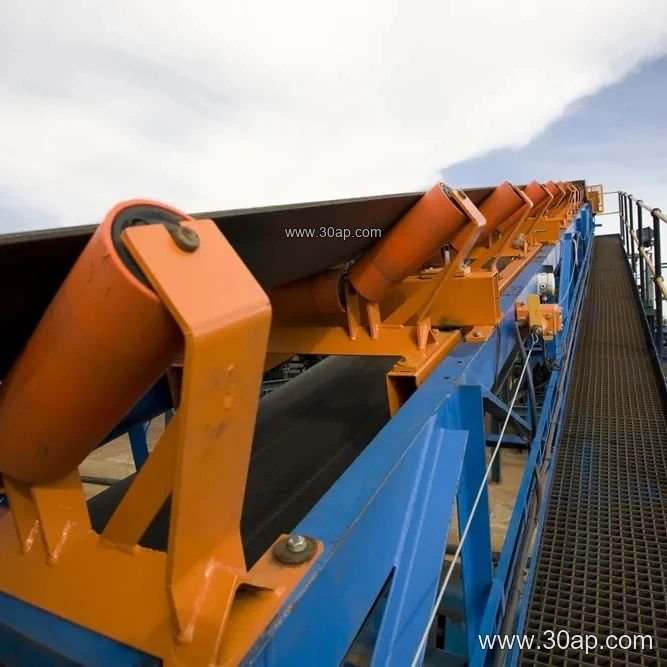
Examples of how the three values may appear together include B800 with Ø108 return idlers, B1200 with Ø133, or B650 with Ø89. A wider belt does not automatically require one specific idler diameter, and one belt width can be used with more than one bracket length. Mounting hole spacing and crossbeam length usually change with belt width and bracket type, so they should be confirmed from the conveyor drawing.
Reference Examples
| Belt Width | Common Return Idler Diameter | Bracket Note |
|---|---|---|
| B500 | Ø89 | Light-duty flat or V-return bracket |
| B650 | Ø89 / Ø108 | Adjustable slot often useful |
| B800 | Ø108 / Ø133 | Flat or V-return design |
| B1000 | Ø108 / Ø133 / Ø159 | Reinforced bracket for longer spans |
| B1200 | Ø133 / Ø159 | Check crossbeam length |
| B1400 | Ø133 / Ø159 / Ø194 | Heavy-duty return support |
| B1600 | Ø159 / Ø194 | Confirm mounting hole spacing |
| B1800 | Ø159 / Ø194 | Wide belt return bracket |
These examples are for orientation only. A B1200 conveyor may use different return idler diameters depending on belt tension and load, and the bracket must match the actual idler shaft and frame.
Where Return Idler Brackets Are Used
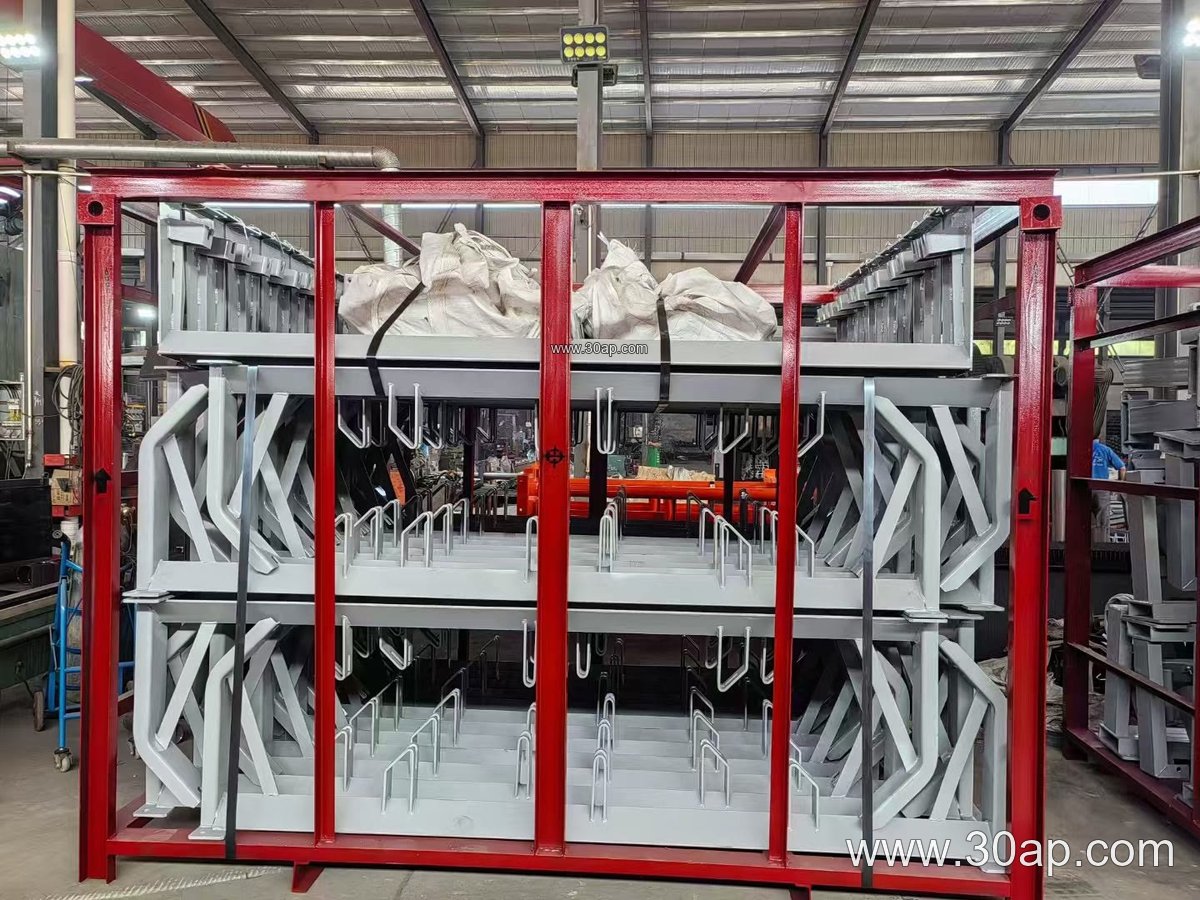
In a coal mining conveyor, return idler brackets support the lower run where coal dust and moisture are present. In a cement plant, they are used on clinker and raw material belts where the return side must stay centered. The bracket also appears in power plant coal handling, iron ore and copper ore transport, and aggregate crushing lines.
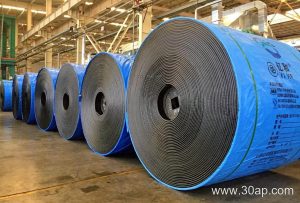
When the conveyor uses a heavy-duty mining conveyor belt or a steel cord conveyor belt, the return side can carry significant tension. A sturdy return bracket helps prevent the belt from wandering and reduces edge wear. In a quarry conveyor belt line with a chevron conveyor belt, the return bracket still supports the plain side of the belt, so the idler surface should be clean and free of buildup.
Buyer Checklist
Before ordering, confirm the belt width, the return idler diameter, the bracket type, and the mounting hole spacing. Check whether the frame uses angle steel or channel steel and whether the bracket needs slotted holes for adjustment. Ask for the drawing that shows the crossbeam length and hole positions. For underground coal mining conveyor belt systems, flame retardant and anti-static properties may apply to the belt, but the bracket itself should be selected for strength and fit.
During maintenance, inspect the bracket for bent arms, elongated holes, and loose bolts. A worn return idler bracket can cause the return idler roller to sit unevenly, which may lead to belt mistracking. Replacing a damaged bracket early is usually simpler than correcting belt edge damage later.