What a Motor-Driven Pulley Is
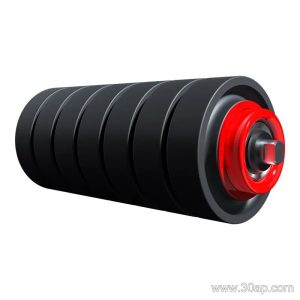
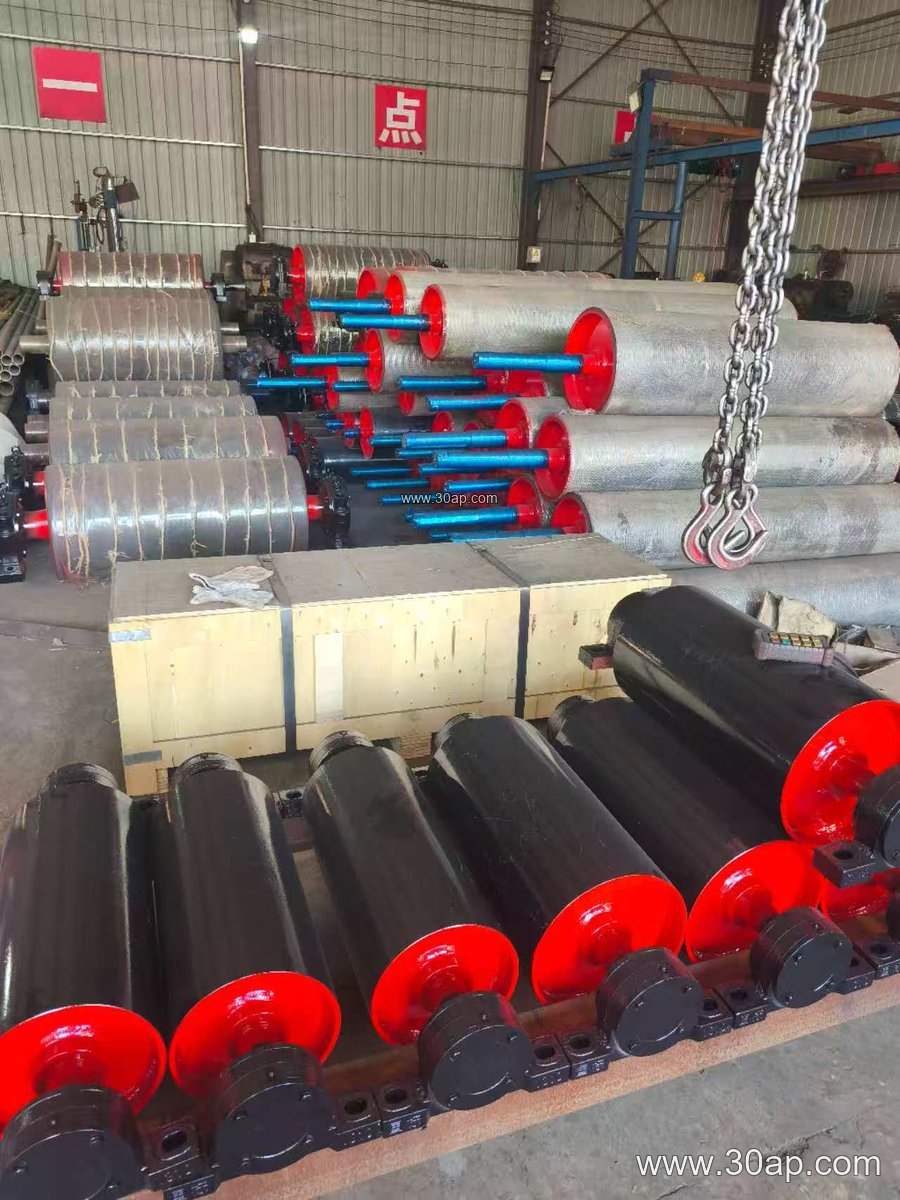
A motor-driven pulley, also called a drum motor or motorized pulley, is a self-contained drive unit for a belt conveyor. Instead of an external motor, gearbox, and coupling, the motor and gearing are built inside the pulley shell. The shell turns and drives the conveyor belt directly. This design saves space, reduces exposed rotating parts, and simplifies installation in tight or dusty plants.
It is still a pulley at heart, but its role is different from a tail pulley or a bend pulley. Those are idlers that guide or tension the belt; the motor-driven pulley is the drive source. In a conveyor line, you might see it at the head position, while a tail pulley and a series of idler rollers support the return and carrying sides.
Construction and Key Parts
Inside the shell, a stator and rotor, a planetary or helical gear stage, and bearings are assembled on a fixed shaft. The shaft does not rotate; the shell does. Seals keep dust and water out, and the oil inside lubricates and cools the gears. The shell is usually steel, sometimes with a rubber or ceramic lagging for grip. The terminal box or cable entry is at one shaft end.
Because the drive is integrated, the pulley diameter and face width must match the belt and the load. Common face widths follow belt widths: B500 around 600 mm, B650 around 750 mm, B800 around 950 mm, B1000 around 1150 mm, B1200 around 1400 mm. Diameters often range from Ø200 to Ø800 or more, depending on torque and belt speed. Shaft diameters are sized by torque and load, not by belt width alone; typical values include Ø60, Ø80, Ø100, Ø120, and Ø140.
Where It Fits in the Plant
Motor-driven pulleys are common in aggregate and quarry conveyors, cement plant clinker lines, coal handling in power plants, and sand and gravel operations. They also appear in tunnel muck removal, fertilizer handling, and grain silos where space is limited. In a coal washing plant, a flame retardant conveyor belt may run over a motorized pulley at the head, with a skirted conveyor belt at the load point to contain spillage. In a copper or iron ore concentrator, an abrasion resistant conveyor belt pairs well with a lagged pulley shell.
They are less suited to very high-power, long overland conveyors where a conventional drive with a large gearbox is more serviceable. For those, a separate drive pulley with an external motor remains common.
Selection Points for Buyers
Start with the belt width, belt speed, and required power. Then check the pulley diameter for belt wrap and lagging clearance. The lagging choice matters: plain, diamond, or ceramic lagging affects grip in wet or muddy conditions. In a quarry, diamond lagging on a motorized pulley can reduce slip on a wet rubber conveyor belt. In a coal plant, fire resistant and anti-static properties of the belt are separate from the pulley, but the pulley seals should handle coal dust.
Confirm the mounting position: head drive, tail drive, or a bend position with a snub pulley. The pulley must fit the conveyor bracket and the take-up arrangement. Ask for the allowable radial load, since the shaft is fixed and the bearing life depends on it. Also check the duty cycle and ambient temperature; a motorized pulley in a cement kiln area needs heat tolerance, while one in a cold climate may need cold-resistant lubricant.
Maintenance and Belt Interaction
Keep the shell clean and check lagging wear. A worn lagging can cause belt slip and misalignment. Inspect the belt tracking at the drive; a misaligned motor-driven pulley can damage the belt edge. Use a reliable conveyor pulley supplier who can match the pulley to your belt width and load. For a heavy-duty mining conveyor belt, the pulley bearings and seals should be rated for dust and shock.
Finally, remember that a motor-driven pulley is not a replacement for a tail pulley or a bend pulley. It is the drive. The other pulleys and idler rollers still do their jobs. Matching the whole conveyor, including the belt type, is what keeps the line running.