What a Conveyor Leg Does on a Belt System
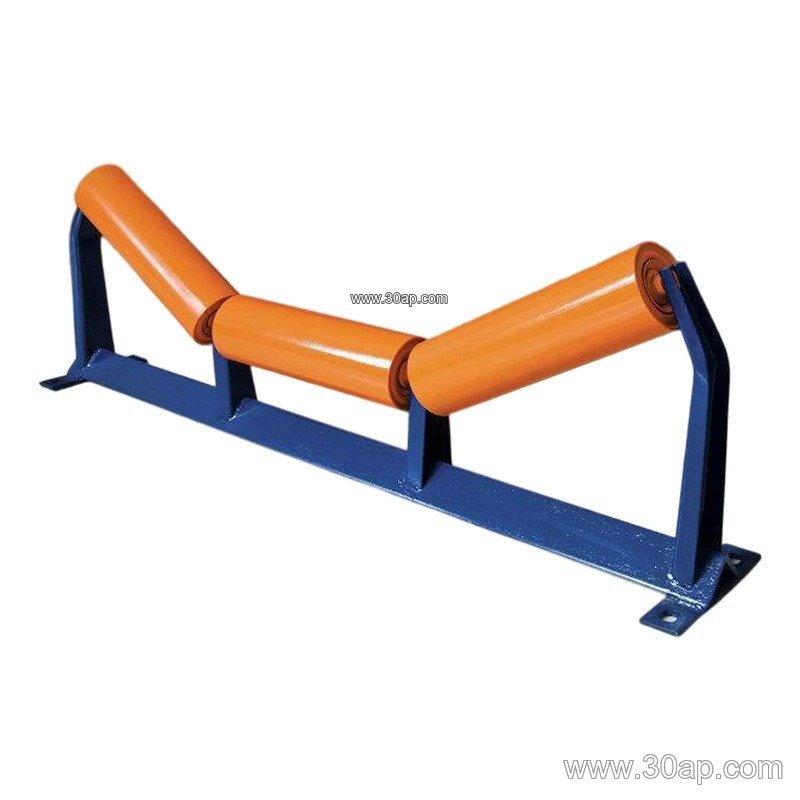
A conveyor leg is the vertical support that carries the weight of the conveyor frame, idlers, and material load down to the floor or foundation. In a typical structural layout, the leg works together with a cross beam, a stringer or longitudinal beam, and a conveyor bracket to form the supporting section of the machine. The leg itself does not move the belt; its job is to keep the frame at the correct height and alignment so that the conveyor belt runs smoothly over the idler roller sets and around the conveyor pulley at each end.
Because every conveyor has a different duty, the leg is usually treated as part of a support system rather than a standalone item. Light aggregate lines and heavy ore handling plants may use the same basic concept, but the steel section, base plate, and bracing will differ considerably.
How a Conveyor Leg Is Built
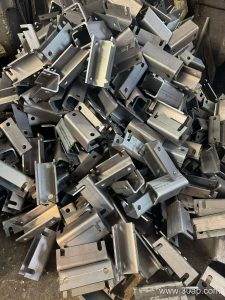
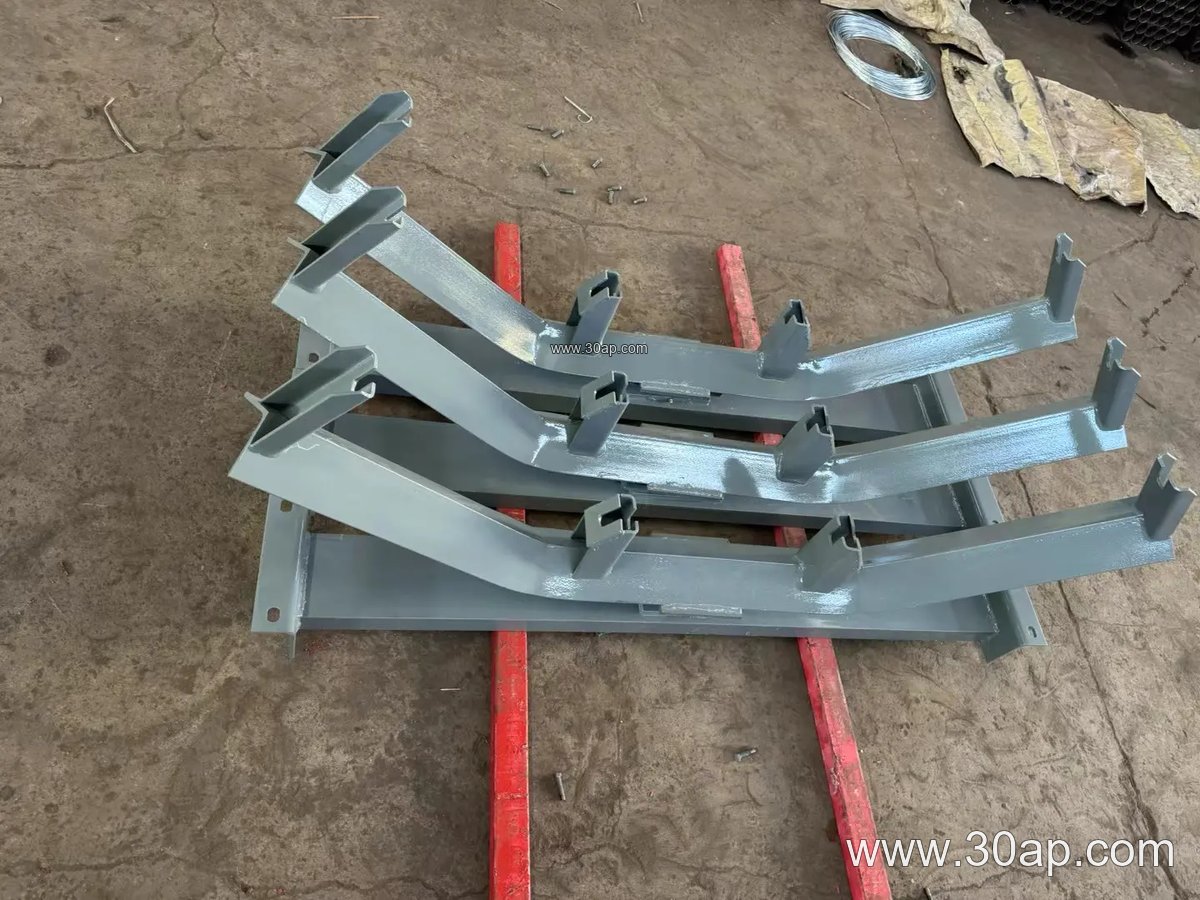
Most legs are fabricated from angle steel, channel steel, or folded steel plate. A common design has a vertical post with a foot plate that is anchored to concrete, plus a top plate or bolted connection that joins the leg to the main frame. On taller conveyors, diagonal bracing or a pair of legs joined by a cross member improves stability. Adjustable legs include slotted holes or threaded sections so the frame height can be fine-tuned during installation.
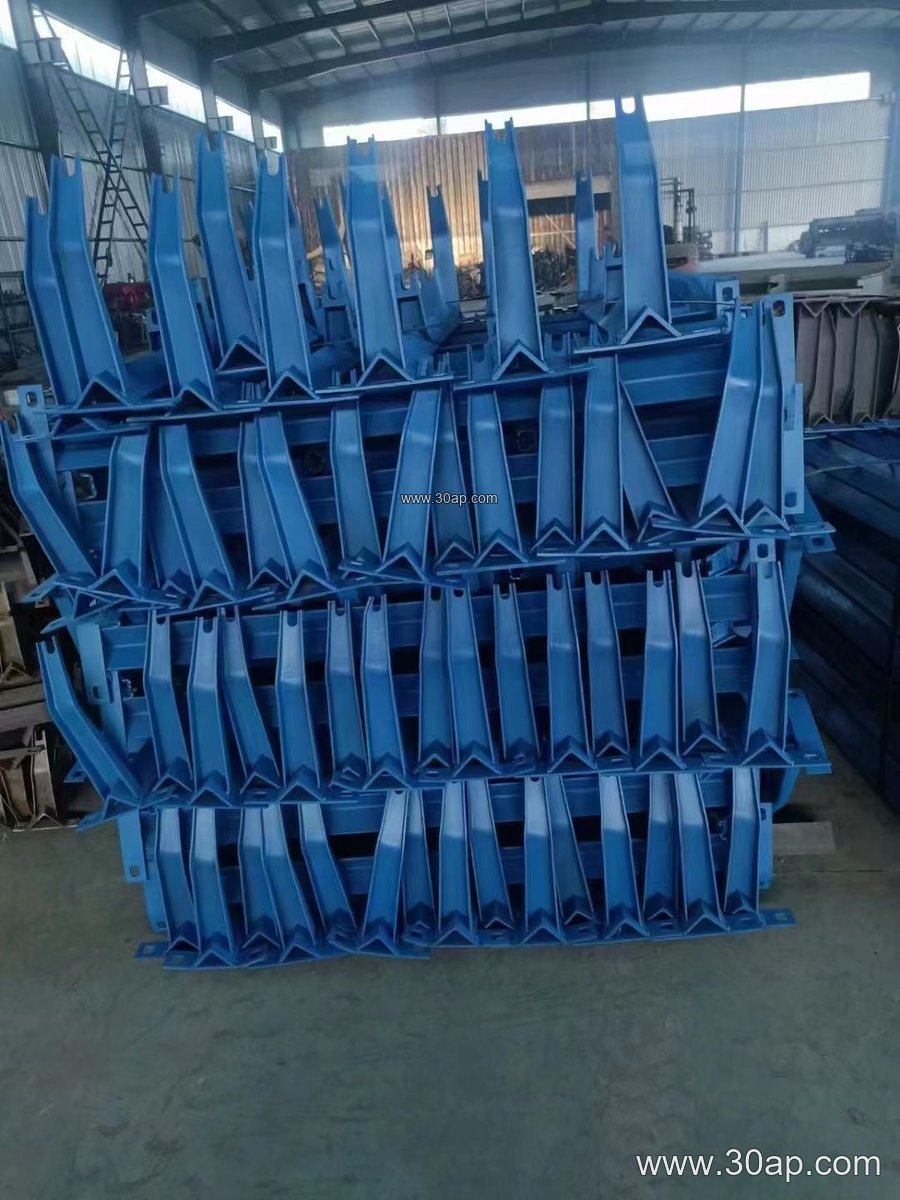
- Material options: angle steel, channel steel, folded steel plate
- Typical connections: bolted top plate, welded gusset, anchor base plate
- Common features: fixed height or adjustable height, single leg or H-frame pair
- Surface treatment: painted or galvanized, depending on the environment
The leg must match the frame geometry. If the support height is wrong, the troughing angle of the upper idlers changes and the belt may misalign. This is why the leg, the bracket, and the idler frame should be ordered as a coordinated set.
Where Conveyor Legs Are Used
Support legs appear in almost every bulk handling plant. In a limestone quarry or a stone crushing line, legs hold up the inclined discharge conveyors and the transfer points between screens. In a coal-fired power plant, they support the coal conveying galleries that feed the boiler bunkers. Cement plants use them along clinker and raw meal transport routes, while port terminals rely on them for ship loading and yard conveyors.
The working environment strongly influences the design. A wash plant or a coastal port may call for galvanized or heavily painted legs to resist corrosion. A crusher discharge conveyor handling abrasive rock may use a heavier leg section and a wider base to absorb vibration from the impact zone.
Matching the Leg to Belt Width, Trough Angle, and Roller Diameter
Buyers should think of the leg as one part of a matched support set. The table below shows common reference combinations; these are examples, not fixed rules, and the final choice depends on the frame design and load calculation.
| Belt Width | Trough Angle | Roller Diameter | Typical Use |
|---|---|---|---|
| B500 / B650 | 20° or 30° | Ø89 | Small aggregate and sand lines |
| B800 | 30° or 35° | Ø108 | General quarry and cement duty |
| B1000 / B1200 | 35° or 45° | Ø133 | Mine and power plant transport |
| B1400 / B1600 | 35° or 45° | Ø159 | Heavy bulk material handling |
| B1800 / B2000 | 35° or 45° | Ø194 | Large port and ore systems |
One belt width is not limited to a single trough angle or roller diameter. A B1200 frame may be built with 35° or 45° idlers, and the roller size depends on load and speed rather than width alone. Installation hole spacing and cross beam length also vary with belt width and trough angle, so these dimensions should be confirmed against the frame drawing.
Fixed Legs and Adjustable Legs Compared
A fixed conveyor leg is welded or bolted to a set height and is common in permanent installations where the foundation is already level. An adjustable leg allows height correction after the frame is placed, which helps when the floor is uneven or when the conveyor must be aligned with existing equipment. Adjustable supports are often used during commissioning and then locked in place. Neither type is automatically better; the choice depends on whether future height changes are expected.
Buyer Checklist
- Confirm the belt width, trough angle, and roller diameter that the frame is designed for.
- Check the leg height and the connection dimensions against the frame drawing.
- Ask about steel section size and bracing for tall or vibration-heavy positions.
- Match the surface treatment to the site: dusty, wet, or corrosive conditions.
- Plan anchor positions and base plate size before pouring foundations.
For related components, buyers often order the support set together with the conveyor idler roller, the conveyor pulley, and the conveyor bracket to avoid mismatched bolt patterns. A leg that fits the frame correctly keeps the belt centered, reduces wear on the idler roller, and protects the conveyor belt from edge damage. Whether the plant handles iron ore, clinker, or grain, the support leg remains a small but decisive part of reliable conveying.