What Idler Processing Covers
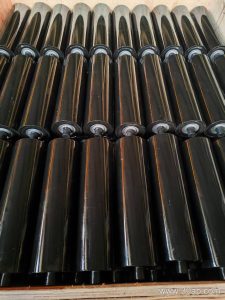
On a belt conveyor, the idler roller is the small rotating component that carries the belt and the material load along the line. Idler processing refers to the manufacturing steps and quality decisions that turn raw tube, shaft, bearing and seal parts into a finished roller that runs true, lasts, and does not damage the conveyor belt. A plant may process thousands of these units for a quarry conveyor belt line, a power plant coal handling system or an iron ore stockyard, so consistency matters as much as the individual part.
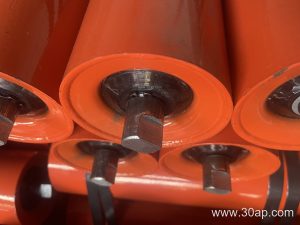
The job is not just assembly. It includes cutting the roller shell to length, machining the shaft ends, fitting the bearing housing, greasing and sealing, welding or press-fitting the end caps, then balancing and checking rotation. When buyers ask about idler processing, they usually want to know how these steps affect service life and how to specify a roller that fits their conveyor structure.
How a Roller Is Built
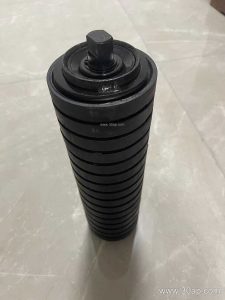
Most idler rollers start with a steel tube shell, though nylon, ceramic and rubber-covered versions exist for special duties. The shaft passes through the shell, and bearings sit at each end inside a housing. Seals keep dust and water out, which is critical in a stone crushing plant or a cement plant where fine powder is everywhere. The outside of the shell may be plain, or fitted with rubber rings for impact absorption at a transfer point.
Processing accuracy shows up in runout, concentricity and shaft alignment. A roller that wobbles will wear the belt edge and shorten bearing life. A poorly sealed roller will fail early even if the tube and shaft are good. This is why reputable idler processing includes a rotation test and, for heavier duty, dynamic balancing.
Where Idlers Sit on the Conveyor
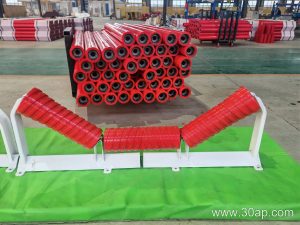
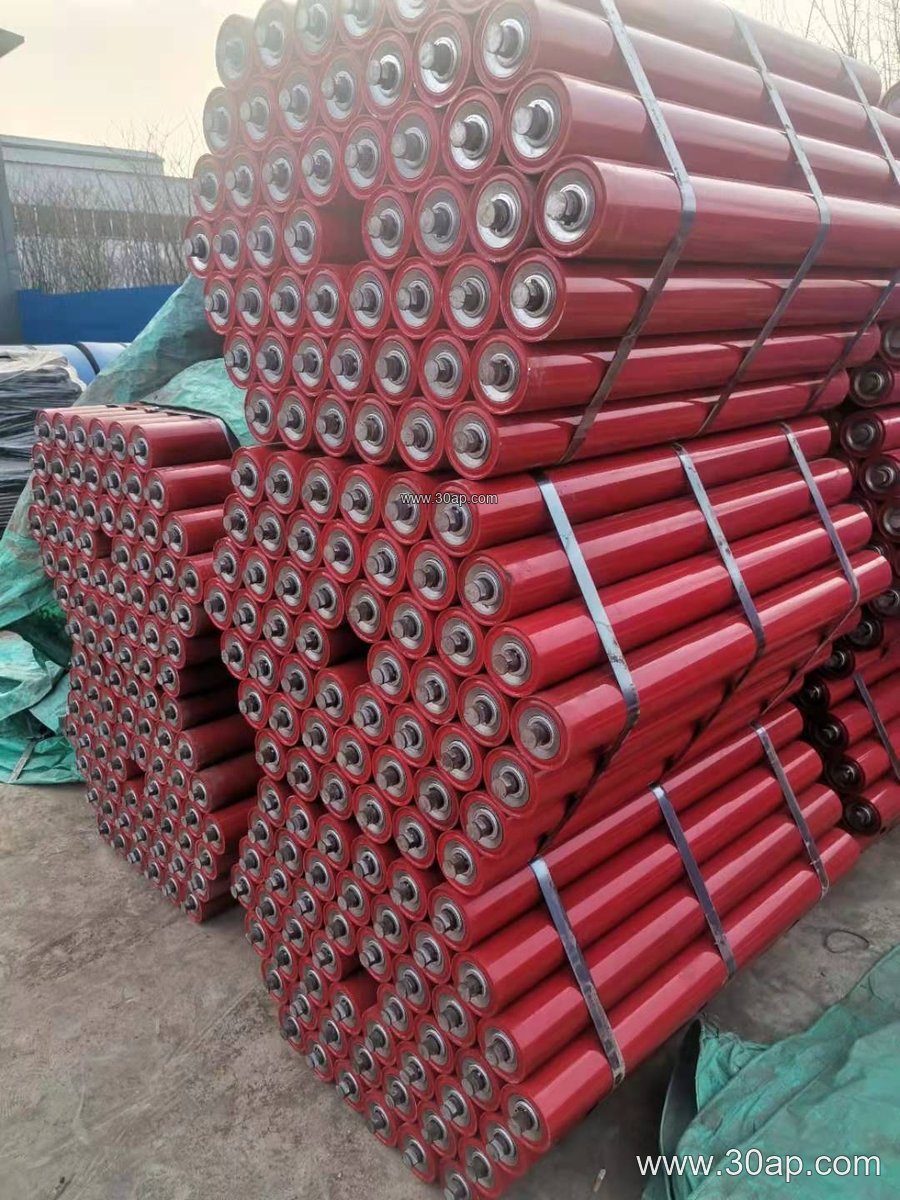
Carrying idlers support the loaded side of the belt, usually in a troughing set of two or three rolls. Return idlers support the empty side. Impact idlers with rubber rings sit under the loading point to cushion falling rock. Training idlers help keep the belt centered. Each position places different demands on the roller, so processing should match the duty.
- Troughing sets in a limestone mine see abrasive dust and constant load.
- Impact stations below a crusher discharge need flexible rubber surfaces.
- Return rolls in a port conveyor face moisture and salt air.
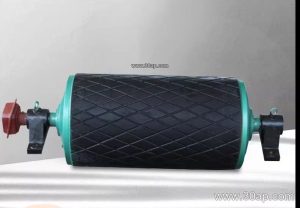
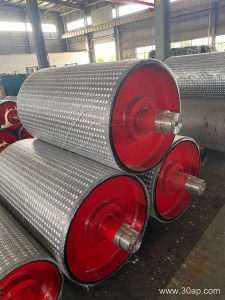
The conveyor pulley at the head and tail does a different job and is not interchangeable with an idler roller. Drive, tail and bend pulleys transmit or redirect belt tension, while idlers only support the belt. Mixing up these roles leads to wrong spare parts and poor maintenance planning.
Common Reference Dimensions
The table below gives typical reference values used in idler processing and selection. These are common examples, not fixed rules, and final dimensions follow the conveyor design.
| Item | Common Reference Values |
|---|---|
| Roller diameter | Ø63, Ø76, Ø89, Ø102, Ø108, Ø127, Ø133, Ø159, Ø178, Ø194, Ø219 mm |
| Belt width | B400, B500, B650, B800, B1000, B1200, B1400, B1600, B1800, B2000, B2200, B2400 |
| Trough angle | 20, 30, 35, 45 degrees |
| Roll surface | Steel tube, nylon, ceramic, rubber ring |
| Bearing | 6204, 6205, 6305, 6306, 6308, 6310 |
| Roller length example (three-roll troughing) | About 200 mm at B500, 250 mm at B650, 315 mm at B800, 380 mm at B1000, 465 mm at B1200, 530 mm at B1400, 600 mm at B1600, 670 mm at B1800, 750 mm at B2000 |
Side rolls and center rolls can differ in length within the same set. A 1200mm wide conveyor belt does not automatically define one roller diameter, and bearing size should be chosen from load and speed, not guessed from belt width alone.
What Buyers Should Check
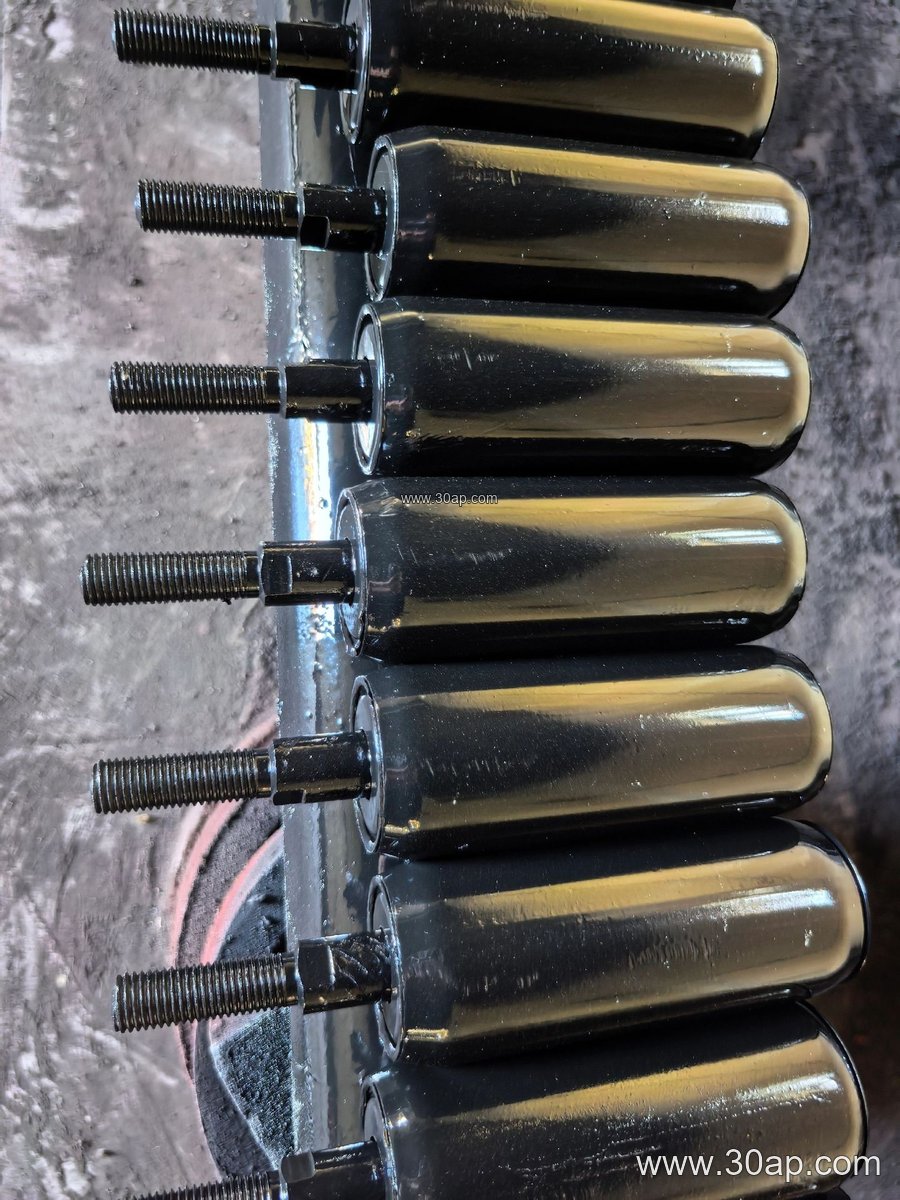
Ask how the roller is sealed, what bearing clearance is used, and whether the shaft is machined or just cut. For abrasive duties such as a copper ore or gold mining conveyor, specify a wear-resistant shell and good labyrinth sealing. For a coal mining conveyor belt that must resist fire, the roller itself should not introduce a spark or friction risk, so smooth rotation and correct alignment are part of the safety picture.
When replacing rollers, check the conveyor bracket and frame dimensions first. A roller that fits the bracket but sits at the wrong height will misalign the belt. Keep a small stock of common sizes so a failed roll does not stop the whole line. On long overland systems carrying bulk material, a single seized idler can wear through a heavy-duty conveyor belt in hours.
Processing Quality and Maintenance
Good idler processing reduces maintenance calls. Look for straight tubes, clean welds, free rotation and seals that stay in place during handling. During service, listen for squealing, check for wobble and remove built-up material from return rolls. In a power plant or cement plant, dust buildup on the roller surface can cause belt tracking problems that look like pulley misalignment.
Match the roller to the application, keep records of sizes and bearing numbers, and replace in sets where wear is uneven. That approach keeps the conveyor belt running smoothly from the loading point to the discharge pulley.