What a Dustproof and Waterproof Idler Does
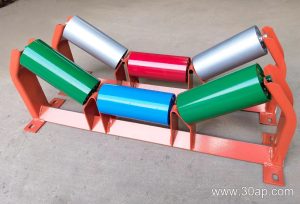
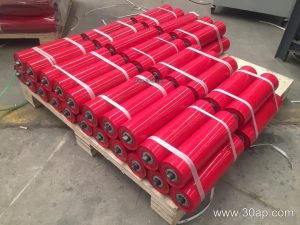
A dustproof and waterproof idler is a carrying or return roller built with sealed end caps and protected bearing housings, so fine dust and water spray cannot reach the bearing grease. On a conveyor belt line, this sealed idler roller keeps rotating freely where ordinary rollers would seize: wash-down zones, rainy yards, tunnel portals, and dusty transfer points. In practice the same product is also called a sealed water-resistant idler or a dust-proof, water-proof roller, and those names describe the same component.
The sealing work matters most where slurry, mist, or airborne grit is constant. A roller that ingests dust grinds its own bearings, then locks and scuffs the belt. A properly sealed unit protects the shaft end, the bearing cavity, and the lip area at once.
How the Sealing Is Built
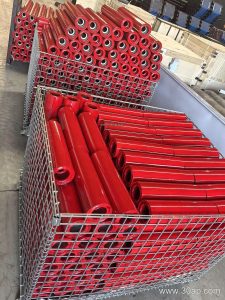
The core is a steel tube body fitted with a through shaft, pressed bearing housings, and a multi-stage seal. Common arrangements use a labyrinth cap, an outer lip seal, and a grease-filled cavity; some designs add a nylon or rubber end cover to shed water. Bearing seats are machined to hold standard bearing numbers such as 6204, 6205, 6305, 6306, 6308, or 6310, matched to the load and roll diameter rather than fixed by belt width alone.
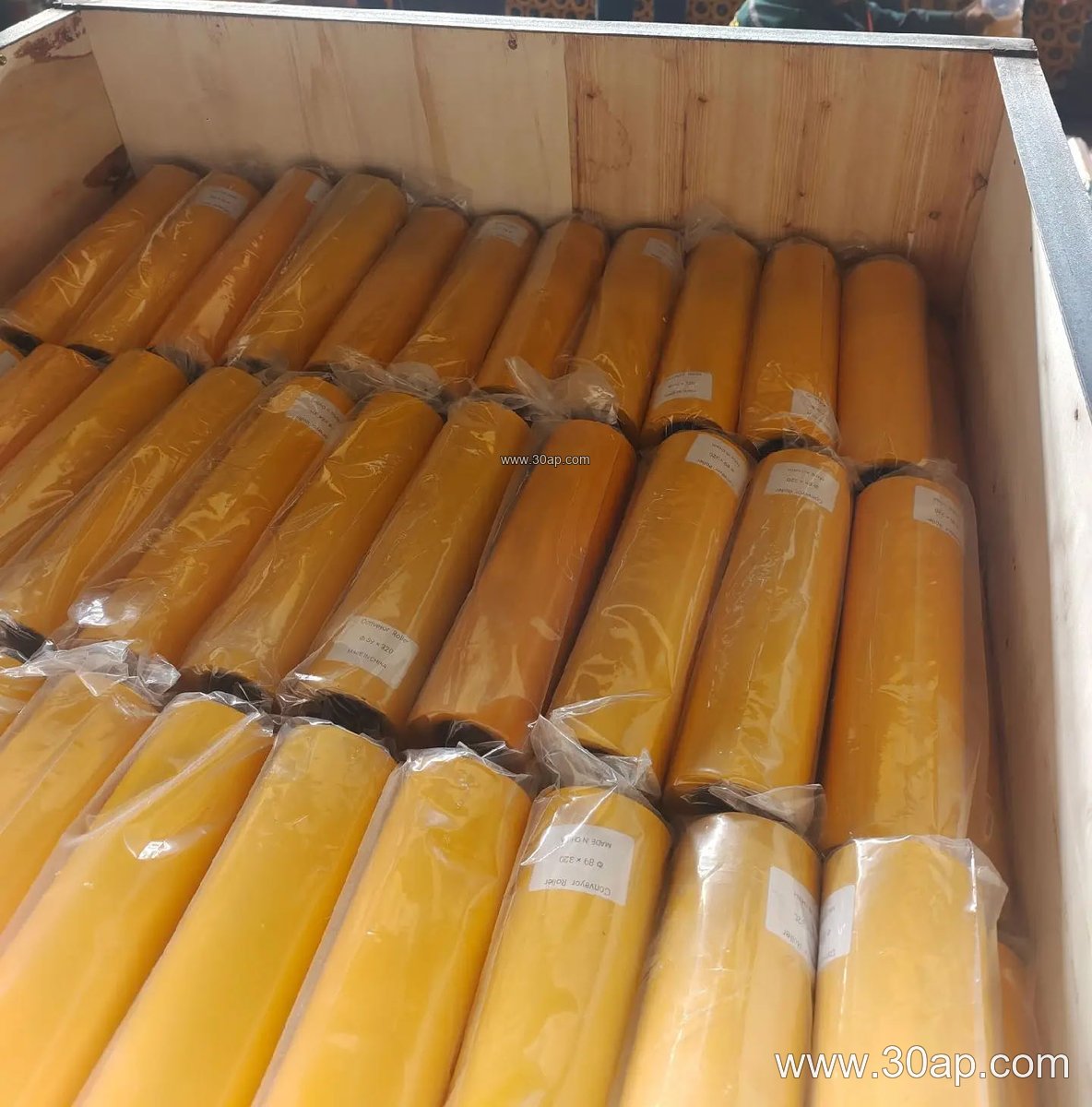
- Tube shell: steel, with optional nylon, ceramic, or rubber ring surfaces for different wear and build-up conditions.
- Seal stack: labyrinth ring plus lip seal, sometimes with an extra dust guard.
- Shaft ends: flat or forged, with retaining rings and anti-rotation flats.
- Grease: sealed for life in most light and medium duties; regreasable versions exist for heavy service.
Roll diameter is chosen with the frame and belt speed in mind. Typical sizes include Ø63, Ø76, Ø89, Ø102, Ø108, Ø127, Ø133, Ø159, Ø178, Ø194, and Ø219 mm. A larger shell turns more slowly for the same belt speed, which helps in wet, abrasive service.
Where the Sealed Roller Fits on the Line
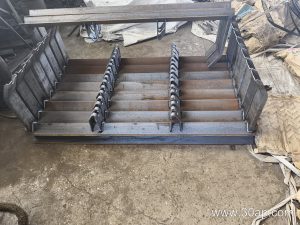
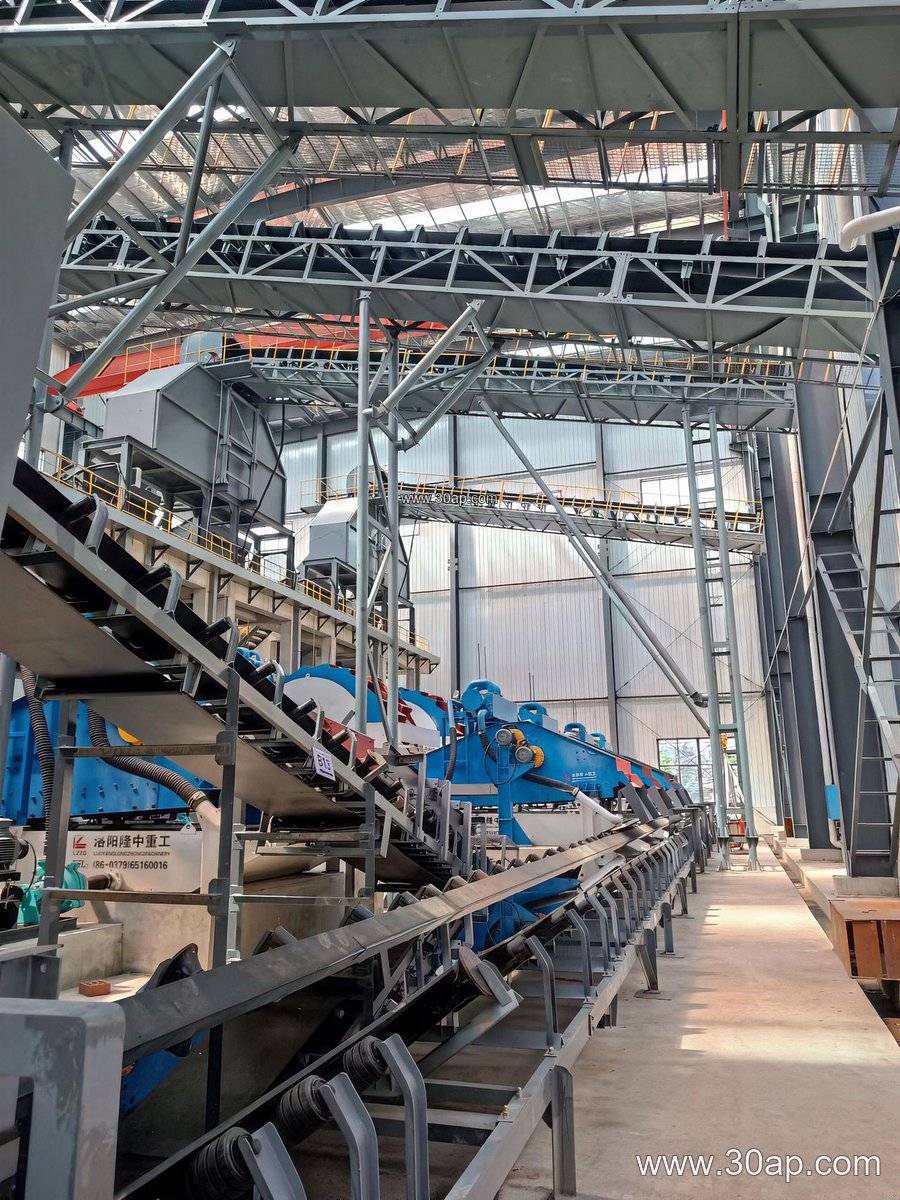
These idlers are usually specified for troughing runs and return runs in the same frame as standard rollers, so they can replace ordinary units at the wet or dusty sections without changing the conveyor bracket. Typical placements are the load zone after a crusher, the discharge end of a wash plant, and long overland runs exposed to weather. Two working environments suit them well:
- Sand and gravel aggregate lines: spray bars and stockpile runoff keep the belt wet, and grit sticks to every surface.
- Coal handling at a power plant or wash house: fine coal dust plus moisture forms a paste that destroys unprotected bearings.
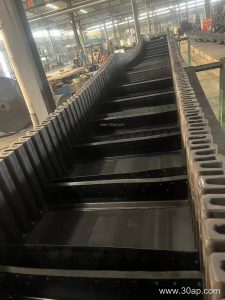
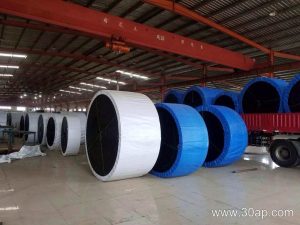
On the same conveyor, a steel cord conveyor belt or an abrasion resistant conveyor belt may carry the load while the sealed rollers protect the rotating path. Where the belt itself must resist oil or heat, a heat resistant conveyor belt or oil resistant conveyor belt is selected separately; the idler choice does not replace belt selection.
Common Sizes and Matching Notes
Frame dimensions follow belt width and trough angle. The table below gives common reference values, not fixed pairings; side rollers and centre rollers can differ, and final roll length is set by the troughing frame design.
| Nominal belt width | Typical roll length, three-roll trough (reference) |
|---|---|
| B500 | about 200 mm |
| B650 | about 250 mm |
| B800 | about 315 mm |
| B1000 | about 380 mm |
| B1200 | about 465 mm |
| B1400 | about 530 mm |
| B1600 | about 600 mm |
| B1800 | about 670 mm |
| B2000 | about 750 mm |
Trough angles of 20, 30, 35, and 45 degrees are common, and a slight forward tilt of about 1.5 to 2 degrees is used on training idlers to steer the belt, not on every roll. Sealed rollers are available as single-roll, two-roll, and three-roll trough sets, and as return rolls including V-type return and flat return forms.
Buyer Checklist
- Confirm the sealing class you actually need: splash resistance, wash-down, or full immersion-adjacent protection.
- Match the shaft and bearing housing to the frame, not just the tube diameter.
- Check shell thickness and surface: rubber rings absorb impact at transfer points, ceramic suits high abrasion, plain steel is the general choice.
- Ask whether the unit is greased for life or regreasable, and plan maintenance access.
- Keep spare sealed idlers on hand for wet sections; a seized roller can damage the belt quickly.
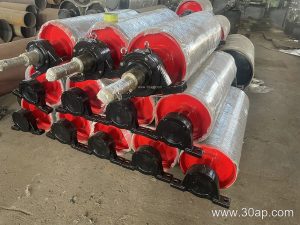
When the whole line is reviewed together, the sealed idler, the conveyor belt, the conveyor pulley, and the conveyor bracket should be chosen as one system. A dustproof and waterproof idler will not fix a misaligned frame, but it will keep the rolls turning where dust and water are part of daily operation.