What a High Strength Conveyor Belt Is
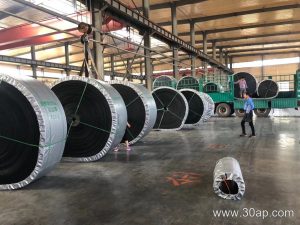
A high strength conveyor belt is a heavy-duty rubber belt built to carry large tonnages over long distances without excessive stretch or fatigue. In practice, the term usually points to belts with a strong synthetic or steel carcass, such as EP (polyester-cotton) belts, NN nylon belts, or steel cord belts. These are the workhorses of mines, coal preparation plants, cement works, power stations, and sand and gravel yards, where a single conveyor may run for kilometers and move thousands of tonnes per shift.
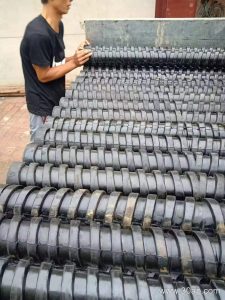
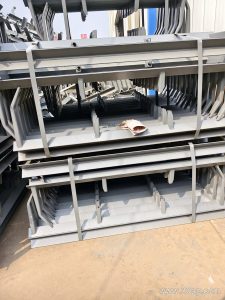
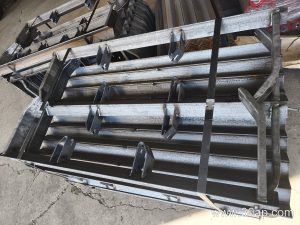
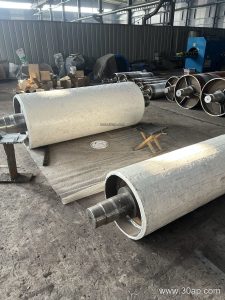
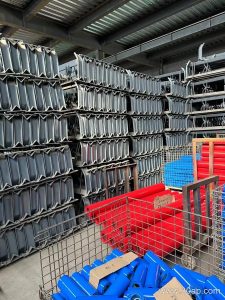
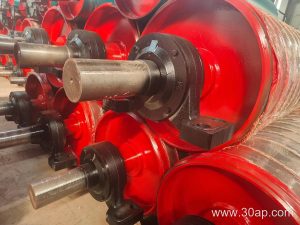
The belt is only one part of the system. It runs over a conveyor pulley at the drive end and a tail pulley at the loading end, with bend pulleys guiding the return strand. Idler rollers support the belt along its length, and conveyor brackets hold the idlers and pulleys in alignment. A strong belt works best when the whole conveyor is matched to the load it carries.
How the Belt Is Built
Strength comes from the carcass, the layer of fabric or steel cords inside the rubber. EP and NN belts use multiple plies, commonly 2 to 6 layers, while steel cord belts use a single layer of brass-plated cables for very high tension and long spans. The carcass is protected by cover rubber on the top and bottom, and the cover thickness is chosen for the abrasion and impact expected at the site.
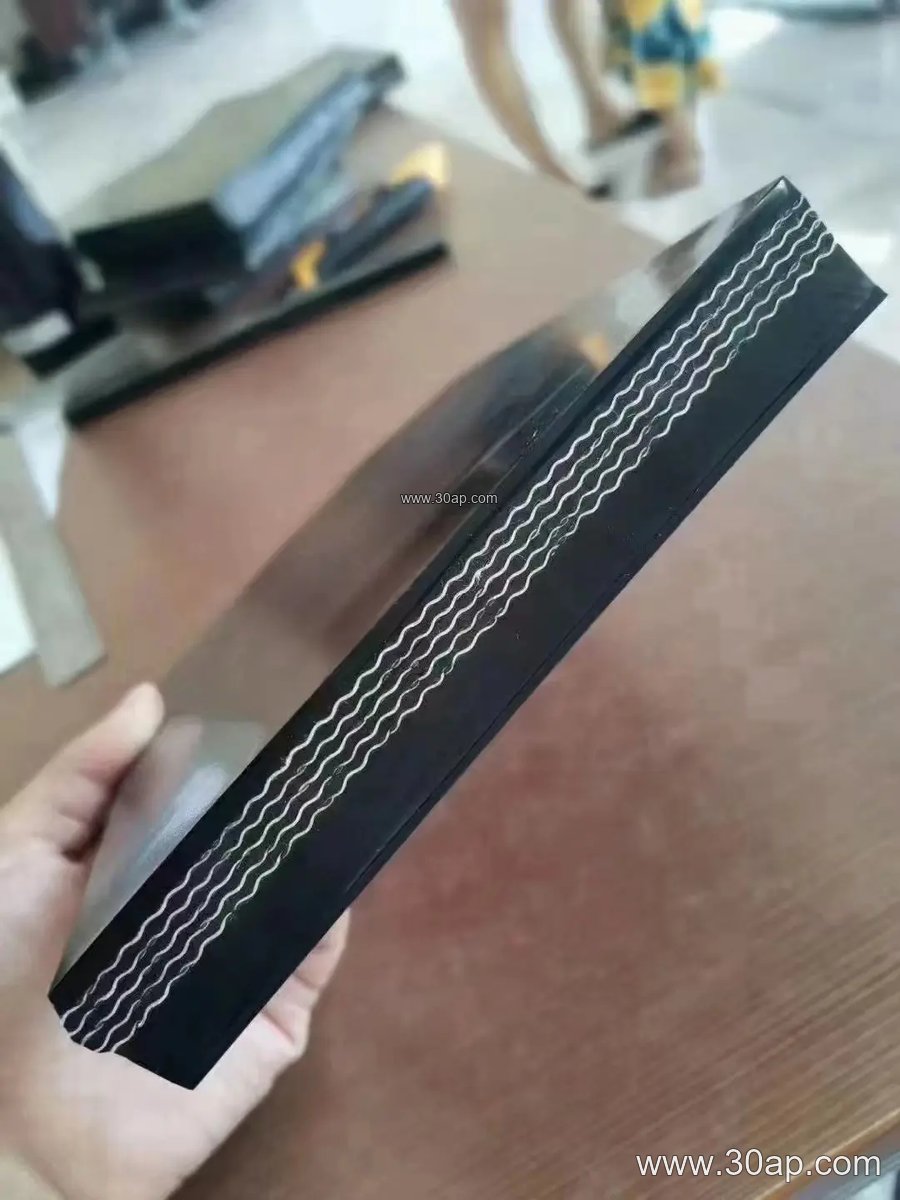
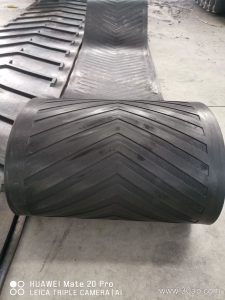
Cover grades matter as much as tensile strength. A quarry handling sharp crushed rock may need an abrasion-resistant cover, while a cement plant moving hot clinker needs a heat-resistant grade. Coal mines often specify flame-retardant and antistatic covers. Other options include oil-resistant, acid and alkali resistant, and cold-resistant compounds. Patterned surfaces such as herringbone or chevron profiles help on inclines, and corrugated sidewall belts keep material contained on steep climbs.
Common Strength and Size Ranges
Buyers often compare belts by nominal tensile strength and width. The values below are typical reference ranges, not fixed supply promises; actual construction is confirmed with the manufacturer for each project.
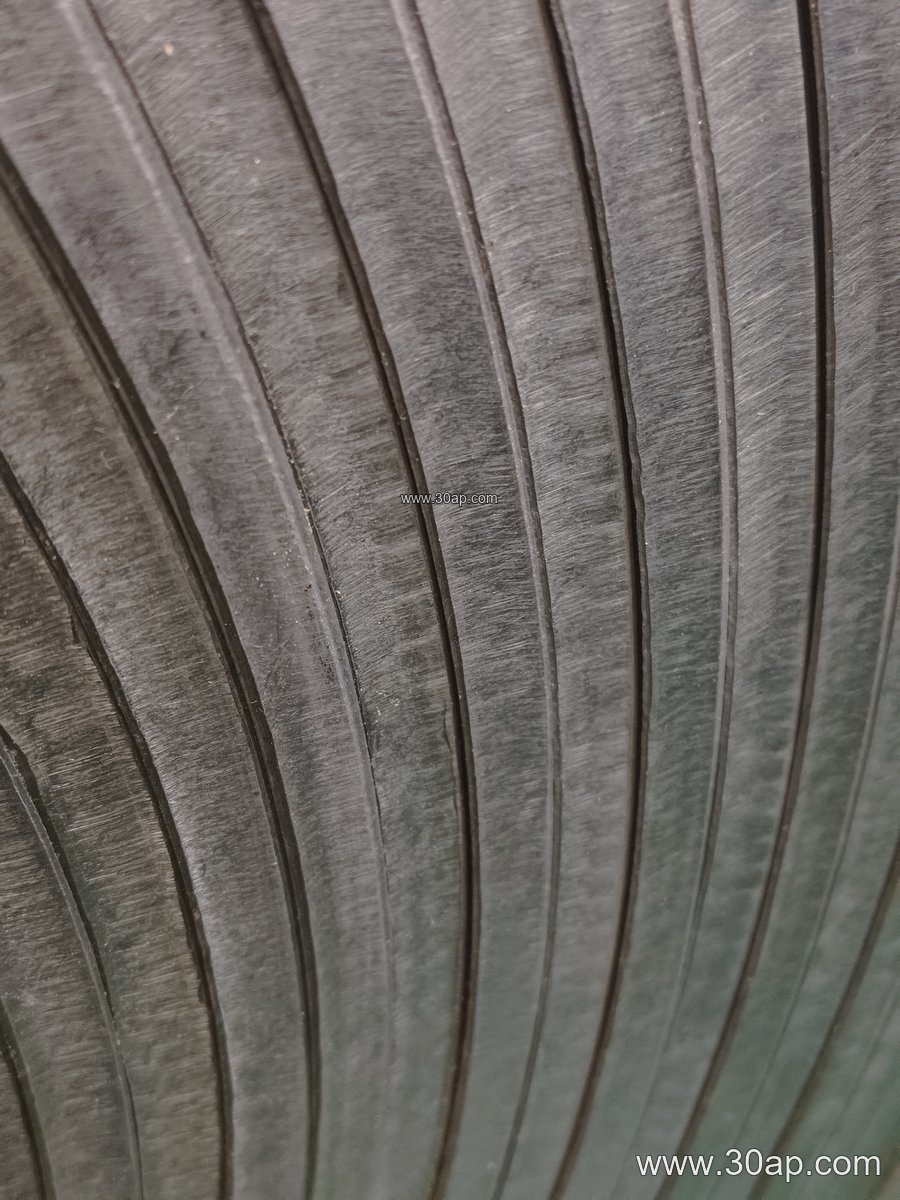
Typical Belt Strength Grades
- EP200, EP315, EP400, EP500
- EP630, EP800, EP1000
- EP1250, EP1600, EP2000
Common Belt Widths
- B500, B650, B800
- B1000, B1200, B1400
- B1600, B1800, B2000
Cover Thickness Examples
Top and bottom cover combinations are usually written as two figures, for example 3+1.5 mm, 4+2 mm, 5+2 mm, 6+2 mm, or 8+3 mm. The first number is the carrying-side cover and the second is the pulley side. A thicker top cover suits abrasive stone, while the bottom cover protects the belt against idler rollers and pulleys.
Where It Is Used
High strength belts appear across heavy industry. In underground coal mines, flame-retardant belts feed coal from the face to the surface. In metal mines, long overland conveyors move ore from the pit to the processing plant. Cement plants use heat-resistant belts for clinker and limestone. Power stations rely on them for coal handling, and sand and gravel plants use abrasion-resistant belts on sorting and stockpile lines. The same belts also serve ports, steel mills, and fertilizer plants.
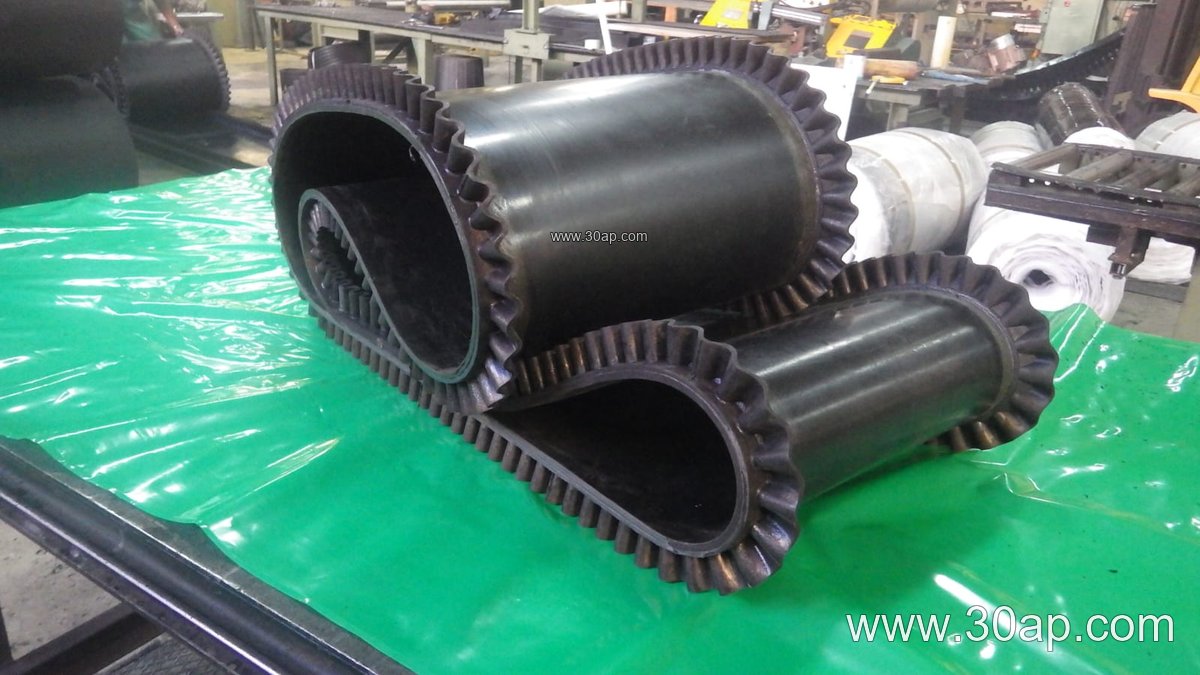
Each application puts different demands on the belt. A long overland route with few transfer points favors low-stretch carcasses and low rolling resistance. A short, steep yard conveyor may need a patterned cover and a robust edge. Matching the belt to the duty is more important than simply choosing the highest strength grade available.
What Buyers Should Check
Selection starts with the conveyor design, not the belt alone. The belt width must suit the lump size and the required capacity, and it must fit the drive pulley, tail pulley, and bend pulleys already installed or planned. Belt width does not dictate a single pulley diameter; the pulley size is set by the belt tension, carcass type, and the manufacturer’s recommendation. The same applies to shaft diameters, which depend on the pulley and bearing design rather than on belt width alone.
Buyers should also confirm the cover grade, number of plies or cord construction, splice method, and edge condition. A proper splice keeps the full strength of the carcass, and a poor one becomes the weakest point on the line. Regular checks of idler rollers, pulley lagging, and belt tracking extend service life and prevent edge damage.
Finally, ask for the belt data sheet and the manufacturer’s tension and pulley recommendations for the specific grade. With the right carcass, cover, and conveyor layout, a high strength conveyor belt delivers reliable service in the toughest mining, cement, power, and aggregate operations.