What a Coal Mine Conveyor Idler Does Underground
A coal mine conveyor idler is the rotating roller that supports the conveyor belt along its carrying and return runs. In an underground coal mining conveyor belt system, these rollers are mounted in frames or brackets at regular intervals, allowing the belt to move freely while carrying coal, rock, and debris. The idler roller itself is a simple assembly, but its placement and condition affect belt tracking, energy use, and the overall reliability of the haulage line. In a coal mine, dust, moisture, and fines are constant companions, so the idler must be built to keep contaminants out of the bearing housing.
Coal handling often pairs a flame retardant conveyor belt with sturdy idlers, and the same troughing arrangement can be found in a cement plant, a power plant coal yard, or a quarry conveyor line. The exact roller selected depends on belt width, load, and the position along the conveyor.
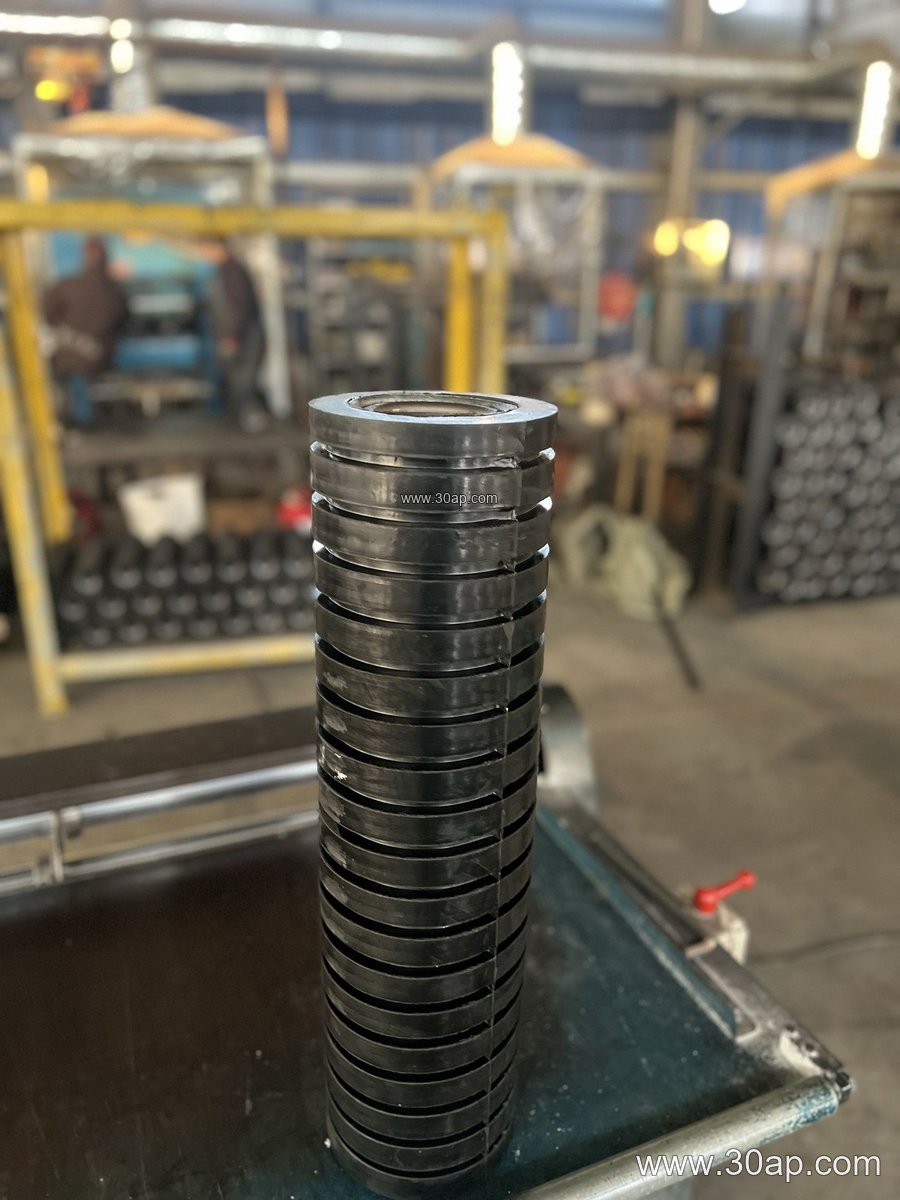
How the Roller Is Built
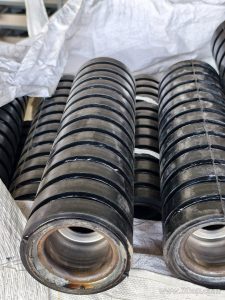
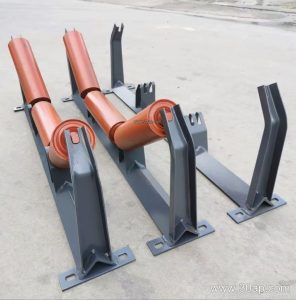
Most coal mine conveyor idlers use a steel tube shell fitted over a shaft, with bearing housings at each end. Common bearing sizes include 6204, 6205, 6305, 6306, 6308, and 6310, but the bearing is chosen by load and speed rather than by roller diameter alone. Seals are critical underground, where fine coal dust can work into a bearing and cause seizure. A labyrinth seal or a multi-lip seal is typical, and some designs add a protective cap.
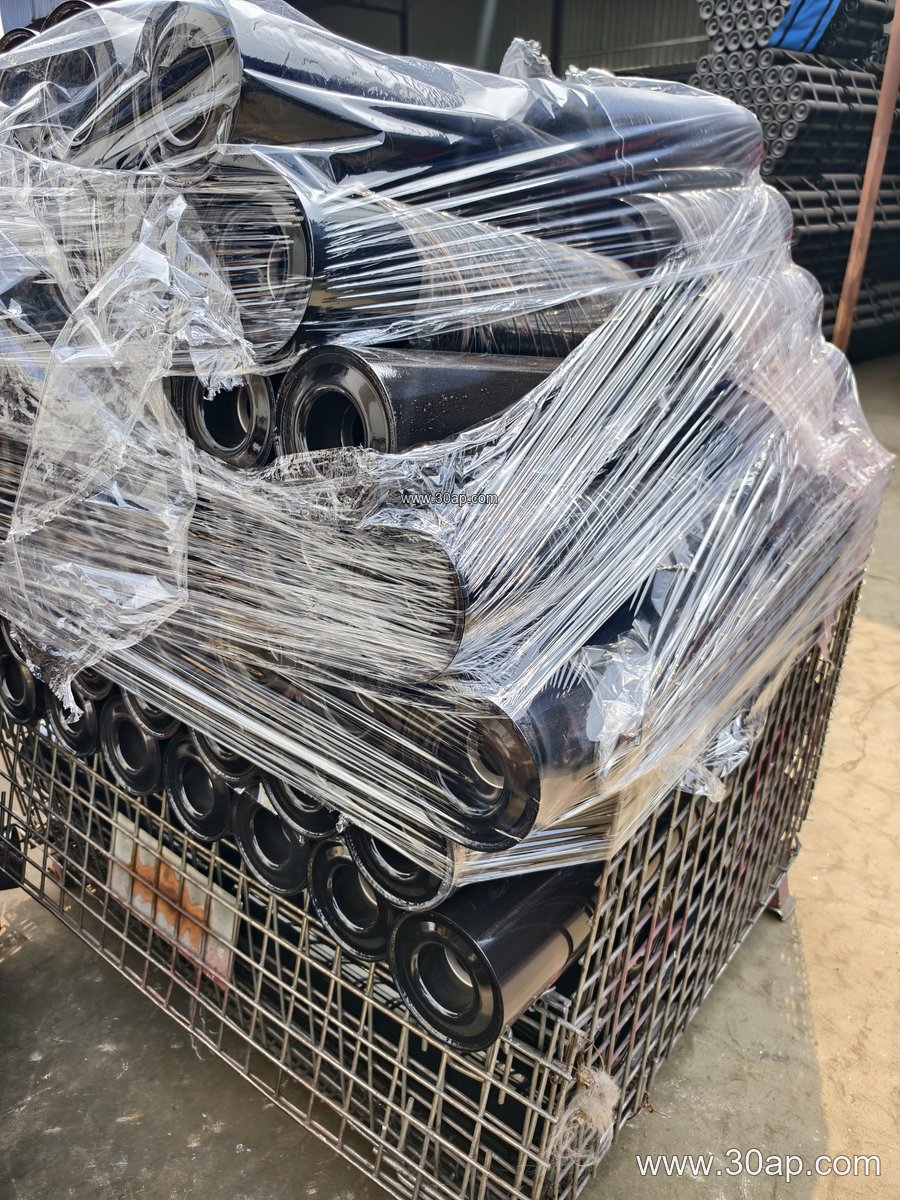
Roller diameters commonly include Ø63, Ø76, Ø89, Ø102, Ø108, Ø127, Ø133, Ø159, Ø178, Ø194, and Ø219 mm. The shell surface may be plain steel, nylon, ceramic, or rubber rings. Rubber rings are often used on impact or buffer idlers near a transfer point, while plain steel is common on ordinary carrying runs.
Common Roller Diameters and Typical Use
| Roller Diameter | Typical Position | Note |
|---|---|---|
| Ø89 to Ø108 mm | Light to medium troughing runs | Frequently seen on narrower belts |
| Ø127 to Ø159 mm | Main carrying and return runs | Common on medium and wide belts |
| Ø178 to Ø219 mm | Heavy-duty or impact zones | Selected for high load or large lump size |
These values are reference examples, not a fixed matching rule. Belt width and pulley diameter are separate decisions, and a given belt width does not dictate one shaft diameter.
Where It Sits on the Conveyor
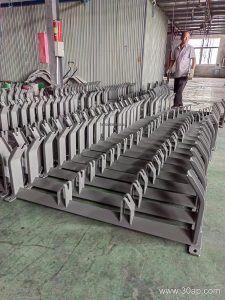
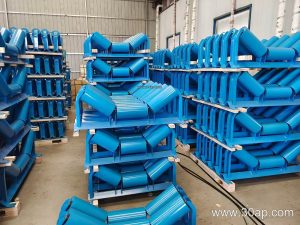
On the carrying side, a three-roll troughing set is the usual arrangement, with a trough angle of 20, 30, 35, or 45 degrees. The trough shape keeps coal centered on the belt and reduces spillage. Transition idlers sit between the tail pulley and the first full troughing set, easing the belt from flat to troughed. On the return side, flat return idlers or V-return idlers support the empty belt. Self-aligning idlers, including friction and tapered designs, help correct belt drift on long runs.
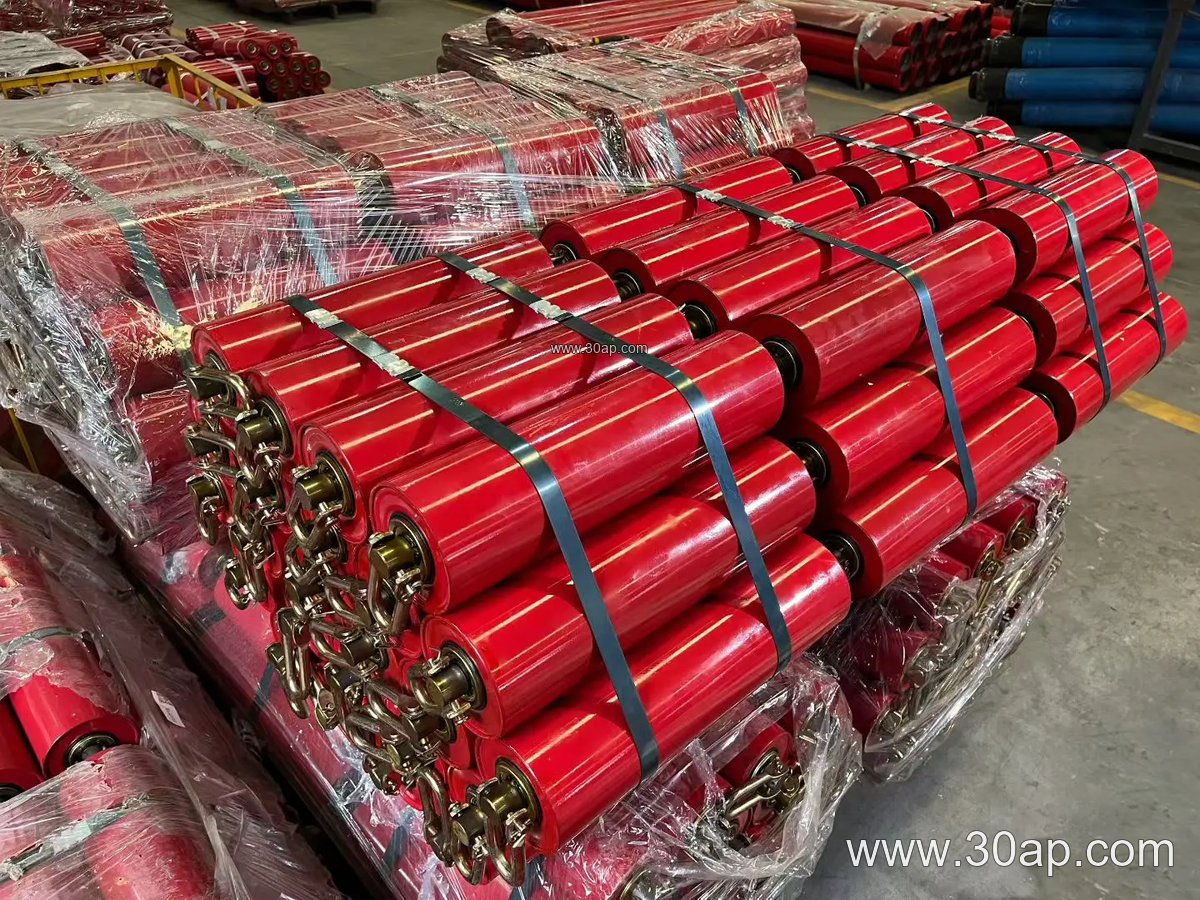
Roller length varies with belt width, trough angle, and frame form. For a three-roll troughing set, common examples are about 200 mm for B500, 250 mm for B650, 315 mm for B800, 380 mm for B1000, 465 mm for B1200, 530 mm for B1400, 600 mm for B1600, 670 mm for B1800, and 750 mm for B2000. Side rollers and center rollers can differ, so these figures are only a starting reference.
Matching the Idler to the Belt and the Job
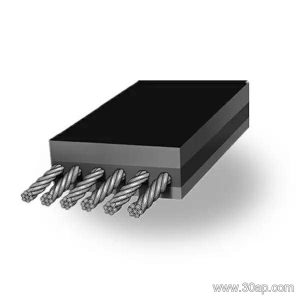
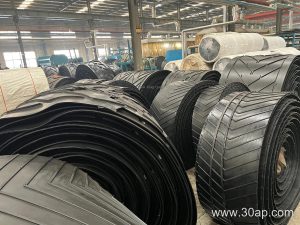
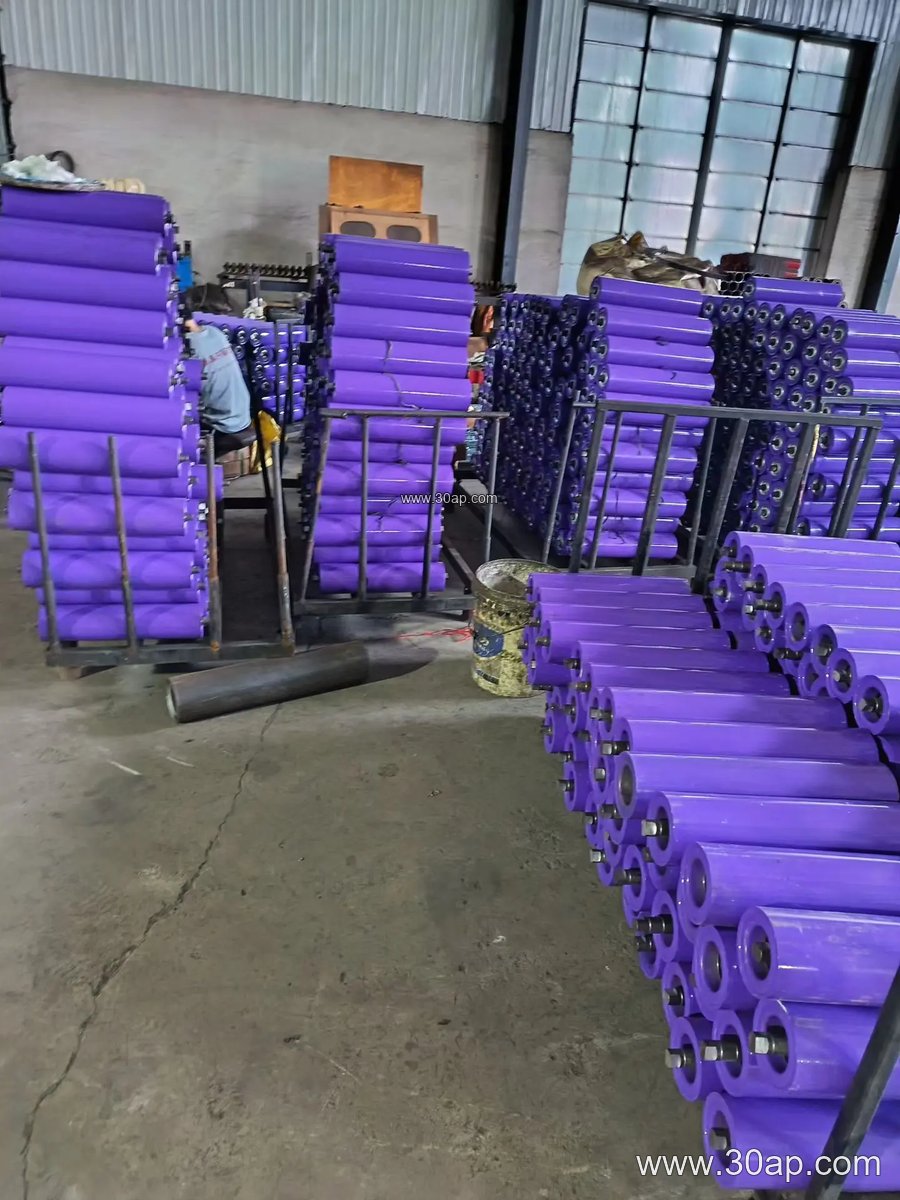
A coal mine conveyor idler should be chosen together with the conveyor belt specification. A heavy-duty mining conveyor belt carrying large coal lumps may call for larger rollers and closer spacing at transfer points, while a long overland run may favor low rolling resistance. Flame retardant and anti-static properties matter underground, and a fire resistant conveyor belt is often specified for coal mining conveyors. In a power plant or cement plant, heat resistant or abrasion resistant belts may appear alongside standard troughing idlers.
Buyers should confirm belt width, trough angle, roller diameter, shaft size, bearing type, seal design, and frame or bracket dimensions. Spacing along the conveyor is set by load and belt sag, not by a single universal number. A coal mine conveyor idler supplier can also advise on buffer rollers at the load point and on return roller choices for sticky or wet conditions.
Maintenance Points That Matter Underground
- Check for seized or noisy rollers during routine walk-throughs.
- Watch for belt drift that may indicate a misaligned or worn idler.
- Keep transfer points clear so impact idlers are not buried in coal.
- Replace damaged rollers before the belt edge or cover is worn.
At www.bulkconveyorparts.com, coal mine conveyor idler options are grouped by diameter, bearing, and frame style, and related items such as the conveyor pulley and conveyor bracket are listed for complete line planning. Whether the site is a coal mine, a quarry, or a port terminal, the right idler keeps the belt turning smoothly.