What Drives the Idler Price
The price of a conveyor idler roller is never a single number pulled from a catalog. It reflects a combination of tube material, shaft and bearing arrangement, seal quality, roller diameter, face length, and the duty the roller is expected to survive. In a quarry, a limestone mine, or a cement plant, buyers quickly learn that two idlers with the same outside diameter can sit at very different points on the price scale once bearing class and sealing are taken into account.
Because the idler is a wear part, its price should be read together with expected service life. A low-cost roller that fails early in a dusty crushing circuit usually costs more per ton conveyed than a better-sealed unit. That is why experienced maintenance teams compare idler price against operating hours, not just against the invoice.
How an Idler Roller Is Built
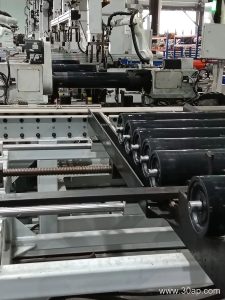
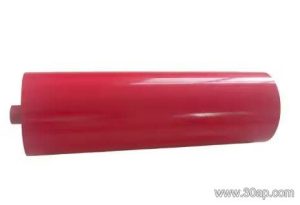
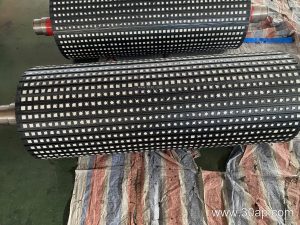
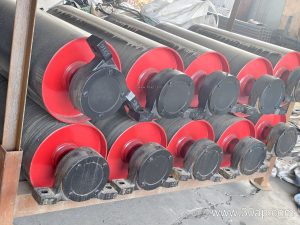
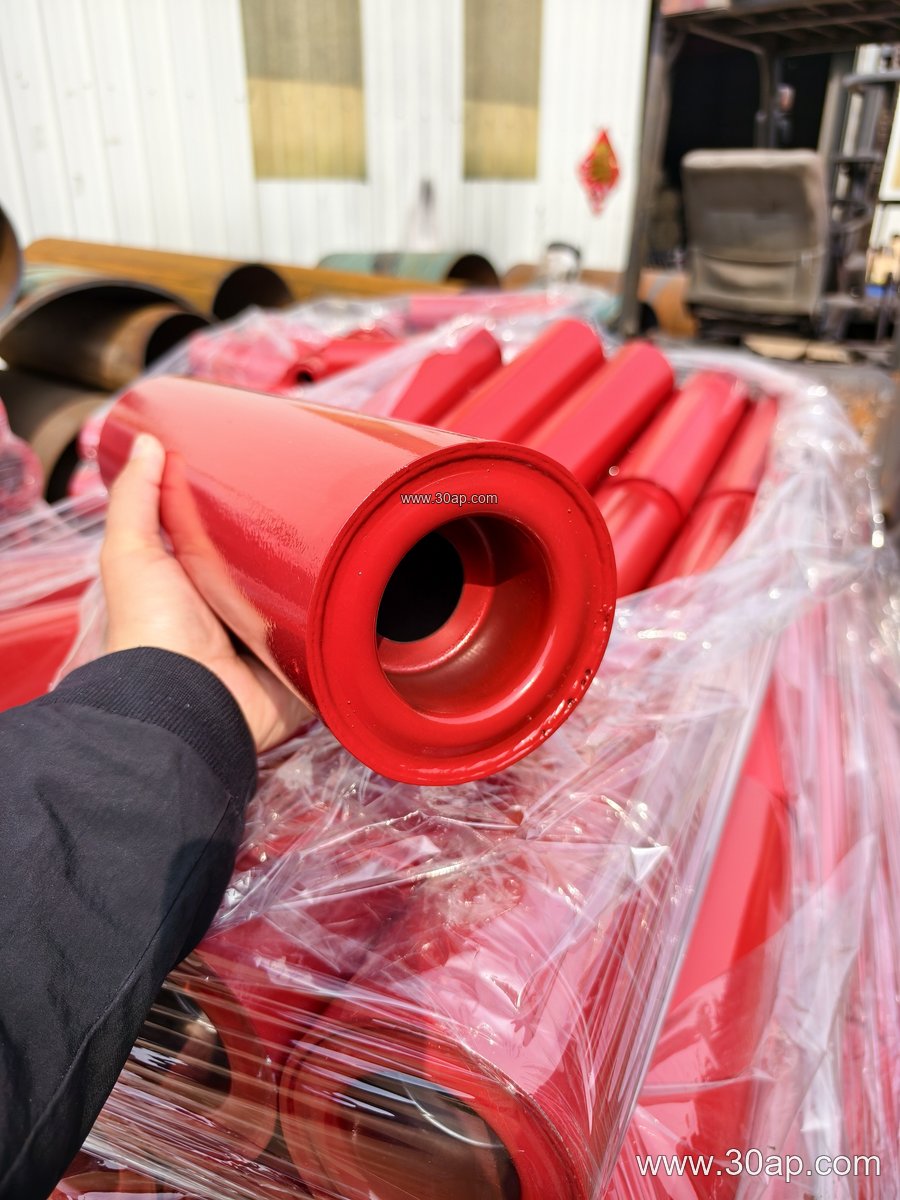
A typical idler roller consists of a steel tube shell, a through shaft, two bearing housings, labyrinth or contact seals, and end caps. The shell may be plain steel, nylon-coated, ceramic-covered, or fitted with rubber rings for impact absorption. Bearing selection matters: common sizes include 6204, 6205, 6305, 6306, 6308 and 6310, and the choice should follow load and speed rather than a fixed rule tied to one diameter.
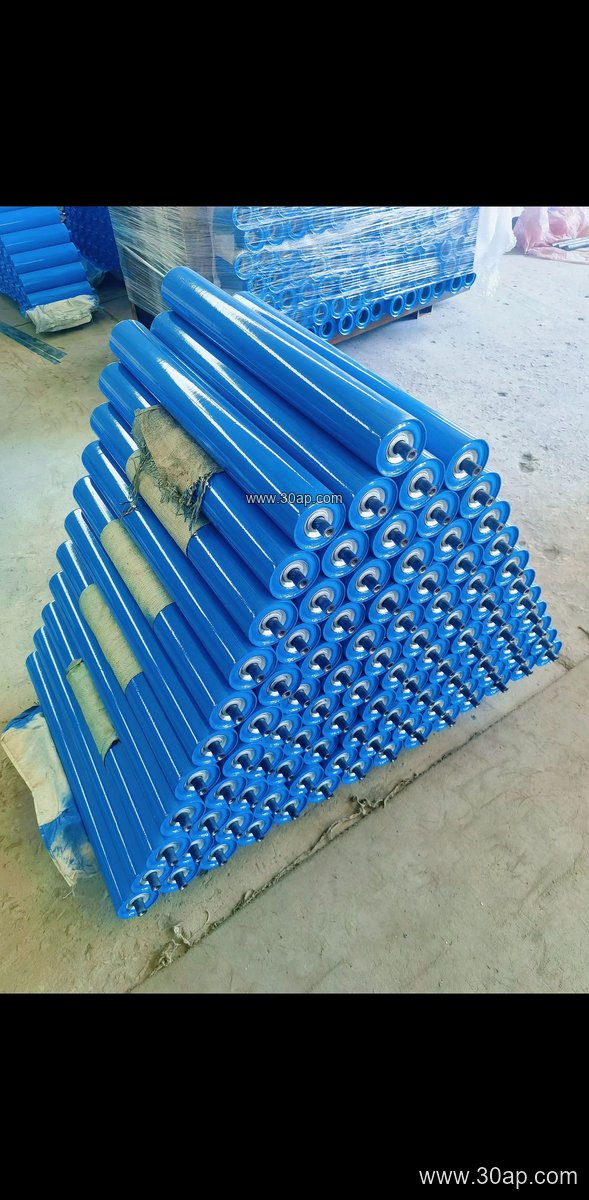
Roller diameters commonly range from Ø63 and Ø76 up to Ø159, Ø178, Ø194 and Ø219, with Ø89, Ø102, Ø108, Ø127 and Ø133 sitting in the middle of the range. Longer and heavier rollers generally carry a higher idler price because they need more material and stiffer shafts.
Troughing Sets and Where They Sit
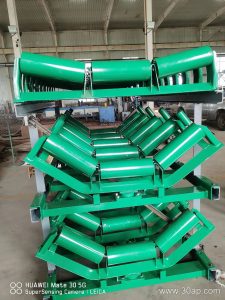
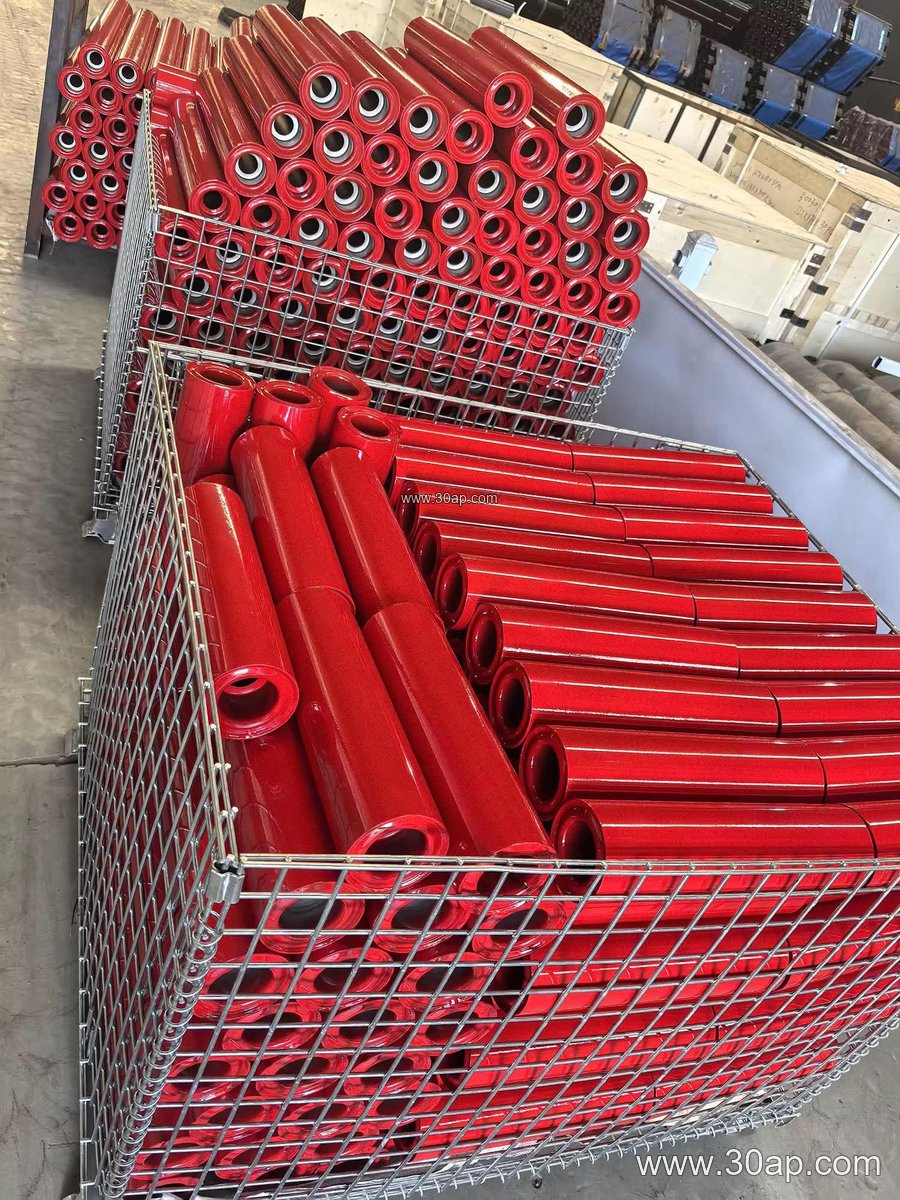
On the carrying side, three-roll troughing sets are the workhorse. A trough angle of 20, 30, 35 or 45 degrees changes how the belt is supported and how the load is distributed. Face length varies with belt width and arrangement; for reference, a three-roll troughing set might use roughly 200 mm rolls at B500, 315 mm at B800, 465 mm at B1200 and 600 mm at B1600. Side rolls and center rolls can differ, so these figures are examples rather than fixed matches.
Return-side rollers, V-return rollers, transition idlers, self-aligning and friction self-aligning types, spiral rollers and impact rollers with rubber rings each carry their own price logic. A heavy impact roller under a crusher discharge point is priced differently from a plain return roller under a clean belt.
Common Diameter and Bearing Reference
| Item | Common Options |
|---|---|
| Roller diameter | Ø63, Ø76, Ø89, Ø102, Ø108, Ø127, Ø133, Ø159, Ø178, Ø194, Ø219 |
| Belt width | B400, B500, B650, B800, B1000, B1200, B1400, B1600, B1800, B2000 |
| Trough angle | 20°, 30°, 35°, 45° |
| Bearing | 6204, 6205, 6305, 6306, 6308, 6310 |
| Roll surface | Steel, nylon, ceramic, rubber ring |
These are reference values, not universal specifications. Final selection follows belt speed, load, environment and frame design.
Where Idlers Earn Their Keep
In a coal washing plant or a power station coal yard, dust and moisture attack seals constantly. In an iron ore or copper ore concentrator, abrasive fines shorten roller life. In a sand and aggregate line, impact at transfer points is the main enemy. Each of these conditions shifts the idler price upward when better sealing, thicker shells or rubber rings are specified.
The belt itself also matters. A heavy-duty mining conveyor belt or a high abrasion resistant conveyor belt running at high tension loads the idlers harder than a light fabric core belt. Where a steel cord conveyor belt or a flame retardant conveyor belt is used underground, idler reliability becomes a safety matter, not only a cost matter. Buyers should confirm that the roller matches the belt and frame, and should check the conveyor bracket dimensions before ordering.
What a Buyer Should Check
- Confirm shaft diameter from the frame drawing, not from the belt width alone.
- Match bearing class and seal type to dust and moisture levels.
- Compare idler price per expected service hour, not per piece.
- Verify roller length, trough angle and set configuration.
- Ask how the roller is balanced and how end caps are fixed.
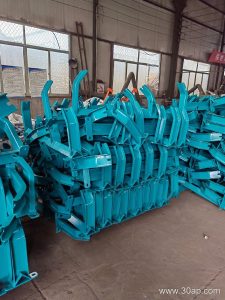
For related equipment such as the conveyor pulley and the conveyor bracket, keep the same discipline: specify by duty, verify by drawing, and treat quoted figures as starting points for discussion.