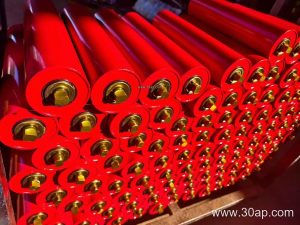
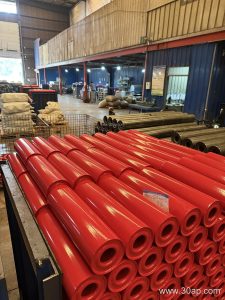
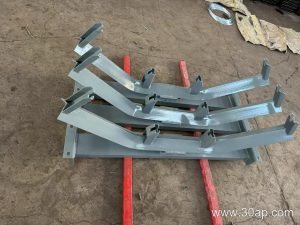
What a Conveyor Bracket Quotation Covers
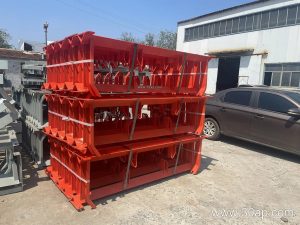
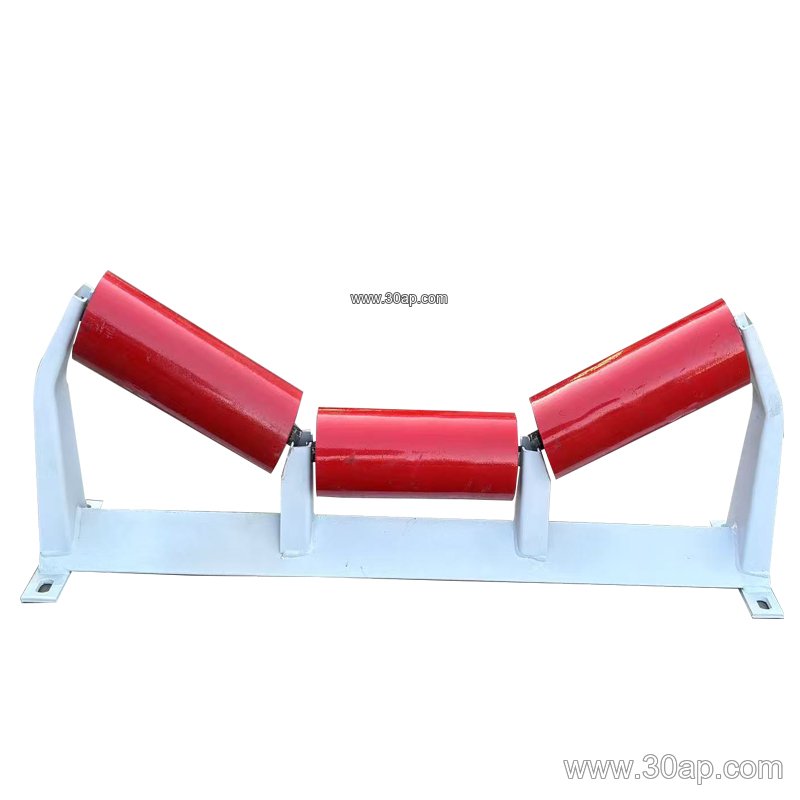
A conveyor bracket quotation is a detailed offer for the steel supports that hold idler rollers in place along a belt conveyor. These brackets, often called conveyor idler frames or roller stands, are the structural link between the rotating components and the conveyor stringer. A clear quotation helps buyers compare designs, materials, and included hardware before committing to a project in a quarry, cement plant, or power station coal yard.
Unlike a quote for a conveyor pulley or a drive drum, a bracket quotation focuses on static support geometry: trough angle, roller spacing, and mounting dimensions. The document should specify whether the brackets are fixed or adjustable, the profile used, and the surface treatment. For a quick reference, visit beltconveyoridler.com/conveyor-bracket-quotation.
Construction and Materials
Most brackets are fabricated from angle steel, channel steel, or folded steel plate. The choice affects stiffness and weight. A typical quotation lists the material grade, thickness, and welding standard. Common surface finishes include painted, galvanized, or powder-coated, though the specific method should be confirmed with the supplier.
Key structural details in a quotation often include:
- Frame type: trough bracket, return bracket, impact bracket, or self-aligning bracket
- Roller diameter compatibility, such as Ø89 or Ø108
- Belt width range, for example B650 or B800
- Trough angle, commonly 20°, 30°, 35°, or 45°
- Mounting hole spacing and beam length, which vary with belt width and trough angle
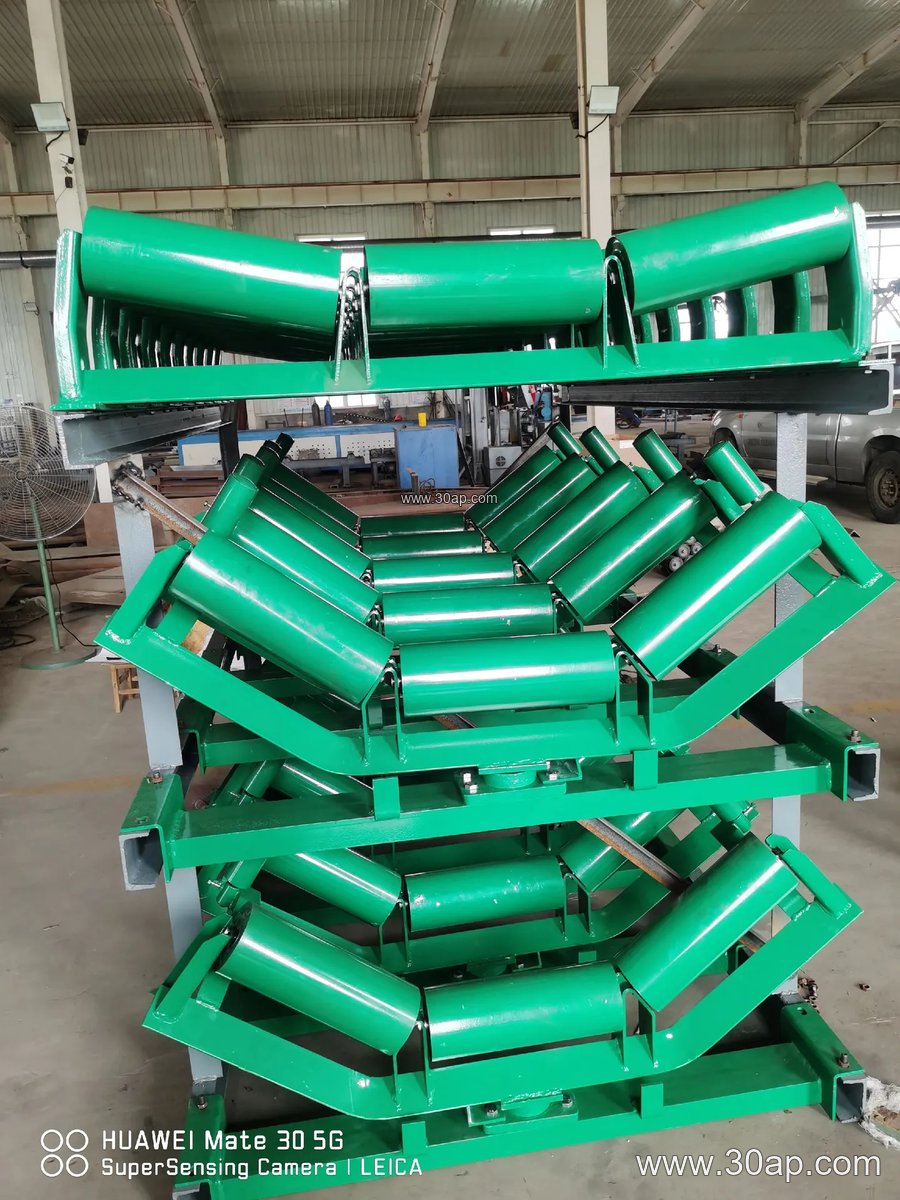
For adjustable brackets, the quotation should state the range of trough angles the frame can accommodate, often between 20° and 45°. Forward-leaning brackets, used to assist belt tracking, usually have a tilt of about 1.5° to 2°.
Where Brackets Are Used
Brackets are found wherever a conveyor belt needs support. In a limestone quarry, heavy-duty trough brackets carry abrasive rock. In a cement plant, return brackets guide the empty belt. In a coal-fired power plant, flame-retardant conveyor belts run on brackets that must resist dust and vibration. The same components appear in sand and gravel lines, iron ore terminals, and fertilizer silos.
A bracket quotation may also reference related equipment for context, such as idler rollers, conveyor pulleys, and the conveyor belt itself. These parts work together, but the quotation should remain focused on the bracket assembly.
Specification Examples in a Quotation
Suppliers often present bracket options in a table. The following example shows how a quotation might list common combinations. These are reference values, not fixed rules; actual dimensions depend on the conveyor design.
| Bracket Type | Belt Width | Trough Angle | Roller Diameter | Material |
|---|---|---|---|---|
| Trough bracket | B800 | 35° | Ø108 | Channel steel |
| Trough bracket | B1000 | 30° | Ø133 | Angle steel |
| Return bracket | B1200 | — | Ø133 | Folded plate |
| Adjustable bracket | B1400 | 20°–45° | Ø159 | Channel steel |
| Impact bracket | B650 | 35° | Ø89 | Angle steel |
When reviewing a quotation, check that the bracket type, belt width, trough angle, and roller diameter are clearly stated. For more information on matching components, see conveyor bracket.
What Buyers Should Verify
Before accepting a conveyor bracket quotation, confirm the following:
- Compatibility with the existing conveyor stringer and idler roller diameter
- Whether the bracket is fixed or adjustable, and the adjustment range
- Material thickness and surface treatment
- Included fasteners and mounting hardware
- Lead time and packing details
Remember that brackets are not interchangeable with pulleys. A drive pulley, tail pulley, and bend pulley serve different functions and require separate quotations. Similarly, a trough bracket cannot replace a return bracket.
For projects involving heavy-duty mining conveyor belts or heat-resistant belts, the bracket design may need extra reinforcement. Discuss the operating environment with the supplier so that the quotation reflects the actual load and conditions.
A well-prepared quotation saves time and reduces the risk of mismatch on site. Whether the application is a small aggregate line or a long overland conveyor, the bracket quotation should be specific, complete, and easy to compare.